Un dyed and Unassembled Fox Fur
CN → US| HS编码 | 关税税率 | 原产国 | 目的国 | 文档 |
|---|---|---|---|---|
| 4301603000 | 22.6% | CN | US | 官方文档 |
| 4301606000 | 17.5% | CN | US | 官方文档 |
商品图片
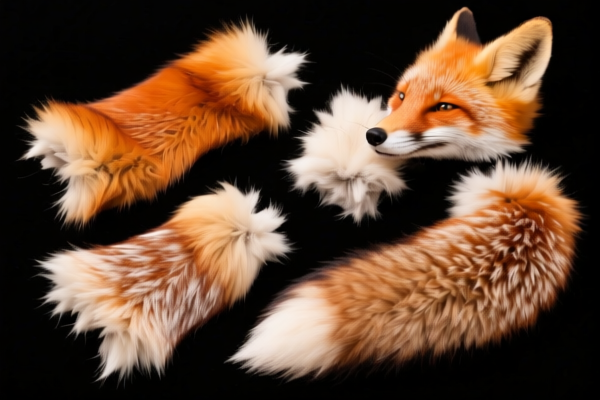
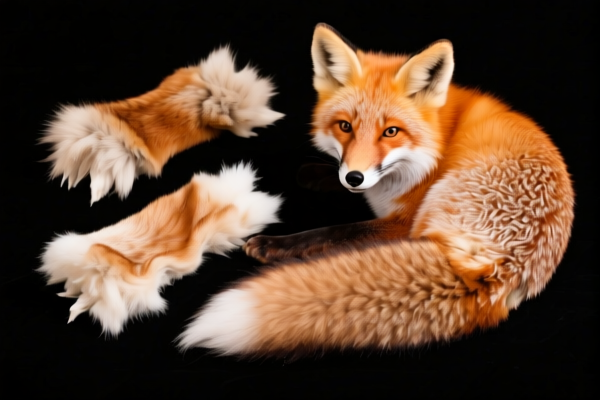
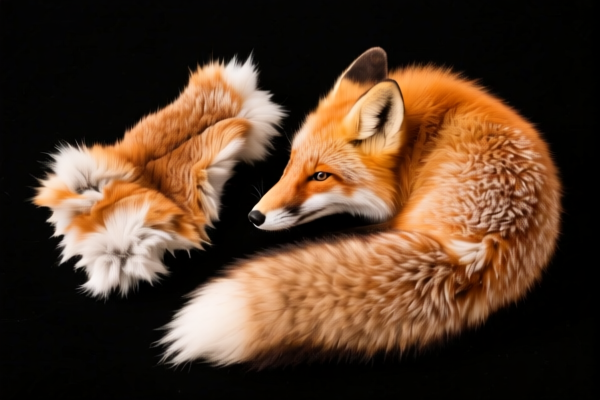
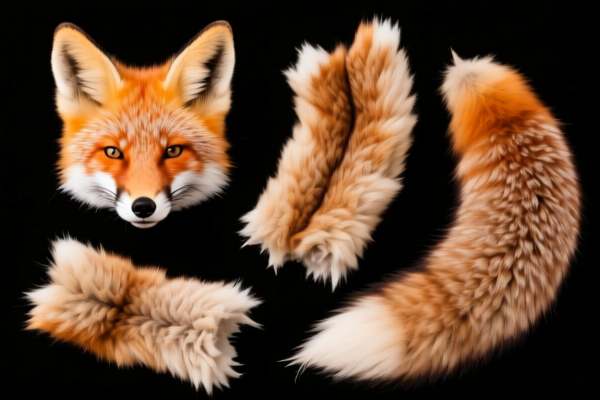
AI分析
🦊 Un-dyed & Unassembled Fox Fur (Fox Pelts/Skin)
🌐 HS Code Reference & Customs Clearance Guide | 2026 Latest Tariff Analysis | Professional Entry Strategy
📌 I. Product Definition & Classification: Do You Truly Understand "Fox Fur"?
Fox fur, a premium material in the global fashion industry, is categorized strictly by its processing state and assembly status. In international trade, the distinction between "unassembled" (loose skins/pelts) and "assembled" (sewn garments/panels) is critical for HS Code determination and duty assessment.
Un-dyed Fox Fur (Loose/Unassembled): Raw or tanned fox skins that have not been dyed and not sewn into garments or panels. These are often referred to as "Fox Fur Heads" or "Whole Skins" pending further assembly.
⚠️ Key Distinction Point:
- If the fur is raw, tanned, un-dyed, and unassembled → Classify under Chapter 43 (Prepared Furskins). - If the fur is dyed or sewn into panels/garments → Different HS Codes apply (often higher duties or different regulatory requirements). - Crucial Note: The data provided specifically addresses Un-dyed and Unassembled states. Do not misdeclare dyed fur as un-dyed to evade taxes; customs inspections (including microscopic analysis) can detect dye residue, leading to severe penalties.
📦 II. HS Code Classification Details (2026 Latest Tariff Authority Match)
Based on the provided <DATA>, here are the precise HS Codes for Un-dyed, Unassembled Fox Fur:
| HS Code | Product Description | Key Characteristics | Assembly Status |
|--------|--------------------------|-----------------------|
| 4302.19.30.30 | Un-dyed Fox Fur (Unassembled) | Raw/Tanned Fox Pelts, No Dye, Not Sewn | ❌ Unassembled |
| 4302.19.30.40 | Un-dyed Fox Fur (Unassembled) | Raw/Tanned Fox Pelts, No Dye, Not Sewn | ❌ Unassembled |
🔍 Important Clarification:
- Both4302.19.30.30and4302.19.30.40refer to Un-dyed Fox Fur. - The distinction between.30and.40often relates to specific sub-classifications (e.g., size, grade, or specific origin nuances not detailed in the summary but present in the official tariff schedule). - Do NOT confuse with4302.20.xxxx, which refers to Beaver Fur (as seen in the data for Beaver Heads). Misclassifying Fox Fur as Beaver Fur or vice versa is a common error that leads to customs holds.
💰 III. 2026 Latest Tariff Rate Breakdown (Including Surcharges & Policy Add-ons)
✅ Applicable Country: United States (US)
✅ Country of Origin: China (CN) [Implied by the specific tariff structure: Base + 25% Section 301 + 122 Clause]
✅ Effective Time: Current regime applies.
🎯 1. HS Codes 4302.19.30.30 & 4302.19.30.40 — Un-dyed Fox Fur (Unassembled)
| Item | Detail |
|---|---|
| Base Tariff Rate | 1.5% (Ad Valorem) |
| Section 301 Surcharge | +25.0% (Additional Duty on Chinese Imports) |
| Section 122 Clause Duty | +10.0% (Special duty for certain textiles/furs under specific trade provisions) |
| Total Tariff Rate | 36.5% |
| Tax Calculation | CIF Value × 36.5% |
| De Minimis Exemption | ❌ NOT Eligible (Section 301 and 122 duties typically do not apply to de minimis shipments under $800; however, verification with current CBP guidelines is recommended as rules evolve). |
| Legal Authority Path | HTSUS:4302.19.30 → USITC Footnote 301 (25%) → Section 122 Provisions |
📌 Explanation:
- Base Duty (1.5%): Standard MFN rate for prepared furskins. - Section 301 (25%): Trump-era/Biden-administration maintained tariffs on Chinese goods. Fox fur products from China are subject to this. - Section 122 (10%): This is a specific duty often applied to certain textile/fur items to address trade imbalances or specific statutory requirements. It is cumulative with the 25%. - Total Impact: A 36.5% total duty rate is significantly high for raw materials. Importers must account for this in cost calculations.⚠️ WARNING:
- The data explicitly states the total tax is 36.5%.
- Do not assume lower rates based on "raw material" status; the surcharges are applied on top of the base rate.
🛠️ IV. Customs Clearance Practical Advice (Real-World Pitfall Avoidance)
✅ 1. Documentation Checklist (Non-Negotiable)
| Document | Required | Notes |
|---|---|---|
| ✅ Commercial Invoice | ✔️ | Must clearly state: "Un-dyed, Unassembled Fox Fur, Species: Vulpes vulpes" |
| ✅ Packing List | ✔️ | Detail number of skins, weight, and dimensions |
| ✅ Certificate of Origin | ✔️ | Proof of Chinese origin (triggers 301/122 duties) |
| ✅ Fur Labeling Compliance | ✔️ | Ensure compliance with Lacey Act (US) and CITES if applicable (though fox fur is generally CITES Appendix II or non-listed depending on species, check specific source) |
| ✅ Product Photos | ✔️ | Show skins in unassembled, un-dyed state to justify HS Code |
| ✅ Import License | ✔️ | Depending on source country and species, additional permits may be needed |
✅ 2. Declaration Tips (Key Mantra)
🔥 "Specify 'Un-dyed', Specify 'Unassembled', Avoid 'Garment', Avoid 'Dyed'!"
| Scenario | Correct Declaration | Wrong Practice |
|---|---|---|
| Raw Fox Pelts (Loose) | 4302.19.30.30 / .40 |
Declare as "Fox Fur Garment" → Higher duty & scrutiny |
| Dyed Fox Fur | Different HS Code (likely higher) | Declare as "Un-dyed" → Customs Fraud Risk |
| Fox Fur Panels (Sewn) | Different HS Code | Declare as "Unassembled" → Misclassification Penalty |
| Beaver Fur | 4302.20.xxxx |
Declare as "Fox Fur" → Species Mismatch Hold |
✅ 3. Special Handling
| Situation | Advice |
|---|---|
| Lacey Act Compliance | Ensure all fox furs are legally sourced. Provide proof of legal capture/import from country of origin. |
| Species Identification | Customs may require expert identification to confirm it is Vulpes vulpes (Red Fox) and not a protected species. |
| Hygiene & Sanitation | Fur must be properly tanned and treated to prevent pests. Provide treatment certificates if requested. |
🌍 V. Global Market Comparison (2026 Outlook)
| Country/Region | Recommended HS Code | Duty Rate (China Origin) | Key Requirements | Notes |
|---|---|---|---|---|
| 🇺🇸 USA | 4302.19.30.30/.40 |
36.5% | Lacey Act, CITES (if applicable) | High duties due to 301/122 clauses |
| 🇨🇳 China | 4302.19.30 |
~10-15% | CITES Documentation | Lower duty, but export restrictions may apply |
| 🇪🇺 EU | 4302.19 |
~5-10% | EU Fur Regulation, Lacey Act | Strict animal welfare laws |
| 🇬🇧 UK | 4302.19 |
~5-10% | UK Fur Ban Considerations | Monitor post-Brexit regulations |
📌 Conclusion:
- The US is the most costly market for un-dyed, unassembled fox fur from China due to the 36.5% combined duty rate. - EU and UK have lower base tariffs but stricter animal welfare and environmental regulations. - China has lower import duties but may restrict exports of raw fur.
📌 VI. Common Mistakes & Pitfalls (Lessons Learned)
❌ Mistake 1: Declaring Dyed Fur as Un-dyed to avoid higher duties.
👉 Consequence: Customs lab tests will detect dye. Heavy fines, shipment seizure, and blacklisting.
❌ Mistake 2: Confusing Fox Fur with Beaver Fur (4302.20).
👉 Consequence: HS Code misclassification. Beaver fur has different rates (37.1%-38.5%). While rates are similar, species mismatch causes delays and inspections.
❌ Mistake 3: Ignoring Lacey Act requirements.
👉 Consequence: Shipment detained or destroyed. The US strictly enforces wildlife trade laws.
❌ Mistake 4: Assuming De Minimis ($800) exemption applies.
👉 Consequence: If applicable, the 301/122 duties may still apply. Check current CBP rulings for de minimis and Section 301 exemptions. Note: Recent policy changes have limited or removed de minimis exemptions for certain Chinese goods.
✅ Correct Practice:
"Un-dyed, Unassembled Fox Fur Skins, Species: Vulpes vulpes, Tanned, for Further Assembly, Compliant with Lacey Act"
🎯 VII. Conclusion: Professional Declaration, Cost Control, Compliance!
🎯 Remember the Mantra:
🔹 "Un-dyed + Unassembled = 36.5% Duty"
🔹 "Fox vs. Beaver: Check Species, Not Just Look"
🔹 "Lacey Act: No Paper, No Entry"
📌 Pro Tip:
- If your fox fur is originating from non-China countries (e.g., Canada, Scandinavia), the 25% Section 301 and 10% Section 122 duties may not apply.
- Action: Verify Country of Origin carefully. If from Canada, the duty could be significantly lower (Base Duty only, possibly 0-1.5%).
- Recommendation: Consider sourcing from non-China suppliers to reduce tariff burden, if feasible.
📣 Immediate Action:
📞 Contact a Licensed Customs Broker + Provide Species ID + Verify Origin
🚀 Ensure Lacey Act Compliance + Accurate HS Code Declaration
💡 Maximize Profit by Minimizing Duty Through Accurate Classification & Sourcing!
✨ Professional Clearance Starts with Precise Classification!
💼 Every Percent Matters in the Fur Trade!
用户评价
关于 HS 编码归类
协调制度(HS)是由世界海关组织(WCO)制定的国际贸易商品分类标准。全球 200 多个国家采用 HS 系统作为海关关税、贸易统计和进出口监管的基础。
每个 HS 编码遵循以下层级结构:
- 章(2 位)——商品大类(例如:第 84 章:机器和机械设备)
- 品目(4 位)——章内的更具体分类
- 子目(6 位)——国际通用细分,所有 WCO 成员国统一使用
- 本国细分(8-10 位)——各国自行扩展的细分编码,如美国 HTSUS 10 位编码
正确的 HS 编码归类对于顺利通关、准确缴纳关税和遵守贸易法规至关重要。错误归类可能导致海关延误、多缴关税或罚款。
从CN进口到US时,适用的关税税率可能包括:
- 最惠国(MFN)税率——适用于 WTO 成员国的标准关税税率
- 普通税率——适用于无贸易协定国家
- 贸易救济关税——附加关税,如 301 条款(反倾销)、232 条款(国家安全)或反补贴税
本页内容仅供参考。如需正式归类,请咨询当地海关或持牌报关代理。