Un dyed and Unassembled Furred Skin with Claws
CN → US| HS编码 | 关税税率 | 原产国 | 目的国 | 文档 |
|---|---|---|---|---|
| 4103901190 | 17.5% | CN | US | 官方文档 |
| 4103901130 | 17.5% | CN | US | 官方文档 |
| 4301100020 | 17.5% | CN | US | 官方文档 |
| 4103901190 | 17.5% | CN | US | 官方文档 |
| 4301100020 | 17.5% | CN | US | 官方文档 |
商品图片
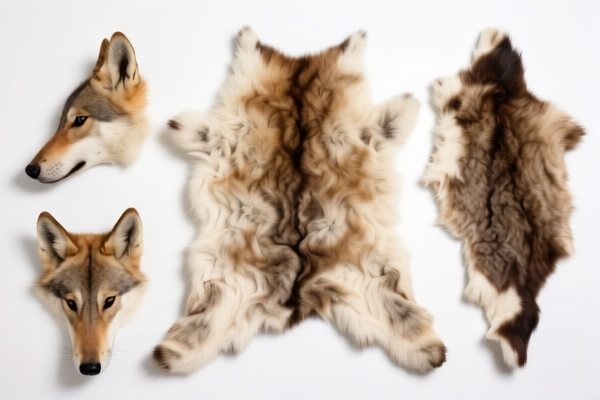
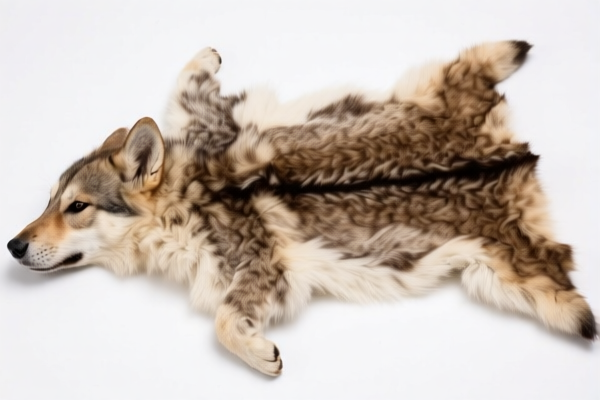
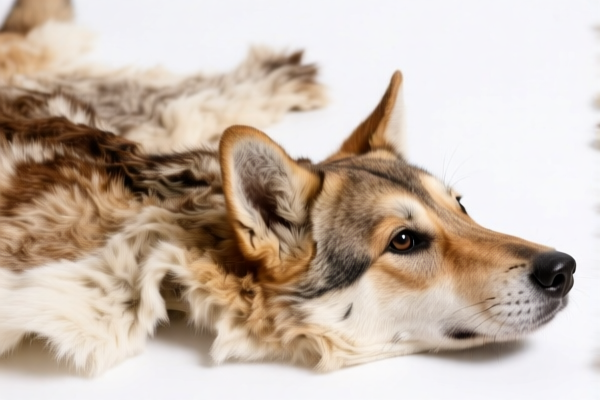
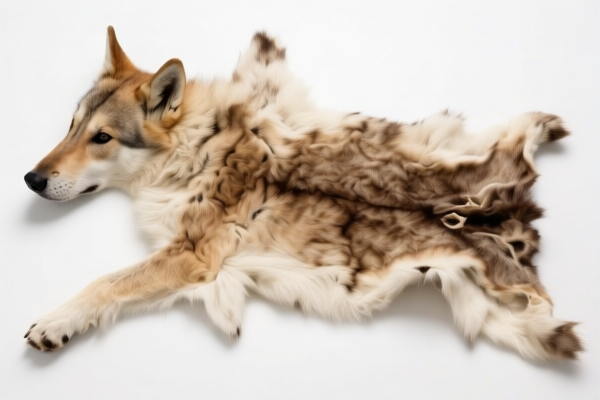
AI分析
🐾 Furred Skins with Claws & Tails (Un_dyed/Unassembled)
🌐 HS Code Reference & Customs Clearance Guide | 2026 Latest Tariff Analysis | Professional Clearance Strategy
📌 I. Product Definition & Classification: What Exactly Are You Importing?
Un-dyed and Unassembled Furred Skins with Claws (commonly referred to as "Raw Hides" or "Green Skins" in trade) represent the raw material stage of the leather and fur industry. These are animal hides that have been removed from the carcass but have not undergone tanning, curing, or dyeing processes.
Key Characteristics: * State: Raw, wet-salted, or dry-salted. * Appearance: Fur/hair is still attached; claws/toes may be included. * Treatment: No chemical tanning (chrome, vegetable, etc.) or dyeing has occurred. * Classification Dilemma: Are they "Raw Hides" (Chapter 41) or "Raw Furs" (Chapter 43)?
⚠️ Critical Distinction:
- If the skin is without valuable fur/hair (e.g., cattle hide for leather) → Chapter 41 (4103).
- If the skin is with valuable fur/hair intended for furrier use (e.g., mink, fox, rabbit) → Chapter 43 (4301).
- Note on "Claws": The presence of claws does not change the fundamental material classification but requires specific description to avoid rejection under animal health regulations.
📦 II. HS Code Classification Details (2026 Latest Harmonized System)
Based on the provided data, there are three potential HS Codes depending on the specific nuance of "fur value" and material definition. All three carry the same tax burden.
| HS Code | Product Description | Key Classification Logic | Tax Rate |
|---|---|---|---|
4103.90.11.90 |
Other raw hides and skins (including wild animals), not further prepared than salted, dried, limed, pickled, or "pickled" | Classified as Other Raw Hides. Used when the item is considered primarily a raw hide material rather than a finished fur product, but still falls under the broader "Other" category of Chapter 41. | 17.5% |
4103.90.11.30 |
Other raw hides and skins (including wild animals), not further prepared | Similar to above, specifically listed under "Other." The distinction between .30 and .90 is often administrative or based on specific sub-category definitions within the 4103 heading. Both are treated identically in this tax dataset. |
17.5% |
4301.10.00.20 |
Raw furs and skins (with or without head, tail, paws or claws) | Classified as Raw Furs. This code is used when the skin is clearly identified as having valuable fur/hair intended for furrier work. The description explicitly mentions "with claws," aligning with the Chapter 43 note for raw furs. | 17.5% |
🔍 Strategic Insight:
- While4301.10.00.20seems more descriptive of "furred skins," customs brokers often use4103.90.11.xfor raw hides that are not yet processed.
- Crucial Point: The tax rate is identical (17.5%) across all three codes. Therefore, the choice of HS code depends more on accuracy of product description and importer's historical data consistency rather than tax optimization.
- Recommendation: Use4301.10.00.20if the product is clearly valuable fur (e.g., mink, fox) to align with Chapter 43 rules for "raw furs." Use4103.90.11.30or.90if it is a generic raw hide (e.g., cattle, sheep) where the "fur" aspect is secondary to the leather potential.
💰 III. 2026 Latest Tariff Rate Breakdown (Including Additional Duties)
✅ Applicable Country: United States (US)
✅ Country of Origin: China (CN)
✅ Effective Date: Current 2026 Tariff Structure
✅ Total Tax Rate: 17.5%
🎯 Breakdown of the 17.5% Total Tax
| Component | Rate | Source/Legal Basis | Explanation |
|---|---|---|---|
| 1. Base Tariff | 0.0% | US HTSUS General Rate | Most raw hides/furs enter the US duty-free under normal trade terms. |
| 2. Section 301 Tariff | 7.5% | USITC Footnote 9903.88.01 | Additional duty imposed on Chinese-origin goods under Section 301 of the Trade Act. |
| 3. 122 Clause Tariff | 10.0% | IEEPA / Section 122 | Specific additional duty applied to certain Chinese-origin products, often linked to national security or emergency economic powers. |
| TOTAL | 17.5% | Sum of all applicable duties. |
📌 Important Note:
- This 17.5% rate applies to ALL THREE HS codes listed (4103.90.11.90,4103.90.11.30,4301.10.00.20).
- There are no exemptions for raw furs from the 301 or 122 clauses in this specific dataset.
- Calculation Basis: The tax is calculated on the CIF (Cost, Insurance, and Freight) value of the shipment.
🛠️ IV. Customs Clearance Practical Advice (Avoiding Pitfalls)
✅ 1. Documentation Checklist (Mandatory)
| Document | Required | Purpose |
|---|---|---|
| Commercial Invoice | ✔️ | Must clearly state: "Raw Furred Skins, Un-dyed, Unassembled, with Claws." |
| Packing List | ✔️ | Detail weight, number of skins, and any preservative used (salt, dry, etc.). |
| APHIS Permit (USDA) | ✔️ | Critical. Raw animal products require approval from the Animal and Plant Health Inspection Service to prevent disease spread. |
| Fur Identification Label | ✔️ | If applicable, may require labeling under the Fur Products Labeling Act. |
| Certificate of Origin | ✔️ | To prove Chinese origin (triggers the 17.5% tariff). |
| Product Description Sheet | ✔️ | Detailed technical description to support HS Code selection (Chapter 41 vs. 43). |
✅ 2. Classification Strategy & Declaration Tips
🔥 "Accurate Description Prevents Penalties: Raw vs. Processed, Chapter 41 vs. 43"
| Scenario | Recommended HS Code | Risk if Misclassified |
|---|---|---|
| Valuable Fur (Mink, Fox, etc.) | 4301.10.00.20 |
Misclassifying as raw hide (4103) may trigger scrutiny from the Fur Commission, leading to delays or fines for false labeling. |
| Generic Hide (Cattle, Sheep) | 4103.90.11.30 or .90 |
Using 4301 for non-fur hides is technically incorrect and may raise questions about intent. |
| Skins with Claws | All Codes | Explicitly mention "with claws" in the description. If claws are removed, the product value and classification might change. |
| Dyed or Tanned Skins | Different HS Codes | WARNING: If skins are dyed or tanned, they NO LONGER fall under these codes. They would move to Chapter 41 (Leather) or 43 (Fur Goods) with different tax rates (often higher or subject to different rules). |
✅ 3. Special Considerations for "Claws" and "Unassembled"
- "Unassembled": This term usually applies to machinery. For skins, it means "not cut into patterns" or "not sewn." Ensure your description clarifies that these are whole or major pieces, not finished garments or accessories.
- "With Claws": Some countries restrict import of parts from endangered species. Ensure you have CITES documentation if the species is listed. Even if not CITES-listed, customs may inspect closely for animal health compliance.
🌍 V. Global Market Comparison (2026 Overview)
| Market | Recommended HS Code | Estimated Tariff (China Origin) | Key Requirement |
|---|---|---|---|
| 🇺🇸 USA | 4301.10.00.20 or 4103.90.11.x |
17.5% | APHIS Permit, CITES (if applicable) |
| 🇪🇺 EU | 4301.10 or 4103.90 |
~0-3% (Base) + Anti-Dumping? | REACH Compliance, Fur Marking |
| 🇨🇳 China | 4301.10 or 4103.90 |
~0-5% | Import License for Raw Animal Products |
| 🇯🇵 Japan | 4301.10 or 4103.90 |
~0-3% | Phytosanitary Certificate |
📌 Conclusion:
- The US market is the most tax-intensive for this product due to the 301 and 122 clauses (17.5%).
- The EU and China have lower base tariffs but may have stricter environmental and animal welfare regulations (e.g., Fur Marking in the EU).
- Always verify CITES status before shipping any furred skins with claws.
📌 VI. Common Errors & Pitfalls (Lessons Learned)
❌ Error 1: Classifying dyed skins as "Un-dyed."
👉 Consequence: If discovered, customs will reclassify, apply higher taxes, and impose penalties. Always be truthful about the treatment state.
❌ Error 2: Omitting "With Claws" in the description.
👉 Consequence: Customs may suspect incomplete documentation or misdeclared goods, leading to physical inspection and delays.
❌ Error 3: Ignoring APHIS/USDA requirements.
👉 Consequence: Seizure and Destruction. Raw animal products are heavily regulated for biosecurity. No permit = No entry.
❌ Error 4: Assuming "Raw" means duty-free.
👉 Consequence: 17.5% tax bill. The 301 and 122 clauses apply regardless of the "raw" state for Chinese-origin goods.
✅ Best Practice:
"Raw Furred Skins, Mink, Un-dyed, Un-tanned, with Claws, Salted, for Furrier Use. HS Code: 4301.10.00.20."
🎯 VII. Conclusion: Professional Classification, Smooth Clearance
🎯 Key Takeaway:
🔹 "Raw Skins are Raw: Chapter 41 or 43, Tax is 17.5%."
🔹 "Claws Require Care: APHIS Permit is Non-Negotiable."
🔹 "Be Honest: Un-dyed means Un-dyed. Misclassification leads to fines."
📌 Pro Tip:
If you are importing large volumes, consider applying for an Advance Ruling from US Customs and Border Protection (CBP) to confirm the HS Code (4301.10.00.20 vs 4103.90.11.30) before shipment. This provides legal certainty and prevents post-entry audits.
📣 Action Plan:
📞 Contact your freight forwarder for APHIS permit requirements.
📄 Prepare detailed commercial invoices specifying "Un-dyed, Unassembled, with Claws."
💰 Budget for 17.5% total duty on the CIF value.
🚀 Ensure your supplier provides all necessary veterinary and health certificates.
✨ Precision in Classification, Efficiency in Clearance!
💼 Protect Your Margins: Get the HS Code Right from the Start!
用户评价
关于 HS 编码归类
协调制度(HS)是由世界海关组织(WCO)制定的国际贸易商品分类标准。全球 200 多个国家采用 HS 系统作为海关关税、贸易统计和进出口监管的基础。
每个 HS 编码遵循以下层级结构:
- 章(2 位)——商品大类(例如:第 84 章:机器和机械设备)
- 品目(4 位)——章内的更具体分类
- 子目(6 位)——国际通用细分,所有 WCO 成员国统一使用
- 本国细分(8-10 位)——各国自行扩展的细分编码,如美国 HTSUS 10 位编码
正确的 HS 编码归类对于顺利通关、准确缴纳关税和遵守贸易法规至关重要。错误归类可能导致海关延误、多缴关税或罚款。
从CN进口到US时,适用的关税税率可能包括:
- 最惠国(MFN)税率——适用于 WTO 成员国的标准关税税率
- 普通税率——适用于无贸易协定国家
- 贸易救济关税——附加关税,如 301 条款(反倾销)、232 条款(国家安全)或反补贴税
本页内容仅供参考。如需正式归类,请咨询当地海关或持牌报关代理。