Unassembled Karakul Lamb Skin Head
CN → US| HS编码 | 关税税率 | 原产国 | 目的国 | 文档 |
|---|---|---|---|---|
| 4301300000 | 10.0% | CN | US | 官方文档 |
| 4301900000 | 10.0% | CN | US | 官方文档 |
商品图片
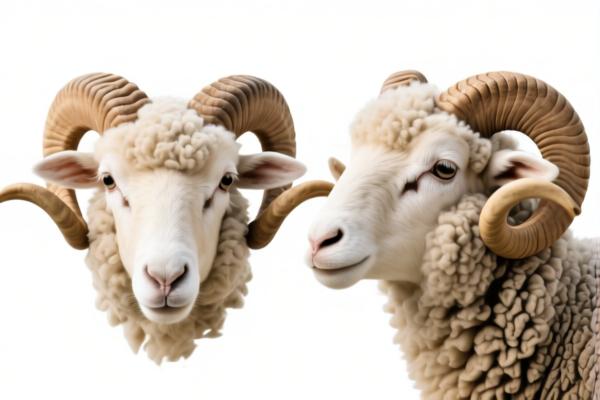
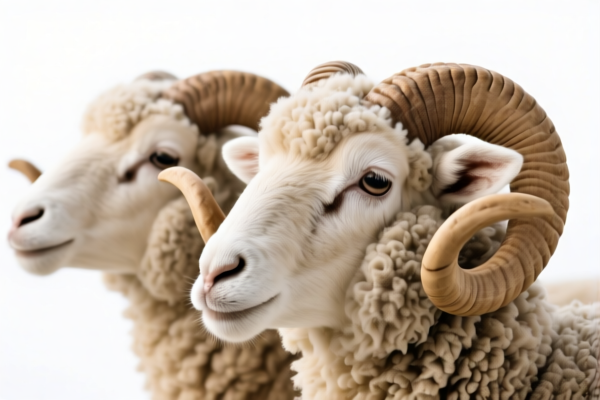
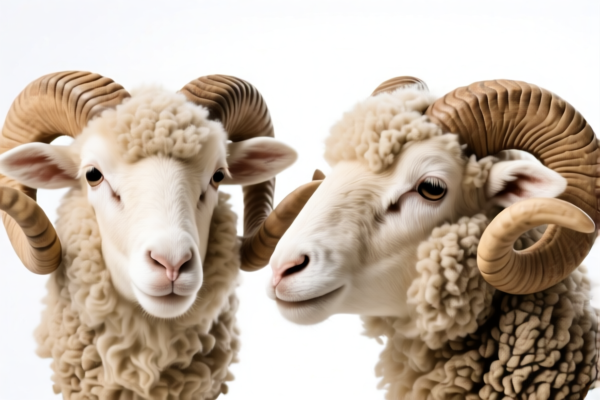
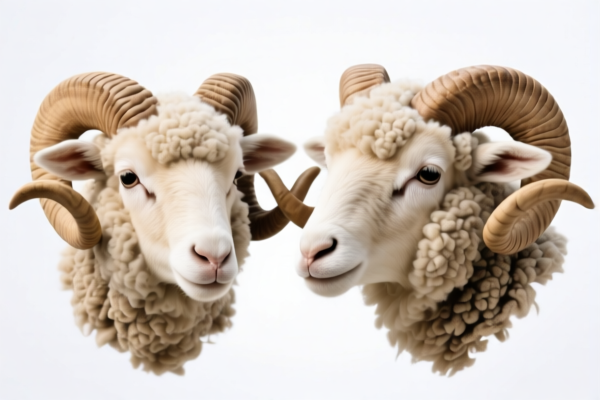
AI分析
🐑 Unassembled Karakul Lamb Skin Head (Raw Fur)
🌐 HS Code Reference & Customs Clearance Guide | 2026 Latest Tariff Full Analysis | Professional Level Clearance Strategy
📌 I. Product Definition & Classification: Do You Really Understand "Raw Fur Skins"?
Karakul lamb skins (including heads, tails, and paws) are high-value raw materials used in the furrier industry. In international trade, they are strictly regulated under Chapter 43 (Furskins and Furs).
The key distinction lies in the state of processing and specific animal type: * Raw Furskins: Not tanned or curried, but suitable for furriers' use. This includes whole skins, heads, tails, paws, and cuttings. * Specific Sub-heading: Karakul is a distinct type of lamb known for its unique curled lamb skin patterns. It falls under specific sub-categories within Heading 4301.
⚠️ Critical Distinction Point:
- If the item is a whole raw skin (including head/tail/paws) of Karakul/Caracul/Persian lamb →归入 4301.30.00.00
- If the item is just pieces, cuttings, heads, tails, or paws (not whole skins) suitable for furriers →归入 4301.90.00.00
📦 II. HS Code Classification Details (2026 Latest Tariff Authority Comparison)
| HS Code | Product Description | Applicable Scenario | Key Feature |
|---|---|---|---|
4301.30.00.00 |
Raw furskins of lamb: Astrakhan, Broadtail, Caracul, Persian, Indian, Chinese, Mongolian, Tibetan lamb (whole, with/without head, tail, paws) | Whole Karakul skins, including heads, tails, paws | ✅ Whole skin + extremities |
4301.90.00.00 |
Raw furskins: Heads, tails, paws, and other pieces/cuttings suitable for furriers' use | Isolated heads, tails, paws, or scraps | ✅ Parts/Cuttings only |
🔍 Key Reminder:
- "Unassembled" does not mean "disassembled parts". If you import a whole Karakul skin that happens to have its head attached but is not sewn into a garment, it is still classified under 4301.30.00.00.
- 4301.90.00.00 is for pieces (e.g., just the head, just the tail, or scrap fur).
- Do not confuse with Chapter 41: Raw hides/skins of bovine/equine/caprine/goatskin (Heading 4101-4103) are different. Lamb skins (Ovis aries) belong to Chapter 43.
💰 III. 2026 Latest Tariff Rate Details (Including Surcharge Tariffs & Policy Additions)
✅ Applicable Country: United States (US)
✅ Origin: China (CN)
✅ Effective Date: From November 10, 2025 onwards
🎯 1. 4301.30.00.00 —— Raw Karakul Lamb Skins (Whole, with/without head)
| Item | Content |
|---|---|
| Base Tariff | 0.0% |
| Additional Surcharge Tariff | 0.0% |
| Total Tax Rate | 0.0% |
| Tax Calculation | CIF Value × 0.0% = $0 |
| De Minimis Eligibility | ❌ Not Applicable (Tariff is 0%, so no need for exemption, but subject to USDA/APHIS inspection) |
| Legal Basis | HTSUS 4301.30.00.00 |
📌 Explanation:
- Under current US trade policy (as per provided data), raw furskins of Karakul lamb attract 0% duty.
- Crucial Note: While the tariff is 0%, these products are highly regulated by USDA-APHIS due to animal health concerns (e.g., Foot-and-Mouth Disease, Scrapie).
- No Additional Surcharge: Unlike electronics or steel, raw animal products are not subject to the 25% USITC or 10% IEEPA tariffs listed in the example data for monitors.
🎯 2. 4301.90.00.00 —— Raw Furskins: Heads, Tails, Paws, Cuttings
| Item | Content |
|---|---|
| Base Tariff | 0.0% |
| Additional Surcharge Tariff | 0.0% |
| Total Tax Rate | 0.0% |
| Tax Calculation | CIF Value × 0.0% = $0 |
| De Minimis Eligibility | ❌ Not Applicable (Again, subject to strict biosecurity checks) |
| Legal Basis | HTSUS 4301.90.00.00 |
📌 Note:
- Even if only heads or tails are imported, the tariff remains 0%.
- However, customs may scrutinize 4301.90.00.00 more closely to ensure it’s not being used to disguise whole skins (which might have different quota or regulatory implications in some countries).
🛠️ IV. Customs Clearance Practical Advice (Real-World Pitfall Avoidance Guide)
✅ 1. Required Documentation Checklist (None Missing)
| Document | Mandatory | Description |
|---|---|---|
| ✅ Commercial Invoice | ✔️ | Must clearly state "Raw Karakul Lamb Skins, Unassembled, Whole, with Head" or "Raw Lamb Skin Parts" |
| ✅ Packing List | ✔️ | Detail quantity, weight, and whether heads/paws are included |
| ✅ USDA-APHIS Import Permit | ✔️ | Critical! Raw animal products require prior approval from USDA |
| ✅ Veterinary Health Certificate | ✔️ | Issued by exporting country, confirming freedom from diseases |
| ✅ Bill of Lading/Air Waybill | ✔️ | Standard shipping document |
| ✅ Proof of Origin | ✔️ | To confirm non-quota status (if applicable) |
| ✅ Fur Trade Council Certification | ✔️ | Optional but recommended to prove legal sourcing |
✅ 2. Declaration Tips (Key Mantra)
🔥 "HS Code Right, USDA Permit First, Description Specific, Clearance Smooth!"
| Scenario | Correct Declaration Method | Wrong Action |
|---|---|---|
| Whole Karakul skin with head attached | 4301.30.00.00 |
Misdeclaring as "parts" (4301.90) to simplify → Risk of penalty |
| Only heads or tails sold separately | 4301.90.00.00 |
Declaring as "whole skin" → Over-complex customs scrutiny |
| Tanned/curried skins | Wrong Chapter (Should be 4302) | Declaring as "raw" (4301) → Smuggling suspicion |
| Fur garments (sewn) | Wrong Chapter (Should be 4303) | Declaring as "raw skin" → Evading higher duties on manufactured goods |
✅ 3. Special Situation Handling
| Situation | Handling Advice |
|---|---|
| USDA Biosecurity Check | Even with 0% tariff, expect physical inspection. Ensure skins are cleaned, dried, and properly packaged to prevent pest issues. |
| CITES Compliance | If Karakul lambs are endangered in source country, CITES permits may be required. Check Appendix I/II status. |
| Mixed Shipments | If a shipment contains both whole skins (4301.30) and cuttings (4301.90), split the declaration. Do not mix codes in one line item. |
| Value Declaration | Raw fur prices fluctuate. Provide transaction value proof (invoices) to avoid customs valuation disputes. |
🌍 V. Global Market Clearance Comparison (2026 Latest)
| Country/Region | Recommended HS Code | Tariff (China Origin) | Certification Requirements | Notes |
|---|---|---|---|---|
| 🇺🇸 USA | 4301.30.00.00 |
0.0% | USDA-APHIS Permit, Vet Cert | Strict biosecurity, no duty |
| 🇨🇳 China | 4301.30.00.00 |
5-10% | Import License | High demand for raw fur |
| 🇪🇺 EU | 4301.30.00.00 |
0% (if FTA) | CITES, Ecolabel | Strict animal welfare laws |
| 🇬🇧 UK | 4301.30.00.00 |
0% | CITES, Vet Cert | Post-Brexit regulations apply |
| 🇯🇵 Japan | 4301.30.00.00 |
0% | Quarantine Cert | High quality standards |
📌 Conclusion:
- USA has 0% duty on these raw furskins, making it a cost-effective market for raw material importers.
- Non-tariff barriers (NTBs) like USDA permits are the real hurdle, not the tariff rate.
📌 VI. Common Mistakes & Pitfall Guide (Blood & Tears Lessons)
❌ Mistake 1: Declaring "Karakul Skin" without specifying "Raw"
👉 Consequence: Customs may assume it's tanned (4302) → Wrong HS Code → Penalty + Back Duties!
❌ Mistake 2: Failing to obtain USDA-APHIS Permit
👉 Consequence: Shipment seized and destroyed at port, even if duty is 0%.
❌ Mistake 3: Mixing "Whole Skins" and "Cuttings" in one HS Code line
👉 Consequence: Customs may downgrade the entire shipment to the stricter code or demand redeclaration → Delay.
❌ Mistake 4: Ignoring CITES if source country has restrictions
👉 Consequence: Illegal wildlife trade charges → Criminal liability.
✅ Correct Practice:
"Raw Karakul Lamb Skins, Whole, Unassembled, with Heads Attached, USDA-APHIS Permit #XXXX, Vet Certified, HTS 4301.30.00.00"
🎯 VII. Conclusion: Professional Clearance, Save Time, Reduce Costs!
🎯 Remember the Mantra:
🔹 "0% Duty, but 100% Compliance Required!"
🔹 "HS Code: 4301.30 for Whole, 4301.90 for Parts"
🔹 "USDA Permit Before Shipment, Otherwise Denied Entry!"
📌 Tips:
- If your Karakul skins are tanned or dressed, they fall under 4302 (Different Tariff!).
- Always pre-apply for USDA permits at least 30 days before shipment.
- Consult a licensed customs broker for biosecurity compliance.
📣 Immediate Action:
📞 Contact USDA-APHIS + Provide Species Details + Apply for Import Permit
🚀 Ensure smooth clearance, legal import, and zero tariff cost!
✨ Professional Clearance Starts with Accurate Classification!
💼 Your cost is $0 in duties, but priceless in compliance!
用户评价
关于 HS 编码归类
协调制度(HS)是由世界海关组织(WCO)制定的国际贸易商品分类标准。全球 200 多个国家采用 HS 系统作为海关关税、贸易统计和进出口监管的基础。
每个 HS 编码遵循以下层级结构:
- 章(2 位)——商品大类(例如:第 84 章:机器和机械设备)
- 品目(4 位)——章内的更具体分类
- 子目(6 位)——国际通用细分,所有 WCO 成员国统一使用
- 本国细分(8-10 位)——各国自行扩展的细分编码,如美国 HTSUS 10 位编码
正确的 HS 编码归类对于顺利通关、准确缴纳关税和遵守贸易法规至关重要。错误归类可能导致海关延误、多缴关税或罚款。
从CN进口到US时,适用的关税税率可能包括:
- 最惠国(MFN)税率——适用于 WTO 成员国的标准关税税率
- 普通税率——适用于无贸易协定国家
- 贸易救济关税——附加关税,如 301 条款(反倾销)、232 条款(国家安全)或反补贴税
本页内容仅供参考。如需正式归类,请咨询当地海关或持牌报关代理。