Unbleached Non Coniferous Wood Pulp
CN → US| HS编码 | 关税税率 | 原产国 | 目的国 | 文档 |
|---|---|---|---|---|
| 4703190000 | 35.0% | CN | US | 官方文档 |
| 4705000000 | 35.0% | CN | US | 官方文档 |
| 4703110000 | 35.0% | CN | US | 官方文档 |
| 4701000000 | 35.0% | CN | US | 官方文档 |
| 4706920100 | 35.0% | CN | US | 官方文档 |
商品图片
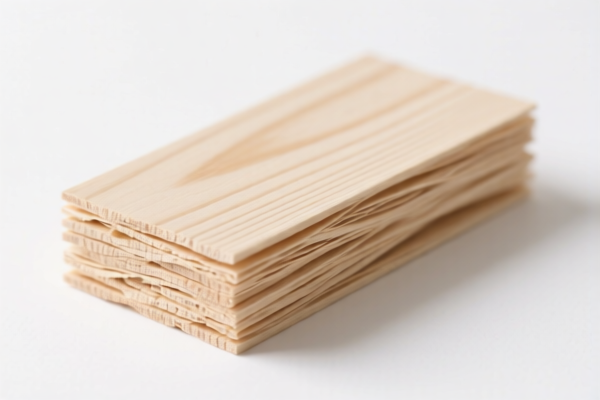
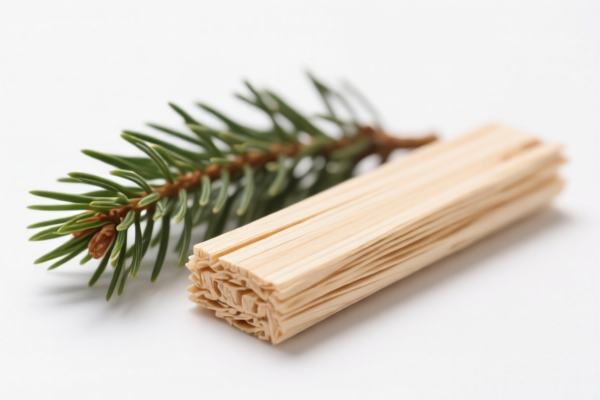
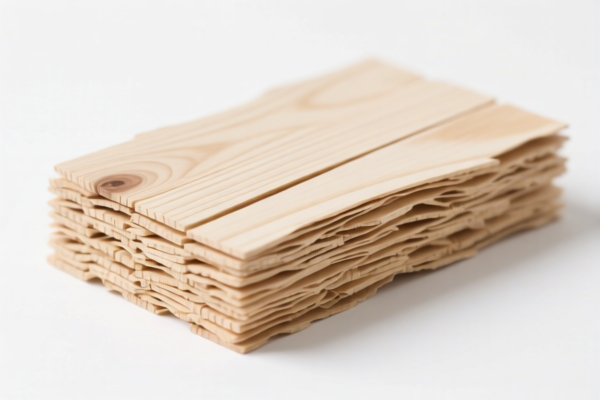
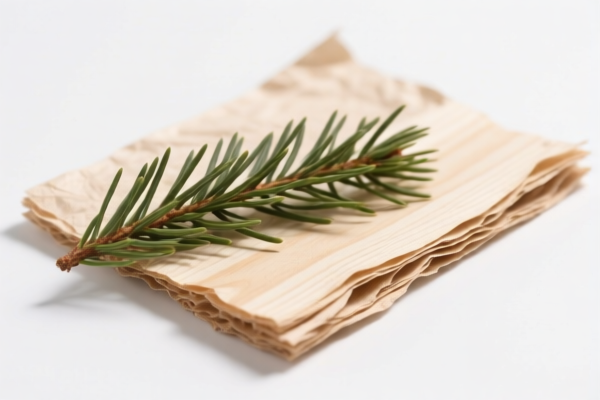
AI分析
🌲 Unbleached Non-Coniferous Wood Pulp (Chemical & Mechanical)
🌐 HS Code Reference & Customs Clearance Guide | 2026 Latest Tariff Analysis | Professional Clearance Strategy
📌 I. Product Definition & Classification: What Exactly is "Unbleached Non-Coniferous Wood Pulp"?
Unbleached Non-Coniferous Wood Pulp refers to wood fibers derived from broadleaf trees (deciduous trees like eucalyptus, birch, poplar, etc.), processed using either chemical or mechanical methods, and not subjected to bleaching processes that increase whitenness. In international trade, this raw material is critical for papermaking, tissue production, and packaging materials.
The classification depends heavily on the manufacturing process: - Chemical Pulp: Lignin is removed via chemical cooking (e.g., sulfate/kraft process). Resulting fibers are strong and long. - Mechanical Pulp: Wood is ground or refined mechanically, retaining most lignin. Resulting fibers are shorter and less durable but have higher yield.
⚠️ Key Distinction Point:
- If the pulp is produced via chemical processes (sulfate, sulfite, etc.) and is unbleached → It falls under Chapter 47, Heading 4703.
- If the pulp is produced via mechanical processes (grinding, refiner) → It falls under Chapter 47, Heading 4701.
- If it is a mixture or specific chemical derivative (like sulfate pulp) that doesn't fit standard unbleached chemical definitions strictly → It may fall under Heading 4706 (Other mechanical pulp; chemi-mechanical pulp).
📦 II. HS Code Classification Details (2026 Latest Tariff Authoritative Comparison)
Based on the provided <DATA>, here are the specific HS Codes and their corresponding tax implications for Unbleached Non-Coniferous Wood Pulp.
| HS Code | Product Description | Manufacturing Process | Material Attribute |
|---|---|---|---|
4703.11.00.00 |
Unbleached Wood Pulp (Chemical) | Chemical Process | Chemical Pulp, Unbleached |
4703.19.00.00 |
Unbleached Non-Coniferous Wood Pulp | Chemical Process | Chemical Pulp, Unbleached, Non-Coniferous |
4705.00.00.00 |
Unbleached Wood Pulp (Mixed/Other) | Mechanical & Chemical | Mixed/Other Process, Unbleached |
4701.00.00.00 |
Unbleached Wood Pulp (Mechanical) | Mechanical Process | Mechanical Pulp |
4706.92.01.00 |
Sulfate Wood Pulp (Unbleached) | Chemical Process (Sulfate) | Chemical Pulp (Sulfate/Kraft) |
🔍 Important Note:
- All listed HS Codes above share the same total tariff rate of 35% due to the specific trade policies applied to these goods from China to the US.
- The distinction between4703(Chemical) and4701(Mechanical) is crucial for accurate customs declaration, even if the final tax burden is identical in this specific scenario. Misclassification can lead to audits or delays.
💰 III. 2026 Latest Tariff Rate Details (Including Surtaxes & Policy Add-ons)
✅ Applicable Country: United States (US)
✅ Origin: China (CN)
✅ Effective Date: 2025 onwards (Subject to ongoing 122 Clauses and Section 301 tariffs)
🎯 1. General Tax Structure for All Listed HS Codes
For all the HS codes provided in the <DATA>, the tax structure is uniform:
| Item | Content |
|---|---|
| Base Tariff Rate | 0.0% (Ad Valorem) |
| Section 301 Surcharge | +25.0% (Additional Duty) |
| Section 122 Surcharge | +10.0% (Additional Duty) |
| Total Effective Tax Rate | 35.0% |
| Tax Calculation | CIF Value × 35% |
| De Minimis Eligibility | ❌ Not Eligible (Denied de minimis for these HS codes) |
📌 Explanation:
- "Base Tariff 0.0%": The standard Most Favored Nation (MFN) duty rate for wood pulp is often 0% or low, but this is irrelevant due to surcharges.
- "Section 301 Surcharge 25%": Imposed under the U.S. Trade Act of 1974, Section 301, targeting Chinese goods.
- "Section 122 Surcharge 10%": Refers to specific administrative trade measures or legacy clauses (often cited as "122 Clause" in internal trade systems) that add an additional 10% burden.
- Total 35%: This is a high-cost entry barrier. Importers must factor this into their landed cost calculations immediately.
🛠️ IV. Customs Clearance Practical Advice (Pitfall Avoidance Guide)
✅ 1. Documentation Checklist (Non-negotiable)
| Document | Required | Explanation |
|---|---|---|
| ✅ Product Specification Sheet | ✔️ | Must specify: Source wood (e.g., Eucalyptus, Birch), Process (Chemical/Mechanical), Bleaching status (Unbleached), Kappa number, Viscosity (if applicable). |
| ✅ Certificate of Origin (CO) | ✔️ | Must clearly state origin as China to confirm applicability of Section 301/122 duties. |
| ✅ Bill of Lading / Air Waybill | ✔️ | Ensure weight and quantity match invoice exactly. |
| ✅ Commercial Invoice | ✔️ | Clearly describe goods as "Unbleached Non-Coniferous Wood Pulp" and list HS Code. Avoid vague terms like "Wood Fiber." |
| ✅ Phytosanitary Certificate | ✔️ | Required for wood products to prove freedom from pests and diseases. |
| ✅ Laboratory Report | ✔️ | Optional but recommended: Proof of chemical vs. mechanical process (e.g., lignin content analysis) to support HS Code selection. |
✅ 2. Declaration Tips (Critical Keywords)
🔥 "Process Defines Code, Origin Defines Tax, Bleaching Defines Sub-heading!"
| Scenario | Correct Declaration | Incorrect Practice |
|---|---|---|
| Chemical Pulp (Non-Coniferous, Unbleached) | 4703.19.00.00 or 4703.11.00.00 |
Declaring as "Paper" (wrong chapter) |
| Mechanical Pulp (Unbleached) | 4701.00.00.00 |
Declaring as "Chemical Pulp" → Risk of audit |
| Sulfate/Kraft Pulp (Unbleached) | 4706.92.01.00 |
Vague description "Wood Pulp" → Delays |
| Mixed/Other Unbleached Pulp | 4705.00.00.00 |
Not specifying process → 100% Duty assessment risk |
⚠️ Warning:
- If you declare4703(Chemical) but the goods are actually Mechanical (4701), customs may reclassify and assess penalties for misdeclaration, even if the rate is currently the same.
- Always use specific product names like "Unbleached Eucalyptus Sulfate Pulp" to align with4706.92.01.00or4703.19.00.00.
✅ 3. Special Cases & Handling
| Case | Handling Advice |
|---|---|
| Baled vs. Loose Pulp | Ensure packaging details match the description. Bales should be wrapped in plastic/straps as per ISPM 15 if wood packaging is used. |
| Mixed Loads | Do not mix Chemical and Mechanical pulp in one shipment unless declared separately. Mixed HS Codes complicate clearance. |
| Re-export from 3rd Country | If shipped from Vietnam/Malaysia, provide proof of substantial transformation. Otherwise, US Customs may still apply China-origin duties based on the actual origin. |
| Quality Disputes | If lignin content is higher than expected, the pulp might be reclassified as "Mechanical" (4701) instead of "Chemical" (4703). Keep lab reports handy. |
🌍 V. Global Market Comparison (2026 Latest)
| Country/Region | Recommended HS Code | Tariff Rate (China Origin) | Certification | Note |
|---|---|---|---|---|
| 🇺🇸 USA | 4703.19.00.00 / 4701.00.00.00 |
35% (Base 0% + 25% Sec 301 + 10% Sec 122) | Phytosanitary + CO | High tariff burden. No de minimis. |
| 🇨🇳 China | 4703.19.00.00 |
0% | N/A | Domestic trade or import from ASEAN may have different rates. |
| 🇪🇺 EU | 4703 / 4701 |
0% (if no anti-dumping) | FSC/PEFC Optional | EU has different trade disputes, but generally lower direct tariffs on raw pulp. |
| 🇯🇵 Japan | 4703 / 4701 |
0% | ISPM 15 | Free trade agreement benefits may apply. |
📌 Conclusion:
- The US market is the most expensive due to the cumulative 35% tariff.
- No exemptions are available for these specific HS codes under de minimis rules.
- Compliance is key: Proper documentation of the "Unbleached" and "Non-Coniferous" status is vital to avoid disputes over chemical vs. mechanical classification.
📌 VI. Common Errors & Pitfall Guide (Lessons Learned)
❌ Error 1: Declaring "Wood Pulp" generically without specifying "Unbleached" or "Non-Coniferous"
👉 Consequence: Customs may apply a default higher duty rate or hold the shipment for detailed examination.
❌ Error 2: Confusing "Chemical" with "Sulfate" Pulp
👉 Consequence: Misusing 4703 vs 4706 can lead to documentation discrepancies. While tax is the same now, future policy changes may differentiate them.
❌ Error 3: Ignoring the "Section 122 Clause"
👉 Consequence: Calculating tax as only 25% (Section 301) leads to underpayment and potential penalties + interest.
❌ Error 4: Mixing Mechanical and Chemical Pulp in One Container
👉 Consequence: Complex clearance, potential reclassification of the entire load if not properly separated and declared.
✅ Correct Approach:
"Unbleached Eucalyptus Sulfate Pulp, Baled, 50kg/bag, FSC Certified, Origin: China, HS Code: 4706.92.01.00"
🎯 VII. Conclusion: Professional Declaration Saves Money and Time!
🎯 Remember the Golden Rule:
🔹 "Process First: Chemical vs. Mechanical!"
🔹 "Tax is 35%: Don't Forget Section 122!"
🔹 "Documents Matter: Phytosanitary + CO are Mandatory!"
📌 Pro Tip:
- Given the 35% total tariff, consider supply chain diversification (e.g., sourcing from Brazil or Canada where Section 301 may not apply) if volume is high.
- Apply for an Advance Ruling from US Customs and Border Protection (CBP) if your product is on the borderline between Chemical and Mechanical pulp. This provides legal certainty and protects against future audits.
📣 Immediate Action:
📞 Consult a Customs Broker + Provide Technical Specs + Verify CO
🚀 Ensure Smooth Clearance, Avoid Delays, and Protect Your Margins!
✨ Professional Customs Clearance Starts with Accurate Classification!
💼 Every Percent Counts in Global Trade!
用户评价
关于 HS 编码归类
协调制度(HS)是由世界海关组织(WCO)制定的国际贸易商品分类标准。全球 200 多个国家采用 HS 系统作为海关关税、贸易统计和进出口监管的基础。
每个 HS 编码遵循以下层级结构:
- 章(2 位)——商品大类(例如:第 84 章:机器和机械设备)
- 品目(4 位)——章内的更具体分类
- 子目(6 位)——国际通用细分,所有 WCO 成员国统一使用
- 本国细分(8-10 位)——各国自行扩展的细分编码,如美国 HTSUS 10 位编码
正确的 HS 编码归类对于顺利通关、准确缴纳关税和遵守贸易法规至关重要。错误归类可能导致海关延误、多缴关税或罚款。
从CN进口到US时,适用的关税税率可能包括:
- 最惠国(MFN)税率——适用于 WTO 成员国的标准关税税率
- 普通税率——适用于无贸易协定国家
- 贸易救济关税——附加关税,如 301 条款(反倾销)、232 条款(国家安全)或反补贴税
本页内容仅供参考。如需正式归类,请咨询当地海关或持牌报关代理。