Unbleached Nonconiferous Woodpulp
CN → US| HS编码 | 关税税率 | 原产国 | 目的国 | 文档 |
|---|---|---|---|---|
| 4703190000 | 35.0% | CN | US | 官方文档 |
| 4703290020 | 35.0% | CN | US | 官方文档 |
商品图片
AI分析
🌲 Unbleached Nonconiferous Chemical Woodpulp (Soda/Sulfate)
🌐 HS Code Reference & Customs Clearance Guide | 2026 Latest Tariff Analysis | Professional Entry Strategy
📌 I. Product Definition & Classification: What Exactly is "Nonconiferous Woodpulp"?
Chemical woodpulp is the raw material for paper, cardboard, and specialty fibers. In international trade, it is strictly categorized by manufacturing process (chemical vs. mechanical) and bleaching status (unbleached vs. bleached).
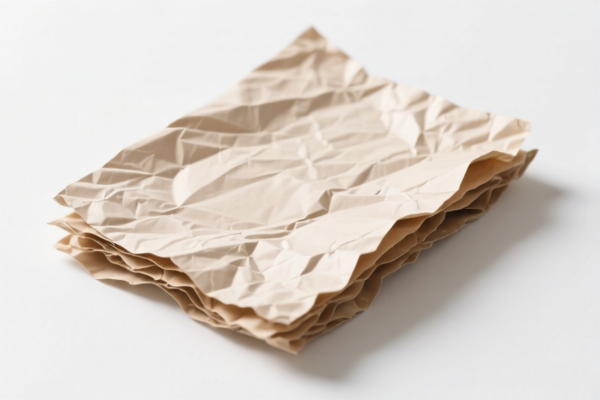
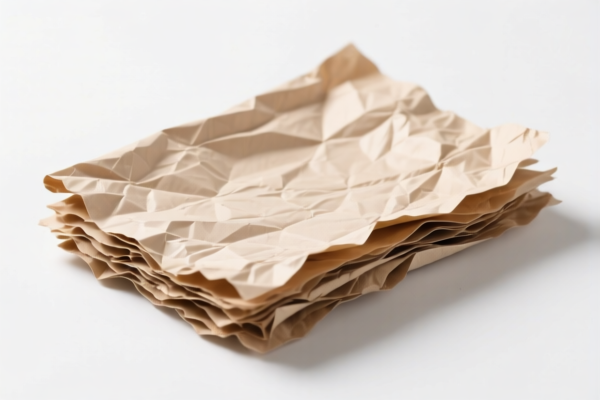
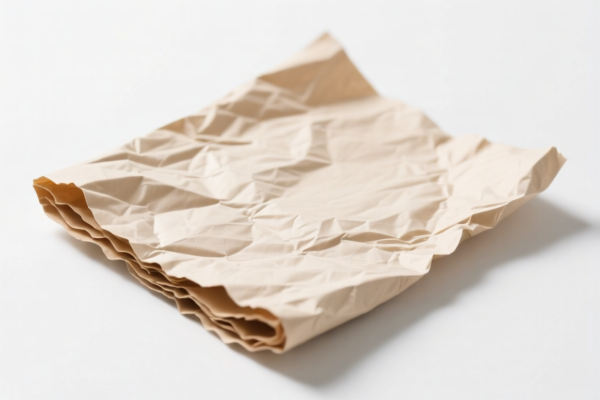
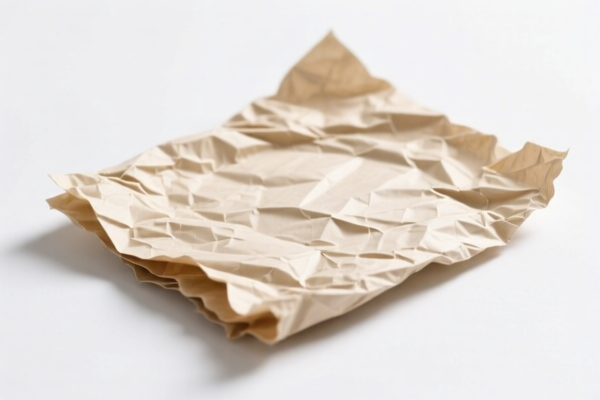
Key Distinction for Your Product: * Source: Nonconiferous (Hardwood). Common sources include Eucalyptus, Birch, Poplar, Acacia, and Bamboo. This is different from Coniferous (Softwood) pulp like Pine or Spruce. * Process: Chemical (Soda or Sulfate/Kraft). The lignin is dissolved out, leaving cellulose fibers. This is distinct from Mechanical pulp (groundwood) or Dissolving pulp (high alpha-cellulose). * Status: Unbleached. The pulp retains its natural lignin color (brown/tan) and has not undergone bleaching processes.
⚠️ Critical Classification Point:
- If the pulp is Bleached, it falls under HS Code 4703.29.
- If the pulp is Semi-bleached, it falls under HS Code 4703.29.
- If the pulp is Unbleached, it falls under HS Code 4703.19.
- Dissolving Pulp is explicitly excluded from these codes and falls under Chapter 47, Section XI.
📦 II. HS Code Classification Details (2026 Latest Tariff Authority Comparison)
Based on the provided data, here are the relevant HS Codes for Chemical Woodpulp (Soda or Sulfate), Non-dissolving grades.
| HS Code | Product Description | Applicable Scenario | Bleaching Status | Coniferous? |
|---|---|---|---|---|
4703.19.00.00 |
Chemical woodpulp, soda or sulfate, other than dissolving grades: Unbleached: Nonconiferous | Brown Kraft or Soda pulp from hardwoods (Eucalyptus, Birch, etc.) used for newsprint, cardboard, or tissue base | ✅ Unbleached | ❌ No (Hardwood) |
4703.29.00.20 |
Chemical woodpulp, soda or sulfate, other than dissolving grades: Semibleached or bleached: Nonconiferous Semibleached | Semi-bleached hardwood pulp, partially refined for specific paper grades | ✅ Semi-bleached | ❌ No (Hardwood) |
🔍 Important Note:
- The input specifically requested "Unbleached Nonconiferous Woodpulp".
- Therefore, the primary and correct classification is4703.19.00.00.
- The code4703.29.00.20is included in the data for Semibleached pulp, which does NOT match the "Unbleached" description in your query. Use4703.19.00.00for your specific product.
💰 III. 2026 Latest Tariff Rate Detailed Explanation (Including Surcharges & Policy Additions)
✅ Applicable Country: United States (US)
✅ Origin: China (CN)
✅ Effective Date: 2025+ (Current Trade Regime)
🎯 1. 4703.19.00.00 —— Unbleached Nonconiferous Chemical Woodpulp
| Item | Content |
|---|---|
| Base Tariff Rate | 0% (ad valorem) |
| Section 301 Surtax | +25.0% (Additional tariff under USITC Footnote 9903.47.01) |
| IEEPA Additional Tariff | N/A (Not applicable for this specific chemical pulp code in current data) |
| Total Tax Rate | 25.0% |
| Tax Calculation | CIF Value × 25.0% |
| De Minimis Eligibility | ❌ No (High-value industrial raw material) |
| Legal Basis Path | HTSUS:4703.19.00.00 → USITC:Footnote 9903.47.01 |
📌 Explanation:
- The base duty for most woodpulp is 0% under normal MFN treatment.
- However, due to Section 301 Trade Actions, an additional 25% tariff is applied to chemical woodpulp from China.
- Total Cost Impact: For every $100,000 of pulp imported, you pay $25,000 in additional tariffs on top of shipping and insurance.
🎯 2. 4703.29.00.20 —— Nonconiferous Semibleached Chemical Woodpulp (Reference Only)
| Item | Content |
|---|---|
| Base Tariff Rate | 0% |
| Section 301 Surtax | +25.0% |
| Total Tax Rate | 25.0% |
| Note | This code applies to Semibleached pulp. If your product is Unbleached, do NOT use this code. |
📌 Warning:
- Misclassifying Unbleached pulp as Semibleached (or vice versa) is a common customs error.
- Unbleached = Brown, high lignin content.
- Semibleached = Lighter brown/tan, partially delignified.
- Ensure your product spec sheet clearly states "Unbleached" to justify 4703.19.00.00.
🛠️ IV. Customs Clearance Practical Advice (Real-World Pitfall Guide)
✅ 1. Required Documentation Checklist (Essential)
| Document | Must Provide? | Explanation |
|---|---|---|
| ✅ Product Specification Sheet | ✔️ | Must clearly state: Chemical Process, Soda/Sulfate Method, Unbleached, Nonconiferous Source (e.g., Eucalyptus). |
| ✅ Commercial Invoice | ✔️ | Must match HS Code description exactly. Avoid vague terms like "Paper Raw Material." Use "Chemical Woodpulp, Unbleached, Nonconiferous." |
| ✅ Packing List | ✔️ | Detail weight, bale count, and packaging type (e.g., wrapped bales). |
| ✅ Certificate of Origin (CO) | ✔️ | Essential to prove Chinese origin for 301 tariff calculation. |
| ✅ MSDS / Safety Data Sheet | ✔️ | Although not highly hazardous, pulp dust can be flammable. Some ports require MSDS for bulk cargo. |
| ✅ Phytosanitary Certificate | ✔️ | Required to prove freedom from pests, diseases, and wood debris (ISPM 15 compliance if wooden pallets are used). |
✅ 2. Declaration Tips (Key Mnemonics)
🔥 "Bleached vs. Unbleached is the Key; Nonconiferous Source Defines the Code!"
| Scenario | Correct HS Code | Incorrect Code | Risk |
|---|---|---|---|
| Unbleached Hardwood Pulp (Eucalyptus, etc.) | 4703.19.00.00 |
4703.29.00.20 |
Misclassification penalty + Back taxes |
| Semi-bleached Hardwood Pulp | 4703.29.00.20 |
4703.19.00.00 |
Overpayment/Underpayment confusion |
| Softwood Pulp (Pine/Spruce) | 4703.11.00.00 (Coniferous) |
4703.19.00.00 |
Wrong tax rate application |
| Dissolving Pulp | Chapter 47 (Other) | 4703.19.00.00 |
High Penalty – Dissolving pulp is excluded |
✅ 3. Special Circumstances Handling
| Situation | Handling Advice |
|---|---|
| Mixed Bales | If bales contain mixed coniferous/nonconiferous pulp, customs may assess based on the majority component or require splitting. Clearly label each bale type. |
| Bamboo Pulp | Bamboo is often classified as Nonconiferous. Ensure it is processed via Chemical method. If Mechanical, it falls under 4706. |
| Reconstituted Pulp | If pulp is re-slurried and re-formed, ensure it retains its chemical identity. |
| Transshipment | If transshipped through a third country, ensure the Certificate of Origin clearly states China as the country of production to avoid tariff evasion claims. |
🌍 V. Global Market Comparison (2026 Latest)
| Country/Region | Recommended HS Code | Tariff Rate (China Origin) | Certification Requirements | Remarks |
|---|---|---|---|---|
| 🇺🇸 USA | 4703.19.00.00 |
25% (301 Tariff) | ISPM 15, MSDS | High tariff impact; plan supply chain accordingly |
| 🇨🇳 China | 4703.19.00.00 |
0% | N/A | Zero duty for domestic trade |
| 🇪🇺 EU | 4703.19.00.00 |
0% (Most Likely) | REACH, FSC/PEFC (if certified) | Check specific EU duty concessions |
| 🇬🇧 UK | 4703.19.00.00 |
0% | N/A | Post-Brexit tariff schedule may vary slightly |
| 🇯🇵 Japan | 4703.19.00.00 |
0% | JIS Standards | Low tariffs for raw materials |
📌 Conclusion:
- The US imposes a significant 25% additional tariff on this product from China.
- Non-US markets (EU, Japan, etc.) generally have 0% or low tariffs for chemical woodpulp.
- Consider diversifying sourcing or pricing strategies to absorb the 25% cost if exporting to the US.
📌 VI. Common Errors & Pitfall Guide (Blood & Tears Lessons)
❌ Error 1: Classifying Unbleached pulp as Semibleached (4703.29.00.20)
👉 Consequence: Incorrect tariff application, customs hold, potential fines.
👉 Fix: Confirm bleaching status with mill test reports.
❌ Error 2: Confusing Nonconiferous (Hardwood) with Coniferous (Softwood)
👉 Consequence: Wrong HS Code (4703.11 vs 4703.19). While tax rates may be similar, misdeclaration is a compliance violation.
👉 Fix: Identify wood source (Eucalyptus = Nonconiferous; Pine = Coniferous).
❌ Error 3: Ignoring Dissolving Pulp exclusion
👉 Consequence: Dissolving pulp has different tariff lines and regulatory requirements.
👉 Fix: Check alpha-cellulose content. If >80% and intended for rayon/cellulose derivatives, it is not 4703.19.00.00.
❌ Error 4: Inaccurate Packaging Description
👉 Consequence: Customs may question weight discrepancies or pest risks.
👉 Fix: Specify "Wrapped Steel-Banded Bales, No Wood Packaging" if applicable.
✅ Correct Declaration Example:
"CHEMICAL WOODPULP, SULFATE METHOD, UNBLEACHED, NONCONIFEROUS (EUCALYPTUS), IN WRAPPED BALES, FOR PAPER PRODUCTION"
🎯 VII. Conclusion: Precision in Classification Saves Money!
🎯 Remember the Mnemonic:
🔹 "Unbleached, Nonconiferous = 4703.19.00.00"
🔹 "Bleached/Semi = 4703.29.00.20"
🔹 "US Tariff = 25% Extra Cost"
🔹 "Hardwood Source = Nonconiferous"
📌 Pro Tip:
- Pre-clearance: Submit your product specification and mill test report to your customs broker before shipment.
- Tariff Engineering: If possible, evaluate if Semi-bleached pulp offers a better market price offset for the 25% tariff, though both codes carry the same 25% surcharge in the current data.
- Audit Trail: Keep all mill certificates and wood species declarations for at least 5 years for customs audits.
📣 Immediate Action:
📞 Contact your customs broker with the mill spec sheet.
📄 Declare exactly: "Chemical Woodpulp, Soda/Sulfate, Unbleached, Nonconiferous."
🚀 Avoid delays: Ensure phytosanitary compliance to prevent port quarantine holds.
✨ Professional Customs Clearance Starts with Accurate Classification!
💼 Every percentage point of tariff impacts your bottom line—classify correctly!
用户评价
关于 HS 编码归类
协调制度(HS)是由世界海关组织(WCO)制定的国际贸易商品分类标准。全球 200 多个国家采用 HS 系统作为海关关税、贸易统计和进出口监管的基础。
每个 HS 编码遵循以下层级结构:
- 章(2 位)——商品大类(例如:第 84 章:机器和机械设备)
- 品目(4 位)——章内的更具体分类
- 子目(6 位)——国际通用细分,所有 WCO 成员国统一使用
- 本国细分(8-10 位)——各国自行扩展的细分编码,如美国 HTSUS 10 位编码
正确的 HS 编码归类对于顺利通关、准确缴纳关税和遵守贸易法规至关重要。错误归类可能导致海关延误、多缴关税或罚款。
从CN进口到US时,适用的关税税率可能包括:
- 最惠国(MFN)税率——适用于 WTO 成员国的标准关税税率
- 普通税率——适用于无贸易协定国家
- 贸易救济关税——附加关税,如 301 条款(反倾销)、232 条款(国家安全)或反补贴税
本页内容仅供参考。如需正式归类,请咨询当地海关或持牌报关代理。