Undyed Mink Skins (Unassembled)
CN → US| HS编码 | 关税税率 | 原产国 | 目的国 | 文档 |
|---|---|---|---|---|
| 4301100020 | 17.5% | CN | US | 官方文档 |
| 4103901190 | 17.5% | CN | US | 官方文档 |
| 4302110010 | 37.1% | CN | US | 官方文档 |
| 4302110020 | 37.1% | CN | US | 官方文档 |
| 4301100010 | 17.5% | CN | US | 官方文档 |
商品图片
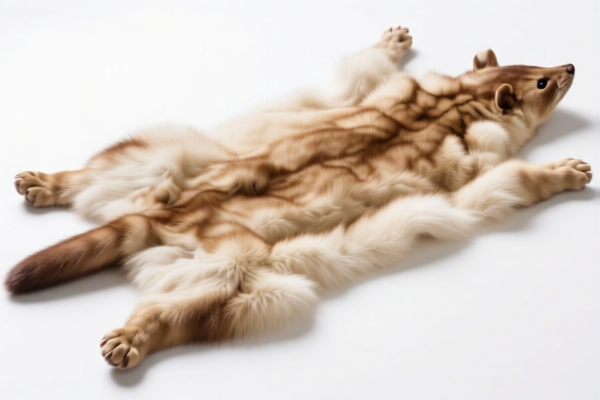
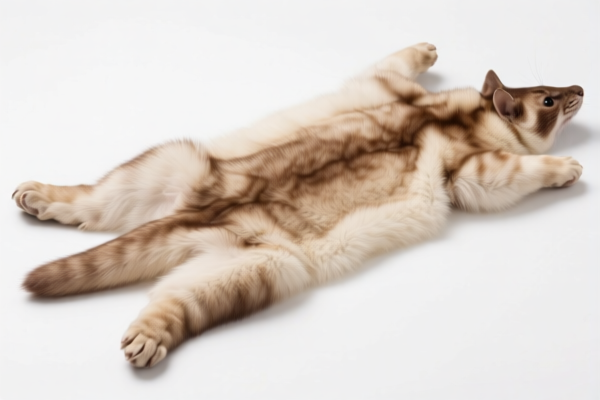
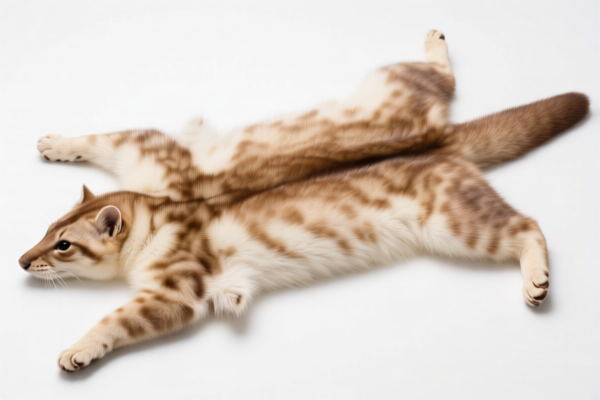
AI分析
🐾 Undyed Mink Skins (Unassembled) | The "Grey Area" of Fur Trade
🌐 HS Code Reference & Customs Clearance Guide | 2026 Latest Tariff Analysis | Strategic Classification Strategy
📌 I. Product Definition: What Exactly Are "Undyed Mink Skins"?
Undyed Mink Skins are raw animal pelts sourced from minks, characterized by their natural, uncolored state and unassembled form. In international trade, the classification hinges on two critical factors: 1. Processing State: Are they "raw" (life skins) or "prepared" (tanned/dressed)? 2. Assembly Status: Are they single pieces, sewn into garments, or assembled into mats?
⚠️ Critical Distinction:
- "Raw" (生皮): Skins that have been salted or dried but NOT tanned. These fall under Chapter 41 (Animal Skins).
- "Prepared/Unassembled" (未组装皮张): Skins that have undergone tanning/dressing but are NOT sewn into garments or large assemblies. These fall under Chapter 43 (Fur).
- "Undyed": The color is natural; no chemical dyeing has occurred.
📦 II. HS Code Classification Details (2026 Latest Tariff Authority Comparison)
Based on the provided data, the classification splits between Chapter 41 (Raw Skins) and Chapter 43 (Fur Skins). The total tax burden varies significantly depending on the specific HS Code selected.
| HS Code | Product Description | Applicable Scenario | Taxation Level |
|---|---|---|---|
4301.10.00.10 |
Undyed, unassembled mink skins, conforming to raw skin morphology & undyed characteristics | Tanned but unassembled; natural color | 17.5% |
4103.90.20.00 |
Undyed mink skins classified as untanned raw skins (Other raw skins, catch-all) | Salted/dried, NOT tanned; raw biological material | 20.8% |
4301.10.00.20 |
Undyed, unassembled mink skins, natural fur characteristics, other source categories | Tanned, unassembled, specific fur trade category | 17.5% |
4103.90.11.90 |
Undyed mink skins as untanned raw skins, other raw skin classification | Salted/dried, NOT tanned; general raw skin | 17.5% |
4302.11.00.10 |
Unassembled mink skins, conforming to material & definition of dressed single skins | Tanned/Dressed, unassembled, higher processing value | 37.1% |
🔍 Key Insight:
- Chapter 41 (4103...) applies if the skins are raw (untanned).
- Chapter 43 (4301.../4302...) applies if the skins are tanned or dressed.
- "Unassembled" means not yet sewn into garments or large mats.
💰 III. 2026 Latest Tariff Rate Breakdown (Including Additional Taxes)
✅ Applicable Country: United States (US)
✅ Origin: China (CN)
✅ Effective Date: 2025-11-10 onwards (and subsequent imports)
🎯 1. 4301.10.00.10 & 4301.10.00.20 —— Undyed, Unassembled Mink Skins (Tanned/Fur Category)
| Item | Detail |
|---|---|
| Base Tariff | 0.0% (Ad Valorem) |
| Section 301 (Additional Tariff) | +7.5% |
| Section 122 Tariff | +10% |
| Total Tax Rate | 17.5% |
| Tax Calculation | CIF Value × 17.5% |
| De Minimis Eligibility | ❌ No (High-risk for Section 122) |
| Legal Basis Path | HTS:4301.10.00.10 → Section 301: 7.5% → Section 122: 10% |
📌 Explanation:
- Base 0%: Standard MFN rate for prepared mink skins is often low or zero.
- Section 301 (7.5%): Additional tariff on Chinese imports for certain fur products.
- Section 122 (10%): Specific additional tariff on furskins and articles thereof from China.
- Total 17.5%: A moderate-to-high tariff, but significantly lower than dressed skins.
🎯 2. 4103.90.20.00 & 4103.90.11.90 —— Raw Mink Skins (Untanned, Chapter 41)
| Item | Detail |
|---|---|
| Base Tariff | 3.3% (for 4103.90.20.00) / 0.0% (for 4103.90.11.90) |
| Section 301 (Additional Tariff) | +7.5% |
| Section 122 Tariff | +10% |
| Total Tax Rate | 20.8% (for 4103.90.20.00) / 17.5% (for 4103.90.11.90) |
| Tax Calculation | CIF Value × Rate |
| De Minimis Eligibility | ❌ No |
| Legal Basis Path | HTS:4103... → Section 301: 7.5% → Section 122: 10% |
📌 Note:
- Even if classified as "raw," Section 122 still applies to furskins.
-4103.90.11.90offers a lower base rate (0%) than4103.90.20.00(3.3%), but both incur the same additional tariffs.
🎯 3. 4302.11.00.10 —— Dressed, Unassembled Mink Skins (High-Value Fur)
| Item | Detail |
|---|---|
| Base Tariff | 2.1% |
| Section 301 (Additional Tariff) | +25.0% (Note: Data specifies 25.0% here vs 7.5% above) |
| Section 122 Tariff | +10% |
| Total Tax Rate | 37.1% |
| Tax Calculation | CIF Value × 37.1% |
| De Minimis Eligibility | ❌ No |
| Legal Basis Path | HTS:4302.11.00.10 → Section 301: 25.0% → Section 122: 10% |
📌 Warning:
- This HS Code incurs a much higher Section 301 tariff (25%) compared to other mink skin codes.
- Total tax of 37.1% is nearly double that of4301.10.00.10.
- Why?4302typically refers to "dressed" skins (higher processing), which may be subject to stricter trade restrictions or different tariff lines under Section 301.
🛠️ IV. Customs Clearance Practical Advice (Battle-Tested Pitfall Guide)
✅ 1. Required Documentation Checklist (Non-Negotiable)
| Document | Required? | Explanation |
|---|---|---|
| ✅ Product Specification Sheet | ✔️ | Must state: "Undyed," "Unassembled," "Mink," "Tanned" or "Raw." |
| ✅ Photos of Skins | ✔️ | Show natural color, no stitching, no garments. |
| ✅ Commercial Invoice | ✔️ | Clearly describe as "Undyed Mink Skins, Unassembled." |
| ✅ Packing List | ✔️ | Detail weight, count, and dimensions. |
| ✅ Certificate of Origin | ✔️ | Crucial for determining Section 122 applicability. |
| ✅ Tanning/Dressing Certificate | ✔️ | Critical: Proves whether skins are "Raw" (Ch 41) or "Dressed" (Ch 43). |
✅ 2. Declaration Tips (Key Mnemonics)
🔥 "Color True, No Sewing, Tanned vs. Raw – Choose Wisely!"
| Scenario | Correct Declaration | Incorrect Practice |
|---|---|---|
| Skins are natural color, not dyed | Use "Undyed" | Use "White" or "Black" → Misleading |
| Skins are not sewn together | Use "Unassembled" | Use "Raw" if tanned → Wrong Chapter |
| Skins are tanned | Use Chapter 43 (4301/4302) |
Use Chapter 41 (4103) → Penalty |
| Skins are salted/dried only | Use Chapter 41 (4103) |
Use Chapter 43 → Overpayment of Tariff |
| Highly processed/dressed | Use 4302.11.00.10 |
Use 4301.10.00.10 → Risk of 25% Section 301 |
✅ 3. Special Case Handling
| Situation | Handling Advice |
|---|---|
| Raw vs. Tanned Ambiguity | Provide Tanning Certificate. If tanned, use Ch 43; if not, use Ch 41. |
| "Undyed" Claim | Ensure skins are indeed natural. If dyed black/white, description must reflect actual color. |
| Section 122 Impact | All furskins from China are subject to Section 122 (10%). No exemptions for undyed status. |
| Section 301 Variance | 4301 (17.5% total) vs. 4302 (37.1% total). Accurate processing description is vital to save 20%+. |
🌍 V. Global Market Clearance Comparison (2026 Latest)
| Country/Region | Recommended HS Code | Tariff Rate | Certification | Notes |
|---|---|---|---|---|
| 🇺🇸 USA | 4301.10.00.10 |
17.5% | CITES (if applicable) | Section 122 (10%) + Section 301 (7.5%) |
| 🇨🇳 China | 4301.10.00.10 |
~10-15% | CITES | Domestic trade rules apply |
| 🇪🇺 EU | 4301.10.00 |
0-4% | CITES | No Section 122 equivalent |
| 🇬🇧 UK | 4301.10.00 |
0-4% | CITES | Post-Brexit rules apply |
| 🇨🇦 Canada | 4301.10.00 |
0% | CITES | No Section 301/122 |
📌 Conclusion:
- USA is the highest-tariff market due to Section 122 and Section 301.
- Chapter 43 (4301) is generally more favorable than4302due to lower Section 301 rates.
- Chapter 41 (4103) may have similar total rates but is riskier if classification is challenged.
📌 VI. Common Errors & Pitfall Guide (Blood Lessons)
❌ Error 1: Classifying tanned skins as raw (4103) to avoid Section 122
👉 Consequence: Customs may reclassify, apply Section 122 + penalties, and delay shipment.
❌ Error 2: Using 4302.11.00.10 for lightly tanned skins
👉 Consequence: Pay 37.1% instead of 17.5%. Loss of 20% profit margin!
❌ Error 3: Claiming "Dyed" when skins are Undyed
👉 Consequence: Misdescription, potential fraud charges, or rejection of "Undyed" tax benefits (if any).
❌ Error 4: Ignoring CITES requirements
👉 Consequence: Even if undyed, mink may require CITES permits. Seizure if missing.
✅ Correct Practice:
"Undyed Mink Skins, Unassembled, Tanned, Natural Color, No Sewing, Model MINK-UNDYED-100"
🎯 VII. Conclusion: Precision Saves Money!
🎯 Remember the Golden Rule:
🔹 "Unassembled + Undyed + Tanned = 4301.10.00.10 (17.5%)"
🔹 "Dressed/Highly Processed = 4302.11.00.10 (37.1%)"
🔹 "Raw/Uncured = 4103 (17.5%-20.8%)"
🔹 "Section 122 (10%) is unavoidable for China-origin furs in the US!"
📌 Pro Tip:
If your mink skins are raw (untanned), use 4103.90.11.90 for the lowest base rate (0%) but ensure you prove they are not tanned. If tanned, 4301.10.00.10 is your best bet for a 17.5% total rate. Avoid 4302.11.00.10 unless necessary, as the 37.1% rate is a profit killer.
📣 Immediate Action:
📞 Consult a licensed customs broker + Provide Tanning Certificate + Verify CITES Status
🚀 Ensure your HS Code matches the actual processing level to save up to 20% in tariffs!
✨ Professional clearance starts with accurate classification!
💼 Your profit margin depends on the last digit of the HS Code!
用户评价
关于 HS 编码归类
协调制度(HS)是由世界海关组织(WCO)制定的国际贸易商品分类标准。全球 200 多个国家采用 HS 系统作为海关关税、贸易统计和进出口监管的基础。
每个 HS 编码遵循以下层级结构:
- 章(2 位)——商品大类(例如:第 84 章:机器和机械设备)
- 品目(4 位)——章内的更具体分类
- 子目(6 位)——国际通用细分,所有 WCO 成员国统一使用
- 本国细分(8-10 位)——各国自行扩展的细分编码,如美国 HTSUS 10 位编码
正确的 HS 编码归类对于顺利通关、准确缴纳关税和遵守贸易法规至关重要。错误归类可能导致海关延误、多缴关税或罚款。
从CN进口到US时,适用的关税税率可能包括:
- 最惠国(MFN)税率——适用于 WTO 成员国的标准关税税率
- 普通税率——适用于无贸易协定国家
- 贸易救济关税——附加关税,如 301 条款(反倾销)、232 条款(国家安全)或反补贴税
本页内容仅供参考。如需正式归类,请咨询当地海关或持牌报关代理。