Universal Animal Coat
CN → US| HS编码 | 关税税率 | 原产国 | 目的国 | 文档 |
|---|---|---|---|---|
| 6114909070 | 15.6% | CN | US | 官方文档 |
| 6114200055 | 28.3% | CN | US | 官方文档 |
| 4201006000 | 37.8% | CN | US | 官方文档 |
| 6214900090 | 28.8% | CN | US | 官方文档 |
| 4201006000 | 37.8% | CN | US | 官方文档 |
商品图片
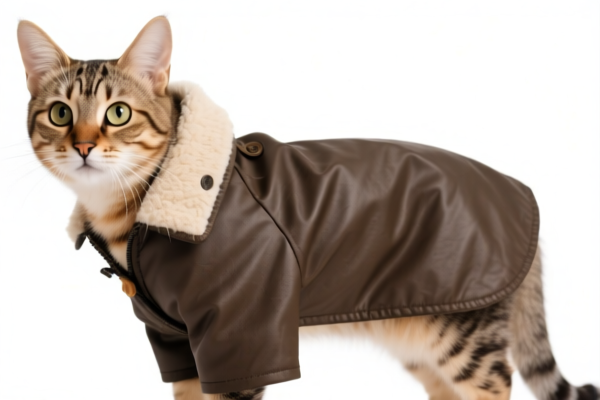
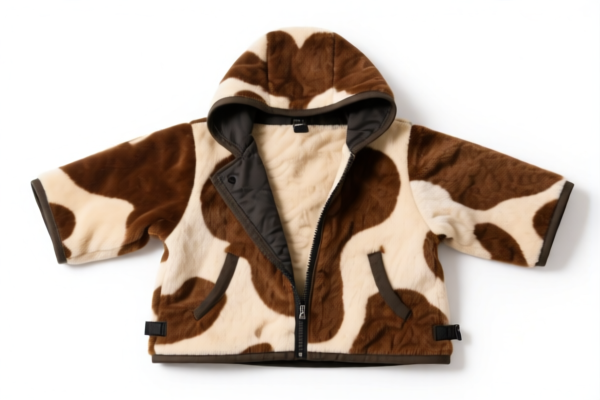
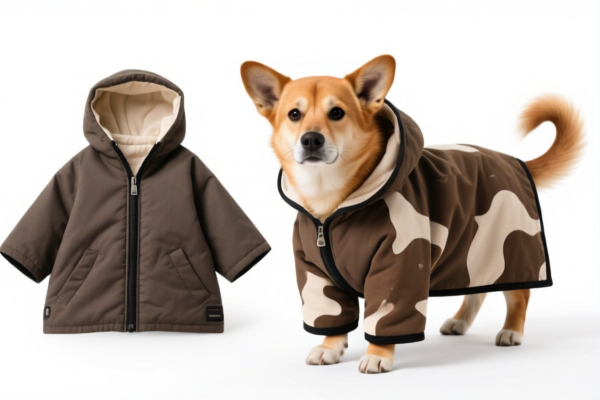
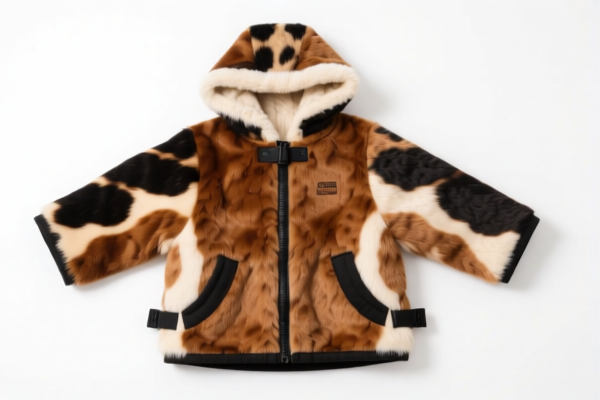
AI分析
🐾 Universal Animal Coat (Pet Apparel / Dog/Jacket Outerwear)
🌐 HS Code Reference & Customs Clearance Guide | 2026 Latest Tariff Analysis | Professional Clearance Strategy
📌 I. Product Definition & Classification: Are You Classifying "Animal Clothing" Correctly?
Universal Animal Coats (often marketed as dog jackets, pet outerwear, or animal coats) are garments designed specifically for animals (typically dogs or cats). In international trade, the classification depends heavily on Material and Intended Use.
There is a critical distinction in customs logic: 1. Textile Garments (HS 6114 / 6214): If the item is made of fabric (knitted/woven) and treated as a "garment for animals," it often falls under general textile categories, BUT many jurisdictions (including the US) have specific rulings for "articles of apparel for animals" which may be classified differently depending on the exact material and construction. 2. Articles of Apparel for Animals (HS 4201): This is the specific category for leather, fur, or textile articles specifically shaped for animals. Note: The provided data suggests some textile items are being routed here due to "animal use" priority, or potentially misclassified in certain logic trees if not carefully defined as "garments" vs "accessories".
⚠️ Key Classification Conflict:
- Textile Garments (6114/6214): Often cheaper duty (5.6%-11.3% base), but subject to "122 Section" (301 tariffs).
- Animal Apparel (4201): Specific duty for animal use, but often subject to higher USITC surcharges (25%) due to broader "Section 301" applicability on leather/fur/textile accessories for animals in some contexts, or specific "122" clauses.
📦 II. HS Code Classification Details (Based on Provided Data)
| HS Code | Product Description | Basis for Classification (from Data) | Total Tax Rate |
|---|---|---|---|
6114.90.90.70 |
Knitted/Woven Garment | "Determined as knitted/woven garment, shape conforms to outerwear, material inferred as textile." | 15.6% |
6114.20.00.55 |
Other Textile Garment (Fallback) | "Non-specific category, fits fallback logic for other categories, no material conflict." | 28.3% |
4201.00.60.00 |
Articles of Apparel for Animals | "Use conforms to animal use, shape conforms to outerwear, material inferred as fabric/synthetic fiber." | 37.8% |
6214.90.00.90 |
Woven Outerwear (Other Textile) | "Belongs to clothing outerwear, no material conflict, fits other textile material scope." | 28.8% |
4201.00.60.00 |
Animal Apparel (Specific) | "Use is animal clothing, shape is outerwear, material is textile, consistent with dog clothes." | 37.8% |
🔍 Key Observation:
- Lowest Duty:6114.90.90.70(15.6%) – Best for knitted animal outerwear.
- Highest Duty:4201.00.60.00(37.8%) – Applies if classified specifically as "Articles of Apparel for Animals" under Chapter 42, often attracting higher surcharges.
- Middle Ground:6214.90.00.90(28.8%) and6114.20.00.55(28.3%) – For woven or other textile materials.
💰 III. 2026 Latest Tariff Rate Breakdown (Including Surcharges & Policy Add-ons)
✅ Applicable Country: United States (US)
✅ Origin: China (CN) (Implied by "122 Section" and typical high-tariff context)
✅ Effective Time: Current tariff structure (Section 301 / 122 Clause)
🎯 1. 6114.90.90.70 —— Knitted/Woven Garment (Best Case for Textiles)
| Item | Content |
|---|---|
| Base Tariff | 5.6% |
| Additional Tariff (301/122) | 0.0% |
| Section 122 Tariff | 10% |
| Total Tariff | 15.6% |
| Tax Calculation | CIF Value × 15.6% |
| De Minimis Eligibility | ❌ No (Section 301 items generally exempt from de minimis) |
| Legal Basis Path | HTS:6114.90.90.70 → Section 122: 10% |
📌 Explanation:
- This code offers the lowest total tax rate (15.6%).
- It avoids the 25% USITC surcharge often applied to other textile/accessory categories.
- Crucial: Must be clearly described as a knitted or woven garment (e.g., "Knitted Dog Sweater") to qualify.
🎯 2. 6114.20.00.55 & 6214.90.00.90 —— Other Textile Garments
| Item | Content |
|---|---|
| Base Tariff | 10.8% - 11.3% |
| Additional Tariff (301) | 7.5% |
| Section 122 Tariff | 10% |
| Total Tariff | 28.3% - 28.8% |
| Tax Calculation | CIF Value × ~28.5% |
| De Minimis Eligibility | ❌ No |
| Legal Basis Path | HTS:6114.20.00.55 / 6214.90.00.90 → Section 301: 7.5% → Section 122: 10% |
📌 Note:
- These codes apply to woven or other textile materials.
- The 7.5% surcharge is likely a partial Section 301 rate, plus the universal 10% Section 122 tariff.
🎯 3. 4201.00.60.00 —— Articles of Apparel for Animals (Highest Risk)
| Item | Content |
|---|---|
| Base Tariff | 2.8% |
| Additional Tariff (301) | 25.0% |
| Section 122 Tariff | 10% |
| Total Tariff | 37.8% |
| Tax Calculation | CIF Value × 37.8% |
| De Minimis Eligibility | ❌ No |
| Legal Basis Path | HTS:4201.00.60.00 → Section 301: 25% → Section 122: 10% |
📌 Critical Warning:
- Although the base tariff is low (2.8%), the 25% USITC surcharge drastically increases the cost.
- This classification is often used for leather/fur animal items, but if the data links it to textile dog clothes, it may be due to misclassification or specific rulings that treat "animal apparel" separately from "human garment" logic.
- Recommendation: Avoid this code for textile dog clothes if a 6114/6214 classification is viable, as 37.8% vs 15.6% is a massive cost difference.
🛠️ IV. Customs Clearance Practical Advice (Avoid Pitfalls)
✅ 1. Documentation Checklist (Must-Haves)
| Document | Required | Note |
|---|---|---|
| ✅ Product Spec Sheet | ✔️ | Detail material (e.g., "100% Polyester Knit"), size, intended animal (dog/cat). |
| ✅ Photos (Clear) | ✔️ | Show front/back, close-up of fabric texture (knitted vs woven), and labeling. |
| ✅ Commercial Invoice | ✔️ | Description: "Knitted Dog Coat, Textile, for Animal Use." Do not just write "Animal Accessory." |
| ✅ Country of Origin | ✔️ | Critical for calculating Section 301/122 tariffs. |
| ✅ Harmonized Tariff Schedule (HTS) Justification | ✔️ | Provide a brief rationale: "Item is a knitted garment for animals, classified as 6114.90.90.70 based on material and form." |
✅ 2. Classification Strategy (Key Tips)
🔥 "Material Defines Duty, Not Just Use!"
| Scenario | Recommended HS Code | Why? |
|---|---|---|
| Knitted Fabric (e.g., fleece, sweater-style) | 6114.90.90.70 |
Lowest Tax (15.6%). Knitted goods often fall under Chapter 61. |
| Woven Fabric (e.g., nylon jacket, raincoat) | 6214.90.00.90 |
Mid Tax (28.8%). Woven goods fall under Chapter 62. |
| Leather/Fur | 4201.00.60.00 |
High Tax (37.8%). If it's real leather, this is mandatory. |
| Mixed Materials | 6114.90.90.70 or 6214.90.00.90 |
Classify based on the principal material by weight. Avoid 4201 unless it's truly animal-specific leather/fur. |
📌 Pro Tip:
- Do NOT classify textile dog clothes as4201unless instructed by customs broker, as the 25% surcharge makes it expensive.
- Use "Knitted" or "Woven" in the description to trigger Chapter 61/62, which may have lower surcharges (10% vs 25%).
✅ 3. Special Circumstances
| Situation | Handling Advice |
|---|---|
| De Minimis (Section 321) | ❌ Not Applicable. Section 301/122 tariffs apply to all China-origin goods, even under $800. |
| OEM/Private Label | Provide brand agreement. Ensure the description matches the actual product (e.g., "Private Label Knitted Dog Coat"). |
| Samples | Still subject to tariffs if classified under Section 301. Mark as "Commercial Sample, Not for Resale" but pay duties. |
| Returns/Re-imports | May qualify for duty relief if documented properly, but initial import will be taxed. |
🌍 V. Global Market Comparison (2026)
| Country/Region | Recommended HS Code | Estimated Duty | Notes |
|---|---|---|---|
| 🇺🇸 USA | 6114.90.90.70 |
15.6% | Avoid 4201 (37.8%). Section 122 adds 10% to most textiles. |
| 🇨🇳 China (Import) | 6114.90.90.70 |
~5-10% | Lower tariffs for textile imports. |
| 🇪🇺 EU | 6114.90.90.70 |
~12% | No Section 122 equivalent, but different VAT rules. |
| 🇨🇦 Canada | 6114.90.90.70 |
~16% | Similar to US but no Section 301. |
📌 Conclusion:
- USA is the most expensive market for textile animal apparel due to Section 301 + Section 122.
- Classification matters!6114(15.6%) is nearly half the cost of4201(37.8%).
📌 VI. Common Mistakes & Pitfalls (Learn from Others)
❌ Mistake 1: Classifying a knitted dog sweater as 4201.00.60.00.
👉 Result: Pay 37.8% instead of 15.6%. Overpaying by 22.2%!
❌ Mistake 2: Describing the item as "Animal Accessory" without specifying material.
👉 Result: Customs may default to higher duty codes or request additional documentation, causing delays.
❌ Mistake 3: Assuming "De Minimis" applies to all shipments.
👉 Result: Section 301/122 tariffs do not apply to de minimis. Even a $50 dog coat will be taxed at 15.6%+.
❌ Mistake 4: Confusing "Woven" vs "Knitted."
👉 Result: Misclassification can lead to audits. Knitted = Chapter 61 (6114), Woven = Chapter 62 (6214).
✅ Correct Practice:
"Knitted Dog Coat, 100% Polyester, Size M, for Canine Use, Model ABC, Labeled 'Made in China'"
🎯 VII. Conclusion: Precision Classification, Maximized Profit!
🎯 Remember the Golden Rule:
🔹 "Knitted Textiles: 6114 (15.6%)
🔹 "Woven Textiles: 6214 (28.8%)
🔹 "Animal Leather/Fur: 4201 (37.8%)"
🔹 "Always specify 'Knitted' or 'Woven' to avoid the 37.8% trap!"
📌 Pro Tip:
- If your product is textile-based, fight to classify it under Chapter 61 or 62 (
6114or6214).- Provide fabric swatches and clear photos showing the knit/weave structure to customs brokers.
- Avoid the word "Leather" unless it is actually leather, as it triggers
4201.
📣 Immediate Action:
📞 Contact your customs broker with product photos and material details.
🚀 Request a Pre-Ruling if shipping large volumes to ensure consistent classification at6114.90.90.70.
💡 Save 22.2% on duties by choosing the correct textile code!
✨ Professional Clearance Starts with Accurate Classification!
💼 Every percentage point saved is pure profit!
用户评价
关于 HS 编码归类
协调制度(HS)是由世界海关组织(WCO)制定的国际贸易商品分类标准。全球 200 多个国家采用 HS 系统作为海关关税、贸易统计和进出口监管的基础。
每个 HS 编码遵循以下层级结构:
- 章(2 位)——商品大类(例如:第 84 章:机器和机械设备)
- 品目(4 位)——章内的更具体分类
- 子目(6 位)——国际通用细分,所有 WCO 成员国统一使用
- 本国细分(8-10 位)——各国自行扩展的细分编码,如美国 HTSUS 10 位编码
正确的 HS 编码归类对于顺利通关、准确缴纳关税和遵守贸易法规至关重要。错误归类可能导致海关延误、多缴关税或罚款。
从CN进口到US时,适用的关税税率可能包括:
- 最惠国(MFN)税率——适用于 WTO 成员国的标准关税税率
- 普通税率——适用于无贸易协定国家
- 贸易救济关税——附加关税,如 301 条款(反倾销)、232 条款(国家安全)或反补贴税
本页内容仅供参考。如需正式归类,请咨询当地海关或持牌报关代理。