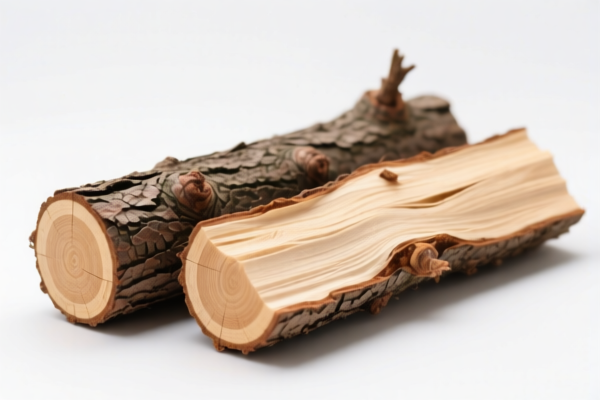
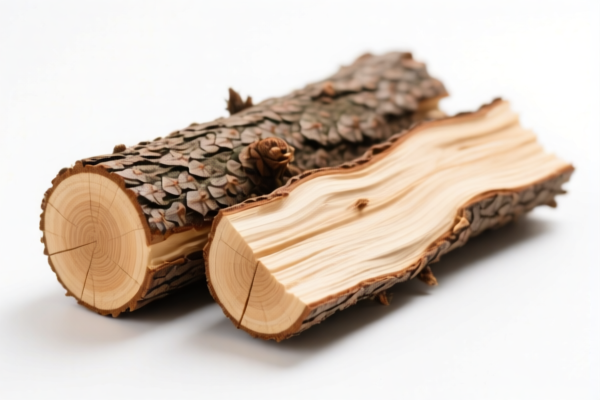
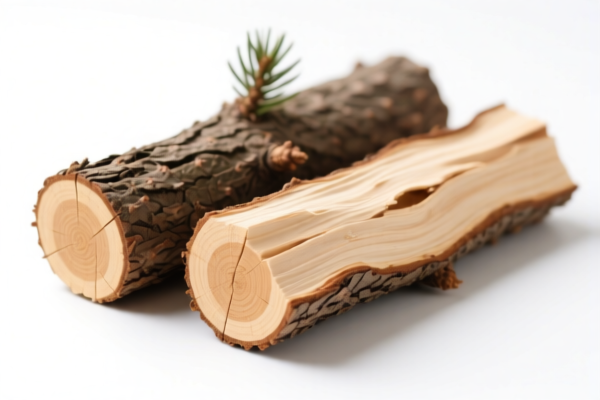
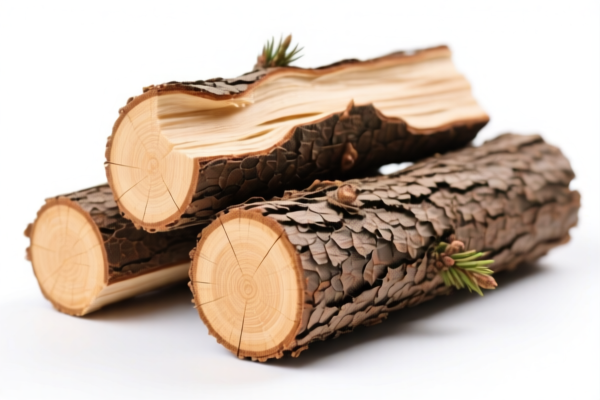
Unpeeled White Poplar Logs
CN → US| HS编码 | 关税税率 | 原产国 | 目的国 | 文档 |
|---|---|---|---|---|
| 4403970022 | 35.0% | CN | US | 官方文档 |
| 4403970067 | 35.0% | CN | US | 官方文档 |
| 4403970067 | 35.0% | CN | US | 官方文档 |
| 4403970022 | 35.0% | CN | US | 官方文档 |
商品图片
AI分析
🌲 White Poplar Logs (Unpeeled/With Bark)
🌐 HS Code Classification & Customs Clearance Guide | 2026 Latest Tariff Analysis | Professional Entry Strategy for US Imports
📌 I. Product Definition & Classification: What Exactly Are "Unpeeled White Poplar Logs"?
White Poplar (Populus alba) logs are a specific type of softwood/conifer-adjacent hardwood timber used primarily for pulp production, plywood manufacturing, and general woodworking. In international trade, the distinction between "peeled" (bark removed) and "unpeeled" (bark intact) is critical for HS Code classification, though for White Poplar, the tax impact remains consistent under current US trade policies.
Key Characteristics: * Material: White Poplar (Populus species). * State: Logs (round wood, whether or not stripped of bark or sapwood, or roughly squared). * Processing: Unpeeled (bark remains on the log).
⚠️ Critical Distinction:
- Unpeeled/With Bark: The natural outer bark is present. This fits the description of "roughly squared" or natural state logs.
- Peeled/Without Bark: The bark has been mechanically or manually removed.
- Note: For White Poplar logs entering the US from China, both peeled and unpeeled variants fall under the same high-tariff brackets due to the material type (Poplar) and end-use potential (pulp/logging).
📦 II. HS Code Classification Details (2026 Latest Tariff Authority)
Based on the provided data, White Poplar Logs are classified under Chapter 44 (Wood and Articles of Wood). Specifically, they fall under heading 4403 (Wood in the rough, whether or not stripped of bark or sapwood, or roughly squared).
| HS Code | Product Description | Key Attributes | Tax Status (US Import from China) |
|---|---|---|---|
| 4403.97.00.22 | White Poplar Logs (Unpeeled/With Bark) | Material: White Poplar; Form: Log; Matches "Poplar" & "Pulpwood" requirements. | 35.0% |
| 4403.97.00.67 | White Poplar Logs (Unpeeled or Peeled) | Material: White Poplar; Form: Log; "No bark does not affect log classification status." | 35.0% |
🔍 Classification Logic:
- Both4403.97.00.22and4403.97.00.67cover White Poplar.
- The suffix difference (.22vs.67) often relates to specific sub-regional quotas or minor descriptive nuances in customs databases, but the total tax rate is identical.
- Whether the log is unpeeled (with bark) or peeled (without bark), it is still classified as a "Log" (rough wood), not processed lumber.
💰 III. 2026 Latest Tariff Rate Breakdown (Including Surtaxes & Policy Add-ons)
✅ Applicable Country: United States (US)
✅ Origin: China (CN)
✅ Total Tariff Rate: 35.0%
✅ Effective Date: Ongoing (under Section 301 & Section 122 provisions)
🎯 Tariff Structure Breakdown
| Component | Rate | Legal Basis / Description |
|---|---|---|
| Base Duty Rate | 0.0% | Standard MFN (Most Favored Nation) duty for hardwood logs. |
| Additional Duty (Section 301) | +25.0% | USITC Footnote 9903.88.01 / Section 301 Trade Act. Retaliatory tariff on Chinese wood products. |
| Section 122 Tariff | +10.0% | Specific provision affecting certain wood imports (often linked to agricultural/forestry trade balances). |
| Total Effective Rate | 35.0% | Sum of Base + Section 301 + Section 122. |
📌 Explanation of the 35% Rate:
- Base 0%: Wood logs from China typically have a low or zero base MFN rate.
- 25% Surtax: This is the heavy-lifting tariff imposed under Section 301 of the Trade Act of 1974, targeting a wide range of Chinese goods.
- 10% Section 122: This is a separate statutory authority (U.S. Code Title 19, Section 22) that allows the President to adjust duties to protect domestic industries. For White Poplar, it applies an additional 10%.
- No De Minimis Exemption: Timber products generally do not qualify for the de minimis exemption (Section 321) for small packages due to their value and regulatory nature.
🛠️ IV. Customs Clearance Practical Advice (Risk Mitigation Guide)
✅ 1. Documentation Checklist (Non-Negotiable)
| Document | Required? | Purpose |
|---|---|---|
| Commercial Invoice | ✔️ | Must clearly state "White Poplar Logs," HS Code 4403.97.00.22 or .67, and value. |
| Packing List | ✔️ | Detail gross/net weight, number of logs, and dimensions. |
| Fumigation Certificate | ✔️ | Critical. IPPC stamp is mandatory to prevent pest entry (ISPM 15 standards). |
| Phytosanitary Certificate | ✔️ | Issued by the National Plant Protection Organization (NPPO) of the exporting country. |
| Bill of Lading | ✔️ | Must match invoice and packing list details. |
| Origin Declaration | ✔️ | Confirm Chinese origin to apply correct (high) tariffs. |
✅ 2. Declaration Best Practices
🔥 "Be Precise: Log vs. Lumber, Peel vs. No Peel"
| Scenario | Correct HS Code | Risk if Incorrect |
|---|---|---|
| Unpeeled White Poplar Logs | 4403.97.00.22 |
Low risk; high tariff (35%). |
| Peeled White Poplar Logs | 4403.97.00.67 |
Low risk; high tariff (35%). |
| Mislabeling as "Firewood" | Wrong Code | High penalty; firewood has stricter phytosanitary rules. |
| Mislabeling as "Processed Lumber" | Wrong Code (Ch 4408) | Different duty rate, but likely higher scrutiny and delays. |
📌 Key Tip:
- Clearly specify "White Poplar" (Populus alba). Generic "Poplar" or "Wood Logs" may trigger additional inspections.
- Ensure the Fumigation Certificate matches the Bill of Lading date and container number.
✅ 3. Special Considerations
| Situation | Advice |
|---|---|
| Bark Presence | Do not omit mention of "unpeeled" if the bark is present. It confirms the "raw log" status. |
| Pulpwood Usage | If intended for pulp, emphasize "pulpwood" in the commercial description to align with industry standards. |
| Valuation | Ensure CIF value is accurate. Under-valuation leads to seizures. |
| Storage | Logs are susceptible to rot and insect infestation. Ensure warehouse compliance with USDA regulations. |
🌍 V. Global Market Comparison (2026)
| Country/Region | HS Code (Similar) | Estimated Duty (China Origin) | Key Requirement | Note |
|---|---|---|---|---|
| 🇺🇸 United States | 4403.97.00.22/.67 |
35.0% | Fumigation, Phytosanitary | High tariffs due to Section 301 & 122. |
| 🇨🇳 China | 4403.97 |
0-5% | Domestic regulations | Export duties may apply depending on policy. |
| 🇪🇺 European Union | 4403.97 |
0% (Most cases) | FLEGT/Voluntary Partnership | No Section 301 equivalent, but strict eco-laws. |
| 🇯🇵 Japan | 4403.97 |
0-5% | Phytosanitary | Generally low tariffs for softwood logs. |
📌 Conclusion:
The US market is the most expensive for White Poplar logs from China due to the cumulative 35% tariff. Importers must factor this into their landed cost calculation.
📌 VI. Common Mistakes & Pitfalls (Lessons Learned)
❌ Mistake 1: Omitting "White Poplar" in the description.
👉 Result: Customs may classify under a generic "Other Wood" code, leading to potential misclassification fines or delays.
❌ Mistake 2: Missing Fumigation Certificate.
👉 Result: Immediate rejection or destruction of cargo by USDA APHIS. No exceptions.
❌ Mistake 3: Confusing "Unpeeled" with "Firewood."
👉 Result: Firewood has stricter entry bans. Logs are allowed but regulated. Correct terminology is vital.
❌ Mistake 4: Ignoring the Section 122 10% add-on.
👉 Result: Under-budgeting for duties. Many importers only account for the 25% Section 301 tariff, missing the additional 10%.
✅ Correct Approach:
"White Poplar Logs, Unpeeled, Fumigated, IPPC Certified, for Pulp/Manufacturing Use. HS Code: 4403.97.00.22. Total Duty: 35%."
🎯 VII. Conclusion: Professional Clearance for Maximum Efficiency
🎯 Remember:
🔹 "35% is the floor, not the ceiling. Plan accordingly."
🔹 "No Fumigation = No Entry. Period."
🔹 "White Poplar is specific. Don't be generic."
📌 Pro Tip:
If your supplier is not in China (e.g., sourced from Russia, Europe, or Southeast Asia), check for FTAs (Free Trade Agreements) that may reduce the duty to 0%. However, for Chinese-origin White Poplar Logs, the 35% tariff is unavoidable under current 2026 regulations.
📣 Action Required:
📞 Verify your HS Code with a licensed customs broker.
✅ Ensure all phytosanitary documents are in order before shipment.
💰 Budget for the 35% total tariff in your cost analysis.
✨ Precision in Classification Saves Millions in Tariffs.
💼 Clear the Hurdles. Enter the Market.
用户评价
关于 HS 编码归类
协调制度(HS)是由世界海关组织(WCO)制定的国际贸易商品分类标准。全球 200 多个国家采用 HS 系统作为海关关税、贸易统计和进出口监管的基础。
每个 HS 编码遵循以下层级结构:
- 章(2 位)——商品大类(例如:第 84 章:机器和机械设备)
- 品目(4 位)——章内的更具体分类
- 子目(6 位)——国际通用细分,所有 WCO 成员国统一使用
- 本国细分(8-10 位)——各国自行扩展的细分编码,如美国 HTSUS 10 位编码
正确的 HS 编码归类对于顺利通关、准确缴纳关税和遵守贸易法规至关重要。错误归类可能导致海关延误、多缴关税或罚款。
从CN进口到US时,适用的关税税率可能包括:
- 最惠国(MFN)税率——适用于 WTO 成员国的标准关税税率
- 普通税率——适用于无贸易协定国家
- 贸易救济关税——附加关税,如 301 条款(反倾销)、232 条款(国家安全)或反补贴税
本页内容仅供参考。如需正式归类,请咨询当地海关或持牌报关代理。