Unpeeled or Peeled Eucalyptus Logs
CN → US| HS编码 | 关税税率 | 原产国 | 目的国 | 文档 |
|---|---|---|---|---|
| 4407190093 | 35.0% | CN | US | 官方文档 |
| 4401490090 | 35.0% | CN | US | 官方文档 |
| 4401394290 | 35.0% | CN | US | 官方文档 |
| 4407290296 | 35.0% | CN | US | 官方文档 |
| 4403980095 | 35.0% | CN | US | 官方文档 |
商品图片
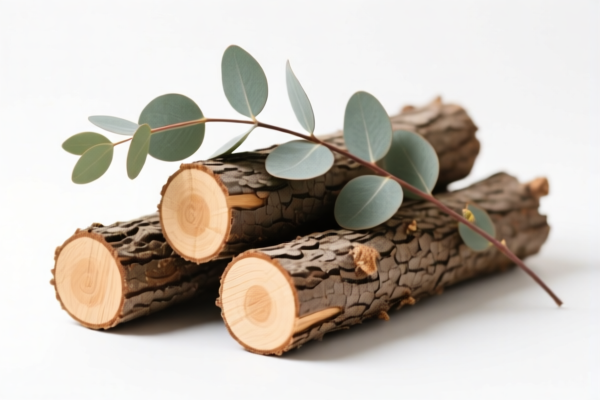
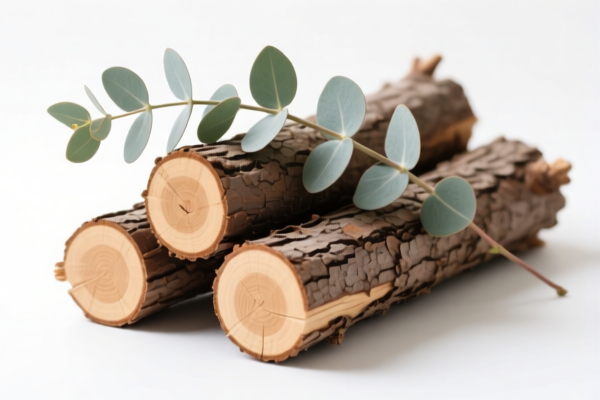
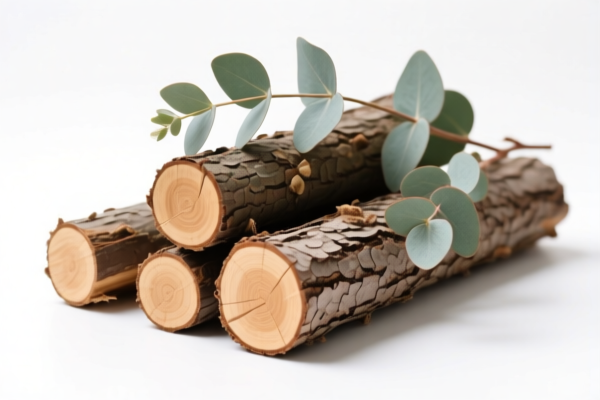

AI分析
🌲 Unpeeled or Peeled Eucalyptus Logs (Timber & Fuel Wood)
🌐 HS Code Reference & Customs Clearance Guide | 2026 Latest Tariff Structure | Professional Clearance Strategy
📌 I. Product Definition & Classification: What Exactly Is "Eucalyptus"?
Eucalyptus wood is one of the most widely traded timber species globally, primarily used for pulp, construction, furniture, and increasingly, biomass energy. In international trade, its classification depends heavily on its physical state (peeled vs. unpeeled, sawn vs. chunk) and its intended end-use (structural timber vs. fuel vs. waste).
Key Distinctions: * Peeled Eucalyptus (剥皮桉木): Bark removed. Often processed into veneer, chips, or structural timber. * Unpeeled Eucalyptus (未剥皮桉木): Bark intact. Typically classified as raw logs or firewood. * State of Processing: Is it a whole log (>6mm thick), firewood chunks, sawn lumber, or waste chips?
⚠️ Critical Classification Point:
- If it is raw timber logs/chunks intended for burning → HS 4401 (Fuel Wood)
- If it is processed timber (>6mm thick, sawn, or veneer-grade) → HS 4407 or HS 4403
- If it is waste/shavings → HS 4401 (Sub-heading for waste)
📦 II. HS Code Classification Matrix (2026 Latest Tariff Authority)
Based on the provided data, here is the precise mapping for Peeled Eucalyptus products under US Customs regulations:
| HS Code | Product Description | Key Characteristics | End-Use Category |
|---|---|---|---|
4407.19.00.93 |
Peeled Eucalyptus, thickness >6mm, untreated | Sawn or chipped timber, veneer sheets, structural beams. Not firewood. | Structural/Industrial Timber |
4401.49.00.90 |
Peeled Eucalyptus, classified as fuel wood | Chunks, billets, or logs specifically prepared/bought for combustion. | Biomass Energy / Firewood |
4401.39.42.90 |
Peeled Eucalyptus, waste or scrap wood | Sawdust, shavings, offcuts, chips, or debris from timber processing. | Recycling / Pulp Feedstock |
4407.29.02.96 |
Peeled Eucalyptus, Tropical Wood Category (Catch-all) | Peeled timber fitting general tropical hardwood descriptions. Often a fallback for specific untreated peeled logs. | General Timber / Veneer |
4403.98.00.95 |
Peeled Eucalyptus, Roughly Squared/Sawn | Logs that have been roughly squared or sawn but not fully planed or finished. Intermediate processing state. | Semi-processed Timber |
🔍 Important Reminder:
- "Peeled" (剥皮) is a key descriptor in all these codes. Unpeeled logs may fall under different sub-headings (e.g., 4403.99), but the provided data strictly lists Peeled variants. - Thickness matters: HS 4407 explicitly requires thickness >6mm. If the wood is thinner (e.g., veneer slices <6mm), it might fall under HS 4408, but that is not included in the provided dataset. - State of Processing: Distinguish clearly between "Fuel" (4401) and "Timber" (4407/4403). Misclassification here leads to significant tax disparities.
💰 III. 2026 Tariff Rate Breakdown (Detailed Tax Analysis)
✅ Applicable Country: United States (US)
✅ Origin: China (CN) (Note: Eucalyptus is also grown in US/South America, but the tariff structure provided implies origin-sensitive duties common in US-China trade contexts)
✅ Effective Time: Current 2026 Tariff Schedule
🎯 1. All Listed HS Codes (4407.19.00.93, 4401.49.00.90, 4401.39.42.90, 4407.29.02.96, 4403.98.00.95)
| Item | Content |
|---|---|
| Base Tariff Rate | 0.0% (Ad Valorem) |
| Section 301 Additional Tariff | +25.0% |
| Section 122 Tariff | +10.0% |
| Total Tax Rate | 35.0% |
| Tax Calculation | CIF Value × 35% |
| De Minimis Eligibility | ❌ No (Standard for goods valued over $800, but subject to strict scrutiny for timber/biomass) |
| Legal Authority Path | USMCA/USITC Base → Section 301 (List 4) → Section 122 (BIOSECURE Act related) |
📌 Explanation:
- "Base Tariff 0%": Eucalyptus and many tropical hardwoods often have low or zero base duties under normal trade terms.
- "Section 301 Tariff +25%": This is the major penalty imposed under the Trump-era trade policies, retained and expanded under current regulations for Chinese-origin goods. It applies to almost all wood products from China.
- "Section 122 Tariff +10%": This is a newer, specific tariff added under Section 122 of the Trade Expansion Act of 1962. It is often applied to goods deemed to threaten US national security or supply chains. For timber/biomass, this layer adds an additional 10% on top of the 301 tariff.
- Total Burden: 35% is the final landed cost multiplier. This is high. It erodes margins significantly for low-value wood products.
🛠️ IV. Customs Clearance Practical Advice (Avoiding Pitfalls)
✅ 1. Documentation Checklist (Non-Negotiable)
| Document | Mandatory? | Notes |
|---|---|---|
| Commercial Invoice | ✔️ | Must clearly state: "Peeled Eucalyptus," exact HS Code, Country of Origin (China), and CIF value. |
| Packing List | ✔️ | Specify if goods are "Firewood," "Sawn Timber," or "Waste." Do not mix categories in one shipment. |
| Phytosanitary Certificate | ✔️ | Crucial for Wood. Issued by the exporting country's plant protection agency to prove no pests/insects. Without this, goods will be rejected or fumigated at US port. |
| ISPM 15 Mark (if applicable) | ❌/✔️ | If the wood is in solid wood packaging (pallets), the pallets must be marked ISPM 15. The eucalyptus itself, if peeled/processed, may be exempt, but verify. |
| Bill of Lading (B/L) | ✔️ | Ensure "Shipper" and "Consignee" details match invoice exactly. |
| Certificate of Origin | ✔️ | To prove origin as China (to apply specific tariff codes). |
✅ 2. Declaration Strategy (Key Mnemonics)
🔥 "State Clearly: Peeled, Not Green. Use Correct HS: Fuel or Timber."
| Scenario | Correct HS Code | Incorrect HS Code | Consequence of Error |
|---|---|---|---|
| Selling as Firewood/Biomass | 4401.49.00.90 |
4407.19.00.93 |
Customs may reclassify, leading to audits for under-declared processing state. |
| Selling as Structural Timber | 4407.19.00.93 or 4403.98.00.95 |
4401.49.00.90 |
If deemed "Firewood" but declared as "Timber," you might face penalties for misrepresenting product nature. |
| Selling as Wood Waste/Chips | 4401.39.42.90 |
4407.19.00.93 |
Waste has different inspection standards (pest risk higher). Misclassification can lead to immediate rejection for biosecurity. |
| Unspecified "Eucalyptus Logs" | Ambiguous | Any specific code | High Risk. Customs will assign the code based on their assessment, potentially choosing the one with the highest scrutiny or different duty implications. |
✅ 3. Special Cases & Biosecurity
| Issue | Handling Advice |
|---|---|
| Pest Control | Eucalyptus is susceptible to the Eucalyptus Longhorned Beetle. The Phytosanitary Certificate must be valid and explicitly state the wood is free from pests. |
| "Peeled" vs. "Unpeeled" | The provided data is for Peeled wood. If your wood is Unpeeled, you must find the correct HS code (likely under 4403.99 or 4401.21), which may have different tariff structures. Do not force peeled codes onto unpeeled wood. |
| Section 122 Scrutiny | Since this tariff is relatively new and broad, customs may scrutinize the value declaration more heavily. Ensure your CIF value is realistic and supported by contracts. |
🌍 V. Global Market Comparison (2026 Overview)
| Country/Region | Recommended HS Code | Tariff Rate | Certification | Notes |
|---|---|---|---|---|
| 🇺🇸 USA | See Above (4407/4401/4403) |
35% (Total) | Phytosanitary + ISPM 15 (for packaging) | High tariffs due to Sec 301 + Sec 122. |
| 🇨🇳 China | 4407.19 / 4401.49 |
0% - 5% | None (Import) | China is both producer and consumer. |
| 🇪🇺 EU | 4407.19 / 4401.49 |
0% - 5% | FSC/PEFC (Voluntary) | No Section 301/122 equivalent. |
| 🇬🇧 UK | 4407.19 / 4401.49 |
0% - 5% | None | Post-Brexit tariffs often mirror EU. |
📌 Conclusion:
- The US market is the most expensive for Chinese-origin eucalyptus due to the 35% combined tariff.
- Biosecurity is the second biggest hurdle after tariffs. Ensure flawless documentation.
📌 VI. Common Errors & Pitfalls (Lessons Learned)
❌ Error 1: Mixing "Firewood" and "Timber" in one shipment
👉 Consequence: Customs may hold the entire shipment for detailed inspection, causing delays.
✅ Solution: Ship in separate containers or clearly separate packages with distinct HS codes.
❌ Error 2: Omitting "Peeled" in the Description
👉 Consequence: Customs might assume "Unpeeled" and apply a different, potentially more restrictive phytosanitary rule.
✅ Solution: Explicitly state "Peeled Eucalyptus Logs" in every document.
❌ Error 3: Incorrect Value Declaration
👉 Consequence: Under-valuation leads to penalties; Over-valuation leads to unnecessary tax payment.
✅ Solution: Use realistic CIF values based on recent trade data.
❌ Error 4: Ignoring Section 122
👉 Consequence: Assuming only 25% tax.
✅ Solution: Always calculate for the full 35% until you have an official ruling or exemption.
🎯 VII. Conclusion: Smart Classification, Lower Risks
🎯 Key Takeaways:
🔹 35% is the number to remember. (0% Base + 25% Sec 301 + 10% Sec 122).
🔹 Be Specific: "Peeled Eucalyptus" is not enough. Define its state: Fuel, Waste, or Timber.
🔹 Phytosanitary is King: No certificate = No entry.
🔹 Pre-Audit: If importing large volumes, consider requesting a Binding Ruling from US Customs to confirm the HS Code and tariff application before shipment.
📌 Pro Tip:
If your eucalyptus is sourced from Vietnam, Thailand, or other non-China origins, you may avoid the 25% Sec 301 and potentially the 10% Sec 122 charges (depending on specific exclusions). Always check the Country of Origin carefully!
📣 Action Required:
📞 Contact a licensed customs broker immediately.
📄 Prepare the Phytosanitary Certificate before loading.
📊 Calculate landed cost using 35% tax to ensure profitability.
✨ Precise Classification is the First Step to Smooth Clearance!
💼 Every percent of tariff saved is pure profit gained!
用户评价
关于 HS 编码归类
协调制度(HS)是由世界海关组织(WCO)制定的国际贸易商品分类标准。全球 200 多个国家采用 HS 系统作为海关关税、贸易统计和进出口监管的基础。
每个 HS 编码遵循以下层级结构:
- 章(2 位)——商品大类(例如:第 84 章:机器和机械设备)
- 品目(4 位)——章内的更具体分类
- 子目(6 位)——国际通用细分,所有 WCO 成员国统一使用
- 本国细分(8-10 位)——各国自行扩展的细分编码,如美国 HTSUS 10 位编码
正确的 HS 编码归类对于顺利通关、准确缴纳关税和遵守贸易法规至关重要。错误归类可能导致海关延误、多缴关税或罚款。
从CN进口到US时,适用的关税税率可能包括:
- 最惠国(MFN)税率——适用于 WTO 成员国的标准关税税率
- 普通税率——适用于无贸易协定国家
- 贸易救济关税——附加关税,如 301 条款(反倾销)、232 条款(国家安全)或反补贴税
本页内容仅供参考。如需正式归类,请咨询当地海关或持牌报关代理。