Untanned Raw Sheepskin for Crafts
CN → US| HS编码 | 关税税率 | 原产国 | 目的国 | 文档 |
|---|---|---|---|---|
| 4103901190 | 17.5% | CN | US | 官方文档 |
| 4102291090 | 17.5% | CN | US | 官方文档 |
| 4103901130 | 17.5% | CN | US | 官方文档 |
| 4102101000 | 17.5% | CN | US | 官方文档 |
| 4103901200 | 17.5% | CN | US | 官方文档 |
商品图片
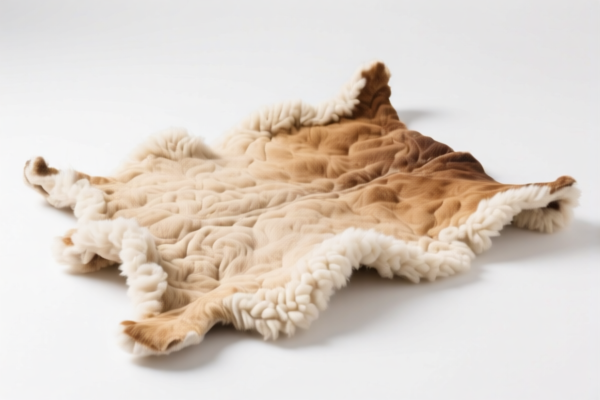
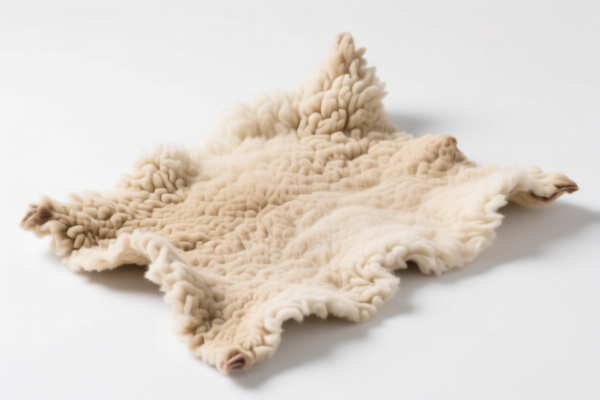
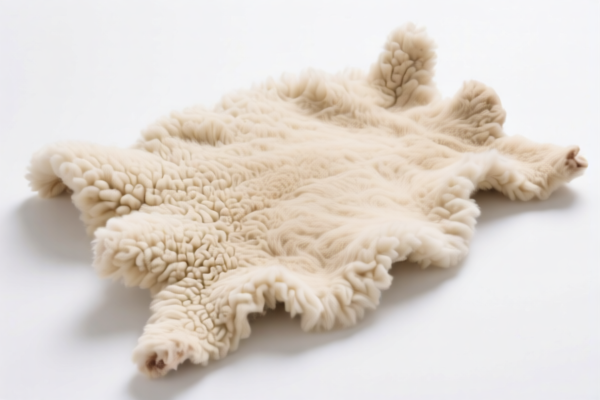
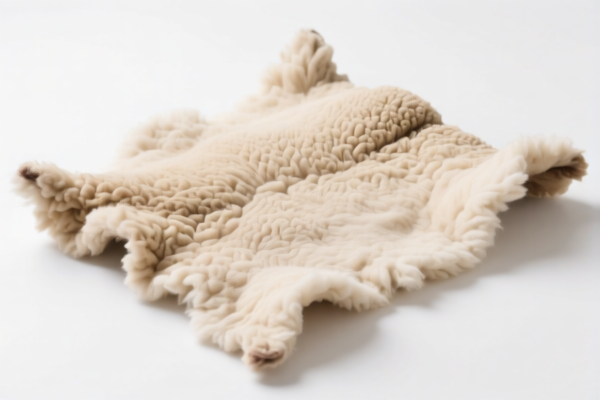
AI分析
🐑 Untanned Raw Sheepskin for Crafts (Raw Hides)
🌐 HS Code Reference & Customs Clearance Guide | 2026 Latest Tariff Analysis | Professional Entry Strategy
📌 I. Product Definition & Classification: Do You Truly Understand "Raw Sheepskin"?
Untanned Raw Sheepskin is the fundamental raw material for leather manufacturing, widely used in crafting, upholstery, apparel, and industrial applications. In international trade, these goods are strictly classified based on their processing status and animal type.
Key Characteristics:
- Material: Sheepskin (from Ovis aries).
- State: Untanned (not cured via chemical or physical means to preserve permanently).
- Condition: Can be "skinned" (fleshed) or "uncured," but must not be preserved solely by salting if it falls under specific tanned categories (though salted raw hides often fall here too, depending on local definitions).
- Form: Skins or pelts, whether in the "greasy" state (with wool/flesh) or "pickled" (acid-preserved).
⚠️ Critical Distinction:
- If the sheepskin is untanned and unprocessed (just skinned/salted/dried), it falls under Chapter 41.
- If it is tanned (vegetable, chrome, or other methods), it moves to different subheadings.
- Wool on vs. Wool off: The presence of wool or flesh does not change the "untanned" status but may affect specific subheading selection.
📦 II. HS Code Classification Details (2026 Latest Tariff Authority Match)
Based on your input data, all matches indicate Untanned and Raw states. Here is the detailed breakdown:
| HS Code | Product Description | Key Matching Criteria | Tax Rate Breakdown |
|---|---|---|---|
4102.29.10.90 |
Sheepskins, without wool, untanned (other than headskins) | ✅ Perfect Match: Explicitly for sheepskin, no wool, untanned. | Base: 0% Section 301: 7.5% Section 122: 10% Total: 17.5% |
4102.10.10.00 |
Sheepskins, headskins, with or without wool, salted | ✅ Perfect Match: Specifically for sheepskin headskins or salted sheepskins. | Base: 0% Section 301: 7.5% Section 122: 10% Total: 17.5% |
4103.90.12.00 |
Other skins, untanned (specifically Goatskins/Caprids) | ⚠️ Partial Match: Description says "Sheepskin," but HS 4103 is for other (non-bovine/ovine) skins. Risk: If customs identifies it as sheep, this code is incorrect. | Base: 0% Section 301: 7.5% Section 122: 10% Total: 17.5% |
4103.90.11.30 |
Other skins, untanned, specific animal type | ⚠️ General Match: "Untanned" and "Sheepskin" fit the broad "other skins" category if not specifically covered by 4102. However, sheep is usually 4102. | Base: 0% Section 301: 7.5% Section 122: 10% Total: 17.5% |
4103.90.11.90 |
Other skins, untanned, other than specified types | ⚠️ General Match: For untanned skins that don't fit specific animal categories. Sheep is usually 4102. High Risk of Misclassification. | Base: 0% Section 301: 7.5% Section 122: 10% Total: 17.5% |
🔍 Key Insight:
- Codes4102.xxxxxxxxare the most accurate for Sheepskin.
- Codes4103.xxxxxxxxare for other animals (goats, pigs, etc.). Using 4103 for sheepskin is a common error that can lead to customs delays or penalties, even if the tax rate is the same in this specific dataset.
- All listed HS Codes in your data share the same total tax rate of 17.5% due to the specific tariff structure (Section 301 + Section 122).
💰 III. 2026 Latest Tariff Rate Details (With Additional Taxes & Policy Surcharges)
✅ Applicable Country: United States (US)
✅ Origin: China (CN) (Assumed based on "Section 122" and typical 17.5% structure)
✅ Effective Time: 2025/2026 Import Season
🎯 1. Why 17.5%? The Tariff Structure Explained
All HS Codes in your data result in a 17.5% total duty. Here is the breakdown:
| Tariff Component | Rate | Legal Basis | Description |
|---|---|---|---|
| Base Duty (MFN) | 0% | HTSUS | Raw, untanned animal skins typically have 0% base duty. |
| Section 301 Tariff | +7.5% | USITC Footnote 9903.88.01 | Additional duty on Chinese imports under Trade Act Section 301. |
| Section 122 Tariff | +10% | 19 U.S.C. § 1673 | Specific duty on sheep/goat skins from China to protect domestic wool/sheep industries. |
| Total Duty Rate | 17.5% | Ad Valorem (based on CIF value). |
📌 Crucial Note:
- Section 122 is a non-reciprocal duty specifically targeting Chinese sheep and goat skins.
- Even if you misclassify as4103(other skins), if customs reclassifies to4102(sheep), the duty remains 17.5%.
- No De Minimis Exemption: Raw hides are not eligible for the $800 de minimis exemption if they are classified as Section 122 goods. Verify with customs broker.
🛠️ IV. Customs Clearance Practical Advice (Pitfall Avoidance Guide)
✅ 1. Essential Documentation (Non-Negotiable)
| Document | Required? | Why? |
|---|---|---|
| Commercial Invoice | ✅ Yes | Must clearly state: "Untanned Raw Sheepskin," Material, Country of Origin, HS Code. |
| Packing List | ✅ Yes | Weight (Net/Gross) is critical for duty calculation. |
| Certificate of Origin | ✅ Yes | Proves origin as China. Critical for Section 122 applicability. |
| Product Description & Photos | ✅ Yes | Show raw state, no dye, no tanning. Prove it is untanned. |
| Fumigation Certificate | ✅ Yes | Raw animal products require phytosanitary/fumigation certificates to prevent pests. |
| FDA Registration | ⚠️ Sometimes | If used for food contact or specific crafts, check FDA requirements. |
✅ 2. Classification Strategy (Key Tips)
🔥 "Correct Animal + Correct State = Smooth Clearance!"
| Scenario | Recommended HS Code | Why? |
|---|---|---|
| Sheepskin, untanned, no wool | 4102.29.10.90 |
Most precise for sheep. |
| Sheepskin, untanned, with wool/flesh | 4102.10.10.00 |
Covers headskins or salted sheepskins. |
| Goatskin, untanned | 4103.90.12.00 |
If material is actually goat, not sheep. |
| Mixed Skins (Sheep + Goat) | Separate | Do not mix. Classify each separately. |
🚫 Common Mistake:
- Declaring sheepskin as4103.90.11.90("Other skins") to avoid specific scrutiny.
- Result: Customs may audit and reclassify to4102, applying the same 17.5% but adding penalties or delays.
- Best Practice: Be explicit: "Untanned Sheepskin, Raw, Salted/Dried."
✅ 3. Special Considerations
| Issue | Solution |
|---|---|
| Salted vs. Dry | Both are considered "untanned" for HS classification. Ensure invoice states preservation method. |
| Weight Calculation | Duty is based on Net Weight. Ensure accurate weighing. |
| Fumigation | Raw hides are subject to strict biosecurity. Provide valid fumigation certificate. |
| Section 122 Exemptions | None for China. No exceptions for craft use. |
🌍 V. Global Market Comparison (2026)
| Country | HS Code (Sheepskin) | Duty Rate | Notes |
|---|---|---|---|
| 🇺🇸 USA | 4102.29.10.90 |
17.5% | Includes Section 301 + Section 122. |
| 🇨🇳 China | 4102.29.10.90 |
0% | No additional tariffs on imports. |
| 🇪🇺 EU | 4102.29.00 |
0% | Usually duty-free for raw hides. |
| 🇬🇧 UK | 4102.29.00 |
0% | Post-Brexit, often duty-free. |
| 🇯🇵 Japan | 4102.29.00 |
0% | Duty-free for raw hides. |
📌 Conclusion:
- USA has the highest duty (17.5%) due to specific Section 122 and Section 301 tariffs.
- If sourcing from China for US market, factor in 17.5% duty in your cost model.
📌 VI. Common Errors & Pitfalls (Lessons Learned)
❌ Error 1: Misclassifying sheepskin as "Leather" (tanned)
👉 Consequence: Wrong HS Code, potential duty evasion penalties.
❌ Error 2: Ignoring Section 122
👉 Consequence: Assuming 0% base rate = 0% total. Result: Underpayment of 17.5%.
❌ Error 3: Inaccurate Weight Declaration
👉 Consequence: Duty miscalculation, customs hold.
❌ Error 4: Missing Fumigation Certificate
👉 Consequence: Goods rejected or destroyed at border.
✅ Correct Practice:
"Raw Sheepskin, Untanned, Salted, for Craft Use, Country of Origin: China, HS: 4102.29.10.90, Weight: 500kg"
🎯 VII. Conclusion: Accurate Classification, Cost Control
🎯 Remember:
🔹 "Sheepskin = 4102, Not 4103."
🔹 "Untanned = Raw, No Tanning Process."
🔹 "17.5% Total Duty for China Origin (US Import)."
🔹 "Fumigation Certificate is Mandatory."
📌 Pro Tip:
- If you are not from China, Section 122 may not apply. Check your origin.
- Always pre-classify with a customs broker using photos and specifications.
📣 Action Required:
📞 Contact Customs Broker
📄 Provide Product Specs + Photos
🚀 Ensure Fumigation Certificate
💼 Budget for 17.5% Duty
✨ Professional Clearance Starts with Precise Classification!
💼 Every Percentage Point Counts in International Trade!
用户评价
关于 HS 编码归类
协调制度(HS)是由世界海关组织(WCO)制定的国际贸易商品分类标准。全球 200 多个国家采用 HS 系统作为海关关税、贸易统计和进出口监管的基础。
每个 HS 编码遵循以下层级结构:
- 章(2 位)——商品大类(例如:第 84 章:机器和机械设备)
- 品目(4 位)——章内的更具体分类
- 子目(6 位)——国际通用细分,所有 WCO 成员国统一使用
- 本国细分(8-10 位)——各国自行扩展的细分编码,如美国 HTSUS 10 位编码
正确的 HS 编码归类对于顺利通关、准确缴纳关税和遵守贸易法规至关重要。错误归类可能导致海关延误、多缴关税或罚款。
从CN进口到US时,适用的关税税率可能包括:
- 最惠国(MFN)税率——适用于 WTO 成员国的标准关税税率
- 普通税率——适用于无贸易协定国家
- 贸易救济关税——附加关税,如 301 条款(反倾销)、232 条款(国家安全)或反补贴税
本页内容仅供参考。如需正式归类,请咨询当地海关或持牌报关代理。