Untreated Horsehide (Dehaired)
CN → US| HS编码 | 关税税率 | 原产国 | 目的国 | 文档 |
|---|---|---|---|---|
| 4101501091 | 17.5% | CN | US | 官方文档 |
| 4101901040 | 17.5% | CN | US | 官方文档 |
商品图片
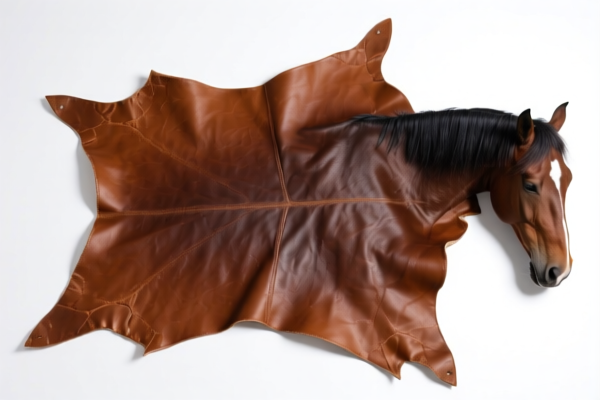
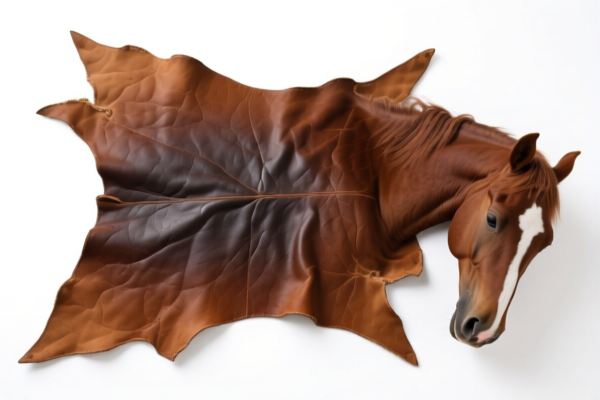
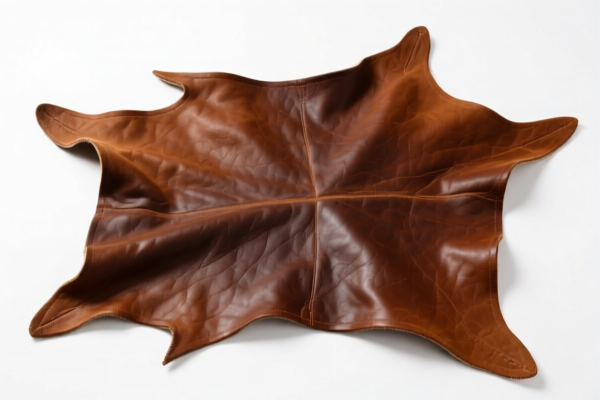
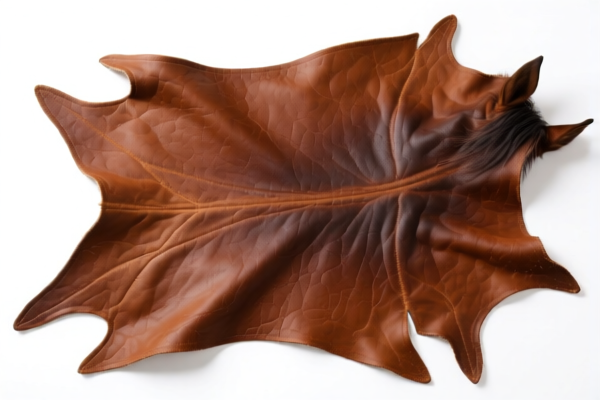
AI分析
🐎 Untreated Horsehide (Dehaired)
🌐 HS Code Reference & Clearance Guide | 2026 Tariff Analysis | Professional Entry Strategy 📌 I. Product Definition & Classification: What Exactly is "Untreated Horsehide"?
Untreated Horsehide, specifically dehaired but not tanned, falls under Chapter 41 of the Harmonized System: Raw Hides and Skins of Bovine (including Buffalo) or Equine Animals.
In international trade, the critical distinction lies in the degree of preservation: 1. Fresh/Salted/Dried/Limed/Pickled: These methods preserve the hide temporarily to prevent decay but do not convert the protein structure (collagen) into stable leather. This is NOT tanning. 2. Dehaired: The hair/fur has been removed mechanically or chemically, but the skin remains biologically active and susceptible to rotting if not preserved via salt/drying. 3. Not Pretanned: This is the key keyword. It means no chrome, vegetable, or other tanning agents have been applied to stabilize the hide.
⚠️ Critical Distinction: - If the hide is fresh, salted, dried, limed, pickled, or otherwise preserved (but NOT tanned) → Chapter 41. - If the hide is tanned (chrome, veg, etc.) → Chapter 41 or 42 (Leather). - Your Product: "Untreated" + "Dehaired" implies it is in a raw, preserved state, ready for further processing (like tanning). It is not finished leather.
📦 II. HS Code Classification Details (2026 Latest Tariff Authority)
Based on the provided <DATA>, there are two specific HS Codes for Equine (Horse) raw hides/skins, distinguished by weight and form.
| HS Code | Product Description | Weight/Form Condition | Tax Rate (Total) |
|---|---|---|---|
4101.50.10.91 |
Raw hides/skins of Equine animals. Whole hides and skins. Not pretanned. Dehaired. |
Weight Exceeding 16 kg | 7.5% |
4101.90.10.40 |
Raw hides/skins of Equine animals. Other forms (butts, bends, bellies, split, etc.). Not pretanned. Dehaired. |
Any Weight (Includes <16kg or cut parts) | 7.5% |
🔍 Key Interpretation: - "Whole Hides": The entire skin from shoulder to tail, intact. If it meets the >16 kg threshold, use
4101.50.10.91. - "Other": If the hide is cut into parts (belly, butt), split, or weighs ≤16 kg, use4101.90.10.40. - "Dehaired": Both codes explicitly cover dehaired hides, as long as they are not pretanned. - "Not Pretanned": Confirms the goods are raw hides, not semi-finished leather.
💰 III. 2026 Tariff Rate Breakdown
✅ Applicable Country: United States (US)
✅ Origin: China (CN) (Assumed based on typical context; verify if origin differs)
✅ Status: No Preferential Duty Free
✅ Total Tax: 7.5%
🎯 1. 4101.50.10.91 — Whole Horsehide (>16kg)
| Item | Content |
|---|---|
| Base Tariff | 0.0% (Ad Valorem) |
| Section 301 / Additional Tariff | +7.5% |
| Total Tax Rate | 7.5% |
| Tax Calculation | CIF Value × 7.5% |
| De Minimis Exemption | ❌ Not Applicable (Raw hides are generally excluded from de minimis thresholds due to biosecurity/regulatory reasons) |
| Legal Basis | HTSUS:4101.50.10 → Section 301 List 3/4 (Check specific list for equine products) |
📌 Explanation: - The base duty for raw equine hides is 0%. - The 7.5% is an additional tariff (often referred to as Section 301 or specific USITC duties on Chinese-origin raw materials). - No Value-Added Tax (VAT) is shown in the data, but domestic sales tax may apply upon entry into the US commerce.
🎯 2. 4101.90.10.40 — Other Horsehide Parts/Cuts
| Item | Content |
|---|---|
| Base Tariff | 0.0% |
| Additional Tariff | +7.5% |
| Total Tax Rate | 7.5% |
| Tax Calculation | CIF Value × 7.5% |
| De Minimis Exemption | ❌ Not Applicable |
| Legal Basis | HTSUS:4101.90.10 → Section 301 |
📌 Note: - The tax rate is identical to whole hides. - Classification depends strictly on whether the hide is "whole" and "over 16kg". - Split hides (split into two layers) are explicitly mentioned as included in "Raw hides and skins" but must be not tanned. If split and tanned, it would be leather (different code).
🛠️ IV. Clearance Practical Advice (Pitfall Avoidance Guide)
✅ 1. Required Documentation Checklist
| Document | Mandatory? | Notes |
|---|---|---|
| ✅ Commercial Invoice | ✔️ | Must clearly state: "Raw Horsehide, Dehaired, Not Tanned". Do NOT use "Leather" or "Tanned Skin". |
| ✅ Packing List | ✔️ | Detail weight per hide. Crucial: Specify if hides are >16kg or <16kg. |
| ✅ Bill of Lading/Air Waybill | ✔️ | Standard shipping docs. |
| ✅ APHIS Form 177 | ✔️ | USDA/APHIS Requirement: Raw hides of equine origin require prior notification and inspection to prevent Equine Infectious Anemia (EIA) and other diseases. |
| ✅ Treatment Certificate | ✔️ | Proof of preservation method (Salted, Dried, Limed, etc.). |
| ✅ Dehairing Proof | ✔️ | Confirm dehairing process (chemical/mechanical) to classify correctly under "Dehaired". |
| ✅ ISF (10+2) | ✔️ | Filed 24 hours before loading for ocean freight. |
✅ 2. Classification Strategy (Key Mantra)
🔥 "Weight & Wholeness Dictate Code!"
| Scenario | Correct HS Code | Reason |
|---|---|---|
| Whole hide, intact, >16kg | 4101.50.10.91 |
Meets "Whole" and "Weight" criteria. |
| Whole hide, intact, ≤16kg | 4101.90.10.40 |
Fails weight test → Goes to "Other". |
| Cut into Belly/Butt/Bend | 4101.90.10.40 |
Not "Whole" → Goes to "Other". |
| Split into two layers | 4101.90.10.40 |
Split hides are explicitly "Other" unless whole and >16kg (rare for split). |
| Tanned/Dressed | NOT COVERED | Must be Raw. If tanned, code changes to Chapter 41/42. |
✅ 3. Critical Biosecurity & Regulatory Warnings
⚠️ APHIS (Animal and Plant Health Inspection Service) Compliance: - Equine hides are high-risk for disease (e.g., Equine Infectious Anemia, African Horse Sickness). - Prior Approval: You MUST obtain prior approval from APHIS before shipping. - Inspection: Hides may be subject to inspection at the port of entry. Delays are common if APHIS is not coordinated. - Preservation Method: - Salted/Dried: Generally accepted. - Limed/Pickled: May require additional documentation to prove pathogen inactivation. - Fresh: Highly restricted or prohibited without special permits.
📌 Recommendation: - Use Salted or Dried hides to avoid delays. - Provide a Laboratory Test Report confirming no pathogen presence if required by APHIS. - Clearly label all packages as "RAW HORSEHIDE – NOT TANNED" to avoid confusion with finished leather goods.
🌍 V. Global Market Comparison (2026)
| Country/Region | HS Code | Tariff | Biosecurity | Notes |
|---|---|---|---|---|
| 🇺🇸 USA | 4101.50.10.91 / 4101.90.10.40 |
7.5% | High (APHIS) | Strict disease control. APHIS prior approval mandatory. |
| 🇪🇺 EU | 4101.20 / 4101.21 |
0% (Most) | High (EU Health) | Requires health certificate. No additional tariffs. |
| 🇨🇳 China | 4101.21 / 4101.22 |
0-5% | Moderate | May require quarantine permit. |
| 🇬🇧 UK | 4101.20 |
0% | High | Post-Brexit rules apply. Health cert needed. |
📌 Conclusion: - USA has a 7.5% tariff due to additional duties, but base duty is 0%. - Biosecurity is the biggest hurdle, not cost. Ensure APHIS compliance.
📌 VI. Common Errors & Pitfalls (Lessons Learned)
❌ Error 1: Calling the product "Leather" or "Tanned Hide" 👉 Consequence: Misclassification → Potential penalties, seizure, or return. Raw hides are not leather.
❌ Error 2: Ignoring Weight Thresholds
👉 Consequence: Wrong HS Code → 4101.50 vs 4101.90. While tax is same, regulatory scrutiny may differ. Correct code ensures smooth APHIS processing.
❌ Error 3: Failing to Notify APHIS 👉 Consequence: Port Hold/Seizure. Hides can be destroyed or re-exported at importer’s expense if no prior approval.
❌ Error 4: Not Specifying Preservation Method 👉 Consequence: APHIS may reject the shipment if the preservation method (e.g., "Pickled") is not clearly documented and approved.
✅ Correct Practice:
"Raw Horsehide, Dehaired, Salted, Not Tanned. Weight per Hide: 18kg. APHIS Prior Approval #12345."
🎯 VII. Conclusion: Professional Clearance, Risk-Free Entry!
🎯 Remember the Mantra:
🔹 "Raw, Not Tanned. Whole & Weight. APHIS First, Then Duty."
🔹 "7.5% Total Tax, But Biosecurity is King."
📌 Pro Tip:
- If your hides are <16kg or cut into parts, use 4101.90.10.40.
- If your hides are >16kg and whole, use 4101.50.10.91.
- Always coordinate with APHIS before shipping. Failure to do so will result in delayed clearance or rejection.
📣 Immediate Action:
📞 Contact APHIS for Prior Approval
📄 Prepare Treatment Certificate & Weight Details
📦 Label Clearly: "RAW HORSEHIDE – NOT TANNED"
🚀 Ensure Smooth Clearance & Compliance!
✨ Professional Customs Clearance Starts with Accurate Classification!
💼 Your Risk is Minimized, Your Cost is Predicted!
用户评价
关于 HS 编码归类
协调制度(HS)是由世界海关组织(WCO)制定的国际贸易商品分类标准。全球 200 多个国家采用 HS 系统作为海关关税、贸易统计和进出口监管的基础。
每个 HS 编码遵循以下层级结构:
- 章(2 位)——商品大类(例如:第 84 章:机器和机械设备)
- 品目(4 位)——章内的更具体分类
- 子目(6 位)——国际通用细分,所有 WCO 成员国统一使用
- 本国细分(8-10 位)——各国自行扩展的细分编码,如美国 HTSUS 10 位编码
正确的 HS 编码归类对于顺利通关、准确缴纳关税和遵守贸易法规至关重要。错误归类可能导致海关延误、多缴关税或罚款。
从CN进口到US时,适用的关税税率可能包括:
- 最惠国(MFN)税率——适用于 WTO 成员国的标准关税税率
- 普通税率——适用于无贸易协定国家
- 贸易救济关税——附加关税,如 301 条款(反倾销)、232 条款(国家安全)或反补贴税
本页内容仅供参考。如需正式归类,请咨询当地海关或持牌报关代理。