Unwrought or Powdered Gold (Including Gilded)
CN → US| HS编码 | 关税税率 | 原产国 | 目的国 | 文档 |
|---|---|---|---|---|
| 7108110000 | 35.0% | CN | US | 官方文档 |
| 7108121013 | 35.0% | CN | US | 官方文档 |
| 7108110000 | 35.0% | CN | US | 官方文档 |
| 7108121013 | 35.0% | CN | US | 官方文档 |
| 7108110000 | 35.0% | CN | US | 官方文档 |
商品图片
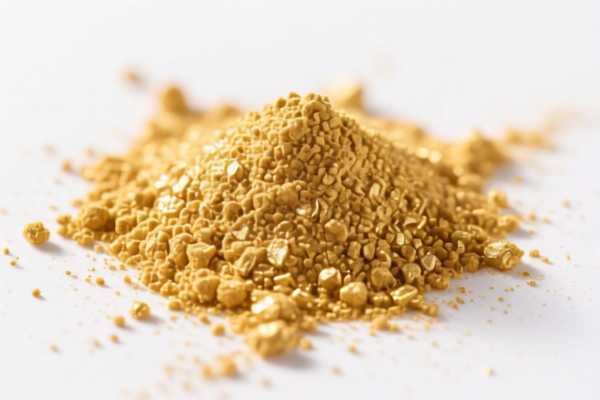
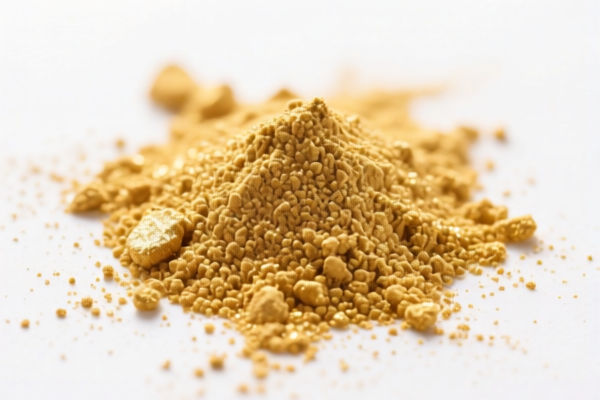
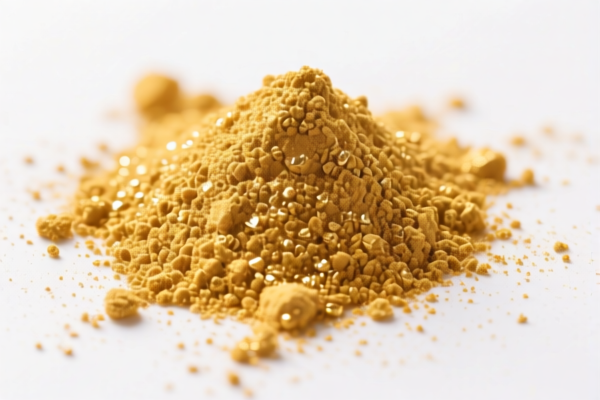
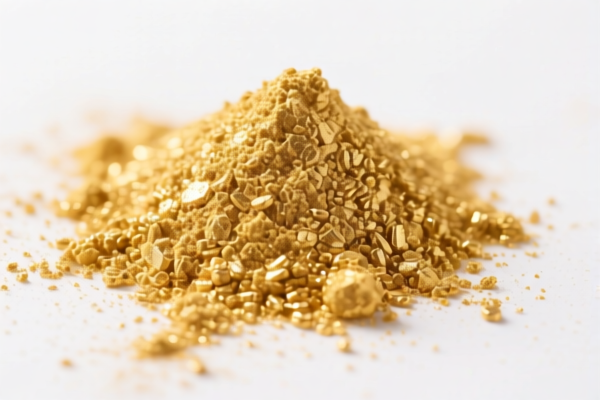
AI分析
🥇 Unwrought Gold & Gold Powder (Including Gilded)
🌐 HS Code Reference & Clearance Guide | 2026 Latest Tariff Analysis | Professional Customs Strategy
📌 I. Product Definition & Classification: Do You Really Understand "Gold"?
Gold, the ultimate store of value and industrial commodity, is strictly regulated in international trade. In the context of customs classification, Unwrought Gold (including Gilded Gold) refers to gold that has not undergone forging or working into specific shapes (like bars, coins, or jewelry) beyond basic forms such as ingots, grains, or powder.
Key Distinctions: * Unwrought Gold (Ingot/Bar/Bullion): Solid forms that are not yet shaped into finished goods. * Gold Powder/Flake: Fine particulate gold used in electronics, cosmetics, or gilding. * Gilded Gold: Substrates coated with gold, classified under gold headings if the gold content/form matches specific unwrought criteria.
⚠️ Critical Classification Point:
- If the gold is in powder, flakes, or unwrought bars/ingots, it falls under Chapter 71 (Natural or Cultured Pearls, Precious Stones, Precious Metals...).
- Specifically, Subheading 7108 covers "Gold, non-monetary, unwrought or in powder form."
- Monetary gold (used as currency) is excluded and falls under different codes (e.g., 7118). This guide focuses on Non-Monetary Gold.
📦 II. HS Code Classification Details (2026 Latest Tariff Authority Cross-Reference)
Based on the provided data, the classification splits between two primary subheadings depending on the specific form and purity details. Both share identical tax structures.
| HS Code | Product Description | Key Characteristics | Status |
|---|---|---|---|
7108.11.00.00 |
Gold, non-monetary, unwrought or in powder form; unworked or semi-worked | Matches core definition of unwrought or powdered gold. | ✅ Matched |
7108.12.10.13 |
Gold, non-monetary, unwrought or in powder form; wrought (but not further worked) | Matches core definition where wrought/unworked state is specified. | ✅ Matched |
🔍 Detailed Breakdown from Data: -
7108.11.00.00:
- Summary: "Gold (including gilded) unwrought or powdered, material and form fully match classification requirements."
- Interpretation: This code is typically used for standard unwrought gold (bars, ingots, grains) or powder that does not fit the specific "wrought" definition of 7108.12. -7108.12.10.13:
- Summary: "Gold (including gilded) unwrought or powdered, material and form fit classification core definition."
- Interpretation: This code often applies to gold that is wrought but not further worked (e.g., simple shapes like wires or rods before final finishing) or specific gilded forms where the gold layer is considered the primary attribute in an unwrought-like state.📌 Note on "Gilded":
- The term "including gilded" in the summaries implies that items where gold is the primary valuable coating on an unwrought substrate may also fall under these headings if the gold itself is the declared subject of the tariff.
- Do not confuse with "Gold Jewelry" (7113) or "Gold Plated Articles" (8211/9606) unless the gold is in raw/unwrought form.
💰 III. 2026 Latest Tariff Rate Details (Including Surtaxes & Policy Add-ons)
✅ Applicable Country: United States (US)
✅ Origin: China (CN) (Inferred from "122 Clause" and "25% surtax" context)
✅ Effective Date: Post-2025 Trade Policy Updates
🎯 1. 7108.11.00.00 & 7108.12.10.13 —— Unwrought/Gilded Gold
| Item | Content |
|---|---|
| Base Tariff | 0.0% (ad valorem) – Standard MFN rate for gold is often 0% |
| Section 301 Surtax | +25.0% (USITC Footnote for Chinese Goods) |
| Section 122 Tariff | +10.0% (Specific tariff line for certain metal products from China) |
| Total Tax Rate | 35.0% |
| Tax Calculation | CIF Value × 35% |
| De Minimis Exemption | ❌ Not Applicable (Gold is a high-value, restricted commodity; de minimis does not apply) |
| Legal Authority Path | USITC:7108.11.00.00 / 7108.12.10.13 → Section 301: 25% → Section 122: 10% |
📌 Explanation of Taxes:
- "Base Tariff: 0.0%": Under WTO rules, unwrought gold often has a 0% most-favored-nation (MFN) rate.
- "Surtax: 25%": This is the Section 301 tariff, a significant penalty on Chinese-origin goods to address trade imbalances.
- "122 Clause Tariff: 10%": This refers to Section 122 of the Trade Act of 1974, often used for national security or specific industry protections, applying an additional 10% here.
- Total: 35%: This is a very high effective tariff. Importers must factor this into their landed cost.💡 Important:
- Gilded Items: If the item is "gilded" (gold-plated) but the gold is in unwrought/powder form as the primary declared good, the 35% applies.
- Monetary Gold: If this is central bank monetary gold, it may be exempt, but non-monetary gold (commercial bullion/powder) is fully taxed.
🛠️ IV. Customs Clearance Practical Advice (Battle-Tested Pitfall Guide)
✅ 1. Required Documentation Checklist (Non-Negotiable)
| Document | Must Provide | Explanation |
|---|---|---|
| ✅ Certificate of Origin | ✔️ | Critical. Must state "Origin: China" to confirm Section 301/122 applicability. If from other countries (e.g., UAE, Switzerland), rates may differ. |
| ✅ Purity Assay Certificate | ✔️ | Must specify fineness (e.g., 999.9) and weight. Customs will verify against HS Code 7108 definitions. |
| ✅ Commercial Invoice | ✔️ | Must clearly state "Unwrought Gold" or "Gold Powder". Do NOT use vague terms like "Metal Scrap" or "Decorative Material." |
| ✅ Packing List | ✔️ | Detail weight, number of packages, and any gilding substrate (if applicable). |
| ✅ Customs Bond | ✔️ | Required for high-value goods. Ensure it covers the 35% tax liability. |
| ✅ FEMA/Export License | ✔️ | If exporting from China, an export license may be required. For US import, ensure no OFAC sanctions apply. |
✅ 2. Declaration Tips (Key Mantras)
🔥 "Declare Purity, Declare Form, Avoid 'Jewelry', Avoid 'Scrap'!"
| Scenario | Correct Declaration | Wrong Declaration |
|---|---|---|
| Gold Bars/Ingots | 7108.11.00.00 - "Unwrought Gold, 999.9 Fine" |
"Gold Bars" (Too vague) or "Jewelry" (Wrong HS) |
| Gold Powder | 7108.11.00.00 - "Gold Powder, for Industrial Use" |
"Metal Powder" (Could be steel/iron, wrong HS) |
| Gilded Unwrought | 7108.12.10.13 - "Gilded Gold Substrate, Unwrought" |
"Plated Jewelry" (Incorrect, 7113) |
| Gold Coins | ❌ Not Covered | 7118.10.00.00 (Numismatic/Currency) |
📌 Warning:
- Do not classify gold powder as "Metal Powder" (28-39 range) unless it is not precious metal.
- Do not classify gilded items as "Plated Articles" (8211, 9606) if the gold is in unwrought form.
- Misclassification Risk: Under-declaring purity or misidentifying form can lead to seizure, fines, and retroactive 35% tax.
✅ 3. Special Case Handling
| Situation | Handling Advice |
|---|---|
| High-Purity vs. Low-Purity | Ensure invoice states fineness (e.g., 999 vs 916). Lower purity may still fall under 7108 if >80% gold. |
| Gilded Items on Non-Metal Substrate | If the substrate is fabric/wood, it might fall under Chapter 39/44/63 but with a gold component tax. Verify if gold is "unwrought" form. |
| Gold Dust/Scrap | If it is scrap, it may be classified differently (e.g., 7112). Unwrought implies usable, not recycled scrap. |
| Origin Change | If gold is refined in Dubai and exported to US, provide Refiner Certificate to prove origin change (may avoid China surtaxes). |
🌍 V. Global Market Comparison (2026 Latest)
| Country/Region | Recommended HS Code | Tariff (China Origin) | Certifications | Notes |
|---|---|---|---|---|
| 🇺🇸 USA | 7108.11.00.00 / 7108.12.10.13 |
35% (0% + 25% + 10%) | None specific | Highest cost due to surtaxes |
| 🇨🇳 China | 7108.11.00.00 |
0% | N/A | Zero import tariff, no surtax |
| 🇪🇺 EU | 7108.11.00 |
0% | REACH (for powder) | No Section 301/122 equivalent |
| 🇯🇵 Japan | 7108.11.00 |
0% | None | Free trade agreement benefits may apply |
| 🇸🇬 Singapore | 7108.11.00 |
0% | None | Major gold hub, low barriers |
📌 Conclusion:
- USA is the most expensive market for Chinese-origin unwrought gold due to the 35% cumulative tariff.
- EU/Asia markets are more favorable with 0% tariffs.
- Strategy: Consider origin shifting (e.g., refining in Switzerland/UAE) to avoid Section 301/122 surtaxes if exporting to the US.
📌 VI. Common Mistakes & Pitfall Guide (Blood Lessons)
❌ Mistake 1: Declaring "Gold Powder" as "Industrial Metal Powder"
👉 Consequence: Misclassification → 0% tariff applied initially, but upon audit, 35% back-taxed + penalties.
❌ Mistake 2: Ignoring "Gilded" Form
👉 Consequence: If gilded gold is declared as "Plated Jewelry" (7113), it may be incorrectly taxed (e.g., 2.5-3%) instead of 35%, leading to severe underpayment claims.
❌ Mistake 3: Not Providing Purity Certificate
👉 Consequence: Customs may reject the declaration or assess value at highest possible rate (up to 35% on estimated value).
❌ Mistake 4: Assuming "De Minimis" Applies to Gold
👉 Consequence: Gold is excluded from de minimis. Even small shipments are subject to full 35% tariff and formal entry.
✅ Correct Practice:
"Unwrought Gold, 999.9 Fine, 10kg, Bullion Bars, Origin: China, CIF: $500,000"
🎯 VII. Conclusion: Professional Declaration, Cost Control, Risk Avoidance!
🎯 Remember Mantra:
🔹 "Purity Declared, Form Specified, 35% Tax Applies, Avoid Mislabeling!"
🔹 "Gold is Gold, but HS Code Makes the Price. 7108 is the Key, 35% is the Cost."
📌 Pro Tip:
If your gold is originally from China but refined elsewhere (e.g., Switzerland, Canada), provide a Certificate of Origin showing the last substantial transformation. This may avoid the 35% surtax if the new country has a favorable trade status.
📣 Immediate Action:
📞 Consult Customs Broker + Provide Purity Assay + Verify Origin
🚀 Ensure your gold clears customs smoothly, legally, and cost-effectively!
✨ Professional Customs Clearance Starts with Precise Classification!
💼 Every percent of tariff counts! Protect your margins!
用户评价
关于 HS 编码归类
协调制度(HS)是由世界海关组织(WCO)制定的国际贸易商品分类标准。全球 200 多个国家采用 HS 系统作为海关关税、贸易统计和进出口监管的基础。
每个 HS 编码遵循以下层级结构:
- 章(2 位)——商品大类(例如:第 84 章:机器和机械设备)
- 品目(4 位)——章内的更具体分类
- 子目(6 位)——国际通用细分,所有 WCO 成员国统一使用
- 本国细分(8-10 位)——各国自行扩展的细分编码,如美国 HTSUS 10 位编码
正确的 HS 编码归类对于顺利通关、准确缴纳关税和遵守贸易法规至关重要。错误归类可能导致海关延误、多缴关税或罚款。
从CN进口到US时,适用的关税税率可能包括:
- 最惠国(MFN)税率——适用于 WTO 成员国的标准关税税率
- 普通税率——适用于无贸易协定国家
- 贸易救济关税——附加关税,如 301 条款(反倾销)、232 条款(国家安全)或反补贴税
本页内容仅供参考。如需正式归类,请咨询当地海关或持牌报关代理。