Utensils
CN → US| HS编码 | 关税税率 | 原产国 | 目的国 | 文档 |
|---|---|---|---|---|
| 6911108010 | 38.3% | CN | US | 官方文档 |
| 7323930045 | 62.0% | CN | US | 官方文档 |
| 6911108090 | 38.3% | CN | US | 官方文档 |
| 7418100053 | 70.5% | CN | US | 官方文档 |
| 7418100051 | 70.5% | CN | US | 官方文档 |
| 4419901100 | 15.3% | CN | US | 官方文档 |
商品图片
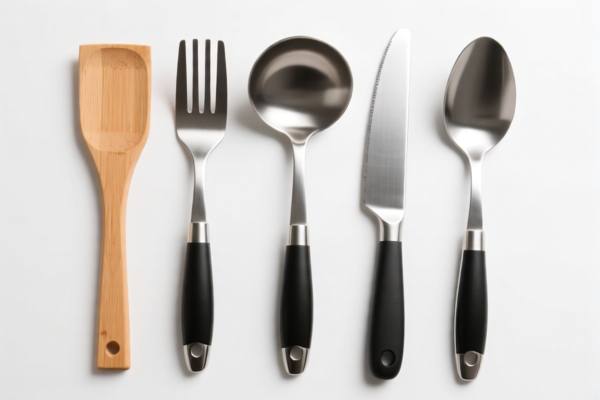
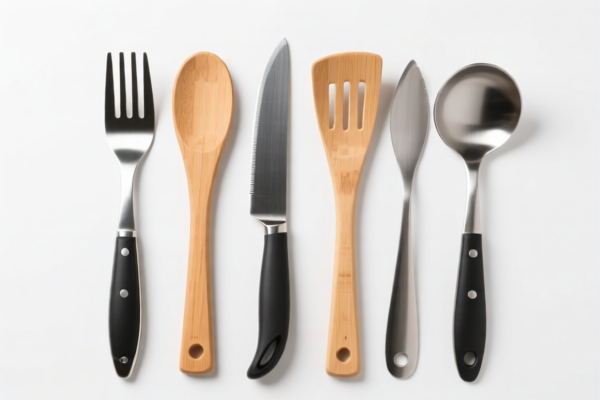
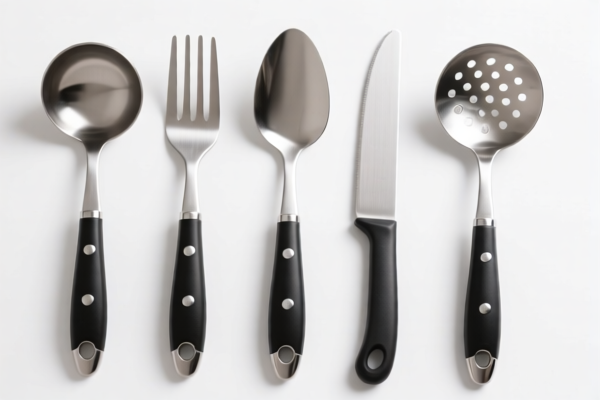
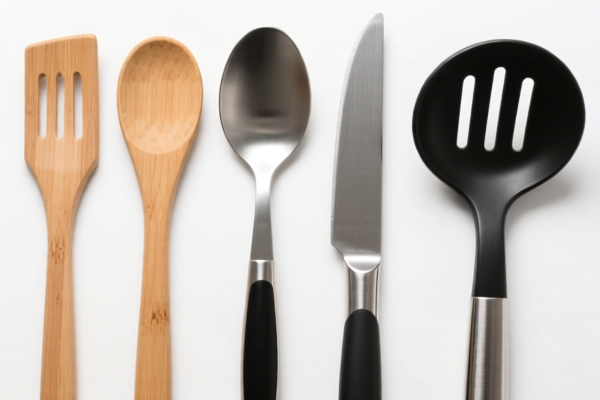
AI分析
🍳 Utensils & Cookware (Kitchenware Classification Guide)
🌐 HS Code Reference & Customs Clearance Guide | 2026 Latest Tariff Analysis | Professional Clearance Strategy
📌 I. Product Definition: What Exactly Are "Utensils"?
"Utensils" is a broad category in international trade, typically referring to tools or containers used in the kitchen for food preparation, cooking, or serving. In customs classification, the material is the single most critical factor determining the HS Code and, consequently, the tariff burden.
⚠️ Critical Distinction:
- Ceramic/Porcelain: High bulk, low risk of damage if packed well, but heavy.
- Metal (Stainless Steel/Aluminum): Durable, lightweight, but subject to heavy "Section 301" style surcharges.
- Wood: Natural product, often faces stricter phytosanitary or material restrictions.
- Copper: Premium material, often higher duties due to specific metallic product lists.
📦 II. HS Code Classification Details (Based on Provided Data)
The following table maps specific utensil types to their corresponding HS Codes and tax structures as defined in the dataset.
| HS Code | Material / Type | Summary Description | Total Tax Rate | Key Tax Components |
|---|---|---|---|---|
6911.10.80.10 |
Ceramic | Cookware, Ceramic material, for food/drink contact | 38.3% | Base: 20.8% Supplemental: 7.5% Section 122: 10% |
7323.93.00.45 |
Stainless Steel/Metal | Cookware, Stainless Steel or Metal material | 62.0% | Base: 2.0% Supplemental: 0.0% Section 122: 10% Steel/Alu/Cu Surcharge: 50% |
6911.10.80.90 |
Porcelain | Cookware, Porcelain or Earthenware material | 38.3% | Base: 20.8% Supplemental: 7.5% Section 122: 10% |
7418.10.00.53 |
Copper | Cookware, Copper or Copper Alloy material | 70.5% | Base: 3.0% Supplemental: 7.5% Section 122: 10% Steel/Alu/Cu Surcharge: 50% |
7418.10.00.51 |
Copper (Home Use) | Home Cookware, Copper material, fits definition | 70.5% | Base: 3.0% Supplemental: 7.5% Section 122: 10% Steel/Alu/Cu Surcharge: 50% |
4419.90.11.00 |
Wood | Kitchen Utensils, Wood material | 15.3% | Base: 5.3% Supplemental: 0.0% Section 122: 10% |
🔍 Important Note on Material Surcharges:
- Codes7323.93.00.45,7418.10.00.53, and7418.10.00.51explicitly include a "50% Surcharge for Steel, Aluminum, and Copper Products." This drastically increases the total tax burden for metal cookware compared to ceramic or wood.
💰 III. Detailed Tariff Rate Breakdown (2026 Latest)
🎯 1. Ceramic & Porcelain Cookware (6911.10.80.10 & 6911.10.80.90)
- Total Tax Rate: 38.3%
- Breakdown:
- Base Tariff: 20.8%
- Supplemental Tariff: 7.5%
- Section 122 Tariff: 10%
- Calculation:
CIF Value × 38.3% - Analysis: This is a moderate-to-high tariff. While the base tariff is nearly 21%, the addition of supplemental and Section 122 taxes pushes it over 38%. No specific metal surcharge applies, making it cheaper than steel/copper options.
🎯 2. Stainless Steel & Metal Cookware (7323.93.00.45)
- Total Tax Rate: 62.0%
- Breakdown:
- Base Tariff: 2.0% (Very low base!)
- Supplemental Tariff: 0.0%
- Section 122 Tariff: 10%
- Metal/Alloy Surcharge: 50% (Steel, Aluminum, Copper Products)
- Calculation:
CIF Value × 62.0% - Analysis: Despite a low base tariff of only 2%, the 50% surcharge for steel/aluminum/copper dominates the cost structure. This is a high-cost category due to protective trade measures on metals.
🎯 3. Copper Cookware (7418.10.00.53 & 7418.10.00.51)
- Total Tax Rate: 70.5%
- Breakdown:
- Base Tariff: 3.0%
- Supplemental Tariff: 7.5%
- Section 122 Tariff: 10%
- Metal/Alloy Surcharge: 50% (Steel, Aluminum, Copper Products)
- Calculation:
CIF Value × 70.5% - Analysis: The highest tax rate among all categories. Copper falls under the same 50% surcharge rule as steel. The 3% base + 7.5% supplemental + 10% Section 122 + 50% surcharge = 70.5%. This is extremely expensive for importers.
🎯 4. Wooden Utensils (4419.90.11.00)
- Total Tax Rate: 15.3%
- Breakdown:
- Base Tariff: 5.3%
- Supplemental Tariff: 0.0%
- Section 122 Tariff: 10%
- Calculation:
CIF Value × 15.3% - Analysis: The most cost-effective option. No metal surcharge applies. The total tax is less than half of ceramic and one-quarter of copper. Ideal for budget-conscious importers.
🛠️ IV. Customs Clearance Practical Advice
✅ 1. Preparation Checklist (Mandatory)
| Document | Required? | Notes |
|---|---|---|
| Product Specification Sheet | ✔️ | Must clearly state Material (e.g., "100% Ceramic," "Stainless Steel 304," "Bamboo Wood"). |
| Material Composition Report | ✔️ | Crucial for metal items to confirm alloy types (Steel vs. Copper vs. Aluminum). |
| Commercial Invoice | ✔️ | Must match HS Code description exactly. |
| Packing List | ✔️ | Include weight and dimensions to verify CIF value. |
| Country of Origin Certificate | ✔️ | Needed to determine if surcharges apply (e.g., Section 122 or metal surcharges). |
✅ 2. Classification Tips (Avoid Misclassification!)
| Scenario | Correct HS Code | Risk if Incorrect |
|---|---|---|
| Non-stick Ceramic Pan | 6911.10.80.10 |
If misclassified as metal → 34.2% higher tax! |
| Stainless Steel Pot | 7323.93.00.45 |
If misclassified as ceramic → Risk of fraud penalties & 62% vs 38.3% dispute. |
| Copper-bottomed Pan | 7418.10.00.53 |
If only labeled "Stainless Steel" → Customs may reclassify as Copper → 70.5% tax! |
| Wooden Spoon | 4419.90.11.00 |
If labeled as "Plastic" → Different HS code, different rate. |
🔥 Golden Rule:
"Material is King! Declare the primary cooking surface material."
- If the pan is ceramic →6911
- If the pan is steel →7323
- If the pan is copper →7418
- If the utensil is wood →4419
✅ 3. Special Considerations for Metal Products
- 50% Surcharge Alert: For
7323.93.00.45,7418.10.00.53, and7418.10.00.51, the 50% surcharge is non-negotiable for steel, aluminum, and copper products from the specified origin. - Copper Specifics: Even small copper components (e.g., copper-clad bottoms) may trigger the
7418code and the 50% surcharge. Ensure your supplier provides a clear material breakdown. - Ceramic Coatings: If a metal pan has a ceramic coating, it is still classified under Metal (7323), not Ceramic (6911). The base material determines the HS Code.
🌍 V. Global Market Comparison (Based on Data Structure)
| Market | Likely Tax Impact | Notes |
|---|---|---|
| USA | High (due to Section 122 & Metal Surcharges) | Data reflects US-style surcharges (Section 122, 50% metal surcharge). |
| EU | Lower (No Section 122) | Would not have the 10% Section 122 tax. Metal surcharges vary. |
| China | Moderate | Base tariffs may differ; no Section 122. |
📌 Conclusion:
- Wooden Utensils (4419.90.11.00) are the most tax-efficient choice (15.3%).
- Copper Cookware (7418.10.00.53) is the most expensive (70.5%).
- Ceramic (6911.10.80.10) is a middle-ground option (38.3%), balancing cost and durability.
📌 VI. Common Mistakes & Pitfalls (Learn from Others!)
❌ Mistake 1: Classifying a Copper-bottomed Stainless Steel Pan as 7323.93.00.45 only.
👉 Risk: Customs may reclassify as 7418 (Copper) if copper content is significant → Tax jumps from 62% to 70.5%.
❌ Mistake 2: Declaring Ceramic Coated Metal as 6911.10.80.10 (Ceramic).
👉 Risk: Under-declaration of value/tax. Metal surcharges and base tariffs differ. Correction leads to back-taxes and penalties.
❌ Mistake 3: Ignoring the 50% Metal Surcharge.
👉 Risk: Budget blowouts. A $1,000 shipment of stainless steel pots will incur $500 in surcharges alone, not just the base 2%.
✅ Correct Strategy:
"Specify Primary Material clearly on Invoice. Provide Material Composition Certificate. Use HS Code Pre-ruling for mixed-material goods (e.g., copper-clad pans)."
🎯 VII. Final Recommendation
🎯 Remember the Tax Hierarchy:
🔹 Wood (15.3%) < Ceramic (38.3%) < Stainless Steel (62.0%) < Copper (70.5%)
🔹 Metal Surcharge (50%) is the Game Changer! Avoid copper/steel if possible, or factor it into your pricing.
📌 Pro Tip:
If you are importing mixed-material cookware, consult a customs broker to determine the essential character of the product. Misclassification can lead to seizure or heavy fines. Always prioritize transparency in material declaration.
✨ Professional Clearance Starts with Accurate Classification!
💼 Your Margin Depends on the HS Code!
用户评价
关于 HS 编码归类
协调制度(HS)是由世界海关组织(WCO)制定的国际贸易商品分类标准。全球 200 多个国家采用 HS 系统作为海关关税、贸易统计和进出口监管的基础。
每个 HS 编码遵循以下层级结构:
- 章(2 位)——商品大类(例如:第 84 章:机器和机械设备)
- 品目(4 位)——章内的更具体分类
- 子目(6 位)——国际通用细分,所有 WCO 成员国统一使用
- 本国细分(8-10 位)——各国自行扩展的细分编码,如美国 HTSUS 10 位编码
正确的 HS 编码归类对于顺利通关、准确缴纳关税和遵守贸易法规至关重要。错误归类可能导致海关延误、多缴关税或罚款。
从CN进口到US时,适用的关税税率可能包括:
- 最惠国(MFN)税率——适用于 WTO 成员国的标准关税税率
- 普通税率——适用于无贸易协定国家
- 贸易救济关税——附加关税,如 301 条款(反倾销)、232 条款(国家安全)或反补贴税
本页内容仅供参考。如需正式归类,请咨询当地海关或持牌报关代理。