Vacuum Bag
CN → US| HS编码 | 关税税率 | 原产国 | 目的国 | 文档 |
|---|---|---|---|---|
| 3923210030 | 38.0% | CN | US | 官方文档 |
| 3923210080 | 38.0% | CN | US | 官方文档 |
商品图片
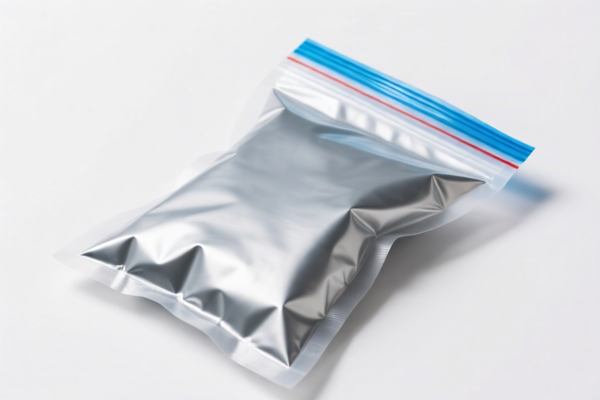
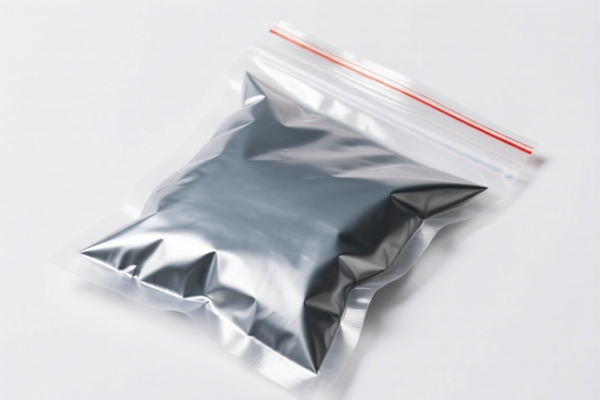
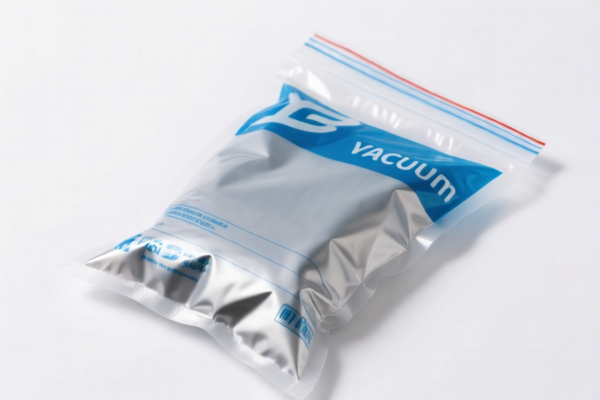
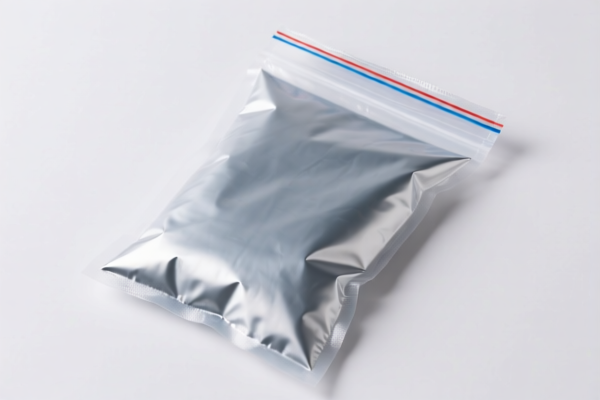
AI分析
🎒 Vacuum Bags (Reclosable Plastic Packaging)
🌐 HS Code Reference & Clearance Guide | 2026 Latest Tariff Analysis | Professional Customs Strategy
📌 I. Product Definition & Classification: Do You Really Understand "Vacuum Bags"?
Vacuum bags are flexible packaging solutions designed to remove air from the container, extending the shelf life of food, clothing, or medical supplies. In international trade, the specific HS code depends entirely on the material composition and the closure mechanism.
Polyethylene Sacks and Bags: The most common type, used for food storage and logistics.
Reclosable Feature: The presence of an "integral extruded closure" (a zipper-like seal made of the same plastic) is a critical differentiator.
⚠️ Key Distinction Point:
- If the bag is made of Polyethylene and features a Reclosable, integral extruded closure (zipper) → It falls under 3923.21.00.30.
- If the bag is made of Polyethylene but is NOT reclosable (e.g., heat-sealed only) AND has a side length exceeding 75mm → It falls under 3923.21.00.80.
- Note: Bags with no single side exceeding 75mm are also categorized under 3923.21.00.80, regardless of closure type.
📦 II. HS Code Classification Details (2026 Latest Tariff Authority Cross-Reference)
| HS Code | Product Description | Applicable Scenario | Key Feature |
|---|---|---|---|
3923.21.00.30 |
Articles for conveyance/packing of goods, of plastics: Sacks and bags... Of polymers of ethylene: Reclosable, with integral extruded closure: Other | Food vacuum bags with zippers, re-sealable storage bags | ✅ Reclosable (Zipper/Extruded Closure) |
3923.21.00.80 |
Articles for conveyance/packing of goods, of plastics; Sacks and bags... Of polymers of ethylene: Other: With no single side exceeding 75 mm in length | Non-reclosable polyethylene sacks, standard plastic bags | ❌ Non-reclosable OR Small Size (<75mm) |
🔍 Important Reminder:
- Material is Critical: These codes specifically apply to Polymers of Ethylene (e.g., LDPE, HDPE). If the bag is made of PP (Polypropylene), PVC, or Polyester, these HS codes are incorrect.
- "Other" Sub-category: The term "Other" in3923.21.00.30generally captures reclosable bags that do not fall into other specific exempted sub-lines.
- Size Threshold: For3923.21.00.80, if any single side of the bag is >75mm, it might not fit this specific "no single side exceeding" clause unless it's the general "Other" bucket for non-reclosable ethylene bags. However, based on the provided data, 3923.21.00.80 is linked to "With no single side exceeding 75 mm".
💰 III. 2026 Latest Tariff Rate Detailed Breakdown (Including Additional Taxes)
✅ Applicable Country: United States (US)
✅ Origin: China (CN) (Implied by the 25% additional tariff context in the data)
✅ Effective Time: Current (Reflecting ongoing Section 301 tariffs)
🎯 1. 3923.21.00.30 —— Reclosable Polyethylene Vacuum Bags (With Zipper)
| Item | Content |
|---|---|
| Base Tariff Rate | 3.0% (ad valorem) |
| Additional Tariff (Section 301) | +25.0% |
| Total Tariff Rate | 28.0% |
| Tax Calculation | CIF Value × 28% |
| De Minimis Exemption | ❌ Not Applicable (High threshold for de minimis does not negate Section 301 duties for this category in many contexts, or specifically excluded) |
| Legal Basis Path | HTSUS: 3923.21.00.30 → Section 301 Footnote |
📌 Explanation:
- The 3% is the standard Most Favored Nation (MFN) rate for plastic sacks/bags.
- The 25% is the punitive additional duty imposed on Chinese-origin plastic packaging goods under US Trade Law Section 301.
- Total 28% is a significant cost driver for low-margin plastic packaging exports.
🎯 2. 3923.21.00.80 —— Non-Reclosable or Small Polyethylene Sacks/Bags
| Item | Content |
|---|---|
| Base Tariff Rate | 3.0% (ad valorem) |
| Additional Tariff (Section 301) | +25.0% |
| Total Tariff Rate | 28.0% |
| Tax Calculation | CIF Value × 28% |
| De Minimis Exemption | ❌ Not Applicable |
| Legal Basis Path | HTSUS: 3923.21.00.80 → Section 301 Footnote |
📌 Note:
- Even though these are "standard" sacks, they are subject to the same 28% total duty as reclosable bags.
- There is no tariff advantage for choosing non-reclosable over reclosable in this specific HS code block under current US-China trade rules.
🛠️ IV. Clearance Practical Advice (Real-World Pitfall Guide)
✅ 1. Preparation Checklist (Nothing Missing)
| Document | Required | Description |
|---|---|---|
| ✅ Product Specification Sheet | ✔️ | Must specify: Material (e.g., LDPE/HDPE), Thickness (microns/mils), Closure Type (Zipper vs. Heat Seal), Size. |
| ✅ Photos of Packaging | ✔️ | Clear images of the closure mechanism. Is it an extruded zipper (for .30) or a simple open end? |
| ✅ Commercial Invoice | ✔️ | Must clearly state "Vacuum Bags" and HS Code 3923.21.00.30 or 80. Avoid vague terms like "Plastic Bags". |
| ✅ Packing List | ✔️ | Detail the quantity and weight. |
| ✅ Material Safety Data Sheet (MSDS) | ✔️ | Sometimes requested to confirm plastic type (Ethylene-based). |
✅ 2. Declaration Tips (Key Mantra)
🔥 "Material First, Closure Second, Size Third!"
| Scenario | Correct Declaration | Wrong Practice |
|---|---|---|
| Reclosable Zipper Bag | 3923.21.00.30 |
Misdeclare as .80 to save time (high risk of penalty) |
| Non-Reclosable Bag (Large) | 3923.21.00.80 (if <75mm side) or check other codes if >75mm |
Do not force into .80 if dimensions exceed limits |
| Non-Ethylene Plastic (e.g., PP) | Different HS Code (e.g., 3923.29) | CRITICAL ERROR: Do not use 3923.21 codes for PP bags. |
| Combined Shipment | Separate Lines | Bundle Zipper and Non-Zipper on one line → Confusion & Audit Risk |
✅ 3. Special Circumstances Handling
| Situation | Handling Advice |
|---|---|
| OEM Bags with Customer Logo | Provide a Letter of Authorization from the brand owner to prove you are the manufacturer or authorized agent. |
| Food-Grade Vacuum Bags | Include FDA Compliance Statement on the invoice. Customs may inspect for food contact safety. |
| Mixed Material Bags | If the bag has a PE layer and a PET layer, the classification might change. Consult a customs broker. |
| Small Quantity Samples | Even small shipments are subject to the 28% duty. Do not assume samples are tax-free. |
🌍 V. Global Market Clearance Comparison (2026 Latest)
| Country/Region | Recommended HS Code | Tariff (China Origin) | Certification | Notes |
|---|---|---|---|---|
| 🇺🇸 USA | 3923.21.00.30 / .80 |
28% (3% + 25%) | FDA (if food contact) | High tariff burden due to Section 301 |
| 🇨🇳 China | 3923.21 |
~5-10% | CCC (if applicable) | Lower tariff, standard customs clearance |
| 🇪🇺 EU | 3923.21 |
0-6.5% | REACH, LFGB | No additional punitive tariffs, but strict chemical compliance |
| 🇬🇧 UK | 3923.21 |
0-6.5% | UKCA | Post-Brexit rules apply |
| 🇯🇵 Japan | 3923.21 |
3-4% | JIS | Standard clearance |
📌 Conclusion:
- The US market is the most expensive for Chinese-made plastic bags due to the 25% additional tariff.
- EU and Asia offer significantly lower duty rates but require strict chemical compliance (REACH in EU).
- Cost Optimization: For US-bound goods, consider if duty drawback programs apply or if supply chain relocation (e.g., to Vietnam) is viable for large volumes.
📌 VI. Common Mistakes & Pitfall Guide (Blood & Tears Lessons)
❌ Mistake 1: Declaring PP Bags as 3923.21 (Polyethylene)
👉 Consequence: Customs reclassification → Higher Duty + Fine + Delay.
Fix: Always verify the resin type.
❌ Mistake 2: Ignoring the Closure Type
👉 Consequence: Misuse of .30 vs .80. While the tax is the same (28%) in the provided data, incorrect description leads to customs audits and potential demurrage charges.
❌ Mistake 3: Claiming De Minimis for < $800 Shipments
👉 Consequence: Section 301 tariffs often apply regardless of value for certain goods, or the carrier may still assess duties.
Fix: Always declare accurately and pay the 28% if required by current policy.
❌ Mistake 4: Vague Description: "Plastic Bags"
👉 Consequence: High risk of manual inspection.
Fix: Use "Vacuum Storage Bags, Polyethylene, Reclosable, 50 Micron".
✅ Correct Approach:
"Vacuum Bags, Polyethylene (LDPE), Reclosable with Extruded Zipper Closure, Size 30x40cm, FDA Compliant for Food Contact"
🎯 VII. Conclusion: Precise Classification, Smart Sourcing!
🎯 Remember the Mantra:
🔹 "Ethylene Base, Zipper vs. Seal, 28% Tax for US!"
🔹 "Check the Material, Verify the Closure, Avoid the Penalty!"
📌 Pro Tip:
If you are exporting large volumes to the US, consider:
1. Duty Drawback: If you re-export the goods or use them in manufacturing that is exported.
2. Supply Chain Diversification: Sourcing or assembling in Vietnam, Mexico, or Thailand may allow for lower or zero additional tariffs under FTAs or by avoiding Section 301 lists.
3. Advance Ruling: Apply for a Binding Ruling from US Customs to confirm the HS code before shipping.
📣 Immediate Action:
📞 Contact a Licensed Customs Broker + Provide Product Specs + Verify Material Composition
🚀 Ensure Smooth Clearance, Compliance, and Cost Control!
✨ Professional Clearance Starts with Accurate Classification!
💼 Every Percent of Duty Saved is Pure Profit!
用户评价
关于 HS 编码归类
协调制度(HS)是由世界海关组织(WCO)制定的国际贸易商品分类标准。全球 200 多个国家采用 HS 系统作为海关关税、贸易统计和进出口监管的基础。
每个 HS 编码遵循以下层级结构:
- 章(2 位)——商品大类(例如:第 84 章:机器和机械设备)
- 品目(4 位)——章内的更具体分类
- 子目(6 位)——国际通用细分,所有 WCO 成员国统一使用
- 本国细分(8-10 位)——各国自行扩展的细分编码,如美国 HTSUS 10 位编码
正确的 HS 编码归类对于顺利通关、准确缴纳关税和遵守贸易法规至关重要。错误归类可能导致海关延误、多缴关税或罚款。
从CN进口到US时,适用的关税税率可能包括:
- 最惠国(MFN)税率——适用于 WTO 成员国的标准关税税率
- 普通税率——适用于无贸易协定国家
- 贸易救济关税——附加关税,如 301 条款(反倾销)、232 条款(国家安全)或反补贴税
本页内容仅供参考。如需正式归类,请咨询当地海关或持牌报关代理。