Vegetable Fiber Woven Floor Mats
CN → US| HS编码 | 关税税率 | 原产国 | 目的国 | 文档 |
|---|---|---|---|---|
| 5705002090 | 38.3% | CN | US | 官方文档 |
| 4601214000 | 38.3% | CN | US | 官方文档 |
| 3926909989 | 22.8% | CN | US | 官方文档 |
| 5705001000 | 35.0% | CN | US | 官方文档 |
| 4601296000 | 39.8% | CN | US | 官方文档 |
商品图片
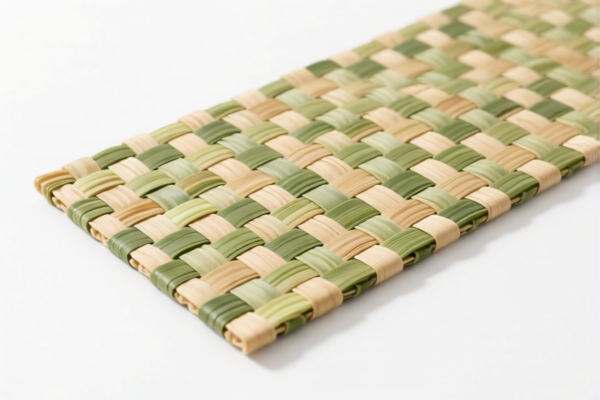
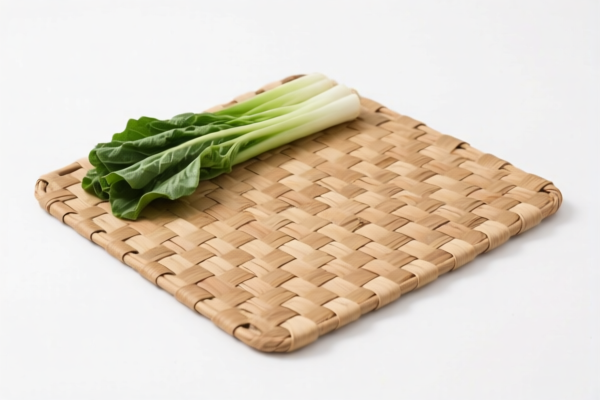
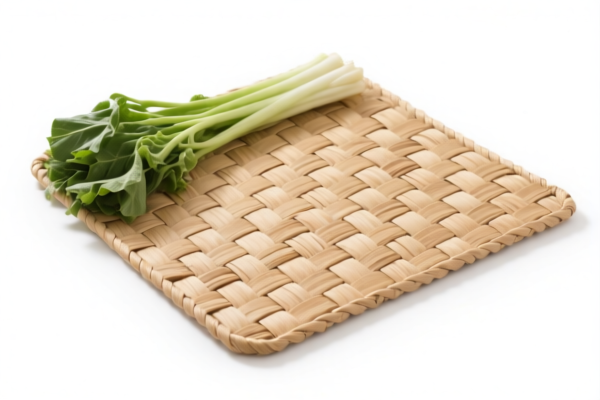
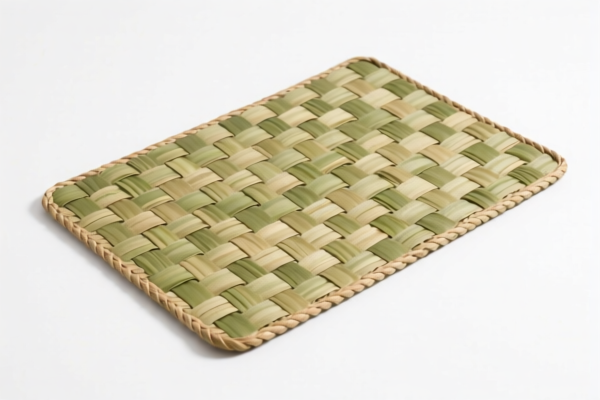
AI分析
🌿 Vegetable Fiber Woven Floor Mats: HS Code Classification & US Customs Clearance Guide
🌐 HS Code Reference & Customs Strategy | 2026 Latest Tariff Analysis | Professional Compliance Strategy
📌 I. Product Definition & Classification: What Are "Vegetable Fiber Woven Floor Mats"?
Vegetable fiber woven floor mats are textile or plant-based flooring coverings made from natural fibers (such as coconut coir, sisal, jute, or other plant materials) or synthetic substitutes. In international trade, they fall under two main categories based on material composition:
1. Textile Floor Coverings (Chapter 57):
- Made from natural textile fibers (e.g., coconut coir, sisal) or synthetic fibers.
- Includes "other carpets or other textile floor coverings" if not specifically listed elsewhere.
2. Woven Plant Fiber Mats (Chapter 46):
- Made from vegetable fibers (e.g., bamboo, rattan, or other plant materials).
- Classified as "woven mats, mats and matting" under Chapter 46.
⚠️ Key Distinction:
- If the mat is primarily textile-based (even if natural fibers like coconut are used), it may fall under HS 5705 ("Other carpets or other textile floor coverings").
- If the mat is woven plant fiber (e.g., bamboo, reed, or similar natural plant materials), it may fall under HS 4601 ("Woven mats, mats and matting, of vegetable materials").
- If the material is synthetic or plastic-based, it may fall under HS 3926 ("Other articles of plastic").
📦 II. HS Code Classification Details (2026 Latest Tariff Authority Comparison)
| HS Code | Product Description | Applicable Scenario | Material Basis | Total Tax Rate |
|---|---|---|---|---|
5705.00.20.90 |
Other carpets or other textile floor coverings (excluding tufted, felt, or coir) | Mats made from synthetic or natural textile fibers | Textile fibers | 38.3% |
4601.21.40.00 |
Woven mats of bamboo or other vegetable materials | Mats made from bamboo, rattan, or similar plant fibers | Plant fibers (vegetable) | 38.3% |
3926.90.99.89 |
Other articles of plastic (not elsewhere specified) | Mats made from synthetic/plastic materials | Synthetic/plastic | 22.8% |
5705.00.10.00 |
Coir mats or other textile floor coverings of coconut fibers | Mats made from coconut coir or similar natural fibers | Natural plant fibers (coconut) | 35.0% |
4601.29.60.00 |
Woven mats of other vegetable materials | Mats made from sisal, jute, or other vegetable fibers | Plant fibers (vegetable) | 39.8% |
🔍 Key Notes:
- HS 5705 applies to textile-based floor coverings, including those made from natural fibers like coconut coir.
- HS 4601 applies to woven mats made from vegetable materials (e.g., bamboo, rattan, sisal).
- HS 3926 applies to synthetic/plastic-based mats.
- Tariff rates vary based on material origin, construction, and additional duties (USITC Section 301 tariffs, IEEPA tariffs).
💰 III. 2026 Latest Tariff Rate Breakdown (Including Additional Duties & Policy Surcharges)
✅ Applicable Country: United States (US)
✅ Origin: China (CN)
✅ Effective Date: From November 10, 2025 (including subsequent imports)
🎯 1. 5705.00.20.90 —— Other Textile Floor Coverings
| Item | Content |
|---|---|
| Base Tariff | 3.3% (ad valorem) |
| USITC Surcharge | +25.0% (USITC Footnote 9903.88.01) |
| IEEPA Surcharge | +10.0% (China/HK products, effective Nov 10, 2025) |
| Total Rate | 38.3% |
| Calculation | CIF Value × 38.3% |
| De Minimis Exemption | ❌ Not Allowed (deny_de_minimis) |
| Legal Pathway | IEEPA:9903.01.25 → IEEPA:9903.01.24 → USITC:5705.00.20.90 → FOOTNOTE:9903.88.01 |
📌 Explanation:
- The 25% USITC surcharge is under the "Section 301" additional tariffs.
- The 10% IEEPA surcharge is under the "International Emergency Economic Powers Act" for China-origin goods.
- Total 38.3% is a high tariff, requiring careful cost planning.
🎯 2. 4601.21.40.00 —— Woven Mats of Bamboo/Vegetable Materials
| Item | Content |
|---|---|
| Base Tariff | 3.3% |
| USITC Surcharge | +25.0% |
| IEEPA Surcharge | +10.0% |
| Total Rate | 38.3% |
| Calculation | CIF Value × 38.3% |
| De Minimis Exemption | ❌ Not Allowed |
| Legal Pathway | IEEPA:9903.01.25 → IEEPA:9903.01.24 → USITC:4601.21.40.00 → FOOTNOTE:9903.88.01 |
📌 Note:
- Same tariff structure as5705.00.20.90.
- Applies to mats made from bamboo, rattan, or similar plant fibers.
🎯 3. 3926.90.99.89 —— Other Plastic Articles
| Item | Content |
|---|---|
| Base Tariff | 5.3% |
| USITC Surcharge | +7.5% |
| IEEPA Surcharge | +10.0% |
| Total Rate | 22.8% |
| Calculation | CIF Value × 22.8% |
| De Minimis Exemption | ❌ Not Allowed |
| Legal Pathway | IEEPA:9903.01.25 → IEEPA:9903.01.24 → USITC:3926.90.99.89 → FOOTNOTE:9903.88.01 |
📌 Note:
- Lower total tariff (22.8%) compared to textile/plant fiber mats.
- Applies to synthetic/plastic-based mats.
🎯 4. 5705.00.10.00 —— Coir Mats or Other Textile Floor Coverings
| Item | Content |
|---|---|
| Base Tariff | 0.0% |
| USITC Surcharge | +25.0% |
| IEEPA Surcharge | +10.0% |
| Total Rate | 35.0% |
| Calculation | CIF Value × 35.0% |
| De Minimis Exemption | ❌ Not Allowed |
| Legal Pathway | IEEPA:9903.01.25 → IEEPA:9903.01.24 → USITC:5705.00.10.00 → FOOTNOTE:9903.88.01 |
📌 Note:
- Zero base tariff, but high surcharges.
- Applies to coconut coir mats or similar natural fiber mats.
🎯 5. 4601.29.60.00 —— Woven Mats of Other Vegetable Materials
| Item | Content |
|---|---|
| Base Tariff | 4.8% |
| USITC Surcharge | +25.0% |
| IEEPA Surcharge | +10.0% |
| Total Rate | 39.8% |
| Calculation | CIF Value × 39.8% |
| De Minimis Exemption | ❌ Not Allowed |
| Legal Pathway | IEEPA:9903.01.25 → IEEPA:9903.01.24 → USITC:4601.29.60.00 → FOOTNOTE:9903.88.01 |
📌 Note:
- Highest total tariff (39.8%) among the listed codes.
- Applies to mats made from sisal, jute, or other vegetable fibers.
🛠️ IV. Customs Clearance Practical Advice (Avoiding Pitfalls)
✅ 1. Required Documentation Checklist
| Document | Required | Notes |
|---|---|---|
| ✅ Product Specification Sheet | ✔️ | Include size, fiber type, weave pattern, weight |
| ✅ Material Composition Certificate | ✔️ | Confirm if natural, synthetic, or blended fibers |
| ✅ Product Photos (with Label) | ✔️ | Show brand, model, material type, and origin |
| ✅ Third-Party Test Report | ✔️ | FCC, CE, RoHS, UL (if applicable) |
| ✅ Commercial Invoice | ✔️ | Clearly state "Woven Floor Mat, Vegetable Fiber" |
| ✅ Certificate of Origin (CO) | ✔️ | If non-China origin, eligible for preferential rates |
| ✅ Packing List | ✔️ | Clarify if mat includes backing, adhesive, or packaging |
✅ 2. Declaration Strategy (Key Mantra)
🔥 "Material First, Usage Second, Name Precise, Tariff Predictable!"
| Scenario | Correct Declaration | Mistake to Avoid |
|---|---|---|
| Natural fiber mat (coconut, sisal) | 5705.00.10.00 or 4601.29.60.00 |
Misdeclare as "plastic" → 22.8% vs 39.8% |
| Synthetic/plastic mat | 3926.90.99.89 |
Misdeclare as "textile" → 38.3% vs 22.8% |
| Bamboo/woven plant mat | 4601.21.40.00 |
Misdeclare as "carpet" → 38.3% vs 38.3% (same, but wrong classification) |
| Mixed material mat | Provide Material Breakdown | Omit details → Audit risk |
✅ 3. Special Cases Handling
| Scenario | Recommendation |
|---|---|
| OEM Custom Mats | Provide customer PO + material specs to avoid misclassification |
| Mats with Non-Woven Backing | Declare as single unit; do not split into "mat + backing" |
| Mat for Outdoor Use | Still classified under HS 4601/5705; no special exemption |
| Mat with Rubber/Plastic Layer | May fall under 3926; provide material composition proof |
🌍 V. Global Customs Clearance Comparison (2026 Latest)
| Country/Region | Recommended HS Code | Tariff | Certification Requirements | Notes |
|---|---|---|---|---|
| 🇺🇸 USA | 5705.00.20.90 / 4601.21.40.00 / 3926.90.99.89 |
22.8%–39.8% | FCC, RoHS (if applicable) | High surcharges for China-origin |
| 🇨🇳 China | 5705.00.20.90 / 4601.21.40.00 |
5%–10% | CCC (if applicable) | No additional tariffs |
| 🇪🇺 EU | 5705.00.20.90 / 4601.21.40.00 |
0%–5% | CE, REACH | No surcharges |
| 🇦🇺 Australia | 5705.00.20.90 / 4601.21.40.00 |
5% | RCM | No surcharges |
| 🇯🇵 Japan | 5705.00.20.90 / 4601.21.40.00 |
0%–5% | PSE | No surcharges |
📌 Conclusion:
- USA is the only market with high additional tariffs for China-origin mats.
- China-origin mats face 22.8%–39.8% total tariffs in the US, making cost planning critical.
- EU, Japan, Australia offer lower tariffs and fewer surcharges.
📌 VI. Common Mistakes & Pitfall Avoidance
❌ Mistake 1: Declaring "vegetable fiber mat" as "plastic mat"
👉 Consequence: Tariff drops from 38.3% to 22.8% → Audit risk + penalties!
❌ Mistake 2: Not providing material composition proof
👉 Consequence: Customs classifies as "miscellaneous" → Delay or return!
❌ Mistake 3: Splitting "mat + backing" into separate declarations
👉 Consequence: Each item taxed separately → Total tariff exceeds 100%!
❌ Mistake 4: Using vague terms like "floor covering" without specifying material
👉 Consequence: Customs reclassifies → Higher tariff +滞纳金!
✅ Correct Approach:
"Woven Floor Mat, 24"x36", Natural Coconut Fiber, Non-Slip Rubber Backing, Model XYZ, RoHS Certified"
🎯 VII. Conclusion: Precise Classification, Smooth Clearance, Cost Savings!
🎯 Key Takeaways:
🔹 "Material Defines HS Code, Tariff Follows Classification"
🔹 "38.3%–39.8% for Natural/Synthetic Mats in US, 22.8% for Plastic"
🔹 "Declare Accurately, Save Thousands, Avoid Audits!"
📌 Pro Tip:
If your mats are originated in Vietnam, Mexico, Thailand, or Malaysia, you may qualify for IEEPA exemptions, reducing tariffs to 0%–5%.
Apply for an Advance Ruling before shipment to avoid clearance risks.
📣 Take Action Now:
📞 Contact a professional customs broker + Provide product photos + Apply for HS Code Advance Ruling
🚀 Ensure smooth clearance, reduce costs, and maximize profits!
✨ Professional Customs Clearance Starts with Accurate Classification!
💼 Every Dollar Counts, Every Classification Matters!
用户评价
关于 HS 编码归类
协调制度(HS)是由世界海关组织(WCO)制定的国际贸易商品分类标准。全球 200 多个国家采用 HS 系统作为海关关税、贸易统计和进出口监管的基础。
每个 HS 编码遵循以下层级结构:
- 章(2 位)——商品大类(例如:第 84 章:机器和机械设备)
- 品目(4 位)——章内的更具体分类
- 子目(6 位)——国际通用细分,所有 WCO 成员国统一使用
- 本国细分(8-10 位)——各国自行扩展的细分编码,如美国 HTSUS 10 位编码
正确的 HS 编码归类对于顺利通关、准确缴纳关税和遵守贸易法规至关重要。错误归类可能导致海关延误、多缴关税或罚款。
从CN进口到US时,适用的关税税率可能包括:
- 最惠国(MFN)税率——适用于 WTO 成员国的标准关税税率
- 普通税率——适用于无贸易协定国家
- 贸易救济关税——附加关税,如 301 条款(反倾销)、232 条款(国家安全)或反补贴税
本页内容仅供参考。如需正式归类,请咨询当地海关或持牌报关代理。