Vegetable Slicer
CN → US| HS编码 | 关税税率 | 原产国 | 目的国 | 文档 |
|---|---|---|---|---|
| 8210000000 | 38.7% | CN | US | 官方文档 |
| 3924104000 | 13.4% | CN | US | 官方文档 |
| 8438600000 | 35.0% | CN | US | 官方文档 |
| 8438800000 | 35.0% | CN | US | 官方文档 |
| 8438800000 | 35.0% | CN | US | 官方文档 |
商品图片
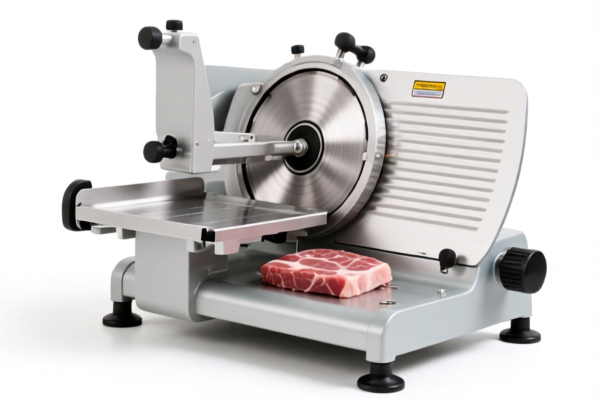
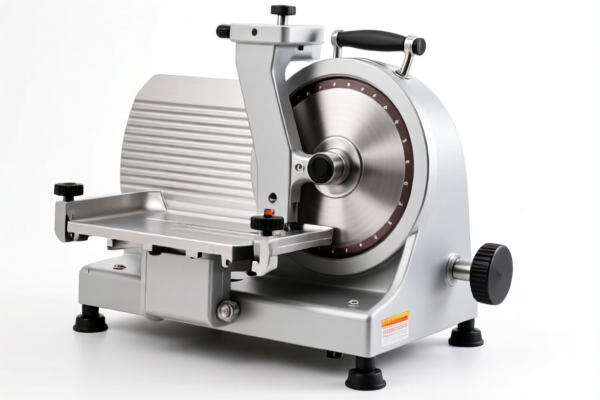


AI分析
🥕 Vegetable Slicer (Dicer/Chopper)
🌐 HS Code Reference & Customs Clearance Guide | 2026 Latest Tariff Analysis | Professional Clearance Strategy
📌 1. Product Definition & Classification: What Exactly is a "Vegetable Slicer"?
A "Vegetable Slicer" is a broad term covering tools used for food preparation. In international trade, the classification depends heavily on two factors: Material and Mechanism (Manual vs. Mechanical/Industrial). Misclassification here leads to drastic duty differences due to US-China trade tensions (Section 301 & 122 tariffs).
⚠️ Critical Distinction:
- Manual Hand Tools (Plastic/Metal): Often classified under kitchen utensils or cutlery cases.
- Electric/Industrial Machines: Classified under food processing machinery.
- Material Matters: Plastic parts can sometimes shift classification to Chapter 39 (Plastics) if considered "Tableware/Kitchenware" rather than metal tools.
📦 2. HS Code Classification Details (2026 Latest Tariff Authority)
| HS Code | Product Description | Application Scenario | Mechanism/Material |
|---|---|---|---|
8210.00.00.00 |
Hand-operated mechanical appliances (for food prep) | Manual vegetable choppers, mandolins, handheld dicers | Manual, often metal or hybrid |
3924.10.40.00 |
Tableware, kitchenware & other household articles of plastics | Plastic vegetable dicers, silicone scrapers, plastic chopping boards with blades | Plastic/Silicone, non-electric |
8438.60.00.00 |
Machinery for preparing vegetables or fruit | Industrial vegetable slicers, electric choppers | Electric/Mechanical |
8438.80.00.00 |
Other food, beverage, or tobacco processing machinery | Industrial food preparation machines, commercial slicers | Electric/Industrial Grade |
🔍 Key Reminder:
- Manual Plastic Dicers: Often fall under3924.10.40.00if primarily plastic kitchenware.
- Manual Metal/Complex Tools: Fall under8210.00.00.00as "hand-operated mechanical appliances."
- Electric/Commercial Units: Must be classified under Chapter 84 (8438.60or8438.80). Do not classify an electric slicer as a manual tool!
💰 3. 2026 Latest Tariff Rate Breakdown (Including Additional Duties & Policies)
✅ Applicable Country: United States (US)
✅ Origin: China (CN)
✅ Effective Time: Current trade policies (Section 301 + Section 122)
🎯 1. 8210.00.00.00 —— Hand-Operated Mechanical Appliances (Food Prep)
| Item | Content |
|---|---|
| Base Tariff | 3.7% (Ad Valorem) |
| Section 301 Additional | +25.0% (Trade Act Section 301) |
| Section 122 Additional | +10.0% (Bilateral Trade Act Section 122) |
| Total Rate | 38.7% |
| Tax Calculation | CIF Value × 38.7% |
| De Minimis Exemption | ❌ Not Eligible (Deny De Minimis for China-origin goods under these sections) |
| Legal Basis Path | USITC:8210.00.00.00 → Footnote:301 → Footnote:122 |
📌 Explanation:
- This code applies to manual vegetable slicers (e.g., handheld mandolins, crank choppers).
- The 38.7% total rate is extremely high due to the cumulative effect of Section 301 (25%) and Section 122 (10%) on top of the base 3.7%.
- Warning: Even though it's a "simple" tool, the trade penalties apply fully.
🎯 2. 3924.10.40.00 —— Plastic Tableware/Kitchenware
| Item | Content |
|---|---|
| Base Tariff | 3.4% (Ad Valorem) |
| Section 301 Additional | 0.0% (Exempt under certain plastic household goods lists or specific subheadings) |
| Section 122 Additional | +10.0% (Bilateral Trade Act Section 122) |
| Total Rate | 13.4% |
| Tax Calculation | CIF Value × 13.4% |
| De Minimis Exemption | ❌ Not Eligible (For China-origin goods) |
| Legal Basis Path | USITC:3924.10.40.00 → Footnote:122 |
📌 Explanation:
- This code applies to plastic vegetable slicers/dicers.
- Crucial Advantage: If your product is made of plastic and fits this specific subheading, it avoids the 25% Section 301 tariff, saving you significant cost.
- Total rate is only 13.4%, making it the most cost-effective classification for plastic manual slicers.
🎯 3. 8438.60.00.00 & 8438.80.00.00 —— Food Processing Machinery
| Item | Content |
|---|---|
| Base Tariff | 0.0% (Ad Valorem) |
| Section 301 Additional | +25.0% |
| Section 122 Additional | +10.0% |
| Total Rate | 35.0% |
| Tax Calculation | CIF Value × 35.0% |
| De Minimis Exemption | ❌ Not Eligible |
| Legal Basis Path | USITC:8438.60/80 → Footnote:301 → Footnote:122 |
📌 Explanation:
- Applies to electric or industrial vegetable slicers.
- While the base rate is 0%, the addition of 25% + 10% brings it to 35.0%.
- Note:8438.60is for specific vegetable/fruit prep;8438.80is for other food prep machinery. Both have the same total rate for Chinese origin.
🛠️ 4. Customs Clearance Practical Advice (Real-World Pitfall Guide)
✅ 1. Required Documentation Checklist
| Document | Must Provide | Explanation |
|---|---|---|
| ✅ Product Photos | ✔️ | Clear images showing material (plastic vs. metal) and mechanism (manual handle vs. electric motor). |
| ✅ Specification Sheet | ✔️ | Must state: "Manual," "Electric," "Plastic," "Metal," or "Stainless Steel." |
| ✅ Commercial Invoice | ✔️ | Description must match HS Code exactly (e.g., "Plastic Vegetable Dicer" for 3924 vs. "Metal Mandoline" for 8210). |
| ✅ Material Composition | ✔️ | If plastic, specify % of plastic vs. metal parts. >50% plastic usually supports 3924. |
✅ 2. Declaration Tips (Key Mantra)
🔥 "Plastic = Cheaper, Metal = Standard, Electric = 35%!"
| Scenario | Correct Declaration | Wrong Practice |
|---|---|---|
| Plastic Hand Slicer | 3924.10.40.00 (13.4%) |
Misdeclare as "Kitchen Utensil" → 38.7% |
| Metal Hand Mandoline | 8210.00.00.00 (38.7%) |
Misdeclare as "Plastic" → Penalty + Back Duties |
| Electric Chopper | 8438.60.00.00 (35.0%) |
Misdeclare as "Manual" → Customs Seizure |
| Set (Plastic + Metal) | Classify by Essential Character | Split parts → Higher aggregate tax |
📌 Note: If a product contains both plastic and metal parts, US Customs generally applies the "Essential Character" test. If the plastic component defines the product's function,
3924may be viable.
✅ 3. Special Cases
| Case | Handling Advice |
|---|---|
| OEM Custom Slicer | Provide design specs proving plastic construction. |
| Electric vs. Manual | Ensure invoice clearly states "Electric" or "Battery Operated" to avoid misclassification penalties. |
| Sets (Slicer + Knives) | Usually classified by the principal item. If slicer is plastic, whole set might fall under 3924 (consult broker). |
🌍 5. Global Market Customs Comparison (2026 Latest)
| Country/Region | Recommended HS Code | Tariff (China Origin) | Certification Required | Notes |
|---|---|---|---|---|
| 🇺🇸 USA | 3924.10.40.00 (Plastic) / 8210 (Metal) |
13.4% (Plastic) / 38.7% (Metal) | FDA (if food contact) | Plastic saves 25% Section 301! |
| 🇨🇳 China | 3924.10.40.00 |
5-9% | CCC (if electric) | No Section 122/301 |
| 🇪🇺 EU | 3924.10 (Plastic) |
4.5% | LFGB / EU 10/2011 | No retaliatory tariffs |
| 🇬🇧 UK | 3924.10 (Plastic) |
4.5% | UKCA / Food Standards | Post-Brexit rules apply |
| 🇯🇵 Japan | 3924.10 (Plastic) |
3-6% | FSC (Food Safety) | Strict food contact laws |
📌 Conclusion:
- USA is the hardest market due to Section 301 & 122 tariffs.
- Plastic manual slicers (3924.10.40.00) are the strategic choice for the US market, offering a 25% tariff saving compared to metal equivalents.
- Avoid classifying manual tools as machinery to prevent scrutiny.
📌 6. Common Errors & Pitfall Guide (Lessons Learned)
❌ Mistake 1: Classifying a Plastic Manual Slicer under 8210 (Metal Tools).
👉 Consequence: Paying 38.7% instead of 13.4%. You lose 25.3% of value in duty.
❌ Mistake 2: Classifying an Electric Chopper under 3924 (Plastic Kitchenware).
👉 Consequence: Customs rejection, penalty, and forced reclassification to 8438 (35%) plus late fees.
❌ Mistake 3: Ignoring Section 122 (10%).
👉 Consequence: Assuming only Section 301 (25%) applies. Section 122 adds an extra 10% to all listed items from China, regardless of Chapter 39 or 82.
✅ Correct Action:
"Plastic Vegetable Dicer, Manual, Food-Grade PP Material, Model ABC, FDA Compliant"
🎯 7. Conclusion: Strategic Classification for Cost Saving!
🎯 Remember the Mantra:
🔹 "Plastic Manual? Go
3924(13.4%)."
🔹 "Metal Manual? Go8210(38.7%)."
🔹 "Electric? Go8438(35%)."
🔹 "Never mix Manual and Electric in one HS Code!"📌 Pro Tip:
If you are exporting to the US, design your manual vegetable slicers with high-plastic content to qualify for3924.10.40.00. This saves you 25.3% in duties compared to the metal equivalent. Always verify with a licensed customs broker before shipment.
📣 Immediate Action:
📞 Contact a customs broker for a Pre-Ruling on your specific product composition.
🚀 Optimize your HS Code, save 25%, and ensure smooth clearance!
✨ Professional Clearance Starts with Precise Classification!
💼 Every Dollar Saved in Duty is Pure Profit!
用户评价
关于 HS 编码归类
协调制度(HS)是由世界海关组织(WCO)制定的国际贸易商品分类标准。全球 200 多个国家采用 HS 系统作为海关关税、贸易统计和进出口监管的基础。
每个 HS 编码遵循以下层级结构:
- 章(2 位)——商品大类(例如:第 84 章:机器和机械设备)
- 品目(4 位)——章内的更具体分类
- 子目(6 位)——国际通用细分,所有 WCO 成员国统一使用
- 本国细分(8-10 位)——各国自行扩展的细分编码,如美国 HTSUS 10 位编码
正确的 HS 编码归类对于顺利通关、准确缴纳关税和遵守贸易法规至关重要。错误归类可能导致海关延误、多缴关税或罚款。
从CN进口到US时,适用的关税税率可能包括:
- 最惠国(MFN)税率——适用于 WTO 成员国的标准关税税率
- 普通税率——适用于无贸易协定国家
- 贸易救济关税——附加关税,如 301 条款(反倾销)、232 条款(国家安全)或反补贴税
本页内容仅供参考。如需正式归类,请咨询当地海关或持牌报关代理。