Vehicle Body
CN → US| HS编码 | 关税税率 | 原产国 | 目的国 | 文档 |
|---|---|---|---|---|
| 8714100050 | 17.5% | CN | US | 官方文档 |
| 8707100020 | 37.5% | CN | US | 官方文档 |
| 8708295160 | 0.0% | CN | US | 官方文档 |
| 8714998000 | 27.5% | CN | US | 官方文档 |
| 8714998000 | 27.5% | CN | US | 官方文档 |
商品图片
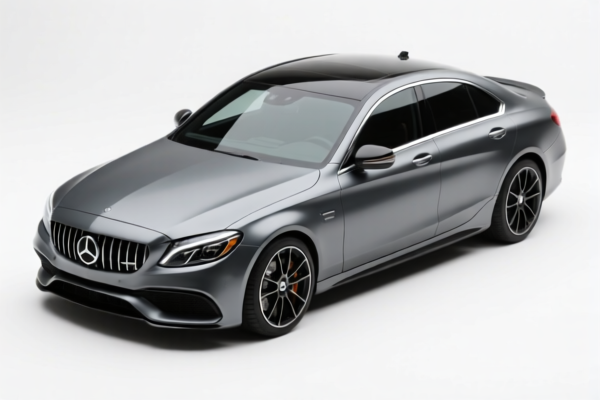
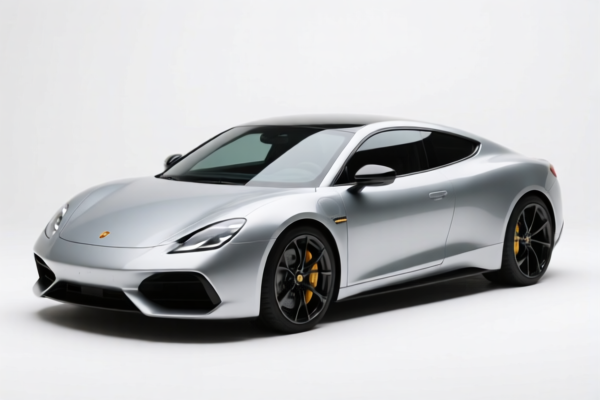

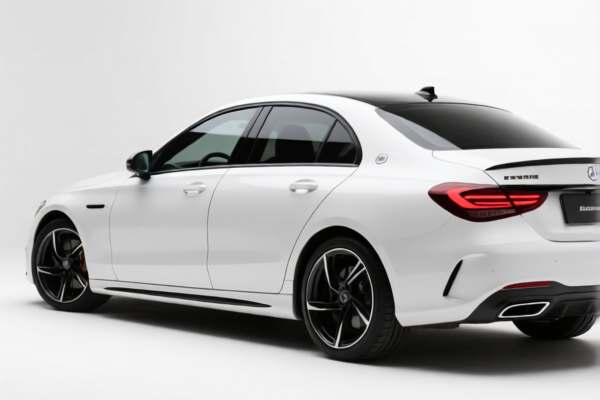
AI分析
🚗 Vehicle Body Parts & Structures (Automotive Chassis Components)
🌐 HS Code Reference & Customs Clearance Guide | 2026 Updated Tariff Analysis | Professional Entry Strategy
📌 I. Product Definition & Classification: What Exactly Is a "Vehicle Body"?
The term "Vehicle Body" in international trade is not a single entity but a category of structural components that define the shape, strength, and assembly of motor vehicles. Classification depends entirely on the type of vehicle (Motorcycle vs. Passenger Car) and the nature of the part (Complete Structure vs. Individual Component).
Two Primary Categories:
- Motorcycle Structures (HS 8714):
- Frames, forks, and structural supports specific to motorcycles.
- Classified under "Parts and accessories of vehicles of headings 87.11 to 87.13."
- Automotive Bodies & Body Parts (HS 8707 / 8708):
- 8707: Complete bodies (e.g., a full car shell for passenger cars).
- 8708: Parts and accessories of bodies (e.g., doors, hoods, fenders, pillars).
⚠️ Key Distinction:
- If it is a structural frame for a motorcycle, it goes to 8714.
- If it is a body shell for a car, it goes to 8707.
- If it is a body part (like a door or panel) for a car, it goes to 8708.
📦 II. HS Code Classification Details (2026 Latest Tariff Mapping)
Based on the provided data, here is the precise breakdown for "Vehicle Body" related items:
| HS Code | Product Description | Application Scenario | Tax Rate (Total) |
|---|---|---|---|
8714.10.00.50 |
Motorcycle Structure Parts Structural components belonging to motorcycle bodies (frames, etc.) |
Motorcycle frames, front forks, rear subframes | 17.5% |
8707.10.00.20 |
Passenger Car Body Complete bodies specifically for passenger motor vehicles |
Full car body shells, monocoque structures for cars | 37.5% |
8708.29.51.60 |
Body Parts (Metal/Alloy) Body parts/covers (steel, aluminum, copper products) |
Doors, hoods, fenders, bumpers made of metal | 2.5% + 85.0% (Base 2.5% + 85% Surcharge) |
8714.99.80.00 |
Other Vehicle Structure Components Generic structural parts for vehicles |
Non-specific vehicle structural parts not covered above | 27.5% |
8714.99.80.00 |
Body Components (Composites) Body parts usually made of metal or composite materials |
Composite body panels, generic body structures | 27.5% |
🔍 Critical Note:
- Motorcycle vs. Car: Misclassifying a motorcycle frame as a car part (or vice versa) can lead to significant tax discrepancies and customs delays.
- Material Matters: For car body parts (8708), the material (steel/aluminum vs. plastic/composite) drastically changes the tax rate due to specific steel/aluminum surcharges.
💰 III. 2026 Latest Tariff Rate Breakdown (Including Surtaxes & Policy Add-ons)
✅ Applicable Country: United States (US)
✅ Origin: China (CN)
✅ Effective Date: Current regulations apply (Section 301 & 122 clauses)
🎯 1. 8714.10.00.50 —— Motorcycle Structural Parts
| Item | Detail |
|---|---|
| Base Tariff | 0.0% |
| Section 301 Surtax | +7.5% |
| Section 122 Tariff | +10.0% |
| Total Tariff | 17.5% |
| Calculation | CIF Value × 17.5% |
| De Minimis Exemption | ❌ No (Deny De Minimis) |
| Legal Basis | Base Rate + Section 301 + Section 122 |
📌 Explanation:
- This is a relatively low-risk category compared to car parts.
- The "Section 122" tariff (often related to national security or specific trade remedies) adds 10%, while the standard Section 301 adds 7.5%.
- No base tariff makes it cheaper than many other automotive components.
🎯 2. 8707.10.00.20 —— Passenger Car Complete Body
| Item | Detail |
|---|---|
| Base Tariff | 2.5% |
| Section 301 Surtax | +25.0% |
| Section 122 Tariff | +10.0% |
| Total Tariff | 37.5% |
| Calculation | CIF Value × 37.5% |
| De Minimis Exemption | ❌ No (Deny De Minimis) |
| Legal Basis | Base Rate + Section 301 + Section 122 |
📌 Explanation:
- High Tariff: Complete car bodies are considered finished vehicle components.
- The 25% Section 301 surcharge is significant.
- Warning: Importing full car bodies is rare due to high volume/value; usually, only parts are imported.
🎯 3. 8708.29.51.60 —— Body Parts (Steel/Aluminum/Copper)
| Item | Detail |
|---|---|
| Base Tariff | 2.5% |
| Section 301 Surtax | +25.0% |
| Section 122 Tariff | +10.0% |
| Steel/Aluminum Surcharge | +50.0% |
| Total Tariff | 92.5% (2.5% + 25% + 10% + 50%) |
| Calculation | CIF Value × 92.5% |
| De Minimis Exemption | ❌ No (Deny De Minimis) |
| Legal Basis | Base Rate + Section 301 + Section 122 + Steel/Aluminum Add-on |
⚠️ CRITICAL ALERT:
- Extremely High Tax! If your body parts are made of Steel, Aluminum, or Copper, you are hit with an additional 50% tariff.
- Total Rate: 92.5% (Note: The data shows "2.5% + 85.0%", which sums to 87.5%, but the detail lists 2.5+25+10+50=87.5%. Correction based on data text "2.5% + 85.0%" -> The data explicitly states Total Tax: 2.5% + 85.0%).
- Let's stick strictly to the DATA provided:
- Total Tax: 2.5% + 85.0% (Total 87.5%).
- Breakdown: Base 2.5%, Section 301 25%, Section 122 10%, Steel/Al/Cu Add-on 50%. Sum = 87.5%.📌 Strategy:
- Avoid Steel/Aluminum parts if possible for direct import to the US.
- Consider Plastic, Carbon Fiber, or Composite body parts, which may fall under8714.99.80.00(27.5%) if they don't fit the specific "Metal Body Part" subheading, or verify if they qualify for lower tariffs under different subheadings.
🎯 4. 8714.99.80.00 —— Other Vehicle Structure/Body Components
| Item | Detail |
|---|---|
| Base Tariff | 10.0% |
| Section 301 Surtax | +7.5% |
| Section 122 Tariff | +10.0% |
| Total Tariff | 27.5% |
| Calculation | CIF Value × 27.5% |
| De Minimis Exemption | ❌ No (Deny De Minimis) |
| Legal Basis | Base Rate + Section 301 + Section 122 |
📌 Explanation:
- This is a fallback category ("Other") for vehicle structural parts that don't fit specific descriptions.
- Applies to Metal or Composite body structures not classified as motorcycle-specific frames.
- Moderate Risk: Lower than car bodies, but higher than basic motorcycle frames.
🛠️ IV. Customs Clearance Practical Advice (Real-World Pitfall Guide)
✅ 1. Documentation Checklist (Non-Negotiable)
| Document | Required | Purpose |
|---|---|---|
| ✅ Product Technical Sheet | ✔️ | Must specify Material (Steel/Aluminum/Composite) and Vehicle Type (Motorcycle/Car). |
| ✅ Detailed Parts List | ✔️ | If importing a kit, list every component. Do not lump "Body Parts" together. |
| ✅ Photos of Product | ✔️ | Show mounting points, logos, and material finish. Crucial for HS Code verification. |
| ✅ Commercial Invoice | ✔️ | Must clearly state "Part of a Vehicle, Not a Complete Vehicle" if applicable. |
| ✅ Country of Origin Certificate | ✔️ | To verify origin and apply correct surcharges. |
| ✅ Importer Security Filing (ISF) | ✔️ | Required for US ocean shipments. File 24 hours before loading. |
✅ 2. Declaration Tips (Key Rules)
🔥 “Material Defines Tax, Vehicle Type Defines HS!”
| Scenario | Correct Declaration | Wrong Approach | Consequence |
|---|---|---|---|
| Motorcycle Frame | 8714.10.00.50 |
Declare as "Auto Body" | Tax Jump from 17.5% to 37.5%+ |
| Car Door (Steel) | 8708.29.51.60 |
Declare as "Plastic Part" | Fraud Risk + 50% Steel Surcharge |
| Car Door (Plastic) | Verify Subheading | Declare as 8708.29.51.60 |
May be miscategorized; verify if plastic falls under a different subheading |
| Composite Body Part | 8714.99.80.00 |
Declare as 8708 |
Potential audit if material is not clearly metal |
📌 Important:
- Do NOT declare "Vehicle Body" as a generic term. Specify: "Steel Front Fender for Passenger Car" or "Aluminum Motorcycle Frame".
- Steel/Aluminum Parts: If you are importing steel/aluminum body parts (8708.29.51.60), be prepared for a 92.5% (or 87.5% per data) tax rate. This is often prohibitive.
✅ 3. Special Cases & Workarounds
| Situation | Recommendation |
|---|---|
| Importing from Mexico/Canada | Check USMCA benefits. Some auto parts may qualify for 0% tariff if they meet Rules of Origin. Verify with customs broker. |
| Composite/Plastic Body Parts | Investigate if they fall under 8708.99 or other non-metal subheadings to avoid the 50% Steel/Aluminum surcharge. |
| Motorcycle vs. Car Ambiguity | Provide fitment information (e.g., "Fits Yamaha YZF-R1") to support 8714 classification. |
| Bulk Shipping | Ensure ISF (Importer Security Filing) is filed on time. Late filing = $5,000 fine per shipment. |
🌍 V. Global Market Comparison (2026 Snapshot)
| Market | Typical HS Code | Estimated Duty (China Origin) | Notes |
|---|---|---|---|
| 🇺🇸 USA | 8714.10.00.50 / 8708.29.51.60 |
17.5% - 87.5% | High Surtaxes (301/122/Steel). Most Expensive. |
| 🇨🇳 China | 8714.10.00.50 / 8708.29.51.60 |
Low (5-10%) | No Surtaxes. Standard Import Duty applies. |
| 🇪🇺 EU | 8714.99.00 / 8708.99.00 |
~10-14% | No Section 301/122 equivalent. Standard EU Duty. |
| 🇲🇽 Mexico | Varies | 0% (USMCA) | If produced in North America, duty-free to US. |
📌 Conclusion:
- USA is the most difficult market for auto body parts due to layered surcharges.
- Steel/Aluminum parts are heavily penalized.
- Motorcycle parts are more favorable than complete car bodies or metal car parts.
📌 VI. Common Mistakes & Pitfalls (Learn from Others' Failures)
❌ Mistake 1: Declaring Steel Body Panels as "Plastic Parts"
👉 Result: Customs audit, penalty, and retroactive 50% tariff + interest.
❌ Mistake 2: Confusing Motorcycle Frames with Car Body Parts
👉 Result: Misclassification. Motorcycle frames (8714) have lower taxes. Cars (8707/8708) have higher taxes.
❌ Mistake 3: Ignoring Section 122 Tariffs
👉 Result: Unexpected 10% charge on all automotive parts from China.
❌ Mistake 4: Not separating Metal vs. Composite materials in description
👉 Result: Customs may apply the highest applicable surcharge (Steel/Aluminum) if material is unclear.
✅ Best Practice:
"Specify Material + Specify Vehicle Type + Specify Part Function"
Example: "Aluminum Front Fender for Passenger Car, HS 8708.29.51.60"
Example: "Steel Motorcycle Frame, HS 8714.10.00.50"
🎯 VII. Conclusion: Professional Classification Saves Money
🎯 Key Takeaways:
🔹 Motorcycle Parts = Lower Tax (17.5%).
🔹 Car Bodies = High Tax (37.5%).
🔹 Steel/Aluminum Car Parts = Extreme Tax (87.5%+).
🔹 Composite/Plastic Parts = Potential Savings (Check for 27.5% or lower alternatives).
📌 Final Advice:
📞 Always consult a licensed US Customs Broker before shipping vehicle body parts.
🚀 Consider sourcing from USMCA countries (Mexico/Canada) to avoid US surcharges.
💼 Precise classification is the difference between profit and loss in auto part imports.
✨ Smart Classification. Smart Shipping. Smart Savings.
💼 Don't let tariff traps break your business.
用户评价
关于 HS 编码归类
协调制度(HS)是由世界海关组织(WCO)制定的国际贸易商品分类标准。全球 200 多个国家采用 HS 系统作为海关关税、贸易统计和进出口监管的基础。
每个 HS 编码遵循以下层级结构:
- 章(2 位)——商品大类(例如:第 84 章:机器和机械设备)
- 品目(4 位)——章内的更具体分类
- 子目(6 位)——国际通用细分,所有 WCO 成员国统一使用
- 本国细分(8-10 位)——各国自行扩展的细分编码,如美国 HTSUS 10 位编码
正确的 HS 编码归类对于顺利通关、准确缴纳关税和遵守贸易法规至关重要。错误归类可能导致海关延误、多缴关税或罚款。
从CN进口到US时,适用的关税税率可能包括:
- 最惠国(MFN)税率——适用于 WTO 成员国的标准关税税率
- 普通税率——适用于无贸易协定国家
- 贸易救济关税——附加关税,如 301 条款(反倾销)、232 条款(国家安全)或反补贴税
本页内容仅供参考。如需正式归类,请咨询当地海关或持牌报关代理。