Vinyl Floor Tiles
CN → US| HS编码 | 关税税率 | 原产国 | 目的国 | 文档 |
|---|---|---|---|---|
| 3918101040 | 40.3% | CN | US | 官方文档 |
| 3918101020 | 40.3% | CN | US | 官方文档 |
商品图片
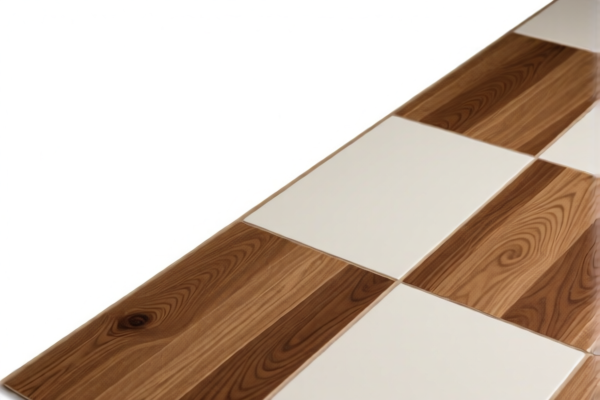

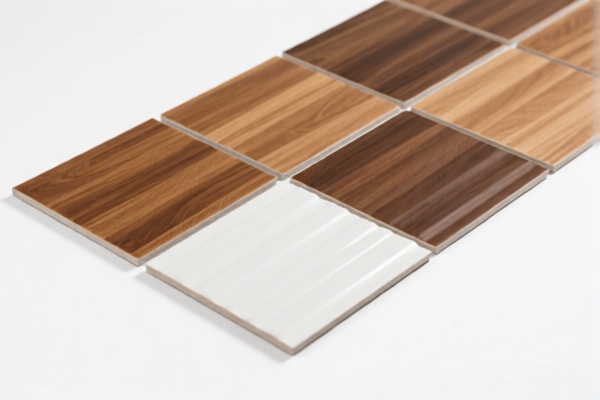
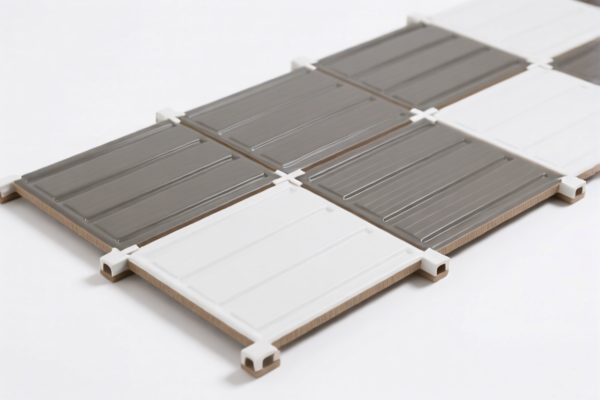
AI分析
🏠 Vinyl Floor Tiles (Plastic Floor Coverings)
🌐 HS Code Reference & Customs Clearance Guide | 2026 Latest Tariff Analysis | Professional Entry Strategy
📌 I. Product Definition & Classification: Do You Really Understand "Vinyl Tiles"?
Vinyl floor tiles, technically classified as Floor coverings of plastics, are widely used in residential, commercial, and industrial settings for their durability, water resistance, and ease of installation. In international trade, they fall under Chapter 39 (Plastics and Articles Thereof).
These products are specifically categorized as "Of polymers of vinyl chloride" and further细分 into types based on their core structure: 1. Standard Vinyl Tile: Traditional PVC floor tiles, which may or may not be self-adhesive. 2. Rigid Core Vinyl Tile: A more modern construction featuring a rigid solid polymer core (often associated with SPC - Stone Plastic Composite or WPC - Wood Plastic Composite, though strictly classified under the rigid core definition in HS nomenclature).
⚠️ Key Distinction Point:
- If the product is a standard flexible or semi-rigid PVC tile →归入 3918.10.10.40
- If the product explicitly consists of a rigid solid polymer core (e.g., high-density rigid core) →归入 3918.10.10.20
- Note: Both are considered "Floor coverings" and cannot be classified as wall coverings (3918.90) or other plastics (3918.90.90) if they meet the floor covering definition.
📦 II. HS Code Classification Details (2026 Latest Tariff Authoritative Comparison)
| HS Code | Product Description | Application Scenario | Key Characteristic |
|---|---|---|---|
3918.10.10.40 |
Vinyl tile (Other): Floor coverings of plastics, of polymers of vinyl chloride. Other vinyl tiles. | Standard PVC flooring, self-adhesive tiles, traditional flexible vinyl tiles. | Standard polymer composition, no specific "rigid solid core" requirement. |
3918.10.10.20 |
Vinyl tile (Rigid Solid Polymer Core): Floor coverings of plastics, of polymers of vinyl chloride. Vinyl tile consisting of a rigid solid polymer core. | SPC/WPC floors, rigid-core luxury vinyl tiles (LVT), high-density rigid flooring. | Defined by the presence of a rigid solid polymer core. |
🔍 Critical Reminder:
- Both HS Codes fall under Heading 3918: "Floor coverings of plastics, whether or not self-adhesive, in rolls or in the form of tiles." - The distinction is only based on the core structure (Rigid vs. Other). - Do NOT classify as "Carpet" (Chapter 57) or "Wood flooring" (Chapter 44) – they are strictly Plastic/Polymers of Vinyl Chloride.
💰 III. 2026 Latest Tariff Rate Details (Including Surtaxes, Policy Add-ons)
✅ Applicable Country: United States (US)
✅ Origin: China (CN)
✅ Effective Date: Current Tariff Schedule (2026)
🎯 1. 3918.10.10.40 —— Vinyl Tile (Other)
| Item | Detail |
|---|---|
| Base Tariff | 0.0% (Ad valorem) |
| Section 301 Surcharge | 0.0% |
| Total Tax Rate | 0.0% |
| Tax Calculation | CIF Value × 0% = $0 |
| De Minimis Eligibility | ✅ Yes (If value < $800, generally exempt; if > $800, declared with 0% duty) |
| Legal Basis | USITC Harmonized Tariff Schedule HTSUS 2026 |
📌 Explanation:
- Currently, most vinyl floor tiles from China enjoy a 0% tariff rate under the base schedule. - No Section 301 (25%) or IEEPA (10%) surcharges are currently listed for this specific 10-digit subheading in the provided data. - However, be cautious: This 0% rate may change if future executive orders or USITC reviews target PVC flooring. Always verify with a licensed customs broker before shipment.
🎯 2. 3918.10.10.20 —— Vinyl Tile (Rigid Solid Polymer Core)
| Item | Detail |
|---|---|
| Base Tariff | 0.0% (Ad valorem) |
| Section 301 Surcharge | 0.0% |
| Total Tax Rate | 0.0% |
| Tax Calculation | CIF Value × 0% = $0 |
| De Minimis Eligibility | ✅ Yes (If value < $800, generally exempt; if > $800, declared with 0% duty) |
| Legal Basis | USITC Harmonized Tariff Schedule HTSUS 2026 |
📌 Note:
- Even though "Rigid Core" tiles are often higher-value products, the tariff rate remains 0% under the current data. - This makes rigid-core vinyl tiles highly competitive in the US market due to zero duty burden. - Same as above: Monitor for potential policy changes regarding PVC plastics.
🛠️ IV. Customs Clearance Practical Advice (Real-World Pitfall Avoidance Guide)
✅ 1. Required Documentation Checklist (All are Essential)
| Document | Must Provide | Description |
|---|---|---|
| ✅ Product Specification Sheet | ✔️ | Must clearly state: "Vinyl Floor Tile," "PVC Material," "Form: Tiles/Rolls," and Core Type (Rigid vs. Standard). |
| ✅ Composition Analysis | ✔️ | Confirm presence of Polymers of Vinyl Chloride (PVC). If mixed with other materials, clarify % composition. |
| ✅ Product Photos | ✔️ | Show cross-section (to prove rigid core if claiming 3918.10.10.20) and surface texture. |
| ✅ Commercial Invoice | ✔️ | Declare accurately: "Vinyl Floor Tiles, PVC, Self-Adhesive/Non-Adhesive." Avoid vague terms like "Flooring" without material details. |
| ✅ Packing List | ✔️ | Include carton dimensions, weight, and number of tiles per carton. |
| ✅ Certificate of Origin (CO) | ✔️ | Required if claiming any potential FTZ benefits (though current rate is 0%, CO is good practice). |
| ✅ FSC Certification | ✔️ | Crucial for US Market: If the product contains wood-based components (e.g., WPC), FSC certification may be required. Pure PVC does not need this. |
✅ 2. Declaration Tips (Key Mantra)
🔥 "Declare Material, Declare Form, Core Type Matters!"
| Situation | Correct Declaration | Incorrect Practice |
|---|---|---|
| Standard PVC Tiles | 3918.10.10.40 - "Vinyl floor tiles, polymers of vinyl chloride, other" |
Declare as "Plastic Flooring" → Risk of reclassification & delays. |
| Rigid Core (SPC/WPC) | 3918.10.10.20 - "Vinyl tile, rigid solid polymer core" |
Declare as "Other" → May trigger customs inspection for core verification. |
| Rolls vs. Tiles | Specify Tiles if using these codes. If sold in rolls, ensure it still fits the tile definition (cut-to-size or pre-cut). | Confusing rolls with tiles → May fall under different subheadings (3918.10.10.10 for rolls?). |
| Self-Adhesive | Mention "Self-Adhesive" in description if applicable, but it doesn’t change the HS Code (both codes include it). | Omitting material type → Customs cannot verify "Polymers of Vinyl Chloride." |
✅ 3. Special Case Handling
| Situation | Handling Advice |
|---|---|
| Hybrid Flooring (WPC/SPC) | If the core is wood-plastic composite, ensure it is classified as Vinyl Floor Covering (PVC top layer + plastic core). If the core is >50% wood by weight, it might be misclassified. Stick to 3918.10.10.20 if it meets the "rigid solid polymer core" definition. |
| Sample Shipments | If value < $800, may enter under Section 321 (De Minimis). Still, provide accurate HS Code for record-keeping. |
| Anti-Dumping/Countervailing Duties (AD/CVD) | Check! Some PVC products from China face AD/CVD. However, vinyl floor tiles are not currently under widespread AD/CVD orders in the provided data. Verify with CBP. |
| FSC Compliance | If your "Rigid Core" contains wood fibers (WPC), ensure FSC chain-of-custody documentation is ready. US Customs may request proof of non-wood content if challenged. |
🌍 V. Global Market Customs Comparison (2026 Latest)
| Country/Region | Recommended HS Code | Tariff Rate | Certification Requirements | Notes |
|---|---|---|---|---|
| 🇺🇸 USA | 3918.10.10.40 / 3918.10.10.20 |
0.0% | FCC (if electronic), FSC (if wood-based) | Zero tariff advantage currently. |
| 🇨🇳 China | 3918.10.10.40 / 3918.10.10.20 |
~5-10% (Import) | CCC (not always required for flooring) | Export from China uses the above HS codes. |
| 🇪🇺 EU | 3918.10.90 |
~6.5% | CE Marking, REACH Compliance | EU classification is broader; US is more specific. |
| 🇬🇧 UK | 3918.10.90 |
~6.5% | UKCA Marking | Post-Brexit rules may vary. |
| 🇦🇺 Australia | 3918.10.90 |
~5% | GMark (if applicable) | Similar to EU. |
📌 Conclusion:
- The US market currently offers a 0% tariff advantage for vinyl floor tiles from China.
- EU and UK impose higher duties (~6.5%), making the US more cost-competitive for importers.
- Always verify if new Section 301 lists include PVC flooring in the future.
📌 VI. Common Mistakes & Pitfall Guide (Lessons Learned)
❌ Mistake 1: Declaring as "Flooring" without specifying material
👉 Consequence: Customs may classify under "Other plastics" with higher duty or delay for inspection.
❌ Mistake 2: Confusing "Rigid Core" with "Wood Flooring"
👉 Consequence: If customs suspects wood content, they may require FSC documents or reclassify under Chapter 44 (Wood). Prove it’s PVC/Plastic.
❌ Mistake 3: Ignoring "Self-Adhesive" feature
👉 Consequence: Not a major tariff issue, but inaccurate description leads to discrepancies in inspection.
❌ Mistake 4: Using "Vinyl Tiles" for non-PVC products (e.g., Rubber)
👉 Consequence: Misclassification. Rubber flooring falls under 4008.11. Ensure material is Polymers of Vinyl Chloride.
✅ Correct Declaration Example:
"Vinyl Floor Tiles, PVC Material, Self-Adhesive, 12x12 inch, Rigid Solid Polymer Core (SPC), Model VT-100, Made in China"
🎯 VII. Conclusion: Professional Declaration, Save Time & Money!
🎯 Remember the Mantra:
🔹 "PVC Tiles, 0% Duty, Core Type Defines Code!"
🔹 "0% Tax Now, But Verify Future Policies!"
🔹 "Rigid Core = 3918.10.10.20, Other = 3918.10.10.40."
📌 Pro Tip:
- If you are exporting Rigid Core (SPC/WPC) tiles, ensure your product datasheet explicitly states "Rigid Solid Polymer Core" to qualify for 3918.10.10.20.
- For Standard PVC tiles, use 3918.10.10.40.
- Both have 0% tariff, but accuracy prevents customs delays.
📣 Immediate Action:
📞 Consult a Licensed Customs Broker
📄 Prepare Product Specs & Material Certifications
🚀 Ship with Confidence, Using the Correct HS Code!
✨ Professional Customs Clearance Starts with Accurate Classification!
💼 Every Percent Saved is Profit Gained!
用户评价
关于 HS 编码归类
协调制度(HS)是由世界海关组织(WCO)制定的国际贸易商品分类标准。全球 200 多个国家采用 HS 系统作为海关关税、贸易统计和进出口监管的基础。
每个 HS 编码遵循以下层级结构:
- 章(2 位)——商品大类(例如:第 84 章:机器和机械设备)
- 品目(4 位)——章内的更具体分类
- 子目(6 位)——国际通用细分,所有 WCO 成员国统一使用
- 本国细分(8-10 位)——各国自行扩展的细分编码,如美国 HTSUS 10 位编码
正确的 HS 编码归类对于顺利通关、准确缴纳关税和遵守贸易法规至关重要。错误归类可能导致海关延误、多缴关税或罚款。
从CN进口到US时,适用的关税税率可能包括:
- 最惠国(MFN)税率——适用于 WTO 成员国的标准关税税率
- 普通税率——适用于无贸易协定国家
- 贸易救济关税——附加关税,如 301 条款(反倾销)、232 条款(国家安全)或反补贴税
本页内容仅供参考。如需正式归类,请咨询当地海关或持牌报关代理。