Wardrobe Telescopic Hanging Rod
CN → US| HS编码 | 关税税率 | 原产国 | 目的国 | 文档 |
|---|---|---|---|---|
| 7616995150 | 37.5% | CN | US | 官方文档 |
| 7326908688 | 87.9% | CN | US | 官方文档 |
| 3926301000 | 24.0% | CN | US | 官方文档 |
商品图片
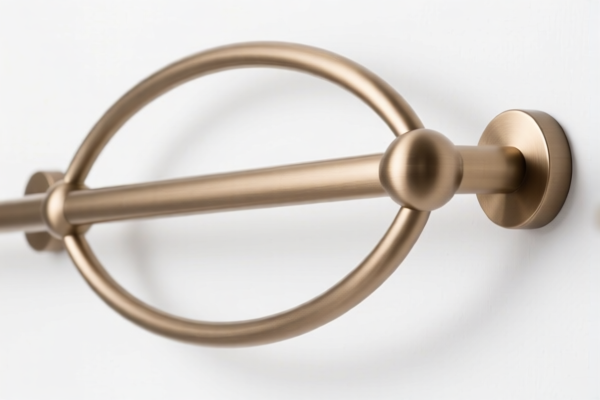
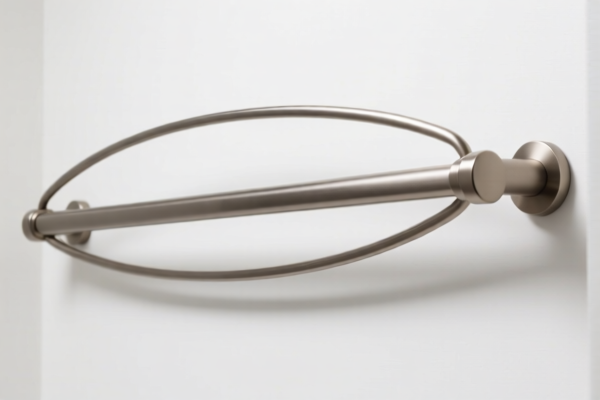
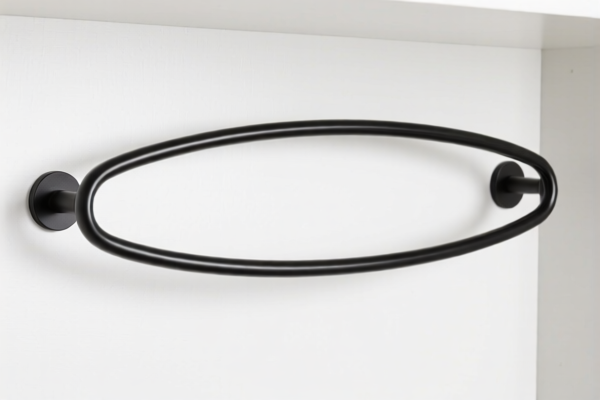
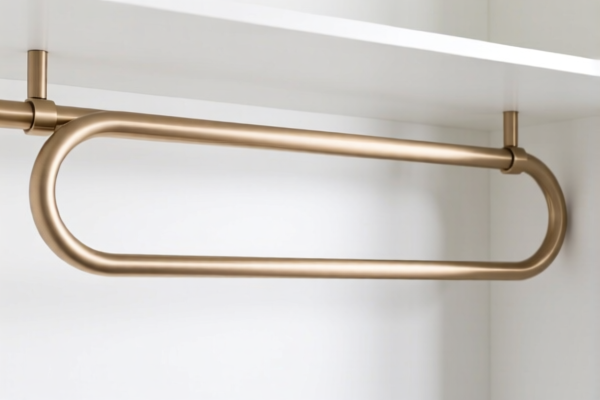
AI分析
🧸 Wardrobe Telescopic Hanging Rod (Closet Stretch Rods)
🌐 HS Code Reference & Customs Clearance Guide | 2026 Latest Tariff Analysis | Professional Clearance Strategy
📌 I. Product Definition & Classification: Do You Really Understand "Telescopic Rods"?
Wardrobe telescopic hanging rods (also known as tension rods or stretch rods) are essential storage solutions used to organize clothing in closets, drawers, or cabinets. They are typically adjustable in length and rely on spring-loaded mechanisms for installation without drilling.
In international trade, the classification of these rods depends heavily on their material composition and functional design. While they may look similar, their HS Code classifications and resulting tax liabilities can vary drastically due to trade restrictions on specific metals.
⚠️ Key Distinction Point:
- If made of Aluminum → Generally lower additional tariffs (depending on specific subheading).
- If made of Iron/Steel → Subject to highest additional tariffs due to specific trade measures on steel/aluminum products.
- If made of Plastic or classified as Furniture Fittings → Moderate tariff structure.
📦 II. HS Code Classification Details (2026 Latest Tariff Authority)
Based on the provided data, there are three primary classification paths for "Wardrobe Telescopic Hanging Rods."
| HS Code | Product Description | Material Composition | Key Functional Classification |
|---|---|---|---|
| 7616.99.51.50 | Aluminum Wardrobe Telescopic Rods | Aluminum | Supporting or suspension parts; Aluminum articles |
| 7326.90.86.88 | Metal (Iron/Steel) Wardrobe Telescopic Rods | Iron/Steel | Other articles of iron/steel; Brackets/Poles |
| 3926.30.10.00 | Plastic/Mixed Material Telescopic Rods | Plastic (or primarily plastic components) | Furniture utensils; Handles and knobs |
🔍 Critical Note:
- The material is the deciding factor. Even if a rod has plastic ends, if the primary structural component is steel, it may be classified under 7326.
- 7326 carries the highest risk due to the "Steel, Aluminum, Copper Articles" surcharge mentioned in the data.
💰 III. 2026 Latest Tariff Rate Detailed Breakdown
✅ Applicable Country: United States (US)
✅ Origin: China (CN) (Implied by the specific 122 Clause and Section 301-like rates in the data)
✅ Effective Time: Current 2026 Regulations
🎯 1. 7616.99.51.50 — Aluminum Wardrobe Telescopic Rods
| Item | Content |
|---|---|
| Base Duty Rate | 2.5% (Ad Valorem) |
| Additional Duty (Section 301) | +25.0% |
| Section 122 Duty | +10.0% |
| Total Tax Rate | 37.5% |
| Tax Calculation | CIF Value × 37.5% |
| De Minimis Eligibility | ❌ No (High duty rate typically excludes de minimis exemptions for commercial shipments) |
| Legal Basis Path | HTSUS: 7616.99.51.50 → Section 301: 25% → Section 122: 10% |
📌 Explanation:
- Aluminum products are subject to standard Section 301 tariffs (25%).
- The Section 122 duty (10%) is applied to certain aluminum imports.
- Total: 37.5%. This is a moderate-high tariff but significantly lower than the steel classification.
🎯 2. 7326.90.86.88 — Metal (Iron/Steel) Telescopic Rods
| Item | Content |
|---|---|
| Base Duty Rate | 2.9% (Ad Valorem) |
| Additional Duty (Section 301) | +25.0% |
| Section 122 Duty | +10.0% |
| Steel/Aluminum/Copper Surcharge | +50.0% |
| Total Tax Rate | 87.9% |
| Tax Calculation | CIF Value × 87.9% |
| De Minimis Eligibility | ❌ No |
| Legal Basis Path | HTSUS: 7326.90.86.88 → Section 301: 25% → Section 122: 10% → Special Surcharge: 50% |
📌 Critical Warning:
- This is the highest tariff bracket.
- The +50% surcharge is specifically applied to "Steel, Aluminum, Copper Articles" under specific trade measures (often linked to national security or specific bilateral agreements).
- Total: 87.9%. This makes steel-based rods extremely expensive to import into the US.
🎯 3. 3926.30.10.00 — Plastic/Mixed Material Telescopic Rods
| Item | Content |
|---|---|
| Base Duty Rate | 6.5% (Ad Valorem) |
| Additional Duty (Section 301) | +7.5% |
| Section 122 Duty | +10.0% |
| Total Tax Rate | 24.0% |
| Tax Calculation | CIF Value × 24.0% |
| De Minimis Eligibility | ❌ No (Likely, due to Section 301 inclusion) |
| Legal Basis Path | HTSUS: 3926.30.10.00 → Section 301: 7.5% → Section 122: 10% |
📌 Explanation:
- Plastic furniture parts often face lower base duties but still incur Section 301 and Section 122 tariffs.
- Total: 24.0%. This is the most cost-effective classification for clearance purposes.
🛠️ IV. Customs Clearance Practical Advice (Real-World Pitfall Guide)
✅ 1. Preparation Checklist (Non-negotiable)
| Document | Mandatory? | Explanation |
|---|---|---|
| ✅ Product Specification Sheet | ✔️ | Must clearly state primary material (Aluminum vs. Steel vs. Plastic). |
| ✅ Material Composition Report | ✔️ | Detailed % breakdown of materials. Critical for distinguishing between 7326 and 3926. |
| ✅ Product Photos | ✔️ | Show the rod, joints, and any plastic caps/end caps. |
| ✅ Commercial Invoice | ✔️ | Must list "Telescopic Wardrobe Rod" and specify material. |
| ✅ Packing List | ✔️ | Weight and dimensions. |
| ✅ Certificate of Origin | ✔️ | Required for verifying origin and applying any potential exemptions. |
✅ 2. Declaration Strategies (Key Tips)
🔥 "Material Defines Tax, Not Just Function!"
| Scenario | Correct Declaration | Wrong Practice | Result |
|---|---|---|---|
| Steel Rods | HS: 7326.90.86.88 Desc: "Steel Telescopic Rod" |
Claiming it's "Aluminum" | Audit Failure + Penalties (87.9% vs 37.5%) |
| Plastic Rods | HS: 3926.30.10.00 Desc: "Plastic Furniture Rod" |
Misclassifying as "Steel" | Overpayment (24% vs 87.9%) |
| Mixed Material | Analyze primary structural material | Vague description "Metal Rod" | Customs Discretion (Risk of highest rate) |
✅ 3. Special Considerations
| Situation | Recommendation |
|---|---|
| Aluminum vs. Steel | If your product is aluminum, ensure the alloy is not classified as steel. Aluminum gets 37.5%, Steel gets 87.9%. $50,000 difference on $100k shipment! |
| Plastic Components | If the rod is primarily plastic with metal springs, argue for 3926 if plastic is the functional housing. |
| Section 122 Impact | All three categories face a 10% Section 122 duty. This is a recent/additional layer on top of standard tariffs. Do not ignore it. |
| De Minimis (Section 321) | With total duties exceeding 25%, De Minimis exemption ($800 threshold) is likely VOID for commercial entries. Plan for full duty payment. |
🌍 V. Global Market Comparison (2026)
| Country/Region | Recommended HS Code | Est. Total Duty (China Origin) | Certification/Notes |
|---|---|---|---|
| 🇺🇸 USA | 7616.99.51.50 (Al) / 7326.90.86.88 (Steel) |
37.5% (Al) / 87.9% (Steel) / 24% (Plastic) | High scrutiny on material. Section 122 applies. |
| 🇨🇳 China | 7616 / 7326 / 3926 |
Low (e.g., 5-10%) | No Section 301 or 122. |
| 🇪🇺 EU | 7326 / 7616 |
Variable (Check TARIC) | No Section 122. Anti-dumping may apply to steel. |
| 🇬🇧 UK | 7326 / 7616 |
Variable | Post-Brexit tariffs apply. |
📌 Conclusion:
- The US market is the most challenging for these products due to the 87.9% total duty on steel and 37.5% on aluminum.
- Plastic (3926) offers the lowest tariff at 24% but must be substantiated by material composition.
📌 VI. Common Mistakes & Pitfall Guide (Blood & Tears Lessons)
❌ Mistake 1: Declaring Steel Rods as "General Metal Parts" to avoid the 50% surcharge.
👉 Consequence: Customs audit reveals material → Back taxes + 87.9% rate applied retroactively + Penalties.
❌ Mistake 2: Ignoring Section 122 Duty.
👉 Consequence: Underpayment of 10% on all shipments. Customs will demand payment with interest.
❌ Mistake 3: Claiming Plastic Classification for a Steel Core Rod.
👉 Consequence: Declared at 24%, but actual material is steel (87.9%). Severe compliance violation.
✅ Correct Approach:
"Telescopic Wardrobe Rod, Aluminum Alloy, Adjustable Length 24-48 inches, Includes Plastic End Caps, Model XYZ"
(Use this to target HS7616.99.51.50@ 37.5%)
🎯 VII. Conclusion: Professional Declaration, Cost Efficiency
🎯 Remember the Golden Rule:
🔹 "Steel is Expensive (87.9%), Aluminum is Moderate (37.5%), Plastic is Cheapest (24%).
🔹 "Section 122 Adds 10% to ALL Metal/Plastic Furniture Parts."
🔹 "Material Composition is KING. Declare Accurately."
📌 Pro Tip:
If you have control over the supply chain, consider sourcing Aluminum (7616) or Plastic-heavy (3926) designs to avoid the 87.9% Steel Surcharge.
For US importers, Pre-Ruling (APA) is highly recommended to secure the correct HS Code and duty rate before shipping.
📣 Immediate Action:
📞 Contact Customs Broker + Provide Material Spec Sheets + Calculate Total Landed Cost
🚀 Avoid the 87.9% Trap! Optimize Your HS Code and Save Thousands!
✨ Professional Clearance Starts with Accurate Classification!
💼 Your Bottom Line Depends on the Details!
用户评价
关于 HS 编码归类
协调制度(HS)是由世界海关组织(WCO)制定的国际贸易商品分类标准。全球 200 多个国家采用 HS 系统作为海关关税、贸易统计和进出口监管的基础。
每个 HS 编码遵循以下层级结构:
- 章(2 位)——商品大类(例如:第 84 章:机器和机械设备)
- 品目(4 位)——章内的更具体分类
- 子目(6 位)——国际通用细分,所有 WCO 成员国统一使用
- 本国细分(8-10 位)——各国自行扩展的细分编码,如美国 HTSUS 10 位编码
正确的 HS 编码归类对于顺利通关、准确缴纳关税和遵守贸易法规至关重要。错误归类可能导致海关延误、多缴关税或罚款。
从CN进口到US时,适用的关税税率可能包括:
- 最惠国(MFN)税率——适用于 WTO 成员国的标准关税税率
- 普通税率——适用于无贸易协定国家
- 贸易救济关税——附加关税,如 301 条款(反倾销)、232 条款(国家安全)或反补贴税
本页内容仅供参考。如需正式归类,请咨询当地海关或持牌报关代理。