Waste Battery Shell Trash
CN → US| HS编码 | 关税税率 | 原产国 | 目的国 | 文档 |
|---|---|---|---|---|
| 8548000000 | 35.0% | CN | US | 官方文档 |
商品图片
AI分析
♻️ Waste Battery Shell Trash (End-of-Life Battery Enclosures)
🌐 HS Code Reference & Customs Clearance Guide | 2026 Latest Tariff Analysis | Professional Compliance Strategy
📌 I. Product Definition & Classification: What is "Waste Battery Shell Trash"?
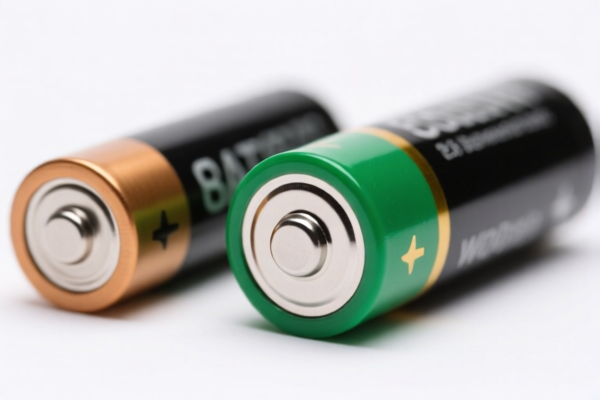
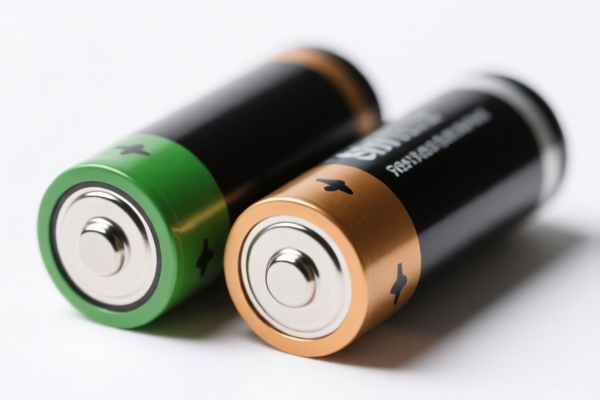
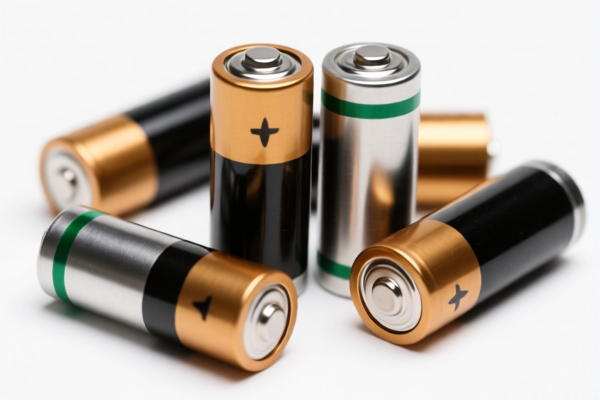
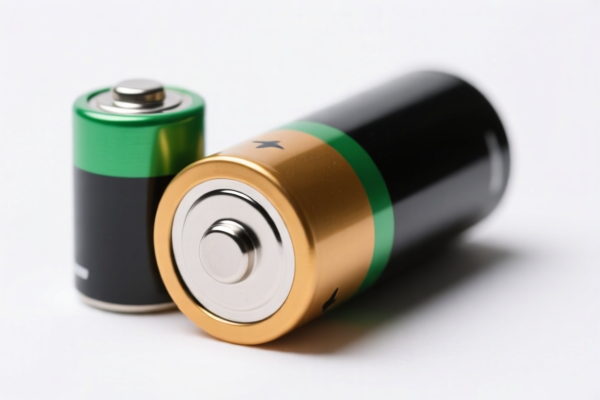
" Waste Battery Shell Trash " refers to the discarded outer casings, housings, or structural components removed from batteries at the end of their life cycle. These are empty containers or structural parts that may retain residual chemicals or electrolytes, making them hazardous waste or recyclable metal/plastic scrap depending on the battery type (e.g., Lithium-ion, Lead-Acid, Alkaline).
In international trade, these are not classified as "batteries" (Chapter 85) but as waste/scrap materials or recyclable components. The key distinction lies in whether the shell is: 1. Contaminated/Hazardous: Retains residual chemicals, requiring hazardous waste handling. 2. Clean/Recyclable: Treated as metal/plastic scrap for recycling.
⚠️ Critical Distinction:
- If the shell contains residual electrolyte or active materials → Classified under Waste/Categories of Hazardous Waste (e.g., 8548.00.00.00 for "Electrical parts... waste").
- If the shell is clean, inert metal/plastic → Could potentially be classified under Scrap Metal (72/76/74) or Plastic Scrap (3915), but 8548.00.00.00 is often applied if it is specifically "waste electrical parts."
📦 II. HS Code Classification Details (2026 Latest Tariff Authority Comparison)
| HS Code | Product Description | Application Scenario | Hazardous? |
|---|---|---|---|
8548.00.00.00 |
Electrical parts of machinery or apparatus, not specified or included elsewhere in this chapter | Waste battery shells, casing, enclosures from spent batteries | ✅ Yes (Often treated as waste electrical parts) |
7204.21.00.00 |
Waste and scrap of iron or steel | Clean steel battery casings (if no residual chemicals) | ❌ No (If inert) |
7602.00.00.00 |
Waste and scrap of aluminum | Clean aluminum battery casings | ❌ No (If inert) |
3915.90.00.00 |
Waste and scrap of plastics | Clean plastic battery housings | ❌ No (If inert) |
🔍 Key Reminder:
-8548.00.00.00is the most common classification for "waste battery shells" because they are electrical apparatus parts at end-of-life.
- If the shells are not contaminated, importers may argue for scrap metal/plastic codes (72/76/3915) to avoid hazardous waste regulations, but customs may still classify them under 8548 if they are recognized as "electrical waste."
- Always confirm with local customs whether the shells are considered "hazardous waste."
💰 III. 2026 Latest Tariff Rate Breakdown (Including Additional Duties, Policy Surcharges)
✅ Applicable Country: United States (US)
✅ Origin: China (CN)
✅ Effective Date: From November 10, 2025 (including subsequent imports)
🎯 1. 8548.00.00.00 —— Waste Electrical Parts (Battery Shells)
| Item | Content |
|---|---|
| Base Tariff | 0.0% |
| USITC Additional Duty | +25.0% (Under Section 301, Footnote 9903.88.01) |
| IEEPA Additional Duty | +10.0% (Under IEEPA for China-origin goods, from Nov 10, 2025) |
| Total Tax Rate | 35.0% |
| Tax Calculation | CIF Value × 35% |
| De Minimis Exemption | ❌ Not Eligible (deny_de_minimis) |
| Legal Basis Path | IEEPA:9903.01.25 → IEEPA:9903.01.24 → USITC:8548.00.00.00 → FOOTNOTE:9903.88.01 |
📌 Explanation:
- The 25% USITC duty is imposed under Section 301 of the Trade Act for Chinese-origin goods.
- The 10% IEEPA duty is a separate surcharge under the International Emergency Economic Powers Act for China.
- Total 35% is a high tariff, and no de minimis exemption applies.
- This classification treats battery shells as waste electrical parts, subject to strict environmental and customs scrutiny.
🛠️ IV. Customs Clearance Practical Advice (Real-World Pitfall Avoidance Guide)
✅ 1. Documentation Checklist (Mandatory)
| Document | Required | Notes |
|---|---|---|
| ✅ Product Specifications | ✔️ | Include material composition (metal/plastic), dimensions, battery type |
| ✅ Hazardous Waste Certificate | ✔️ | If residual chemicals are present, provide EPA or local hazardous waste permit |
| ✅ Certificate of Origin (CO) | ✔️ | Prove China origin (if applicable) |
| ✅ Commercial Invoice | ✔️ | Clearly state "Waste Battery Shell, HS Code 8548.00.00.00" |
| ✅ Packing List | ✔️ | Detail weight, volume, and packaging type |
| ✅ Third-Party Inspection Report | ✔️ | EPA, ISO, or local environmental agency certification |
| ✅ Recycling Agreement | ✔️ | If intended for recycling, provide proof of licensed recycling facility |
✅ 2. Declaration Tips (Key Mantras)
🔥 "Clean Scrap = Lower Tax, Contaminated Shell = 35% + Hazmat!"
| Scenario | Correct Declaration | Wrong Practice |
|---|---|---|
| Contaminated shells | 8548.00.00.00 |
Misdeclare as "scrap metal" → Penalties + Seizure |
| Clean, inert shells | Argue for 7204.21.00.00 or 7602.00.00.00 |
Accept 8548 without proof → 35% tax |
| Mixed waste (shells + batteries) | Declare separately | Combine → Higher tax + Hazmat complications |
| Recycled material | Provide recycling facility license | No proof → Customs delays |
✅ 3. Special Cases Handling
| Scenario | Handling Advice |
|---|---|
| OEM Returns | Provide customer return authorization + quality report |
| Hazardous Waste | Must comply with EPA regulations; use licensed transporter |
| Recycling Export | Provide recycling facility certification; may qualify for lower tax if processed |
| Mixed Packaging | Do not mix with non-waste items; declare separately |
🌍 V. Global Market Clearance Comparison (2026 Latest)
| Country/Region | Recommended HS Code | Tariff | Certification | Notes |
|---|---|---|---|---|
| 🇺🇸 USA | 8548.00.00.00 |
35% (China) | EPA + ROHS | High tariff, hazardous waste scrutiny |
| 🇨🇳 China | 8548.00.00.00 |
0% | None | No additional duties |
| 🇪🇺 EU | 8548.00.00.00 |
0% (if inert) | CE + RoHS | May require waste shipment notice |
| 🇦🇺 Australia | 8548.00.00.00 |
5% | RCM | Waste management regulations apply |
| 🇯🇵 Japan | 8548.00.00.00 |
0% | PSE | Environmental compliance required |
📌 Conclusion:
- The US imposes the highest tariffs (35%) on Chinese-origin waste battery shells.
- EU and Japan are more lenient if shells are clean and inert.
- China does not impose additional duties, but hazardous waste regulations still apply.
📌 VI. Common Mistakes & Pitfall Avoidance (Blood Lessons)
❌ Mistake 1: Declaring contaminated shells as "scrap metal"
👉 Consequence: Seizure + Penalties for misdeclaration.
❌ Mistake 2: Failing to provide hazardous waste documentation
👉 Consequence: Customs hold + Return to origin.
❌ Mistake 3: Mixing waste shells with new batteries
👉 Consequence: Full shipment rejection + Hazmat investigation.
❌ Mistake 4: Ignoring EPA/Local Environmental Regulations
👉 Consequence: Fines + Legal action.
✅ Correct Practice:
"Waste Battery Shell (Steel, Inert), HS Code 8548.00.00.00, EPA Certified, Recycled Material, China Origin"
🎯 VII. Conclusion: Professional Declaration, Time & Cost Savings!
🎯 Remember the Mantra:
🔹 "Clean = Scrap, Contaminated = 8548 + 35%! Hazmat docs are a must!"
🔹 "HS Code determines your tax, declare accurately, avoid costly delays!"
📌 Pro Tip:
If your waste battery shells are clean and inert, consider arguing for scrap metal/plastic codes (72/76/3915) to reduce tariffs. However, always verify with local customs to avoid misclassification.
📣 Immediate Action:
📞 Contact a licensed customs broker + Provide product specs + Obtain hazardous waste certification
🚀 Ensure smooth clearance, avoid penalties, and maximize recycling value!
✨ Professional Clearance Starts with Accurate Classification!
💼 Every cent of your cost deserves precise calculation!
用户评价
关于 HS 编码归类
协调制度(HS)是由世界海关组织(WCO)制定的国际贸易商品分类标准。全球 200 多个国家采用 HS 系统作为海关关税、贸易统计和进出口监管的基础。
每个 HS 编码遵循以下层级结构:
- 章(2 位)——商品大类(例如:第 84 章:机器和机械设备)
- 品目(4 位)——章内的更具体分类
- 子目(6 位)——国际通用细分,所有 WCO 成员国统一使用
- 本国细分(8-10 位)——各国自行扩展的细分编码,如美国 HTSUS 10 位编码
正确的 HS 编码归类对于顺利通关、准确缴纳关税和遵守贸易法规至关重要。错误归类可能导致海关延误、多缴关税或罚款。
从CN进口到US时,适用的关税税率可能包括:
- 最惠国(MFN)税率——适用于 WTO 成员国的标准关税税率
- 普通税率——适用于无贸易协定国家
- 贸易救济关税——附加关税,如 301 条款(反倾销)、232 条款(国家安全)或反补贴税
本页内容仅供参考。如需正式归类,请咨询当地海关或持牌报关代理。