Waste Biomass
CN → US| HS编码 | 关税税率 | 原产国 | 目的国 | 文档 |
|---|---|---|---|---|
| 4401490020 | 35.0% | CN | US | 官方文档 |
| 4401490090 | 35.0% | CN | US | 官方文档 |
| 4707900000 | 35.0% | CN | US | 官方文档 |
| 4707100000 | 35.0% | CN | US | 官方文档 |
| 2301100000 | 35.0% | CN | US | 官方文档 |
| 2301200090 | 35.0% | CN | US | 官方文档 |
商品图片
AI分析
🌿 Waste Biomass (Fuel Wood, Chips, Particles, & Scrap)
🌐 HS Code Reference & Customs Clearance Guide | 2024/2025 Tax Regime Analysis | Professional Strategy for Raw Material Imports
📌 Part I: Product Definition & Classification – What Exactly is "Waste Biomass"?
In international trade, "Waste Biomass" is not a single monolithic commodity. It is broadly categorized under Chapter 44 (Wood and articles of wood) and Chapter 23 (Prepared animal feeding stuffs), depending on its source, form, and intended use.
For customs classification, it is critical to distinguish between: 1. Wood-Based Biomass: Fuel wood, sawdust, wood waste, chips, and particles. This is the most common form of "waste biomass" used for energy or pellet production. 2. Agro-Industrial/Aquatic Waste: Meals, pellets, or greaves from meat, fish, or crustaceans unfit for human consumption.
⚠️ Critical Distinction:
- Wood Waste/Scrap: Must be unagglomerated or agglomerated in specific forms (logs, briquettes).
- Organic Meal/Pellets: Derived from animal/aquatic waste.
- Paper/Cardboard Waste: Often confused with biomass but classified separately under Chapter 47.
📦 Part II: HS Code Classification Details (Based on Provided Data)
The following HS Codes are derived strictly from the provided <DATA>. Note that all listed items carry a 25.0% Total Tax due to additional duties (likely US Section 301 tariffs applied to Chinese origin goods, as indicated by the "Add-on Tax: 25.0%" in the source).
| HS Code | Product Description | Key Characteristics & Use Case |
|---|---|---|
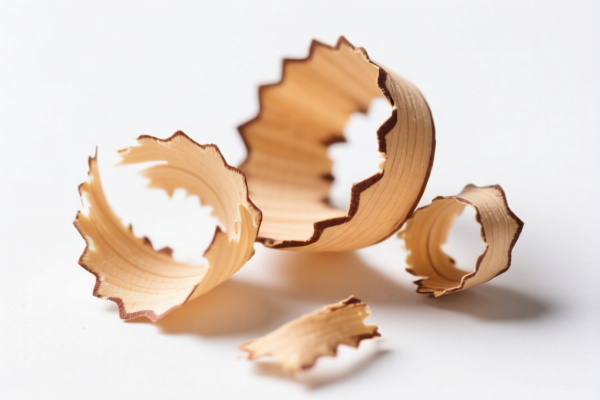
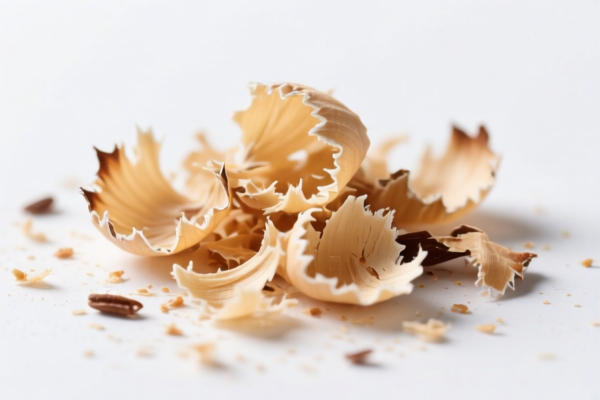
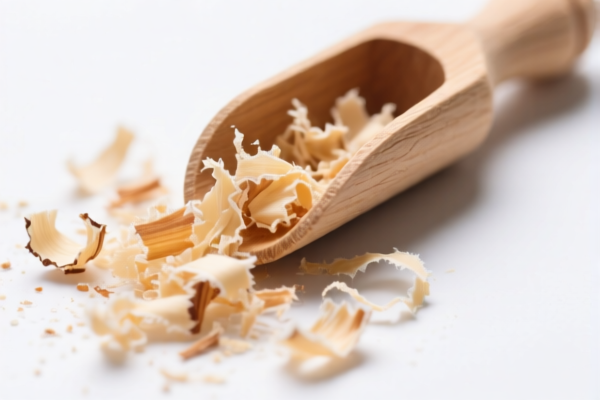
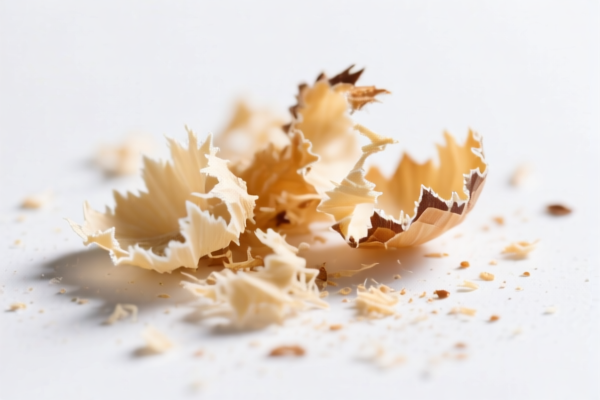
| 4401.49.00.20 | Sawdust and wood waste and scrap, not agglomerated: Other Shavings | Specifically for wood shavings (e.g., from machining). Unagglomerated. Used for biomass fuel or bedding. |
| 4401.49.00.90 | Sawdust and wood waste and scrap, not agglomerated: Other Other | A catch-all for wood waste/scrap not specified as shavings (e.g., sawdust, bark, branches). Unagglomerated. |
| 2301.10.00.00 | Flours, meals and pellets, of meat or meat offal... unfit for human consumption | Animal-based biomass waste. Includes greaves (cracklings). Used in animal feed or industrial bio-processing. |
| 2301.20.00.90 | Flours, meals and pellets, of fish or crustaceans... Other | Aquatic-based biomass waste. Fish meal, shellfish waste. Used in aquaculture feed or fertilizer. |
| 4707.90.00.00 | Recovered (waste and scrap) paper and paperboard: Other, including unsorted waste | Paper/Cardboard waste. Often grouped with biomass in recycling streams. Unsorted mixed paper waste. |
| 4707.10.00.00 | Recovered (waste and scrap) paper and paperboard: Unbleached kraft paper... corrugated | Specific Paper Waste: Unbleached kraft or corrugated board. High-grade recycling material. |
🔍 Key Insight:
- All items listed above have a Total Tax of 25.0% (0% Base + 25% Add-on).
- Wood waste (4401) and Paper waste (4707) are both subject to the same high tariff rate in this dataset.
- Animal/Aquatic waste (2301) is also subject to the same 25% rate.
💰 Part III: 2024/2025 Tariff Rate Breakdown
✅ Applicable Context: Based on the provided tax data, all items show:
- Base Tariff: 0.0%
- Additional Tariff: 25.0%
- Total Effective Rate: 25.0%
This structure typically reflects: 1. MFN (Most Favored Nation) Rate: 0% for many waste/recycled materials. 2. Section 301 / Trade Remedy Tariffs: A 25% additional duty, commonly applied to Chinese-origin goods in the US market (as suggested by the "Add-on Tax" format in the data).
🎯 1. Wood Biomass (HS 4401.49.00.20 / .90)
| Item | Details |
|---|---|
| HS Code | 4401.49.00.20 (Shavings) or 4401.49.00.90 (Other Wood Waste) |
| Base Tax | 0.0% |
| Additional Tax | +25.0% |
| Total Tax | 25.0% |
| Calculation | CIF Value × 25% |
| De Minimis Exemption | ❌ Not Applicable for commercial shipments. De minimis (Section 321) generally excludes wood/paper waste due to phytosanitary and anti-dumping concerns. |
📌 Explanation:
- Wood waste is low-value, high-volume. The 25% tax significantly impacts margins.
- Phytosanitary Certificate is mandatory to prevent pest introduction.
🎯 2. Animal/Aquatic Meal/Pellets (HS 2301.10.00 / .20)
| Item | Details |
|---|---|
| HS Code | 2301.10.00.00 (Meat) or 2301.20.00.90 (Fish/Crustaceans) |
| Base Tax | 0.0% |
| Additional Tax | +25.0% |
| Total Tax | 25.0% |
| Calculation | CIF Value × 25% |
| De Minimis Exemption | ❌ Not Applicable |
📌 Explanation:
- These are processed waste products. High regulatory scrutiny due to BSE/TSE (Bovine Spongiform Encephalopathy) and disease control.
- Must meet FDA/USDA standards for import.
🎯 3. Paper/Cardboard Waste (HS 4707.90.00 / .10)
| Item | Details |
|---|---|
| HS Code | 4707.90.00.00 (Unsorted/Other) or 4707.10.00.00 (Kraft/Corrugated) |
| Base Tax | 0.0% |
| Additional Tax | +25.0% |
| Total Tax | 25.0% |
| Calculation | CIF Value × 25% |
| De Minimis Exemption | ❌ Not Applicable |
📌 Explanation:
- Paper waste is heavily regulated under EPA and FSIA (Fair Sleepers Act? No, likely FSRIA or similar recycling laws).
- Contamination levels must be declared.
🛠️ Part IV: Customs Clearance Practical Advice
✅ 1. Required Documentation Checklist
| Document | Mandatory? | Notes |
|---|---|---|
| Commercial Invoice | ✅ Yes | Must clearly state "Waste Biomass," "Wood Scrap," or "Fish Meal." No vague terms like "Organic Material." |
| Packing List | ✅ Yes | Detail weight, volume, and number of packages. |
| Phytosanitary Certificate | ✅ Yes (for HS 4401) | Issued by the exporting country's plant protection agency. Essential for wood to prove no pests. |
| Certificate of Origin | ✅ Yes | To determine if any preferential rates apply (though data shows 25% total, CO helps verify origin). |
| FDA Prior Notice | ✅ Yes (for HS 2301) | Required for animal/aquatic products imported into the US. |
| Bill of Lading/Air Waybill | ✅ Yes | Standard shipping document. |
✅ 2. Declaration Tips
🔥 Golden Rule: "Be Specific, Be Honest, Be Compliant!"
| Scenario | Correct Declaration | Wrong Declaration |
|---|---|---|
| Wood Chips | "Wood Chips, Unagglomerated, for Biomass Fuel" | "General Cargo" or "Wood Products" |
| Sawdust | "Sawdust and Wood Waste, Not Agglomerated" | "Organic Filler" |
| Fish Meal | "Fish Meal, Unfit for Human Consumption, for Animal Feed" | "Animal Feed" (too vague) |
| Paper Waste | "Unsorted Waste Paper and Paperboard" | "Recycled Paper" (implies processed) |
✅ 3. Special Considerations
| Issue | Recommendation |
|---|---|
| Moisture Content | For wood biomass, declare moisture content. High moisture can lead to rejected shipments or reclassification. |
| Contamination | Paper waste must be free of hazardous materials (batteries, plastics). Inspect before shipment. |
| Pest Treatment | Wood waste must be heat-treated or fumigated. Provide proof via Phytosanitary Certificate. |
| Tariff Engineering | Since all items are 25%, no tariff optimization is possible via HS code splitting. Focus on logistics cost reduction instead. |
🌍 Part V: Global Market Context (2024/2025)
| Market | HS Code Range | Tariff Trend | Key Requirement |
|---|---|---|---|
| 🇺🇸 USA | 4401, 2301, 4707 | 25% Additional Duty (as per data) | Phytosanitary, FDA Prior Notice |
| 🇪🇺 EU | Varies | Variable (often 0-5%) | REACH, Ecolabel, Deforestation Regulation (EUDR) |
| 🇨🇳 China | Varies | Variable | Import license for waste (banned for some categories) |
| 🇮🇳 India | Varies | Variable | BIS Certification, Import Policy on Scrap |
📌 Note: The provided data reflects a 25% total tax, which is highly indicative of US Section 301 tariffs on Chinese goods. If importing from elsewhere, verify local MFN rates.
📌 Part VI: Common Pitfalls & Risk Mitigation
❌ Pitfall 1: Declaring "Wood Waste" as "Firewood"
👉 Risk: Misclassification. Firewood (4401.10) may have different regulations than scrap (4401.49).
✅ Fix: Use precise HS code 4401.49.00.xxxx.
❌ Pitfall 2: Ignoring Phytosanitary Requirements for Wood
👉 Risk: Shipment detained or destroyed by agricultural authorities.
✅ Fix: Ensure Phytosanitary Certificate is presented at customs.
❌ Pitfall 3: Contaminated Paper Waste
👉 Risk: Rejected as hazardous waste or non-recyclable.
✅ Fix: Provide Material Composition Declaration and third-party contamination tests.
❌ Pitfall 4: Omitting "Unfit for Human Consumption" for Animal/Aquatic Waste
👉 Risk: FDA rejection.
✅ Fix: Clearly state "Unfit for Human Consumption" on the invoice and label.
🎯 Part VII: Conclusion & Action Plan
🎯 Key Takeaways:
1. All Listed HS Codes carry a 25% Total Tax (0% Base + 25% Add-on).
2. Wood Waste (4401) requires a Phytosanitary Certificate.
3. Animal/Aquatic Waste (2301) requires FDA Prior Notice.
4. Paper Waste (4707) requires Contamination Declaration.
🚀 Action Plan:
- Step 1: Verify the exact nature of the biomass (Wood, Animal, Paper).
- Step 2: Select the correct HS Code from the table above.
- Step 3: Prepare mandatory certificates (Phytosanitary/FDA).
- Step 4: Budget for 25% import duty on CIF value.
- Step 5: Engage a customs broker experienced in waste/recycled materials.
📣 Pro Tip:
If you are importing large volumes, consider Bonded Warehousing or Special Economic Zones (SEZs) to defer duties, though this may not reduce the final 25% liability. Always seek a Pre-Ruling from customs for ambiguous waste classifications.
✨ Accurate Classification Saves Time, Money, and Avoids Seizures!
💼 Waste Biomass is Regulated—Treat it with Professional Care!
用户评价
关于 HS 编码归类
协调制度(HS)是由世界海关组织(WCO)制定的国际贸易商品分类标准。全球 200 多个国家采用 HS 系统作为海关关税、贸易统计和进出口监管的基础。
每个 HS 编码遵循以下层级结构:
- 章(2 位)——商品大类(例如:第 84 章:机器和机械设备)
- 品目(4 位)——章内的更具体分类
- 子目(6 位)——国际通用细分,所有 WCO 成员国统一使用
- 本国细分(8-10 位)——各国自行扩展的细分编码,如美国 HTSUS 10 位编码
正确的 HS 编码归类对于顺利通关、准确缴纳关税和遵守贸易法规至关重要。错误归类可能导致海关延误、多缴关税或罚款。
从CN进口到US时,适用的关税税率可能包括:
- 最惠国(MFN)税率——适用于 WTO 成员国的标准关税税率
- 普通税率——适用于无贸易协定国家
- 贸易救济关税——附加关税,如 301 条款(反倾销)、232 条款(国家安全)或反补贴税
本页内容仅供参考。如需正式归类,请咨询当地海关或持牌报关代理。