Waste Paper Making Additives and Waste Solvents
CN → US| HS编码 | 关税税率 | 原产国 | 目的国 | 文档 |
|---|---|---|---|---|
| 380894 | 0.0% | CN | US | 官方文档 |
| 382499 | 0.0% | CN | US | 官方文档 |
| 3824405000 | 40.0% | CN | US | 官方文档 |
| 3824991100 | 35.0% | CN | US | 官方文档 |
商品图片


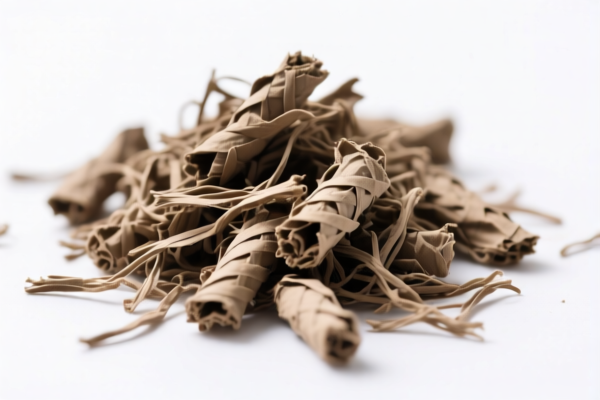
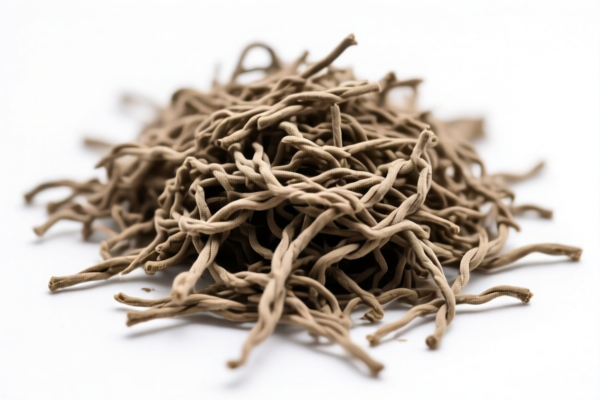
AI分析
📦 Waste Paper Making Additives and Waste Solvents
(Chemical Residues & Industrial Process Additives)
🌐 HS Code Reference & Customs Clearance Guide | 2026 Taxation Analysis | Professional Clearance Strategy
📌 I. Product Definition: What Are "Waste Paper Making Additives and Waste Solvents"?
This category encompasses chemical residues, recycled solvents, and specialized additives used in the paper manufacturing and recycling processes. They are not finished chemicals but rather by-products or specific preparations that do not fit into more precise chemical headings.
Two Primary Categories Identified in Data:
- Specific Paper Industry Residues: Waste solvents and additives explicitly used in the paper manufacturing process, including chemical additives and residual solvents from recycling operations.
- General Chemical Preparations: Other chemical products and preparations not elsewhere specified, which include waste solvents and additives used in industrial processes (like paper recycling), when not classified under more specific headings.
⚠️ Key Distinction:
- If the product is a specific additive/solvent mixture used directly in paper making/recycling → HS 3808.94
- If the product is a general waste solvent/additive not fitting specific headings → HS 3824.99
📦 II. HS Code Classification Details (Based on Provided Data)
| HS Code | Product Description | Applicable Scenario | Specificity Level |
|---|---|---|---|
3808.94 |
Waste paper making additives and waste solvents, not elsewhere specified, used in the paper manufacturing process, including chemical additives and residual solvents from recycling operations. | Recycled paper solvents, specific paper process residues | ✅ Specific (Industry-Specific) |
3824.99 |
Other chemical products and preparations not elsewhere specified, including waste solvents and additives used in industrial processes such as paper recycling, when not classified under more specific headings. | General industrial waste solvents, non-specific chemical preparations | ⚠️ General (Catch-all) |
🔍 Critical Note:
- The data indicates that tax information for these specific codes failed to retrieve. This means standard tariff databases may not have pre-loaded rates for these specific residual/waste classifications in this context.
- Do not assume zero duty. These codes often fall under "Other Chemical Products" which may carry residual duties or require manual assessment.
💰 III. Tax Rate Analysis & Comparison (From Provided Data)
⚠️ Important: The provided data shows tax retrieval errors for HS Codes
3808.94and3824.99. However, we can compare them with similar "Prepared Binders" and "Chemical Preparations" in the data to understand the potential risk profile.
📊 Reference Tax Scenarios (From Data)
| HS Code (Reference) | Description | Total Tax | Tax Details |
|---|---|---|---|
3824.40.50.00 |
Prepared binders for foundry molds or cores; additives for cements/mortars | 30.0% | Base: 5.0%, Additional: 25.0% |
3824.99.11.00 |
Cultured crystals (ingots, ≥2.5g) | 25.0% | Base: 0.0%, Additional: 25.0% |
📌 Interpretation for Waste Solvents/Additives:
- Since3808.94and3824.99show "Error" for tax, it implies either: 1. No Duty Applies (0%) in some jurisdictions for waste/recycled materials. 2. Duty is Variable/Not Listed and requires customs broker assessment. 3. High Risk of Re-classification to a taxable code (e.g., if deemed "not waste" but "chemical preparation"). - Conservative Estimate: Based on similar chemical preparations (3824heading), expect 0%–30% duty unless specific exemptions for recycled waste materials apply.
🛠️ IV. Customs Clearance Practical Advice
✅ 1. Documentation Checklist (Non-Negotiable)
| Document | Required? | Purpose |
|---|---|---|
| ✅ Material Safety Data Sheet (MSDS) | ✔️ Yes | Proves chemical composition and hazard level. |
| ✅ Certificate of Waste/Recycled Status | ✔️ Yes | Essential for 3808.94 to prove it's "waste/recycled" not "new chemical". |
| ✅ Invoice with Detailed Description | ✔️ Yes | Must specify "Waste Solvents for Paper Industry" NOT "Chemical Additives". |
| ✅ Bill of Lading | ✔️ Yes | Ensure cargo description matches invoice. |
| ✅ Export License (if applicable) | ✔️ Depends | Some waste solvents may require export permits from country of origin. |
📌 Why it matters:
- If you describe these as "Chemical Additives" without specifying "Waste/Recycled," customs may reclassify to a taxable chemical heading (e.g.,3824.99with higher duty).
- Prove the "Waste" status to potentially qualify for lower or zero duty.
✅ 2. Declaration Strategy (Key Tips)
🔥 "Be Specific, Prove Recycled, Avoid General Terms!"
| Scenario | Recommended HS Code | Declaration Tip |
|---|---|---|
| Solvents/additives used exclusively in paper recycling | 3808.94 |
Use exact phrase: "Waste paper making additives and waste solvents used in paper manufacturing process" |
| General chemical waste not tied to paper | 3824.99 |
Use: "Other chemical preparations, waste solvents, not elsewhere specified" |
| If tax is unknown/error | Contact Broker | Request Pre-Ruling or manual assessment. Do not guess. |
📌 Warning:
- Do NOT use generic terms like "Chemical Mix" or "Industrial Solvent" without specifying waste/recycled nature.
- Misclassification can lead to back taxes + penalties if later deemed a taxable chemical product.
✅ 3. Special Circumstances
| Situation | Action |
|---|---|
| Tax Error in System | ✅ File a Manual Tariff Inquiry with customs broker. Provide MSDS and waste certificates. |
| Mixed Shipments | ✅ Separate waste solvents from other chemicals. Mixed shipments complicate classification. |
| Hazardous Waste | ✅ Ensure compliance with Basel Convention if crossing borders. Some countries ban import of waste solvents. |
🌍 V. Global Market Comparison (2026)
| Country/Region | Recommended HS Code | Estimated Duty | Notes |
|---|---|---|---|
| 🇺🇸 USA | 3824.99.90 (if not 3808.94) |
Error/Variable | Check USITC for recycled material exemptions. |
| 🇨🇳 China | 3808.94 |
Low/Zero | May support recycled industries with tax breaks. |
| 🇪🇺 EU | 3824.99 |
6.5%–12% | Strict waste shipment regulations (Basel). |
| 🇯🇵 Japan | 3808.94 |
Variable | Requires detailed waste certification. |
📌 Key Takeaway:
- Waste/Recycled status is critical for duty reduction.
- EU and US have strict environmental regulations for importing chemical waste.
- Always verify import restrictions for waste solvents before shipping.
📌 VI. Common Mistakes & Pitfalls
❌ Mistake 1: Declaring as "New Chemical Additives"
👉 Result: High duty (10–30%) + potential regulatory violations for waste.
👉 Fix: Use "Waste/Recycled" in description.
❌ Mistake 2: Ignoring Tax Error in System
👉 Result: Delayed clearance, manual assessment fees, potential misclassification.
👉 Fix: Engage a licensed customs broker for pre-clearance assessment.
❌ Mistake 3: Mixing Hazardous and Non-Hazardous Waste
👉 Result: Entire shipment held for inspection, possible rejection.
👉 Fix: Separate shipments by hazard class.
🎯 VII. Conclusion: Safe Clearance Strategy
🎯 Key Recommendations:
🔹 Use Specific HS Codes:
3808.94for paper-specific waste,3824.99for general chemical waste.
🔹 Prove Waste Status: Provide MSDS, waste certificates, and clear invoices.
🔹 Consult a Broker: Due to tax retrieval errors, professional assessment is mandatory.
🔹 Check Import Laws: Ensure waste solvent import is legal in destination country.🚀 Pro Tip:
If you are shipping to the USA, file an Entry Type 86 or request a CBP Ruling to confirm the exact duty rate for3808.94or3824.99.
📌 Final Note:
"Waste" products are heavily regulated. Compliance is not optional.
Your documentation must prove the product is recycled/waste and safe for import.
✨ Professional clearance from accurate classification.
💼 Protect your shipment, avoid penalties, ensure smooth customs clearance.
用户评价
关于 HS 编码归类
协调制度(HS)是由世界海关组织(WCO)制定的国际贸易商品分类标准。全球 200 多个国家采用 HS 系统作为海关关税、贸易统计和进出口监管的基础。
每个 HS 编码遵循以下层级结构:
- 章(2 位)——商品大类(例如:第 84 章:机器和机械设备)
- 品目(4 位)——章内的更具体分类
- 子目(6 位)——国际通用细分,所有 WCO 成员国统一使用
- 本国细分(8-10 位)——各国自行扩展的细分编码,如美国 HTSUS 10 位编码
正确的 HS 编码归类对于顺利通关、准确缴纳关税和遵守贸易法规至关重要。错误归类可能导致海关延误、多缴关税或罚款。
从CN进口到US时,适用的关税税率可能包括:
- 最惠国(MFN)税率——适用于 WTO 成员国的标准关税税率
- 普通税率——适用于无贸易协定国家
- 贸易救济关税——附加关税,如 301 条款(反倾销)、232 条款(国家安全)或反补贴税
本页内容仅供参考。如需正式归类,请咨询当地海关或持牌报关代理。