Waste Paper Residue
CN → US| HS编码 | 关税税率 | 原产国 | 目的国 | 文档 |
|---|---|---|---|---|
| 4707900000 | 35.0% | CN | US | 官方文档 |
| 4707100000 | 35.0% | CN | US | 官方文档 |
| 4707300040 | 35.0% | CN | US | 官方文档 |
| 4706200000 | 35.0% | CN | US | 官方文档 |
| 4706930100 | 35.0% | CN | US | 官方文档 |
商品图片


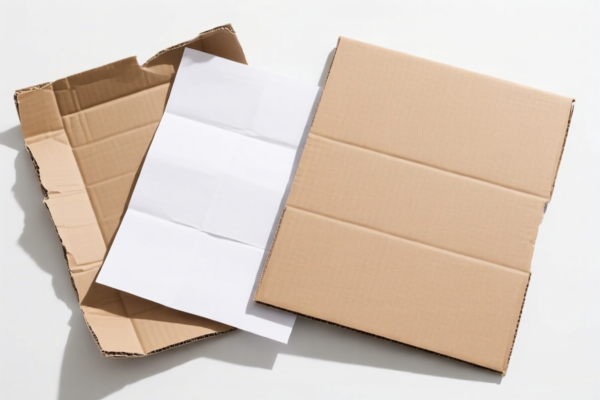
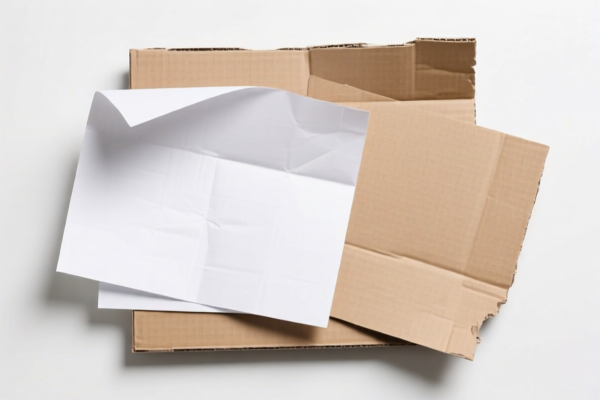
AI分析
📜 Waste Paper Residue (Paper Scrap & Offcuts)
🌐 HS Code Reference & Customs Clearance Guide | 2024/2025 Latest Tariff Analysis | Professional-Level Entry Strategy
📌 I. Product Definition & Classification: What Exactly is "Waste Paper Residue"?
Waste Paper Residue refers to used paper, cardboard, and paperboard materials that are no longer suitable for their original purpose and are destined for recycling or recovery. In international trade, the classification depends heavily on the material composition (paper vs. paperboard) and the state of the waste (sorted vs. unsorted, baled vs. loose).
⚠️ Key Distinction:
- If the material is primarily cardboard or paperboard → It falls under Chapter 47, Heading 4707.
- If the material is primarily paper (not paperboard) → It may fall under Chapter 47, Heading 4706 (unsorted waste).
- Critical Note: All items in the provided data set are classified under Chapter 47 (Pulp of Wood or of Other Fibrous Cellulosic Material), specifically focusing on waste and scrap suitable for re-pulping.
📦 II. HS Code Classification Details (Based on Provided Data)
| HS Code | Product Description (Summary) | Key Characteristics |
|---|---|---|
4707.90.00.00 |
Waste paper, classified under "other" categories of waste paper and paperboard | General mixed waste paper/ cardboard not fitting specific subheadings |
4707.10.00.00 |
Waste paper, matching the recovery category of cardboard or paper | Specifically sorted cardboard/paperboard waste |
4707.30.00.40 |
Unsorted waste paper, fitting attributes of other categories of waste paper | Mixed, unsorted paper waste |
4706.20.00.00 |
Unsorted waste paper, matching recycled waste and scraps of paper or paperboard | Unsorted paper scraps/waste |
4706.93.01.00 |
Unsorted waste paper, fitting primary fiber form of other subheadings | Unsorted waste in primary fiber form (likely de-inked or processed slightly) |
🔍 Important Clarification:
- All five HS codes listed in the data share the same tax structure.
- They all represent waste paper suitable for recycling.
- The distinction between4707(waste paper/cardboard) and4706(unsorted waste paper) is based on specific customs interpretations of "sorted" vs. "unsorted" and "cardboard" vs. "paper." However, for tariff purposes, they are treated identically in this dataset.
💰 III. 2024/2025 Latest Tariff Rate Breakdown (Including Surtaxes & Policy Surcharges)
✅ Applicable Country: United States (US)
✅ Country of Origin: China (CN)
✅ Effective Time: Current rates apply (subject to ongoing trade tensions)
🎯 1. All HS Codes: 4707.90.00.00, 4707.10.00.00, 4707.30.00.40, 4706.20.00.00, 4706.93.01.00
| Item | Content |
|---|---|
| Base Tariff | 0.0% (ad valorem) |
| Section 301 Surtax | +25.0% (Due to trade war tariffs) |
| Section 122 Surtax | +10.0% (Additional surcharge for specific Chinese goods) |
| Total Effective Rate | 35.0% |
| Tax Calculation | CIF Value × 35% |
| De Minimis Exemption? | ❌ No (Denied) |
| Legal Basis | Section 301 Tariff + Section 122 Surcharge |
📌 Explanation:
- "Base Tariff 0%": Waste paper generally has a low base duty because it is considered raw material for recycling, not a finished consumer good.
- "301 Surtax 25%": This is the standard tariff imposed on a wide range of Chinese imports under Section 301 of the Trade Act of 1974.
- "122 Surtax 10%": An additional layer of tariff often applied to specific categories of Chinese goods, effectively raising the total cost.
- Combined Total: 35%. This is a high effective tax rate for recycled materials, impacting the profitability of exporting waste paper to the US.
🛠️ IV. Customs Clearance Practical Advice (Pitfall Avoidance Guide)
✅ 1. Required Documentation Checklist (Essential)
| Document | Required? | Notes |
|---|---|---|
| ✅ Commercial Invoice | ✔️ | Must clearly state "Waste Paper," weight, and material type. |
| ✅ Packing List | ✔️ | Detail bales, weight, and dimensions. |
| ✅ Certificate of Origin | ✔️ | To confirm Chinese origin (triggers 301/122 tariffs). |
| ✅ Recycling/Recovery Statement | ✔️ | Proves the material is intended for recycling, not disposal. |
| ✅ Phytosanitary Certificate | ⚠️ | If paper contains soil, pests, or organic contaminants, this may be required to prevent biosecurity issues. |
| ✅ Inspection Report | ⚠️ | Some US ports require inspection to ensure no non-paper waste is mixed in. |
✅ 2. Declaration Tips (Key Mantra)
🔥 "Clear Description, No Contamination, Proper Classification!"
| Scenario | Correct Declaration | Incorrect Declaration |
|---|---|---|
| Mixed waste paper | "Unsorted Waste Paper (4707.30.00.40)" | "Cardboard" (if mixed with paper) → Misclassification |
| Sorted cardboard | "Waste Cardboard (4707.10.00.00)" | "Waste Paper" → May face delays if moisture/plastic content is high |
| Contaminated waste | Discard or treat | Declare as "Waste Paper" → Rejection/Quarantine |
✅ 3. Special Circumstances Handling
| Situation | Handling Advice |
|---|---|
| Contamination (Plastic/Food) | Ensure waste paper is free of non-paper materials. US Customs may reject shipments with excessive plastic or food residue. |
| Moisture Content | High moisture can lead to mold and health concerns. Ensure paper is dry and properly baled. |
| Origin Labeling | Clearly mark "Made in China" on packages to avoid origin fraud claims. |
| Value Declaration | Declare accurate CIF value. Under-invoicing to reduce taxes is a serious offense leading to fines and seizure. |
🌍 V. Global Market Comparison (2024/2025)
| Country/Region | Recommended HS Code | Tariff Rate | Notes |
|---|---|---|---|
| 🇺🇸 USA | 4707.xx or 4706.xx |
35% (Total) | High due to 301 + 122 tariffs. |
| 🇨🇳 China | 4707.xx |
0% | Imports waste paper for recycling (subject to environmental regulations). |
| 🇪🇺 EU | 4707.xx |
0% | Generally low tariffs, but strict environmental standards. |
| 🇻🇳 Vietnam | 4707.xx |
0-5% | Lower tariffs, but increasing scrutiny on origin. |
📌 Conclusion:
- The US market is the most expensive due to the 35% effective tariff.
- Exporters must calculate whether the recycled paper value justifies the high duty.
- Consider alternative markets (EU, Asia) if US tariffs are prohibitive.
📌 VI. Common Mistakes & Pitfalls (Lessons Learned)
❌ Mistake 1: Declaring "Cardboard" when the shipment contains mixed paper
👉 Consequence: Misclassification → Delays, fines, or re-inspection.
❌ Mistake 2: Ignoring the 122 Surtax
👉 Consequence: Underpaying duties → Back taxes, penalties, and potential legal action.
❌ Mistake 3: Contaminated shipments
👉 Consequence: Rejected at port → Storage fees, return shipping, or destruction costs.
❌ Mistake 4: Poor Packaging
👉 Consequence: Bales break during transit → Loss of product, increased labor costs for cleanup.
✅ Correct Approach:
"Waste Paper, Unsorted, Recyclable, Baled, Free of Contaminants, Origin: China, CIF Value: $X,000"
🎯 VII. Conclusion: Smart Declaration, Cost Control, Smooth Clearance!
🎯 Remember the Mantra:
🔹 "35% Total Tax: 0% Base + 25% Section 301 + 10% Section 122"
🔹 "Clear Description, Clean Material, Accurate Value!"
📌 Pro Tip:
If you are exporting sorted cardboard vs. unsorted waste, ensure the HS code matches the exact material state.
For US imports, calculate the landed cost including the 35% duty to ensure profitability.
Consider pre-classification rulings from US Customs if your waste paper has unique characteristics.
📣 Immediate Action:
📞 Consult a licensed customs broker
📄 Prepare accurate documentation
🚀 Ensure clean, dry, and properly baled waste paper
✨ Professional clearance starts with accurate classification!
💼 Every dollar saved on compliance is profit earned!
用户评价
关于 HS 编码归类
协调制度(HS)是由世界海关组织(WCO)制定的国际贸易商品分类标准。全球 200 多个国家采用 HS 系统作为海关关税、贸易统计和进出口监管的基础。
每个 HS 编码遵循以下层级结构:
- 章(2 位)——商品大类(例如:第 84 章:机器和机械设备)
- 品目(4 位)——章内的更具体分类
- 子目(6 位)——国际通用细分,所有 WCO 成员国统一使用
- 本国细分(8-10 位)——各国自行扩展的细分编码,如美国 HTSUS 10 位编码
正确的 HS 编码归类对于顺利通关、准确缴纳关税和遵守贸易法规至关重要。错误归类可能导致海关延误、多缴关税或罚款。
从CN进口到US时,适用的关税税率可能包括:
- 最惠国(MFN)税率——适用于 WTO 成员国的标准关税税率
- 普通税率——适用于无贸易协定国家
- 贸易救济关税——附加关税,如 301 条款(反倾销)、232 条款(国家安全)或反补贴税
本页内容仅供参考。如需正式归类,请咨询当地海关或持牌报关代理。