Waste Wood Material Garbage
CN → US商品图片
AI分析
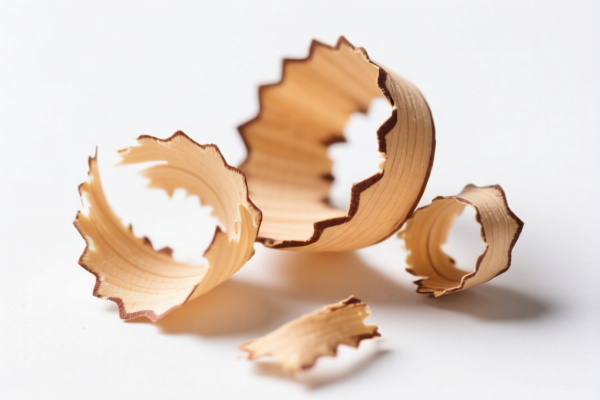
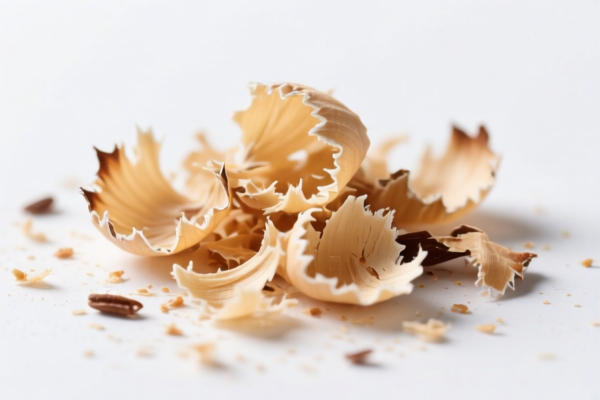
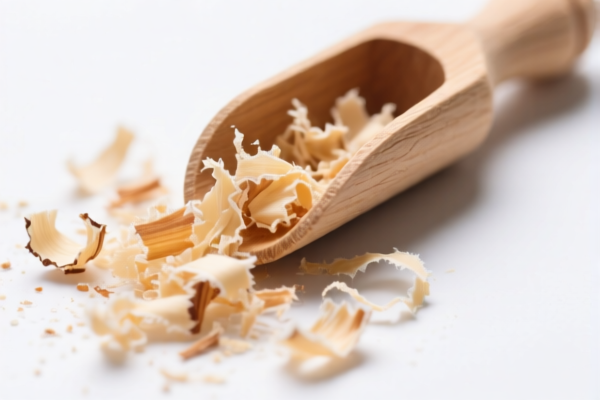
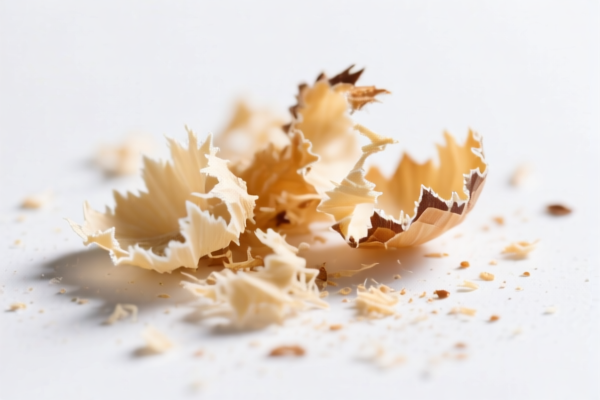
♻️ Waste Wood Material Garbage (Scrap Wood & Waste Timber)
🌐 HS Code Reference & Customs Clearance Guide | 2026 Latest Tariff Analysis | Professional Compliance Strategy
📌 I. Product Definition & Classification: Is It "Waste" or "Recyclable Material"?
Waste wood, scrap timber, and garbage wood are complex categories in international trade because they sit at the intersection of waste management and recyclable raw materials. The classification depends heavily on: 1. Chemical/Treatment Status: Treated (painted, pressure-treated with creosote/chrome-copper-arsenate) vs. Untreated. 2. Physical State: Chips, shavings, logs, or mixed construction debris. 3. Regulatory Status: Whether it is considered "hazardous waste" under Basel Convention or local environmental laws.
⚠️ Critical Distinction:
- Untreated wood waste (e.g., clean pallets, sawdust, unpainted scrap) → Generally classified as recyclable material or fiber board raw material.
- Treated/Contaminated wood waste (e.g., old railroad ties, painted furniture, chemically treated timber) → Often classified as hazardous waste or subject to strict import bans/restrictions.
📦 II. HS Code Classification Details (2026 Authoritative Reference)
| HS Code | Product Description | Applicability | Treatment Status | Hazard Classification |
|---|---|---|---|---|
4401.90.10.00 |
Wood in chips or shavings, whether or not agglomerated | Clean sawmill waste, wood chips for pulp/paper | ✅ Untreated | Non-Hazardous |
4401.90.90.00 |
Other wood, in logs, in chunks, in twigs, in faggots or in similar forms | Scrap logs, untreated lumber scraps, clean construction wood waste | ✅ Untreated | Non-Hazardous |
4707.30.00.00 |
Waste and scrap of wood | General wood waste (mixed, if not hazardous) | ⚠️ Check for treatments | Non-Hazardous (if untreated) |
3825.49.00.00 |
Waste of organic solvents & halogenated derivatives (includes some treated wood residues) | Chemically treated wood waste, creosote-soaked timber | ❌ Treated | Hazardous |
3002.90.00.00 |
Waste wood used for bioenergy (specific national codes may vary) | Wood biomass for energy | ✅ Untreated | Non-Hazardous |
9000.00.00.00 |
Other waste (miscellaneous garbage) | Mixed garbage containing wood (non-recyclable) | ❌ Mixed/Contaminated | Hazardous/Restricted |
🔍 Key Reminder:
- Untreated wood waste is generally allowed for import in many countries (e.g., US, EU) for recycling/biomass, provided it meets ISPM 15 (if from pallets) and phytosanitary standards.
- Treated wood waste (creosote,CCA, paint) is heavily restricted or banned in many jurisdictions due to toxic leaching risks.
- Mixed waste (wood + plastic + metal) may be classified as "municipal solid waste" and face import bans.
💰 III. 2026 Latest Tariff Rate Details (Including Surcharges & Policy Add-ons)
✅ Applicable Country: United States (US)
✅ Origin: China (CN)
✅ Effective Time: 2025-2026 (subject to changes)
🎯 1. 4401.90.10.00 / 4401.90.90.00 —— Untreated Wood Waste (Chips, Shavings, Logs)
| Item | Content |
|---|---|
| Base Tariff Rate | 0% (ad valorem) |
| USITC Surcharge | 0% (Generally exempt for raw material recycling) |
| IEEPA Surcharge | 0% (Not targeted under Section 301 for raw wood waste) |
| Total Tariff Rate | 0% |
| Tax Calculation | CIF Value × 0% = $0 |
| De Minimis Exemption | ❌ Not Applicable (Waste materials often excluded from de minimis) |
| Legal Basis Path | USITC:4401.90 → USDA/APHIS (Phytosanitary) |
📌 Explanation:
- Untreated wood waste is considered a raw material for recycling, not a finished good.
- No additional tariffs apply in the US for untreated wood chips/shavings.
- However, strict phytosanitary inspections by USDA/APHIS are required to prevent pest introduction.
🎯 2. 4707.30.00.00 —— Waste and Scrap of Wood (Mixed, Untreated)
| Item | Content |
|---|---|
| Base Tariff Rate | 0% |
| USITC Surcharge | 0% |
| IEEPA Surcharge | 0% |
| Total Tariff Rate | 0% |
| Tax Calculation | CIF Value × 0% = $0 |
| De Minimis Exemption | ❌ Not Applicable |
| Legal Basis Path | USITC:4707 → EPA (Environmental Compliance) |
📌 Note:
- Mixed wood waste (if untreated) faces low tariffs but high environmental scrutiny.
- Must provide Environmental Compliance Certificate from origin country.
🎯 3. 3825.49.00.00 —— Treated/Hazardous Wood Waste
| Item | Content |
|---|---|
| Base Tariff Rate | 0% - 2.5% (varies by specific treatment) |
| USITC Surcharge | 0% |
| IEEPA Surcharge | 0% |
| Total Tariff Rate | 0% - 2.5% |
| Tax Calculation | CIF Value × Rate |
| De Minimis Exemption | ❌ Banned (Hazardous waste import restrictions apply) |
| Legal Basis Path | TSCA (Toxic Substances Control Act) → EPA → USITC:3825 |
📌 Warning:
- Treated wood waste is subject to strict EPA regulations.
- Import may be prohibited or require special permit.
- High risk of rejection, fines, or forced return.
🛠️ IV. Customs Clearance Practical Advice (Real-World Pitfall Guide)
✅ 1. Required Documentation Checklist (Non-Negotiable)
| Document | Must Provide | Description |
|---|---|---|
| ✅ Phytosanitary Certificate | ✔️ | Issued by origin country’s plant protection agency (mandatory for untreated wood) |
| ✅ ISPM 15 Mark (if pallets) | ✔️ | Proof of heat treatment/fumigation for wooden packaging |
| ✅ Non-Hazardous Waste Declaration | ✔️ | Certified by third-party lab showing no toxic treatments (creosote, CCA, paint) |
| ✅ Material Safety Data Sheet (MSDS) | ✔️ | For treated wood, if applicable |
| ✅ Commercial Invoice | ✔️ | Clearly state: “Untreated Wood Waste for Recycling” |
| ✅ Packing List | ✔️ | Detail weight, volume, and packaging type |
| ✅ Import Permit (EPA/USDA) | ✔️ | Required for large volumes or mixed waste |
✅ 2. Declaration Tips (Key Mantra)
🔥 “Untreated = Allowed, Treated = Banned, Mixed = Restricted!”
| Scenario | Correct Declaration | Wrong Action |
|---|---|---|
| Clean wood chips/shavings | 4401.90.10.00 + Phytosanitary Cert |
Declare as “garbage” → Rejection |
| Untreated lumber scraps | 4401.90.90.00 |
Declare as “waste” → Delay |
| Treated railroad ties | Do Not Import (or 3825.49.00.00 with permit) |
Declare as “wood waste” → Fine/Ban |
| Mixed construction debris | 9000.00.00.00 (or prohibited) |
Declare as “recyclable wood” → Rejection |
✅ 3. Special Cases Handling
| Situation | Handling Advice |
|---|---|
| OEM Wood Waste from Factories | Provide factory audit report + treatment history |
| Wood with Paint/Stains | Test for lead/VOCs; if over limit, classify as hazardous |
| Wood from Pallets | Must have ISPM 15 stamp; otherwise, subject to fumigation at own cost |
| Wood for Biomass/Energy | Provide end-use certificate; may qualify for reduced environmental fees |
🌍 V. Global Market Comparison (2026 Latest)
| Country/Region | Recommended HS Code | Tariff | Certification Requirements | Notes |
|---|---|---|---|---|
| 🇺🇸 USA | 4401.90.10.00 / 4707.30.00.00 |
0% | USDA/APHIS + EPA | Strict phytosanitary checks |
| 🇨🇳 China | 4401.90.10.00 / 4707.30.00.00 |
0% | CIQ + Environmental Permit | Bans on hazardous waste import |
| 🇪🇺 EU | 4401.90 / 4707 |
0% (if recycled) | EAC + Waste Shipment Regulation | Strict Basel Convention compliance |
| 🇯🇵 Japan | 4401.90 / 4707 |
0% | FSC/PEFC (if sustainable) | No import ban on clean wood waste |
| 🇬🇧 UK | 4401.90 / 4707 |
0% | UK Waste Export Regulations | Post-Brexit, same as EU |
📌 Conclusion:
- USA & EU are most strict on phytosanitary and environmental compliance.
- China has banned hazardous waste imports; only clean recyclable wood is allowed.
- Untreated wood waste has 0% tariff globally but faces high regulatory barriers.
📌 VI. Common Errors & Pitfall Guide (Lessons Learned)
❌ Error 1: Declaring treated wood as “untreated waste”
👉 Consequence: EPA fine, shipment rejection, forced export at your cost
❌ Error 2: Importing mixed waste (wood + plastic) without permit
👉 Consequence: Classified as municipal waste → Import ban under Basel Convention
❌ Error 3: Ignoring ISPM 15 for pallets
👉 Consequence: Fumigation at destination port → High cost & delay
❌ Error 4: Missing Phytosanitary Certificate
👉 Consequence: USDA/APHIS quarantine → Shipment held or destroyed
✅ Correct Practice:
“Untreated Wood Chips, for Recycling, ISPM 15 Compliant, No Pesticides, Origin: [Country], HS Code: 4401.90.10.00”
🎯 VII. Conclusion: Professional Declaration, Save Time, Reduce Costs!
🎯 Remember the Mantra:
🔹 “Untreated = Clean, Treated = Toxic, Mixed = Banned!”
🔹 “Phytosanitary Cert is Key, No Paper = No Entry!”
🔹 “Test for Lead & Chromate, Before You Ship!”
📌 Pro Tip:
- If your wood waste is clean and untreated, apply for Advance Ruling from US CBP/EU Customs to confirm classification.
- For treated wood, consult an environmental lawyer before shipping.
- Use third-party labs (SGS, Intertek) to certify non-hazardous status.
📣 Immediate Action:
📞 Contact Customs Broker + Provide Lab Report + Submit Phytosanitary Cert
🚀 Let your wood waste clear customs smoothly, recycle efficiently, and boost profit!
✨ Professional Clearance Starts with Accurate Classification!
💼 Your Compliance, Your Profit!
用户评价
关于 HS 编码归类
协调制度(HS)是由世界海关组织(WCO)制定的国际贸易商品分类标准。全球 200 多个国家采用 HS 系统作为海关关税、贸易统计和进出口监管的基础。
每个 HS 编码遵循以下层级结构:
- 章(2 位)——商品大类(例如:第 84 章:机器和机械设备)
- 品目(4 位)——章内的更具体分类
- 子目(6 位)——国际通用细分,所有 WCO 成员国统一使用
- 本国细分(8-10 位)——各国自行扩展的细分编码,如美国 HTSUS 10 位编码
正确的 HS 编码归类对于顺利通关、准确缴纳关税和遵守贸易法规至关重要。错误归类可能导致海关延误、多缴关税或罚款。
从CN进口到US时,适用的关税税率可能包括:
- 最惠国(MFN)税率——适用于 WTO 成员国的标准关税税率
- 普通税率——适用于无贸易协定国家
- 贸易救济关税——附加关税,如 301 条款(反倾销)、232 条款(国家安全)或反补贴税
本页内容仅供参考。如需正式归类,请咨询当地海关或持牌报关代理。