Water Leak Sensor
CN → US| HS编码 | 关税税率 | 原产国 | 目的国 | 文档 |
|---|---|---|---|---|
| 9026102080 | 35.0% | CN | US | 官方文档 |
| 9026106000 | 17.5% | CN | US | 官方文档 |
| 9027894560 | 35.0% | CN | US | 官方文档 |
商品图片
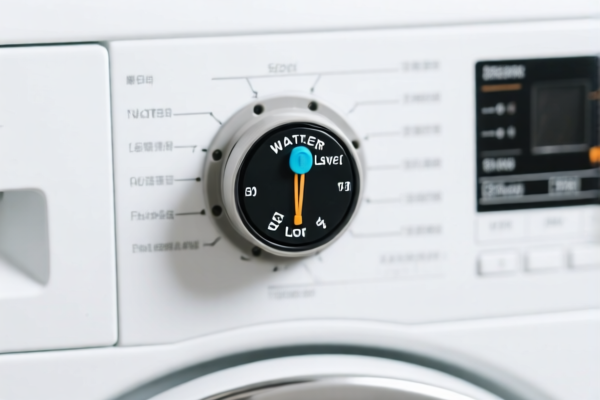
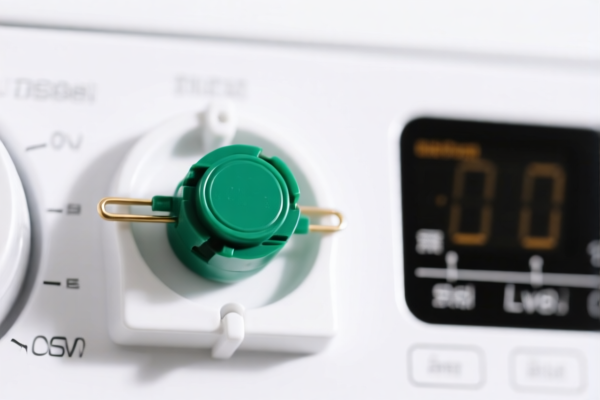
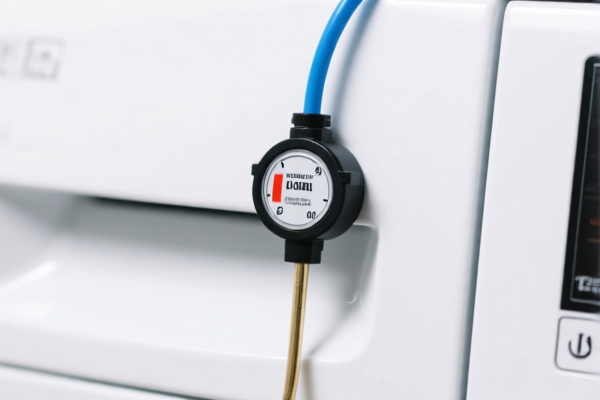
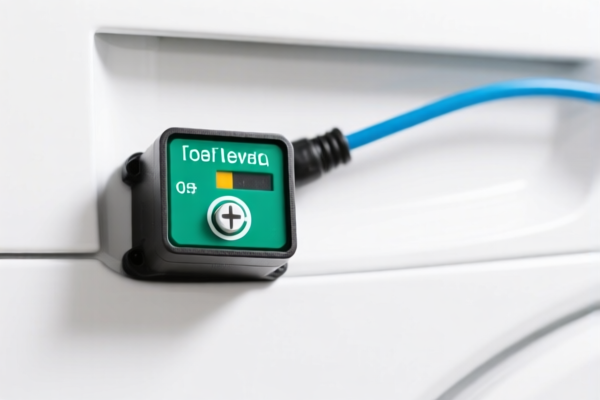
AI分析
🚰 Water Leak Sensor: Classification, Taxation & Customs Clearance Guide (USA/China Origin)
🌐 HS Code Reference & Customs Clearance Strategy | 2026 Latest Tariff Analysis | Professional-Level Compliance Guide
📌 I. Product Definition & Classification: Do You Really Understand "Water Leak Sensors"?
A Water Leak Sensor is a detection device designed to identify the presence of water in areas where it is not wanted (e.g., basements, near water heaters, under sinks). In international trade, its classification depends heavily on its function and technical structure.
Unlike simple mechanical floats, modern sensors often contain electrical circuits to detect conductivity or capacitance changes, making them "electrical instruments." Some advanced models may include chemical reagents for water quality analysis, shifting them into the "analytical instrument" category.
⚠️ Key Distinction Point:
- If it detects level/quantity via electrical means → Chapter 90 (9026)
- If it performs chemical/physical analysis of water quality → Chapter 90 (9027)
📦 II. HS Code Classification Details (2026 Latest Tariff Authority Comparison)
| HS Code | Product Description | Application Scenario | Technical Logic |
|---|---|---|---|
9026.10.20.80 |
Water Leak Sensor (Electrical/Level) | Standard residential/commercial leak detection; measures liquid level or presence. | Contains electrical components for signal processing. Classified as "Other/Electrical" instruments for liquid level measurement. |
9026.10.60.00 |
Water Leak Sensor (Standard Electrical) | Basic water level monitoring; simple electrical detection without complex analysis. | Fits "Liquid flow or level measurement" without material conflict. Lower risk profile than analytical models. |
9027.89.45.60 |
Water Quality/Analysis Sensor | Advanced sensors analyzing water chemistry, purity, or specific contaminants. | Classified under "Physical/Chemical Analysis Instruments." Used when the device evaluates water properties, not just presence/level. |
🔍 Key Reminder:
-9026.10.20.80is the most common classification for standard electronic leak detectors that send alerts based on water contact.
-9027.89.45.60applies if the sensor is marketed as a "water quality analyzer" rather than just a "leak detector."
-9026.10.60.00is a mid-tier classification for standard electrical level detectors with no complex analytical features.
💰 III. 2026 Latest Tariff Rate Breakdown (Including Additional Taxes & Policy Surcharges)
✅ Applicable Country: United States (US)
✅ Origin: China (CN)
✅ Effective Time: 2025/2026 Period (Subject to IEEPA & USITC Rules)
🎯 1. 9026.10.20.80 —— Water Leak Sensor (High Complexity/Electrical)
| Item | Details |
|---|---|
| Base Tariff | 0.0% (Ad Valorem) |
| USITC Additional Tariff | +25.0% (Section 301) |
| IEEPA Additional Tariff | +10.0% (Section 122 / IEEPA) |
| Total Effective Rate | 35.0% |
| Tax Calculation | CIF Value × 35% |
| De Minimis Exemption | ❌ Not Available (High tariff rates exclude de minimis eligibility for many categories) |
| Legal Path | IEEPA:9903.01.25 → USITC:9026.10.20.80 |
📌 Explanation:
- This code carries the highest tariff load (35%) due to its classification as a complex electrical instrument with specific analytical or high-precision level detection capabilities.
- The 25% Section 301 tariff + 10% IEEPA tariff makes this a high-cost item for Chinese origins.
🎯 2. 9026.10.60.00 —— Water Leak Sensor (Standard Electrical)
| Item | Details |
|---|---|
| Base Tariff | 0.0% (Ad Valorem) |
| USITC Additional Tariff | +7.5% (Section 301) |
| IEEPA Additional Tariff | +10.0% (Section 122 / IEEPA) |
| Total Effective Rate | 17.5% |
| Tax Calculation | CIF Value × 17.5% |
| De Minimis Exemption | ❌ Not Available |
| Legal Path | IEEPA:9903.01.24 → USITC:9026.10.60.00 |
📌 Explanation:
- This is the most cost-effective classification for standard water leak sensors.
- The lower USITC surcharge (7.5% vs. 25%) reflects its simpler electrical nature compared to high-precision analytical devices.
- Ideal for standard residential smart home sensors that simply detect presence.
🎯 3. 9027.89.45.60 —— Water Quality/Analysis Sensor
| Item | Details |
|---|---|
| Base Tariff | 0.0% (Ad Valorem) |
| USITC Additional Tariff | +25.0% (Section 301) |
| IEEPA Additional Tariff | +10.0% (Section 122 / IEEPA) |
| Total Effective Rate | 35.0% |
| Tax Calculation | CIF Value × 35% |
| De Minimis Exemption | ❌ Not Available |
| Legal Path | IEEPA:9903.01.25 → USITC:9027.89.45.60 |
📌 Explanation:
- Despite being an "analytical" instrument, it faces the same high tariff (35%) as the complex electrical sensor.
- Misclassifying a simple leak detector as an "analysis instrument" to avoid scrutiny may lead to customs delays if the device lacks chemical reagents or complex lab-style components.
🛠️ IV. Customs Clearance Practical Advice (Avoiding Pitfalls)
✅ 1. Required Documentation Checklist (Mandatory)
| Document | Must Provide? | Notes |
|---|---|---|
| ✅ Product Specification Sheet | ✔️ | Must clearly state: "Water Leak Detection," "No Chemical Analysis," "Electrical Circuit Included." |
| ✅ Circuit Diagram / BOM | ✔️ | Proves whether it is a simple conductivity sensor (9026) or complex analyzer (9027). |
| ✅ Product Photos (Labeled) | ✔️ | Show probes, housing, and any electronic control board. |
| ✅ Commercial Invoice | ✔️ | Description: "Electronic Water Leak Sensor, Model XYZ." Avoid vague terms like "Monitor." |
| ✅ Certificate of Origin (CO) | ✔️ | Required for tariff calculation and IEEPA compliance. |
| ✅ Packaging List | ✔️ | Ensure units are not split artificially to avoid de minimis abuse flags. |
✅ 2. Declaration Tips (Key Mantras)
🔥 “Clear Function, Correct Code, Avoid Analysis Trap!”
| Scenario | Correct Declaration | Incorrect Practice |
|---|---|---|
| Standard Smart Home Sensor | Use 9026.10.60.00 (17.5% Tariff) |
Misdeclaring as 9026.10.20.80 → Pays 35% unnecessarily! |
| High-Precision Industrial Sensor | Use 9026.10.20.80 or 9027.89.45.60 |
Trying to force a 17.5% code on a complex device → Customs Audit/Seizure. |
| Sensor with Chemical Reagents | Must use 9027.89.45.60 |
Trying to declare as 9026 → Misclassification penalty. |
| Simple Float Switch (No Electricity) | May fall under 8481 or 9032 (Not in Data) |
Do NOT use 9026 if it’s purely mechanical. |
📌 Critical Note:
- If your sensor is a simple electrical probe that triggers an alarm, it is NOT a "chemical analysis" device. Use9026.10.60.00for the lowest tariff (17.5%).
- Do NOT use the term "Water Quality Analyzer" unless it actually tests pH, turbidity, or chemical content.
✅ 3. Special Circumstance Handling
| Situation | Handling Advice |
|---|---|
| OEM Custom Sensors | Provide client design specs to prove it’s a standard level detector, not a lab instrument. |
| Bundled with Hub/Gateway | Declare the sensor separately if possible. If bundled, the entire kit may follow the sensor’s HS code. |
| Preventative Maintenance Kits | If sold with calibration tools, declare the sensor alone. Calibration tools may have different duties. |
🌍 V. Global Market Comparison (2026 Update)
| Country/Region | Recommended HS Code | Tariff Rate (China Origin) | Certification Required | Notes |
|---|---|---|---|---|
| 🇺🇸 USA | 9026.10.60.00 |
17.5% (Best Option) | FCC + UL (Optional) | 9026.10.20.80 & 9027.89.45.60 are 35%. |
| 🇪🇺 EU | 9026.10.60.00 |
0% - 1.7% | CE + RoHS | No Section 301/IEEPA surcharges. |
| 🇨🇳 China | 9026.10.60.00 |
8% - 10% | CCC (if applicable) | Lower entry barrier for domestic sales. |
📌 Conclusion:
- The USA is the most expensive market for these devices due to IEEPA and Section 301 tariffs.
- Strategic Choice: If your device is a standard leak detector, always aim for9026.10.60.00to save 17.5% in duties compared to the complex/analytical codes.
📌 VI. Common Errors & Pitfalls (Lessons Learned)
❌ Error 1: Declaring a simple leak sensor as "Water Quality Analyzer" (9027)
👉 Consequence: Unnecessary 35% tariff. You paid 17.5% more for no reason.
❌ Error 2: Declaring a complex industrial sensor as "Standard Sensor" (9026.10.60.00)
👉 Consequence: Customs audit, potential fraud penalties, and shipment detention.
❌ Error 3: Omitting "Electrical Circuit" details in the description
👉 Consequence: Customs may reclassify based on their own assessment, leading to 35% rates and delays.
❌ Error 4: Using "Sensor" without specifying type
👉 Consequence: Customs requests additional info → Clearance delay of 7-14 days.
✅ Correct Practice:
“Electronic Water Level Leak Detector, Contains Circuit Board, No Chemical Analysis Components, Model XYZ, FCC Certified”
🎯 VII. Conclusion: Precision Saves Money!
🎯 Remember the Mantra:
🔹 "Simple Sensor = 17.5% (
9026.10.60.00)"
🔹 "Complex/Analytical = 35% (9026.10.20.80/9027.89.45.60)"
🔹 "Don’t Analyze What You Can Just Detect!"
📌 Pro Tip:
If your device is originally manufactured in Vietnam, Mexico, or Thailand, you may qualify for IEEPA exemptions or lower tariffs. However, if assembled in China with Chinese components, the 17.5% - 35% rates apply.
👉 Recommendation: Apply for a Binding Ruling from US CBP before shipping to confirm the 17.5% classification for your specific model.
📣 Take Action Now:
📞 Consult a licensed customs broker.
📄 Provide technical specs proving no chemical analysis capability.
🚀 Secure the 17.5% rate for your Water Leak Sensors and boost your margins!
✨ Smart Classification, Higher Profits!
💼 Every percentage point counts in global trade.
用户评价
关于 HS 编码归类
协调制度(HS)是由世界海关组织(WCO)制定的国际贸易商品分类标准。全球 200 多个国家采用 HS 系统作为海关关税、贸易统计和进出口监管的基础。
每个 HS 编码遵循以下层级结构:
- 章(2 位)——商品大类(例如:第 84 章:机器和机械设备)
- 品目(4 位)——章内的更具体分类
- 子目(6 位)——国际通用细分,所有 WCO 成员国统一使用
- 本国细分(8-10 位)——各国自行扩展的细分编码,如美国 HTSUS 10 位编码
正确的 HS 编码归类对于顺利通关、准确缴纳关税和遵守贸易法规至关重要。错误归类可能导致海关延误、多缴关税或罚款。
从CN进口到US时,适用的关税税率可能包括:
- 最惠国(MFN)税率——适用于 WTO 成员国的标准关税税率
- 普通税率——适用于无贸易协定国家
- 贸易救济关税——附加关税,如 301 条款(反倾销)、232 条款(国家安全)或反补贴税
本页内容仅供参考。如需正式归类,请咨询当地海关或持牌报关代理。