Wedding Dress
CN → US商品图片
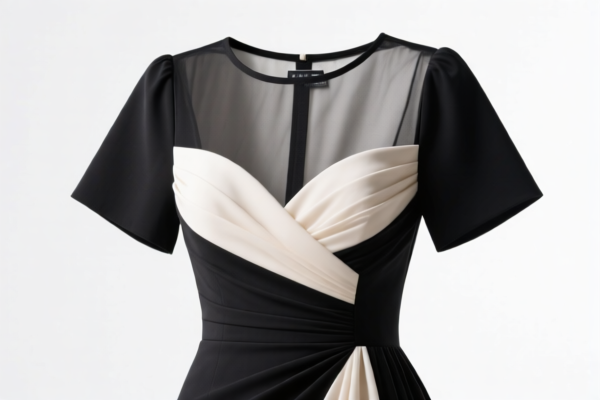
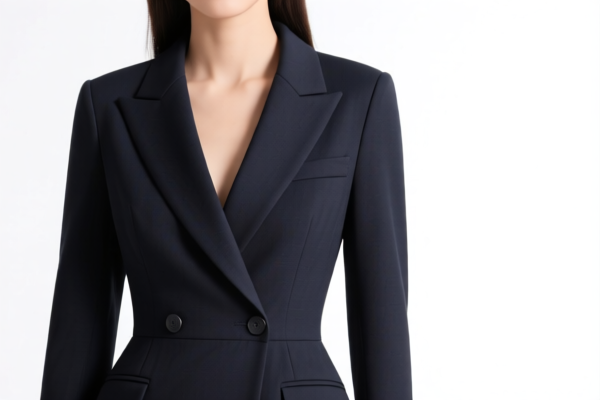
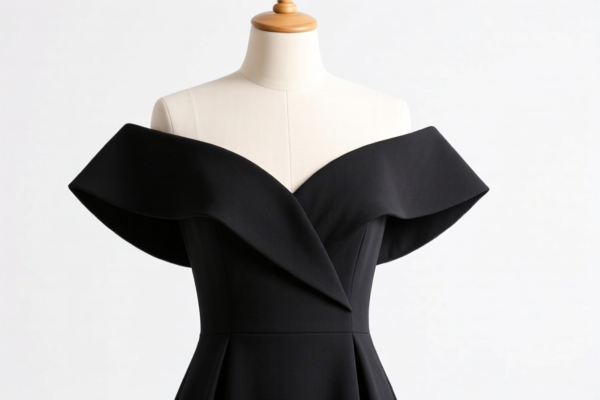
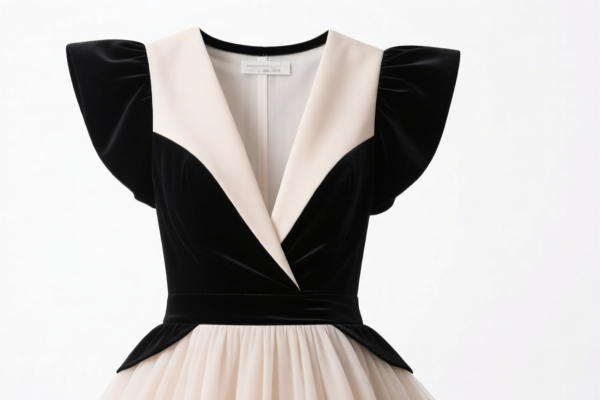
AI分析
👰 Wedding Dresses (Bridal Gowns & Wedding Garments)
🌐 HS Code Reference & Customs Clearance Guide | 2026 Latest Tariff Analysis | Professional Strategy for B2B & High-Volume Importers
📌 Part 1: Product Definition & Classification: Do You Know What a "Wedding Dress" Is?
A wedding dress is not just a piece of clothing; it is a high-value, low-volume, and highly regulated textile product in international trade. In customs classification, "Wedding Dresses" are generally treated as specialty garments. However, the HS Code depends heavily on the material composition and the intended use (bridal vs. general formal wear).
Key Distinction: 1. Bridal-Specific Gowns (Ready-made): Designed specifically for weddings, often featuring intricate lace, beads, or trains. 2. General Formal/Evening Gowns: May be worn at weddings but are not exclusively bridal. 3. Components: Veils, veiling, underskirts, and bustles are often classified separately or as parts of the main garment depending on packaging.
⚠️ Critical Note:
- If the garment is knitted or crocheted, it falls under Chapter 61.
- If the garment is not knitted (woven fabric), it falls under Chapter 62.
- Material matters: Cotton, Wool, Silk, or Synthetic fibers drastically change the HS Code and duty rate.
📦 Part 2: HS Code Classification Details (2026 Latest Tariff Alignment)
| HS Code | Product Description | Applicable Scenario | Material Type |
|---|---|---|---|
6204.43 |
Women’s or girls’ suits, ensembles, jackets, blazers, dresses, skirted suits, separate skirts, trousers, bib and brace overalls, breeches and shorts (other than swimwear), of synthetic fibers, not knitted/crocheted | Most common for mass-produced synthetic bridal gowns (Polyester, Nylon, Acrylic) | Synthetic Fibers |
6204.44 |
Women’s dresses, of artificial fibers, not knitted/crocheted | Gowns made from Rayon, Viscose, or Modal | Artificial Fibers |
6204.42 |
Women’s dresses, of wool or fine animal hair, not knitted/crocheted | Rare, but applies to high-end wool-blend or cashmere wedding coats/dresses | Wool/Animal Hair |
6204.41 |
Women’s dresses, of cotton, not knitted/crocheted | Cotton bridal dresses (less common for heavy gowns, more for summer/boho styles) | Cotton |
6204.49 |
Women’s dresses, of other textile materials, not knitted/crocheted | Dresses made of Silk, Linen, or mixed materials not specified above | Other (e.g., Silk) |
6104.43 |
Women’s dresses, of synthetic fibers, knitted or crocheted | Knitted lace wedding gowns, knit-fabric bridal wear | Synthetic (Knitted) |
6104.44 |
Women’s dresses, of artificial fibers, knitted or crocheted | Knitted Rayon/Viscose dresses | Artificial (Knitted) |
🔍 Key Reminder:
- "Wedding Dress" is not a standalone HS Code. You must classify based on Construction (Knitted vs. Woven) and Material.
- If a dress contains multiple materials, use the Essential Character test or the primary material by weight.
- Accessories: Veils (6213.90), gloves (6116.10), and garters are often declared separately or as "parts" if sold as a set, but customs may require separate HS Codes for each component if they are significant in value.
💰 Part 3: 2026 Latest Tariff Rate Breakdown (Including Surtaxes & Policies)
✅ Applicable Country: United States (US)
✅ Country of Origin: China (CN)
✅ Effective Date: November 10, 2025 onwards (post-election policy adjustments)
🎯 1. 6204.43 – Women’s Dresses, Synthetic Fibers, Woven (Most Common for Mass-Market Bridal)
| Item | Content |
|---|---|
| Base Duty Rate | 17% (Standard MFN) |
| Section 301 Surcharge | +7.5% (List 4C – Textiles & Apparel) |
| Uyghur Forced Labor Prevention Act (UFLPA) | High Scrutiny Risk – Requires extensive supply chain documentation |
| Total Effective Rate | 24.5% |
| De Minimis Exemption | ❌ Not Applicable for textile articles under $800 (Section 321) if subject to 301 duties |
| Legal Basis | USITC:6204.43.40.80 → 301_FOOTNOTE:TEXTILES |
📌 Explanation:
- The 17% is the standard Most Favored Nation (MFN) rate for woven synthetic dresses.
- The 7.5% is the additional duty under Section 301, which applies to many textile products from China.
- Total: 24.5%. This is a significant cost driver for bridal importers.
🎯 2. 6204.49 – Women’s Dresses, Other Textile Materials (e.g., Silk, Linen, Mixed)
| Item | Content |
|---|---|
| Base Duty Rate | 10.5% – 12% (Varies by specific subheading, e.g., Silk vs. Other) |
| Section 301 Surcharge | +7.5% |
| Total Effective Rate | ~18% – 20% |
| De Minimis Exemption | ❌ Not Applicable |
| Legal Basis | USITC:6204.49.90.20 (Silk) → 301_FOOTNOTE:TEXTILES |
📌 Note:
- Silk or linen bridal gowns may have a lower base rate but are still subject to the 301 surcharge.
- Luxury Silk Dresses often attract higher scrutiny for valuation due to high unit prices.
🎯 3. 6104.43 – Women’s Dresses, Synthetic Fibers, Knitted
| Item | Content |
|---|---|
| Base Duty Rate | 16% |
| Section 301 Surcharge | +7.5% |
| Total Effective Rate | 23.5% |
| De Minimis Exemption | ❌ Not Applicable |
| Legal Basis | USITC:6104.43.00.40 → 301_FOOTNOTE:TEXTILES |
📌 Note:
- Knitted garments are often perceived as "casual" but high-end knit lace bridal dresses are still subject to the same textile tariffs.
🛠️ Part 4: Customs Clearance Practical Advice (Real-World Pitfall Guide)
✅ 1. Documentation Checklist (Non-Negotiable)
| Document | Required? | Notes |
|---|---|---|
| ✅ Commercial Invoice | ✔️ | Must clearly state "Wedding Dress" and HS Code. Include material breakdown (e.g., 90% Polyester, 10% Spandex). |
| ✅ Packing List | ✔️ | Detail each piece (Gown, Veil, Petticoat). Do not lump them into one generic "Garment" line if values differ significantly. |
| ✅ Bill of Lading/Air Waybill | ✔️ | Ensure weight and dimensions match invoice. |
| ✅ Country of Origin Certificate | ✔️ | Critical for 301 duty eligibility and UFLPA compliance. |
| ✅ Supply Chain Documentation | ✔️ | UFLPA Compliance: Detailed proof that no forced labor was used in cotton/silk/synthetic fiber production. |
| ✅ Product Photos | ✔️ | High-res images showing fabric texture, labels, and any unique features. |
✅ 2. Declaration Tips (Key Rules of Thumb)
🔥 “Material Defines Code, Origin Defines Tax, Composition Defines Scrutiny.”
| Scenario | Correct Declaration | Wrong Practice |
|---|---|---|
| Polyester Wedding Gown | 6204.43.40.80 (Woven, Synthetic) |
Declaring as 6104.43 (Knitted) to save duty → Audit Risk |
| Silk Bridal Gown | 6204.42.90.90 (Woven, Other) |
Declaring as 6204.41 (Cotton) → Valuation Fraud |
| Set: Gown + Veil | Declare Gown as Main, Veil as Accessory (if separate HS) | Lumping all into one HS Code → Misclassification |
| High-Value Custom Dress | Provide detailed cost breakdown (Fabric + Labor + Markup) | Under-invoicing to reduce duty → Seizure & Penalty |
✅ 3. Special Cases & Mitigation Strategies
| Situation | Handling Advice |
|---|---|
| UFLPA (Uyghur Forced Labor Prevention Act) | Crucial for Cotton & Silk. Provide chain-of-custody documents from farm to factory. If documentation is lacking, goods may be detained. |
| Section 301 Exclusions | Check if your specific HS Code was excluded from 301 duties in the past (most textile exclusions have expired). Assume 7.5% applies unless proven otherwise. |
| De Minimis ($800) | Do NOT rely on Section 321. Textiles are largely excluded from de minimis entry if they fall under certain HS codes or are subject to 301 duties. Plan for full formal entry. |
| Valuation of Luxury Gowns | Use Transaction Value (price actually paid). Provide invoices from designers. If using "constructed value," ensure labor and overhead are accurately allocated. |
🌍 Part 5: Global Market Comparison (2026 Update)
| Country/Region | Recommended HS Code | Base Duty | Special Taxes | Notes |
|---|---|---|---|---|
| 🇺🇸 USA | 6204.43.40.80 |
17% | +7.5% (301) = 24.5% | High scrutiny on forced labor. No de minimis for textiles. |
| 🇨🇳 China | 6204.43 |
5-10% | None | Low import duty for raw materials; high export duty for finished luxury? No, mainly low import. |
| 🇪🇺 EU | 6204.43 |
12% | None | VAT applies (19-27%). No Section 301 equivalent, but strict CE/RoHS for any non-textile components. |
| 🇬🇧 UK | 6204.43 |
12% | VAT (20%) | Post-Brexit rules apply. UK Global Tariff applies. |
| 🇨🇦 Canada | 6204.43 |
16% | None | CUSMA/USMCA does not cover textiles from China. |
📌 Conclusion:
- The US market is the most expensive for Chinese-made bridal wear due to the 7.5% 301 surcharge on top of standard duties.
- Documentation is key in the US due to UFLPA.
- EU/UK offer lower duties but strict VAT and compliance requirements.
📌 Part 6: Common Errors & Pitfalls (Lessons Learned)
❌ Error 1: Classifying a woven polyester dress as knitted (6104 instead of 6204).
👉 Consequence: While the duty rate is similar (16% vs 17%), the UFLPA scrutiny differs by material type. Misclassification leads to delays and audits.
❌ Error 2: Claiming De Minimis ($800) for a $500 dress + $300 accessories.
👉 Consequence: If the shipment is part of a larger commercial import or if the items are subject to 301 duties, the entire shipment may be denied de minimis entry, resulting in formal entry requirements and duties.
❌ Error 3: Ignoring UFLPA Documentation.
👉 Consequence: Customs may detain the shipment for weeks or months while investigating supply chain compliance. Goods may be seized if proof is insufficient.
❌ Error 4: Vague Description: "Women's Dress."
👉 Consequence: Customs cannot determine the correct HS Code. Leads to reclassification by CBP and potential penalties.
✅ Correct Practice:
"Women's Woven Wedding Dress, 90% Polyester, 10% Spandex, Ready-to-Wear, Model XYZ, Made in China"
🎯 Part 7: Conclusion: Precision in Bridal Imports
🎯 Remember the Mantra:
🔹 "Material dictates HS, Origin dictates Tax, Documentation dictates Flow."
🔹 "Wedding Dress is not a Code; it's a Composition."
📌 Pro Tip:
- For high-value custom gowns, consider using Bonded Warehouses to defer duty payments until the item is sold or shipped to a non-US destination.
- Always pre-classify your products using CBP’s Rulings Online Search System (ROSS) if unsure.
- Engage a licensed customs broker specializing in textiles to navigate UFLPA and 301 duties.
📣 Take Action Now:
📞 Hire a Textile-Specialized Customs Broker
📄 Compile Supply Chain Proof for UFLPA
🚀 Ensure Your Bridal Gown Enters the US Smoothly, Tariff-Optimized, and Compliant!
✨ Professional Clearance, From Thread to Customs!
💼 Your Business, Your Borderless Success!
用户评价
关于 HS 编码归类
协调制度(HS)是由世界海关组织(WCO)制定的国际贸易商品分类标准。全球 200 多个国家采用 HS 系统作为海关关税、贸易统计和进出口监管的基础。
每个 HS 编码遵循以下层级结构:
- 章(2 位)——商品大类(例如:第 84 章:机器和机械设备)
- 品目(4 位)——章内的更具体分类
- 子目(6 位)——国际通用细分,所有 WCO 成员国统一使用
- 本国细分(8-10 位)——各国自行扩展的细分编码,如美国 HTSUS 10 位编码
正确的 HS 编码归类对于顺利通关、准确缴纳关税和遵守贸易法规至关重要。错误归类可能导致海关延误、多缴关税或罚款。
从CN进口到US时,适用的关税税率可能包括:
- 最惠国(MFN)税率——适用于 WTO 成员国的标准关税税率
- 普通税率——适用于无贸易协定国家
- 贸易救济关税——附加关税,如 301 条款(反倾销)、232 条款(国家安全)或反补贴税
本页内容仅供参考。如需正式归类,请咨询当地海关或持牌报关代理。