Wet Area Floor Barrier
CN → US| HS编码 | 关税税率 | 原产国 | 目的国 | 文档 |
|---|---|---|---|---|
| 3926909989 | 22.8% | CN | US | 官方文档 |
| 3926909940 | 22.8% | CN | US | 官方文档 |
| 4016910000 | 37.7% | CN | US | 官方文档 |
| 4016940000 | 39.2% | CN | US | 官方文档 |
| 392690 | 0.0% | CN | US | 官方文档 |
| 630790 | 0.0% | CN | US | 官方文档 |
| 7308909530 | 85.0% | CN | US | 官方文档 |
| 7308909560 | 85.0% | CN | US | 官方文档 |
商品图片
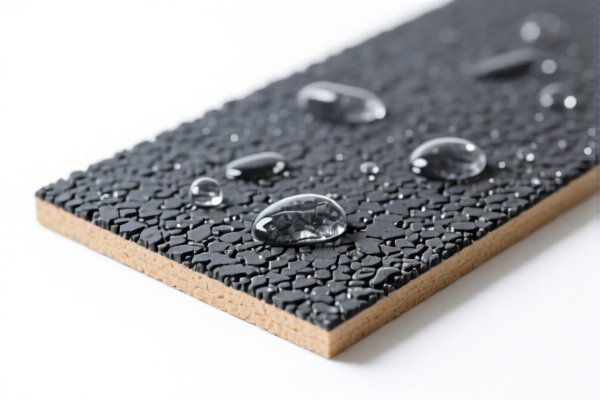
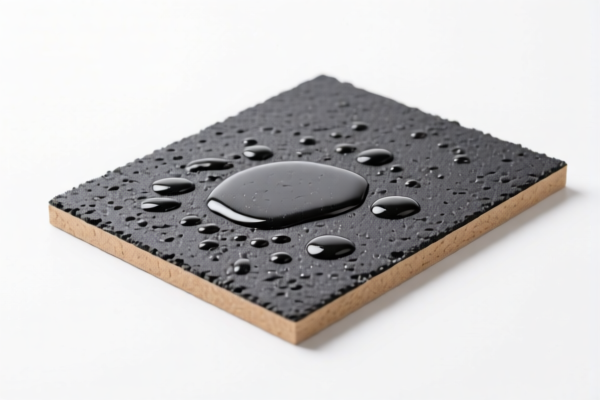
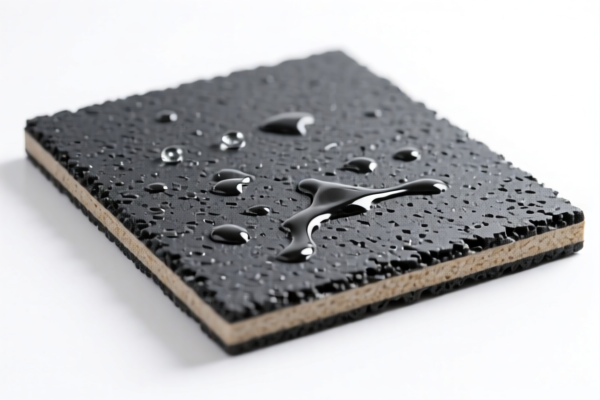
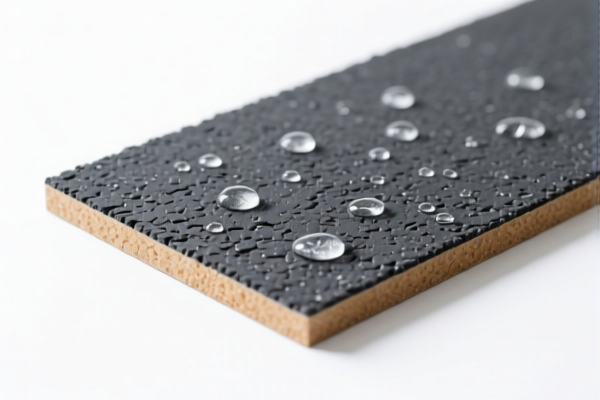
AI分析
🚰 Wet Area Floor Barrier (Water Containment & Protection)
🌐 HS Code Reference & Clearance Guide | 2026 Latest Tariff Analysis | Professional Customs Strategy
📌 I. Product Definition & Classification: What Exactly is a "Wet Area Floor Barrier"?
A "Wet Area Floor Barrier" refers to specialized equipment or materials designed to contain, block, or manage water spread in areas prone to flooding, spills, or heavy moisture. In international trade, these products are not unified under a single category but are split based on their material composition and intended structural vs. temporary use.
They generally fall into two main categories:
- Structural/Permanent Barriers: Made of Iron/Steel or Plastic, used as part of building infrastructure (e.g., drainage channels, fixed damming systems, architectural trim).
- Flexible/Temporary Barriers: Made of Textiles, Vulcanized Rubber, or general Plastics, used for containment mats, flood bags, or portable water guards.
⚠️ Critical Distinction:
- If the item is a fixed architectural component (e.g., a steel sill, a plastic drainage frame) → It is classified under Chapter 73 (Steel) or Chapter 39 (Plastics).
- If the item is a portable mat or flexible barrier (e.g., a rubber flood mat, a textile water-absorbing barrier) → It is classified under Chapter 40 (Rubber) or Chapter 63 (Textiles).
- Note: If the material is unclear or mixed, customs may default to the primary material by weight or function.
📦 II. HS Code Classification Details (2026 Latest Tariff Authority Cross-Reference)
Based on the provided data, here are the specific HS Codes and their corresponding tax implications for Wet Area Floor Barriers:
| HS Code | Product Description | Material | Applicable Scenario | Structure Type |
|---|---|---|---|---|
7308.90.95.30 |
Sheet-metal roofing, siding, flooring and roof drainage equipment | Iron/Steel | Permanent drainage channels, steel sills, fixed flood barriers | ✅ Structural/Permanent |
7308.90.95.60 |
Other Other: Architectural and ornamental work | Iron/Steel | Decorative steel barriers, architectural metal frames for wet areas | ✅ Structural/Permanent |
3926.90.99.40 |
Covers, rings and frames for manholes; catch basins; drainage gates and frames thereof; cleanout covers and frames thereof; valve, service and meter boxes | Plastic | Plastic drainage frames, manhole covers, fixed plastic barrier frames | ✅ Structural/Permanent |
3926.90.99.89 |
Other articles of plastics | Plastic | General plastic barriers, non-specific plastic flood blocks | ✅ Structural/Permanent |
4016.91.00.00 |
Other articles of vulcanized rubber other than hard rubber: Other: Floor coverings and mats | Vulcanized Rubber | Rubber flood mats, anti-slip water barriers, portable rubber dams | ✅ Flexible/Temporary |
4016.94.00.00 |
Other articles of vulcanized rubber other than hard rubber: Boat or dock fenders | Vulcanized Rubber | Dock fenders (if used as water barriers at piers) | ✅ Flexible/Temporary |
6307.90 |
Other made-up articles... used in wet areas for water containment... | Textile | Textile flood bags, water-absorbing barriers, fabric water guards | ✅ Flexible/Temporary |
3926.90 |
Other articles of plastics... intended for use in wet areas... | Plastic | Data Retrieval Error | ✅ Flexible/Temporary |
🔍 Key Reminder:
- Steel/Plastic Structural Items (7308/3926) are often subject to high additional tariffs due to trade policies (see Section III).
- Rubber/Textile Items (4016/6307) may have lower or zero tariffs, depending on the specific type (e.g., boat fenders vs. general mats).
- Ambiguous Cases: If a "floor barrier" is a composite material (e.g., fabric with rubber coating), customs will look at the essential character (usually the rubber or plastic backing) to determine the chapter.
💰 III. 2026 Latest Tariff Rate Breakdown (Including Surtaxes, Policy Surcharges)
✅ Applicable Country: USA (US)
✅ Origin: China (CN)
✅ Effective Date: From November 10, 2025 (and onwards)
🎯 1. Steel Structural Barriers (7308.90.95.30 & 7308.90.95.60)
| Item | Detail |
|---|---|
| Base Tariff | 0.0% |
| Additional Tariff (Section 301) | +25.0% |
| Steel/Aluminum/Copper Surcharge | +50.0% |
| Total Tariff Rate | 75.0% |
| Tax Calculation | CIF Value × 75% |
| De Minimis Exemption | ❌ Not Applicable |
| Legal Basis | Section 301 (25%) + Steel/Aluminum Surcharge (50%) |
📌 Explanation:
- These items are classified as prepared steel structures.
- The 75% total tariff is extremely high, driven by the combination of Section 301 tariffs and the specific 50% surcharge on steel products.
- Cost Impact: A $10,000 shipment will incur $7,500 in tariffs alone.
🎯 2. Plastic Structural Barriers (3926.90.99.40 & 3926.90.99.89)
| Item | Detail |
|---|---|
| Base Tariff | 3926.90.99.40: 0.0% |
| Additional Tariff (Section 301) | 3926.90.99.40: 0.0% |
| Total Tariff Rate | 3926.90.99.40: 0.0% |
| Tax Calculation | CIF Value × Rate |
| De Minimis Exemption | ✅ Possible (for low-value shipments, if applicable under current rules) |
| Legal Basis | Section 301 (7.5% for general plastics) |
📌 Explanation:
- Drainage Frames/Covers (3926.90.99.40): 0% Total Tariff. This is a highly advantageous classification for structural plastic items.
- General Plastic Articles (3926.90.99.89): 12.8% Total Tariff. Higher than drainage-specific items but significantly lower than steel.
- Warning: Generic "plastic barriers" often fall under89unless they can be proven to be drainage frames/frames.
🎯 3. Rubber Floor Mats/Barriers (4016.91.00.00)
| Item | Detail |
|---|---|
| Base Tariff | 2.7% |
| Additional Tariff (Section 301) | +25.0% |
| Total Tariff Rate | 27.7% |
| Tax Calculation | CIF Value × 27.7% |
| De Minimis Exemption | ❌ Not Applicable (likely subject to Section 301) |
| Legal Basis | Section 301 (25%) |
📌 Explanation:
- Rubber Floor Coverings/Mats are subject to a standard 25% Section 301 surcharge plus the base tariff.
- Cost Impact: A $10,000 shipment will incur $2,770 in tariffs.
🎯 4. Boat/Dock Fenders (4016.94.00.00)
| Item | Detail |
|---|---|
| Base Tariff | 0.0% |
| Additional Tariff | 0.0% |
| Total Tariff Rate | 0.0% |
| Tax Calculation | $0 |
| De Minimis Exemption | ✅ Not Applicable (but rate is 0%) |
| Legal Basis | Specific HS Code exemption |
📌 Explanation:
- If the "wet area barrier" is used specifically as a dock fender or boat bumper, it may qualify for 0% tariff.
- Strategy: If the product is a rubber barrier used at piers, declare it as a fender rather than a general mat.
⚠️ 5. Ambiguous/Unretrieved Cases (3926.90, 6307.90)
| HS Code | Status |
|---|---|
3926.90 (Plastic Wet Area Articles) |
❌ Failed to Retrieve Tax Information |
6307.90 (Textile Wet Area Articles) |
❌ Failed to Retrieve Tax Information |
📌 Risk Alert:
- These codes lack clear tax data in the provided dataset.
- General Rule for Textiles (6307): Often subject to ad valorem tariffs (e.g., 10-17%) + potential Section 301.
- General Rule for Plastics (3926): Often subject to Section 301 (7.5-25%).
- Recommendation: Avoid using these generic codes without prior Advance Ruling to prevent customs audits and sudden tariff liabilities.
🛠️ IV. Customs Clearance Practical Advice (Battle-Tested Pitfall Guide)
✅ 1. Document Checklist (Non-Negotiable)
| Document | Mandatory? | Explanation |
|---|---|---|
| ✅ Product Specification Sheet | ✔️ | Must clearly state: Material (Steel/Rubber/Plastic), Function (Drainage/Containment), Dimensions. |
| ✅ Photos/Drawings | ✔️ | Show installation method (Fixed vs. Portable). Critical for distinguishing 7308 (Fixed) vs. 4016 (Mat). |
| ✅ Commercial Invoice | ✔️ | Must use precise terms: "Steel Drainage Channel," "Rubber Flood Mat," "Plastic Manhole Cover." Avoid vague "Floor Barrier." |
| ✅ Material Declaration | ✔️ | Specify alloy for steel, rubber compound for rubber, plastic type for plastics. |
| ✅ Intended Use Statement | ✔️ | "For permanent installation in industrial building" vs. "Portable emergency flood control." |
✅ 2. Declaration Strategy (Key Mantras)
🔥 “Material Defines Chapter, Function Defines Code, Name Must Match!”
| Scenario | Correct Declaration | Wrong Declaration | Consequence |
|---|---|---|---|
| Steel Drainage Sill | 7308.90.95.30 |
"Floor Barrier" | ❌ High Risk of Audit → 75% Tariff + Penalties |
| Plastic Drain Frame | 3926.90.99.40 |
"Plastic Part" | ❌ May be taxed at 12.8% instead of 0% |
| Rubber Flood Mat | 4016.91.00.00 |
"Textile Mat" | ❌ Misclassification → Tariff Dispute |
| Dock Rubber Fender | 4016.94.00.00 |
"Rubber Barrier" | ❌ Missed 0% Tariff Opportunity |
| Textile Water Bag | 6307.90 (with caution) |
"Plastic Bag" | ❌ Severe Misclassification → High Tariff + Fine |
✅ 3. Special Case Handling
| Situation | Handling Advice |
|---|---|
| Composite Materials (e.g., Rubber-Coated Fabric) | Declare based on essential character. If rubber provides the waterproofing, use Chapter 40. If fabric is primary, use Chapter 63. Provide material breakdown. |
| OEM Custom Barriers | Provide client design drawings. If it’s a "drainage gate frame," aim for 3926.90.99.40 (0% tax). |
| Portable vs. Fixed | If it has no bolts/screws and is rolled up → Not Structural → Do not use 7308. Use 4016 or 6307. |
| Dock Fenders | If used at a pier, explicitly declare as "Boat or Dock Fender" to leverage 0% tariff (4016.94.00.00). |
🌍 V. Global Market Clearance Comparison (2026 Latest)
| Country/Region | Recommended HS Code | Tariff | Certification | Notes |
|---|---|---|---|---|
| 🇺🇸 USA | 3926.90.99.40 (Plastic Frame) |
0% | None | Best option for plastic structural items. |
| 🇺🇸 USA | 7308.90.95.30 (Steel) |
75% | None | Avoid steel if possible due to 75% tariff. |
| 🇺🇸 USA | 4016.91.00.00 (Rubber Mat) |
27.7% | None | Moderate tariff. |
| 🇨🇳 China | Varies by material | Varies | CCC (if applicable) | No Section 301 surcharges. |
| 🇪🇺 EU | Varies | 0-6.5% | CE (if applicable) | No additional surcharges like US. |
| 🇬🇧 UK | Varies | 0-6.5% | UKCA | Post-Brexit rules apply. |
📌 Conclusion:
- USA is the most challenging market due to Section 301 and Steel Surcharges.
- Plastic Drainage Frames (3926.90.99.40) are the most cost-effective structural solution for the US market.
- Steel Barriers are prohibitively expensive (75% tariff) for the US market. Consider alternative materials or origins.
📌 VI. Common Errors & Pitfalls (Lessons Learned)
❌ Error 1: Declaring a Steel Drainage Channel as "Floor Covering"
👉 Consequence: Customs detects steel structure → Re-classify to 7308 → 75% Tariff + Back Taxes.
❌ Error 2: Declaring a Plastic Drain Frame as "General Plastic Part" (3926.90.99.89)
👉 Consequence: Missed 0% Tariff opportunity for 3926.90.99.40 → Pay 12.8% unnecessarily.
❌ Error 3: Declaring a Rubber Flood Mat as "Textile" (6307)
👉 Consequence: Ambiguity leads to audit → Delays + Potential penalty.
❌ Error 4: Using vague terms like "Wet Area Accessory"
👉 Consequence: Customs assigns arbitrary HS Code → Highest possible tariff applies.
✅ Correct Practice:
"Rubber Flood Barrier Mat, 4mm Thick, Black, Portability: Yes, Model: RM-100"
"Steel Sill Plate for Wet Area, Galvanized, Part No: SP-500, Fixed Installation"
"Plastic Manhole Drain Frame, PVC, Model: DF-200"
🎯 VII. Conclusion: Professional Declaration Saves Money
🎯 Remember the Mantras:
🔹 "Steel? 75% Tax. Plastic Frame? 0% Tax. Rubber Mat? 27.7% Tax."
🔹 "Be Specific: 'Drain Frame' is worth thousands more than 'Plastic Part'."
🔹 "Don't Guess: If 'Plastic Wet Area' code fails, get an Advance Ruling."
📌 Tips:
- If your product is steel, strongly consider shifting to plastic or rubber if functionality allows, to save 75% in tariffs.
- For plastic items, always try to qualify for 3926.90.99.40 (Drainage Frames) by providing design proofs.
- For rubber items, if used at docks, declare as Fenders (4016.94.00.00) for 0% tariff.
📣 Immediate Action:
📞 Consult a Customs Broker + Provide Product Photos + Apply for HS Code Advance Ruling
🚀 Ensure Your Wet Area Floor Barriers Clear Customs Smoothly, Efficiently, and Cost-Effectively!
✨ Professional Customs Clearance Starts with Accurate Classification!
💼 Every Cent Saved in Tariffs is Pure Profit!
用户评价
关于 HS 编码归类
协调制度(HS)是由世界海关组织(WCO)制定的国际贸易商品分类标准。全球 200 多个国家采用 HS 系统作为海关关税、贸易统计和进出口监管的基础。
每个 HS 编码遵循以下层级结构:
- 章(2 位)——商品大类(例如:第 84 章:机器和机械设备)
- 品目(4 位)——章内的更具体分类
- 子目(6 位)——国际通用细分,所有 WCO 成员国统一使用
- 本国细分(8-10 位)——各国自行扩展的细分编码,如美国 HTSUS 10 位编码
正确的 HS 编码归类对于顺利通关、准确缴纳关税和遵守贸易法规至关重要。错误归类可能导致海关延误、多缴关税或罚款。
从CN进口到US时,适用的关税税率可能包括:
- 最惠国(MFN)税率——适用于 WTO 成员国的标准关税税率
- 普通税率——适用于无贸易协定国家
- 贸易救济关税——附加关税,如 301 条款(反倾销)、232 条款(国家安全)或反补贴税
本页内容仅供参考。如需正式归类,请咨询当地海关或持牌报关代理。