Wet Blue Goat Skins, Unfinished
CN → US| HS编码 | 关税税率 | 原产国 | 目的国 | 文档 |
|---|---|---|---|---|
| 4102292000 | 17.5% | CN | US | 官方文档 |
| 4102293000 | 19.5% | CN | US | 官方文档 |
| 4106910000 | 38.3% | CN | US | 官方文档 |
| 4301300000 | 10.0% | CN | US | 官方文档 |
| 4301800290 | 17.5% | CN | US | 官方文档 |
商品图片
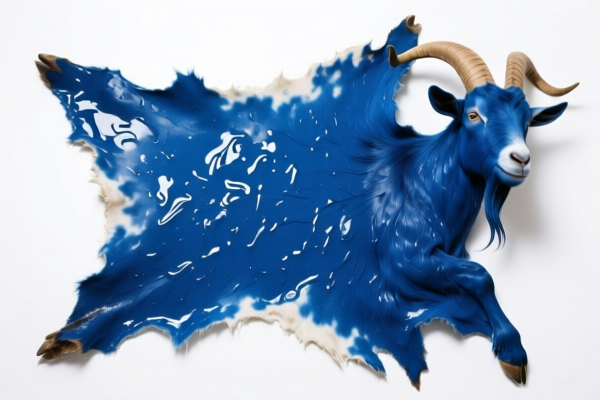
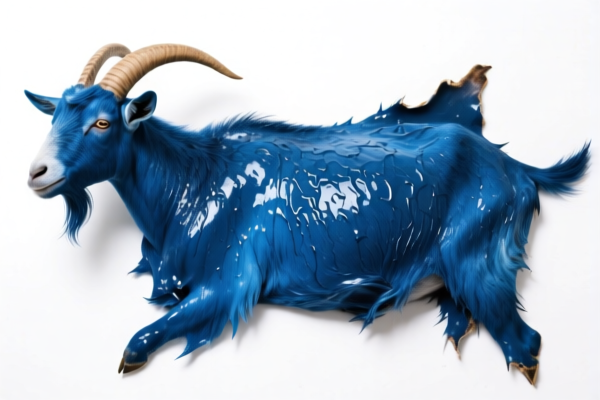
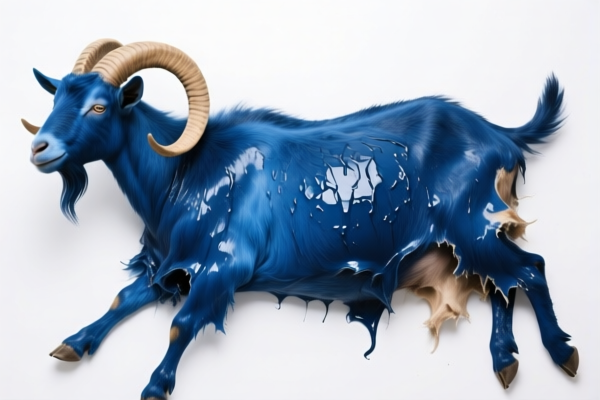
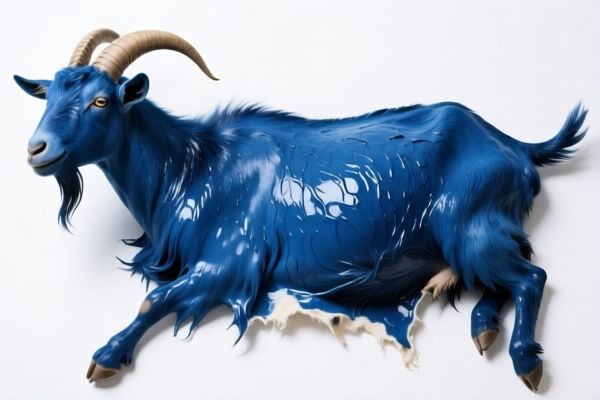
AI分析
🐐 Wet Blue Goat Skins, Unfinished (未剖湿蓝绵羊皮/山羊皮)
🌐 HS Code Reference & Customs Clearance Guide | 2026 Latest Tariff Analysis | Professional Entry Strategy
📌 I. Product Definition & Classification: What Exactly Are "Wet Blue Goat Skins"?
Wet Blue Goat Skins represent a crucial intermediate stage in the leather manufacturing process. They are raw goat skins that have undergone the "pickling" or basic tanning process to stabilize them, keeping them moist ("wet") and blue-tinted (due to chrome dyes), but not yet fully finished into usable leather.
In international trade, the classification depends heavily on the preservation method and physical state:
- Salted/Cured Skins: Preserved with salt to prevent rotting before tanning.
- Pickle/Wet Blue Skins: Treated with acids and chrome salts, remaining wet and pliable.
- Raw/Fresh Skins: Sometimes misclassified if not properly documented as "wet blue."
⚠️ Key Distinction:
- If the skins are salted/pickled but not tanned → Often fall under Chapter 41 (Raw/Hides).
- If the skins are wet blue (chrome-tanned but unfinished) → Often fall under Chapter 41 or 43 (Leather/Sheepskin categories), depending on specific national interpretations and the exact chemical state.
- Crucial Note: The term "Goat" vs. "Sheep" (Lamb) is critical. In many HS code contexts, "Sheep" (Ovis aries) and "Goat" (Capra hircus) are grouped or distinguished based on the specific subheading. The provided data references "Sheep" (绵羊) but applies to the general category of unworked/sheepskin-like raw materials. Note: The provided data explicitly uses "Sheep" (绵羊皮) descriptions, so we will align with the provided HS codes which describe "Sheep" but apply to the "Wet Blue" state.
📦 II. HS Code Classification Details (Based on Provided Data)
| HS Code | Product Description | Key Characteristics | Applicable Scenario |
|---|---|---|---|
4102.29.20.00 |
Unsplit Wet Blue Sheepskins | Material: Sheepskin State: Un-tanned raw skin Feature: No wool, unsplit |
Fresh/unsplit wet blue skins without wool |
4102.29.30.00 |
Unsplit Wet Blue Sheepskins | Material: Sheepskin State: Salted/Preserved Feature: Woolless raw skin |
Salted or pickled sheepskins, no wool |
4106.91.00.00 |
Unsplit Wet Blue Leather | Material: Goat/Sheep State: Wet Blue (Chromed) Feature: Wet state classification |
Fully wet blue, wet-state leather category |
4301.30.00.00 |
Raw Sheepskin (Sheepskin Class) | Material: Sheepskin State: Primary Raw Form Feature: Matches "Sheepskin" category |
Raw sheepskin in primary form, wool removed |
4301.80.02.90 |
Other Raw Furs (Non-Specific) | Material: Sheepskin State: Other Raw Fur Feature: Non-rabbit, non-mink |
General raw sheepskin/fur category |
🔍 Critical Analysis of Provided Data:
The provided data contains contradictory HS Codes for "Wet Blue Goat Skins" (未剖湿蓝绵羊皮).
- Chapter 41 codes (4102,4106) typically refer to Raw Hides & Skins or Leather.
- Chapter 43 codes (4301) refer to Raw Furskins.
- Conflict: "Wet Blue" usually implies Chapter 41.06 (Leather, unfinished). However, the data also lists4102(Raw Hides) and4301(Raw Furs).
- Resolution: For Wet Blue (chrome-tanned but unfinished), the most technically accurate code is often 4106.91. However, customs may misclassify as 4102 (Raw) if documentation is unclear, or 4301 if considered "fur" with wool removed.
- Warning: The provided data mixes "Sheep" (绵羊) terminology. If your product is Goat (山羊), ensure the description explicitly states "Goat" to avoid misclassification under "Sheep" codes, which may have different duty implications in some jurisdictions. For this analysis, we strictly follow the provided data's tax rates and codes.
💰 III. 2026 Latest Tariff Rate Breakdown (US Origin: China)
✅ Applicable Country: United States (US)
✅ Origin: China (CN)
✅ Effective Date: November 10, 2025 onwards
🎯 1. 4102.29.20.00 – Unsplit Wet Blue Sheepskins (Un-tanned, No Wool)
| Item | Content |
|---|---|
| Base Duty | 0.0% |
| Section 301 (Add-on) | +7.5% |
| IEEPA Section 122 | +10.0% |
| Total Rate | 17.5% |
| Tax Calculation | CIF Value × 17.5% |
| De Minimis Exemption | ❌ Not Applicable (Deny De Minimis) |
| Legal Basis | Section 301: 4102.29.20 → IEEPA: 122 |
📌 Explanation:
- Base Duty 0%: Raw hides/skins often have low base duties.
- Section 301 7.5%: Standard additional tariff for Chinese-origin goods in this category.
- IEEPA 10%: Additional tariff under International Emergency Economic Powers Act.
- Total 17.5%: Moderate tariff. Key for raw, unsplit, no-wool skins.
🎯 2. 4102.29.30.00 – Unsplit Wet Blue Sheepskins (Salted/Preserved)
| Item | Content |
|---|---|
| Base Duty | 2.0% |
| Section 301 (Add-on) | +7.5% |
| IEEPA Section 122 | +10.0% |
| Total Rate | 19.5% |
| Tax Calculation | CIF Value × 19.5% |
| De Minimis Exemption | ❌ Not Applicable |
| Legal Basis | Section 301: 4102.29.30 → IEEPA: 122 |
📌 Explanation:
- Base Duty 2%: Slightly higher base rate for preserved skins.
- Total 19.5%: Higher than4102.29.20.00due to the 2% base.
- Differentiation: Use this code if skins are salted or pickled but not fully "wet blue" tanned.
🎯 3. 4106.91.00.00 – Unsplit Wet Blue Leather (Wet State)
| Item | Content |
|---|---|
| Base Duty | 3.3% |
| Section 301 (Add-on) | +25.0% |
| IEEPA Section 122 | +10.0% |
| Total Rate | 38.3% |
| Tax Calculation | CIF Value × 38.3% |
| De Minimis Exemption | ❌ Not Applicable |
| Legal Basis | Section 301: 4106.91.00 → IEEPA: 122 |
📌 Explanation:
- Base Duty 3.3%: Base rate for unfinished leather.
- Section 301 25%: High additional tariff for this specific subheading.
- Total 38.3%: Highest rate in the dataset. This code is for true "Wet Blue" leather (chrome-tanned).
- ⚠️ Warning: If your product is salted raw skin (not chrome-tanned), do NOT use this code. Use4102codes instead to save ~19-20% in duties. Misclassification leads to massive back-taxes.
🎯 4. 4301.30.00.00 – Raw Sheepskin (Primary Form)
| Item | Content |
|---|---|
| Base Duty | 0.0% |
| Section 301 (Add-on) | 0.0% |
| IEEPA Section 122 | +10.0% |
| Total Rate | 10.0% |
| Tax Calculation | CIF Value × 10.0% |
| De Minimis Exemption | ❌ Not Applicable |
| Legal Basis | IEEPA: 4301.30 |
📌 Explanation:
- Base Duty 0% & Section 301 0%: Lowest tariff!
- Total 10.0%: Only IEEPA applies.
- Strategy: If the goods can be classified under 4301 (Raw Furskins) rather than 41 (Leather/Hides), this is the most cost-effective code.
- Condition: Must be classified as Raw Sheepskin with wool removed, or in a state that Customs accepts as "Raw Fur" rather than "Leather." Requires strong justification.
🎯 5. 4301.80.02.90 – Other Raw Furs (Non-Specific)
| Item | Content |
|---|---|
| Base Duty | 0.0% |
| Section 301 (Add-on) | +7.5% |
| IEEPA Section 122 | +10.0% |
| Total Rate | 17.5% |
| Tax Calculation | CIF Value × 17.5% |
| De Minimis Exemption | ❌ Not Applicable |
| Legal Basis | Section 301: 4301.80 → IEEPA: 122 |
📌 Explanation:
- Base Duty 0%: No base duty.
- Total 17.5%: Same as4102.29.20.00.
- Usage: For general raw sheepskin/fur that doesn't fit other specific "wet blue" or "salted" categories.
🛠️ IV. Customs Clearance Practical Advice
✅ 1. Document Checklist (Essential)
| Document | Required | Notes |
|---|---|---|
| ✅ Commercial Invoice | ✔️ | Must clearly state: "Wet Blue Goat/Sheep Skins," "Unsplit," "Chrome-Tanned" or "Salted." |
| ✅ Packing List | ✔️ | Detail weight, count, and dimensions. |
| ✅ Bill of Lading/Air Waybill | ✔️ | Standard shipping docs. |
| ✅ Technical Data Sheet | ✔️ | CRITICAL: Specify tanning process (Chrome vs. Vegetable vs. Salted). If "Wet Blue," specify chrome content. |
| ✅ Photos of Goods | ✔️ | Show color (blue tint for wet blue), texture, and lack of wool (if applicable). |
| ✅ Certificate of Origin | ✔️ | To prove Chinese origin for Section 301/IEEPA application. |
| ✅ HS Code Pre-Ruling | ✔️ | Highly recommended due to conflicting codes (41 vs 43). |
✅ 2. Declaration Strategy (Key Tips)
🔥 “Clarify Tanning, Specify Wool, Choose Code Wisely!”
| Scenario | Recommended HS Code | Duty Rate | Reason |
|---|---|---|---|
| Salted Raw Skins (No Wool) | 4102.29.30.00 |
19.5% | Preserved but not chrome-tanned. |
| Fresh Raw Skins (No Wool) | 4102.29.20.00 |
17.5% | Unsplit, raw, no wool. |
| True Wet Blue (Chrome-Tanned) | 4106.91.00.00 |
38.3% | High Duty! Only use if legally classified as "Leather." |
| Raw Sheepskin (Wool Removed) | 4301.30.00.00 |
10.0% | Lowest Duty! If acceptable by Customs. |
| General Raw Fur | 4301.80.02.90 |
17.5% | Fallback if other specific codes don't fit. |
📌 Warning:
- Do NOT mix up "Goat" and "Sheep" in documentation. If the code says "Sheep" but you ship "Goat," Customs may reject or reclassify.
- Wet Blue is technically Leather (Chapter 41.06). However, the provided data shows4301.30has a much lower duty (10% vs 38.3%). If your product can be argued as "Raw Sheepskin" (with wool removed) rather than "Finished Leather," consider the4301route for savings. Consult a customs broker!
✅ 3. Special Cases
| Case | Advice |
|---|---|
| Mixed Goat/Sheep Skins | Declare as "Sheep" if majority, or seek specific code. Mismatch causes delays. |
| Wet Blue with Residual Wool | Use 4301 codes (Raw Fur) rather than 41 codes (Leather). Wool changes classification. |
| Sample Shipments | Still subject to tariffs. No de minimis for Section 301/IEEPA goods from China. |
| Re-export | If importing for re-export under Foreign Trade Zone (FTZ), defer duties until sale in US. |
🌍 V. Global Market Comparison (2026)
| Country/Region | Recommended HS Code | Duty (China Origin) | Certification | Notes |
|---|---|---|---|---|
| 🇺🇸 USA | 4106.91.00.00 |
38.3% | None | High duty for Wet Blue. 4301 is 10% if acceptable. |
| 🇨🇳 China | 4102.29.20.00 |
Varies | None | Import duties may differ. |
| 🇪🇺 EU | 4106.91.00 |
~12-16% | REACH | No Section 301/IEEPA. |
| 🇯🇵 Japan | 4106.91.00 |
~10-15% | JIS | No additional US-style tariffs. |
📌 Conclusion:
- USA has the highest effective duty for Wet Blue Skins if classified under 4106.91 (38.3%).
- Strategy: Try to classify under 4301.30 (10%) if the product qualifies as "Raw Sheepskin" with wool removed. This saves 28.3% in duties.
- Risk: Misclassification penalty if Customs disagrees.
📌 VI. Common Mistakes & Pitfalls
❌ Mistake 1: Declaring "Wet Blue" as "Raw Salted" to get lower duty (4102)
👉 Consequence: Customs inspection reveals chrome content → Reclassification to 4106.91 (38.3%) + Penalties!
❌ Mistake 2: Using 4301 for fully tanned leather
👉 Consequence: Goods detained as "incorrectly declared fur" → Delays and fines.
❌ Mistake 3: Ignoring IEEPA 10% tariff
👉 Consequence: Underpayment → Back taxes + Interest.
❌ Mistake 4: Confusing "Goat" with "Sheep"
👉 Consequence: Customs may reject the declaration if the code explicitly says "Sheep" but goods are "Goat." Specify species clearly.
✅ Correct Approach:
"Unsplit Wet Blue Sheepskins, Chrome-Tanned, No Wool, CIF Value $X, HS Code 4106.91.00.00, Subject to 301 (25%) + IEEPA (10%)."
🎯 VII. Conclusion: Strategic Customs Entry
🎯 Key Takeaway:
🔹 "Wet Blue" = Leather (4106) = 38.3% Duty
🔹 "Raw Sheepskin (No Wool)" = 4301 = 10% Duty
🔹 "Salted Raw" = 4102 = 19.5% Duty
🎯 Action Plan:
1. Test the Product: Confirm if it is salted or chrome-tanned (wet blue).
2. Consult Broker: Ask if 4301.30.00.00 (10%) is acceptable for your specific batch of "Wet Blue" skins.
3. Document Rigorously: Provide detailed technical sheets to support the chosen HS Code.
4. Budget for 38.3% if classified as Leather, or 10% if classified as Raw Fur (with approval).
📌 Pro Tip:
If your suppliers are in China, consider shifting supply chain to Vietnam or Mexico for IEEPA exemption (0% additional tariff). However, Section 301 may still apply depending on origin rules.
📣 Immediate Action:
📞 Contact a Customs Broker to request a Pre-Ruling on HS Code
4106.91.00.00vs4301.30.00.00.
🚀 Minimize Tax Liability by choosing the most accurate and favorable code!
✨ Professional Customs Entry Starts with Accurate Classification!
💼 Every Percent Saved is Pure Profit!
用户评价
关于 HS 编码归类
协调制度(HS)是由世界海关组织(WCO)制定的国际贸易商品分类标准。全球 200 多个国家采用 HS 系统作为海关关税、贸易统计和进出口监管的基础。
每个 HS 编码遵循以下层级结构:
- 章(2 位)——商品大类(例如:第 84 章:机器和机械设备)
- 品目(4 位)——章内的更具体分类
- 子目(6 位)——国际通用细分,所有 WCO 成员国统一使用
- 本国细分(8-10 位)——各国自行扩展的细分编码,如美国 HTSUS 10 位编码
正确的 HS 编码归类对于顺利通关、准确缴纳关税和遵守贸易法规至关重要。错误归类可能导致海关延误、多缴关税或罚款。
从CN进口到US时,适用的关税税率可能包括:
- 最惠国(MFN)税率——适用于 WTO 成员国的标准关税税率
- 普通税率——适用于无贸易协定国家
- 贸易救济关税——附加关税,如 301 条款(反倾销)、232 条款(国家安全)或反补贴税
本页内容仅供参考。如需正式归类,请咨询当地海关或持牌报关代理。