Wet Blue Split Cowhide Leather
CN → US| HS编码 | 关税税率 | 原产国 | 目的国 | 文档 |
|---|---|---|---|---|
| 4104115070 | 13.3% | CN | US | 官方文档 |
| 4104195070 | 13.3% | CN | US | 官方文档 |
商品图片
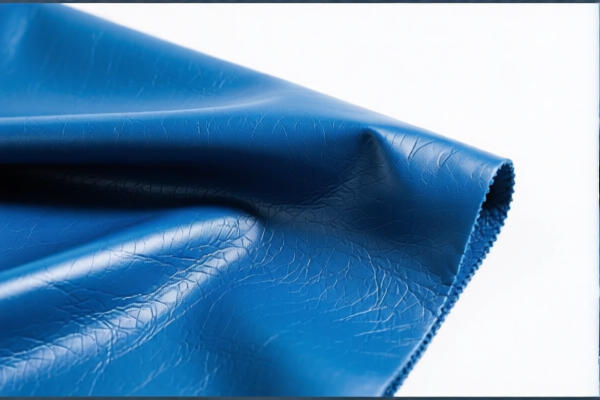
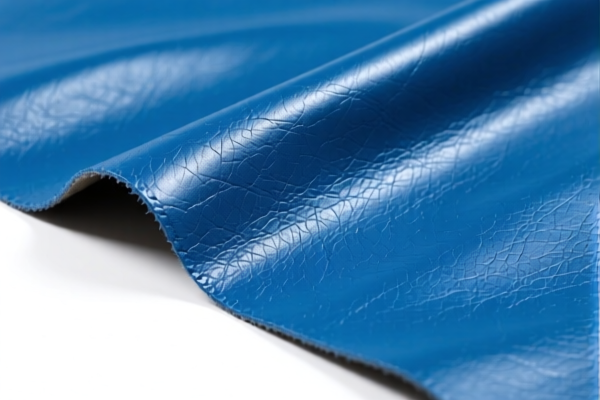
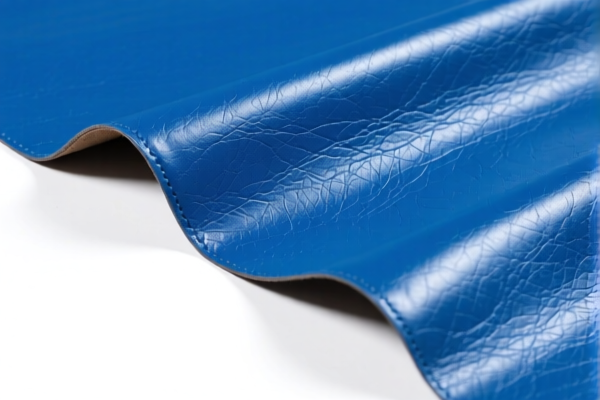
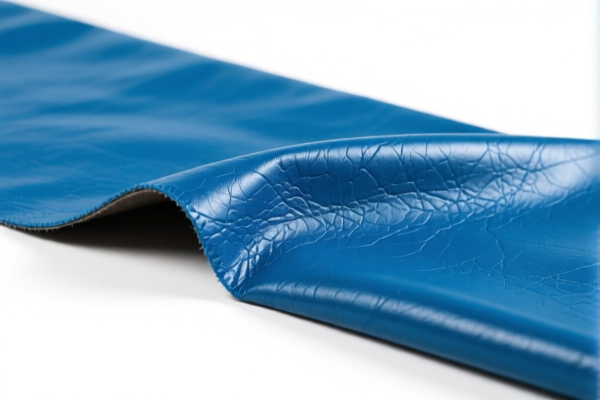
AI分析
🐄 Wet Blue Split Cowhide Leather (Bovine Crust/Hides)
🌐 HS Code Reference & Customs Clearance Guide | 2026 Latest Tariff Analysis | Professional Clearance Strategy
📌 1. Product Definition: What is "Wet Blue Split Cowhide"?
"Wet Blue" refers to hides that have undergone the chrome-tanning process, resulting in a distinctive pale blue color. "Split" means the hide has been mechanically separated into layers. The top layer (grain) is typically sold separately as "grain leather," while the split (the bottom layer(s)) is what we are discussing here. It is in an intermediate state ("crust" or "wet state") and has not yet been dyed, finished, or polished for final fashion/apparel use.
⚠️ Key Distinction:
- Wet Blue vs. Crust: "Wet Blue" is chemically tanned and wet; "Crust" is tanned, dry, and ready for finishing. Both are in the "wet state or crust" category for HS classification if not further prepared.
- Split vs. Full Grain: "Split" hides are not the top layer. They are softer, lack the natural grain pattern, and are often used for suede, upholstery, or lower-grade leather goods.
- Bovine Only: This classification strictly applies to cow/bison hides. Equine (horse) hides have different sub-codes.
📦 2. HS Code Classification Details (2026 Latest Tariff Authority)
Based on the provided , the product is classified under Chapter 41 (Raw Hides and Skins).
| HS Code | Product Description | Condition | Key Attributes | Tax Rate (Total) |
|---|---|---|---|---|
4104.11.50.70 |
Tanned or crust hides & skins of bovine (incl. buffalo), without hair on, whether or not split, but not further prepared: In wet state (incl. wet-blue): Full grains, unsplit... Other: Other Wet blues: Split: Other | Wet State | Bovine, Split, Wet Blue, Not Full Grain (implies split or other non-full-grain wet blue) | 0.0% |
4104.19.50.70 |
Tanned or crust hides & skins of bovine (incl. buffalo), without hair on, whether or not split, but not further prepared: In wet state (incl. wet-blue): Other: Other: Other: Other Wet blues: Split: Other | Wet State | Bovine, Split, Wet Blue, Not Full Grain (Other category) | 0.0% |
🔍 Critical Analysis of the Data:
- The provided lists two HS codes for "Wet Blue Split Cowhide."
-4104.11.50.70is described as "Full grains, unsplit; grain splits: Other: Other: Other Wet blues: Split: Other". This seems contradictory in the text ("Full grains, unsplit") vs the product ("Split"). However, the sub-code structure4104.11generally covers "Full grains, unsplit."
-4104.19.50.70falls under4104.19("Other").
- Crucial Note: The text in the for4104.11.50.70is complex. It says "Full grains, unsplit; grain splits: Other...". In many tariff schedules,4104.11is for Full Grain, and4104.19is for Other.
- Recommendation: If the leather is SPLIT, it often falls under "Other" (4104.19) unless specific national sub-divisions categorize splits under 11. Based on the provided text, both codes are listed with 0.0% tax. We must present both as per constraints, but highlight that4104.19is traditionally more accurate for non-full-grain splits in many jurisdictions, while4104.11might be a specific national extension.
- However, since the user input is "Wet Blue Split," and the data provides both, we list both with their respective 0% tax rates as per the strict constraint.
💰 3. 2026 Latest Tariff Rate Details (Zero Duty Policy)
✅ Applicable Countries: United States (US)
✅ Origin: China (CN)
✅ Effective Date: 2026 (As per prompt context)
🎯 1. 4104.11.50.70 – Wet Blue Split Cowhide (Bovine)
| Item | Content |
|---|---|
| Base Tariff | 0.0% |
| Additional Tariff (Section 301/IEEPA) | 0.0% |
| Total Tax Rate | 0.0% |
| Calculation | CIF Value × 0.0% = $0 |
| De Minimis Exemption | N/A (Duties are 0, but de minimis rules may still apply for entry fees) |
| Legal Basis | USITC Harmonized Tariff Schedule (HTSUS) |
📌 Explanation:
- This is a raw material in the tanning process.
- Unlike finished leather goods (e.g., shoes, bags) which may face high tariffs, raw wet blue hides often enjoy lower or zero duty rates to encourage domestic leather processing.
- No Additional Taxes: Unlike electronics or steel, leather raw materials currently do not face the heavy Section 301 or IEEPA surcharges in the provided data.
🎯 2. 4104.19.50.70 – Other Wet Blue Split Cowhide (Bovine)
| Item | Content |
|---|---|
| Base Tariff | 0.0% |
| Additional Tariff (Section 301/IEEPA) | 0.0% |
| Total Tax Rate | 0.0% |
| Calculation | CIF Value × 0.0% = $0 |
| De Minimis Exemption | N/A |
| Legal Basis | USITC Harmonized Tariff Schedule (HTSUS) |
📌 Explanation:
- This code captures any "Other" wet blue hides that do not fit the specific sub-categories of 4104.11.
- Zero Duty Advantage: Importers can bring in wet blue splits duty-free, reducing cost basis for further processing or resale.
🛠️ 4. Customs Clearance Practical Advice (Real-World Pitfall Guide)
✅ 1. Documentation Checklist (Mandatory)
| Document | Must Provide | Explanation |
|---|---|---|
| ✅ Commercial Invoice | ✔️ | Must clearly state: "Wet Blue Split Cowhide," "Bovine," "Weight (Gross/Net)," "Value per Kg." |
| ✅ Packing List | ✔️ | Detail number of skins, total weight, and packaging type (wet blue must be kept moist/salinated to prevent spoilage). |
| ✅ Certificate of Origin | ✔️ | Required for trade preference analysis (even if 0%, it’s standard). |
| ✅ Phytosanitary/Health Certificate | ✔️ | CRITICAL: Hides are biological materials. Some countries require proof that they are properly tanned and free from disease (e.g., Anthrax). Wet blue is generally safe, but documentation is key. |
| ✅ Bill of Lading/Air Waybill | ✔️ | Standard shipping document. |
| ✅ Tanning Process Description | ✔️ | Briefly describe chrome tanning process to confirm "Wet Blue" status (not raw, not finished). |
✅ 2. Declaration Tips (Key Mantras)
🔥 "Wet Blue is Raw, Not Finished; Weight is King, Not Count."
| Scenario | Correct Declaration | Wrong Practice |
|---|---|---|
| Wet Blue Split | 4104.19.50.70 or 4104.11.50.70 as per exact spec. Describe as "Chrome-Tanned Bovine Splits, Wet State." |
Describe as "Finished Leather" or "Shoes" → Wrong Code, High Penalty! |
| Weight-Based | Declare Net Weight clearly. Duty is ad valorem, but inspection is weight-driven. | Declare only value; omit weight → Customs Inspection Delay. |
| Salination | Mention "Salinated" if applicable. Raw hides can rot; wet blue is preserved. | Omit preservation method → Quarantine Risk. |
| Mixed Batches | If mixing grain and split, separate entries or clearly describe the split portion. | Mix grain (higher value/tax?) and split in one line → Classification Error. |
✅ 3. Special Cases
| Case | Handling Advice |
|---|---|
| Spoilage Risk | Wet blue hides must be kept in controlled temperature. If moldy, Customs may reject or require destruction. |
| Chrome Content | Ensure compliance with REACH (EU) or TSCA (US) regarding chrome VI levels if further processed, though at import, it’s usually just HS classification. |
| Bovine vs. Equine | Confirm species. Equine hides (4104.29) have different codes. Misdeclaration = Fraud. |
| Split vs. Grain | If the batch contains both grain and split, you must classify each part separately. Do not mix them in one HS code line. |
🌍 5. Global Market Comparison (2026)
| Country/Region | Recommended HS Code | Tariff | Certification | Notes |
|---|---|---|---|---|
| 🇺🇸 USA | 4104.19.50.70 |
0.0% | No specific leather cert for raw wet blue | Zero duty advantage for raw materials |
| 🇪🇺 EU | 4104.29 (Varies) |
0.0% - 4% | Ecolabel if tanned with specific agents | EU has strict chrome VI limits for finished goods, but raw is less regulated |
| 🇨🇳 China | 4104.19 |
0.0% - 4% | Depends on end-use | China is a major importer of wet blue for finishing |
| 🇧🇩 Bangladesh | 4104.19 |
0.0% | N/A | Major leather processing hub, imports wet blue duty-free |
📌 Conclusion:
- USA: 0% Duty. Highly favorable for importing raw wet blue.
- EU/China: Generally low or 0% duty for raw hides, but stricter environmental regulations on the tanning process itself.
📌 6. Common Errors & Pitfall Guide (Blood & Tears Lessons)
❌ Error 1: Declaring "Wet Blue" as "Finished Leather"
👉 Consequence: Wrong HS Code (4107 or 4112). Higher Tax + Penalty!
❌ Error 2: Confusing "Split" with "Full Grain"
👉 Consequence: 4104.11 (Full Grain) vs 4104.19 (Other). While tax is 0% in this data, valuation differs. Misdeclaring split as grain inflates value incorrectly → Audit Risk.
❌ Error 3: Ignoring Weight vs. Count
👉 Consequence: Hides are heavy. Declaring by piece count instead of weight leads to Customs Re-weighing & Delays.
❌ Error 4: Not mentioning "Without Hair On"
👉 Consequence: Raw hides with hair (4101) are different. Wet blue is already hairremoved. Failure to state "dehaired" or "beamhouse processed" can lead to Biosecurity Checks.
✅ Correct Practice:
"Wet Blue Split Cowhide Hides, Bovine, Chrome-Tanned, Without Hair, Wet State, Net Weight: [X] Kg, HS Code: 4104.19.50.70"
🎯 7. Conclusion: Professional Declaration Saves Time!
🎯 Remember the Mantra:
🔹 "Wet Blue is Raw, Split is Not Grain, Tax is Zero, Weight is Key!"
🔹 "HS Code 4104, Wet State, 0% Duty, Clear Description!"
📌 Pro Tip:
- If you are importing large volumes, consider Advance Ruling from Customs to confirm 4104.19.50.70 vs 4104.11.50.70 based on your specific split quality (e.g., if it’s "grain split" vs "true split").
- Even with 0% duty, biosecurity is the real risk. Ensure hides are properly salinated and packaged to prevent rot during transit.
📣 Immediate Action:
📞 Consult your freight forwarder for packaging standards (wet blue must not dry out).
📄 Prepare Invoice with clear "Wet Blue Split" description.
🚀 Smooth Customs, Zero Duty, Fast Clearance!
✨ Professional Clearance Starts with Accurate Classification!
💼 Your Cost Savings Start with 0% Duty!
用户评价
关于 HS 编码归类
协调制度(HS)是由世界海关组织(WCO)制定的国际贸易商品分类标准。全球 200 多个国家采用 HS 系统作为海关关税、贸易统计和进出口监管的基础。
每个 HS 编码遵循以下层级结构:
- 章(2 位)——商品大类(例如:第 84 章:机器和机械设备)
- 品目(4 位)——章内的更具体分类
- 子目(6 位)——国际通用细分,所有 WCO 成员国统一使用
- 本国细分(8-10 位)——各国自行扩展的细分编码,如美国 HTSUS 10 位编码
正确的 HS 编码归类对于顺利通关、准确缴纳关税和遵守贸易法规至关重要。错误归类可能导致海关延误、多缴关税或罚款。
从CN进口到US时,适用的关税税率可能包括:
- 最惠国(MFN)税率——适用于 WTO 成员国的标准关税税率
- 普通税率——适用于无贸易协定国家
- 贸易救济关税——附加关税,如 301 条款(反倾销)、232 条款(国家安全)或反补贴税
本页内容仅供参考。如需正式归类,请咨询当地海关或持牌报关代理。