Wet Room Floor Barrier
CN → US| HS编码 | 关税税率 | 原产国 | 目的国 | 文档 |
|---|---|---|---|---|
| 3926909989 | 22.8% | CN | US | 官方文档 |
| 3926904590 | 38.5% | CN | US | 官方文档 |
| 3926909940 | 22.8% | CN | US | 官方文档 |
| 6907211051 | 45.0% | CN | US | 官方文档 |
| 3926909989 | 22.8% | CN | US | 官方文档 |
商品图片
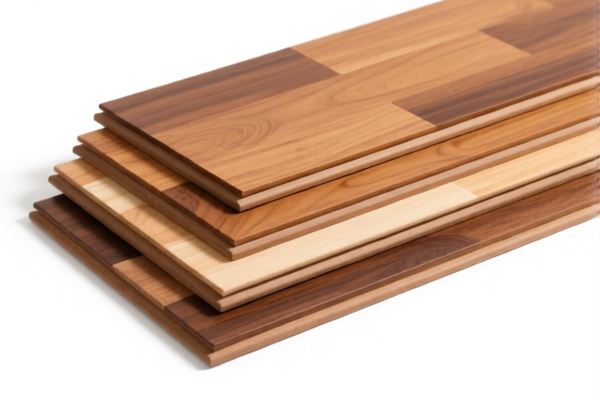
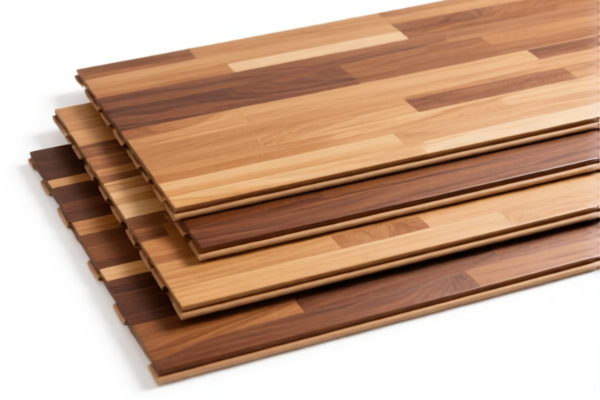
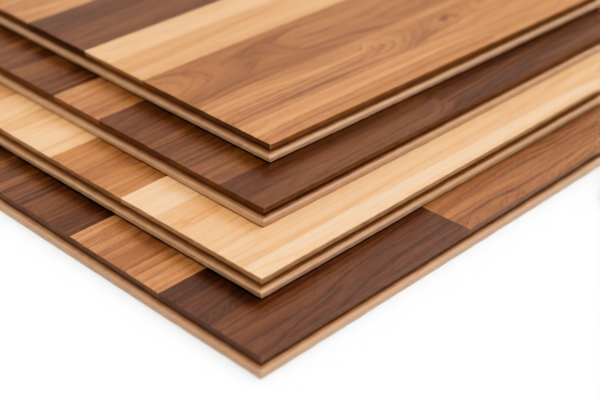
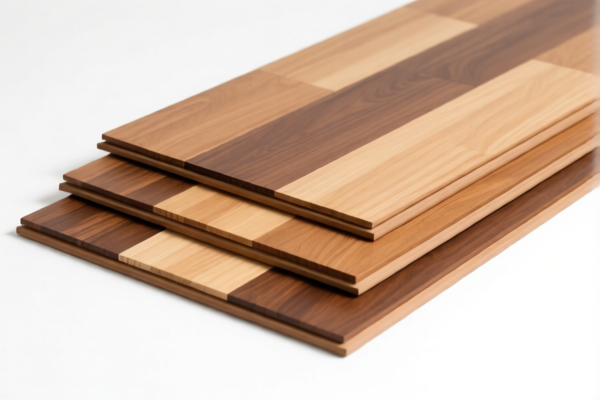
AI分析
🚿 Wet Room Floor Barrier (Waterproof Thresholds)
🌐 HS Code Reference & Clearance Guide | 2026 Latest Tariff Analysis | Professional Customs Strategy
📌 I. Product Definition & Classification: Do You Really Understand "Floor Barriers"?
Wet room floor barriers (also known as water stops, thresholds, or curbless shower bars) are critical architectural components designed to contain water within wet areas while maintaining aesthetic continuity. In international trade, their classification depends strictly on material composition and functional specificity.
Plastic-Based Barriers: Include PVC, ABS, or composite materials. Classified under Chapter 39 (Plastics).
Ceramic-Based Barriers: Made from fired clay/porcelain. Classified under Chapter 69 (Ceramics).
⚠️ Key Distinction:
- If made of Plastic → Generally falls under 3926.90 (Other articles of plastics).
- If made of Ceramic → Falls under 6907.21 (Cobblestones, paving, hearth or wall tiles of ceramic materials).
- Crucial Note: The presence of specific "waterproofing" functions does NOT automatically move plastic items to Chapter 38 or 39 subdivisions; they remain "Other articles" unless specified otherwise.
📦 II. HS Code Classification Details (2026 Latest Tariff Authority Match)
| HS Code | Product Description | Application Scenario | Material |
|---|---|---|---|
3926.90.99.89 |
Plastic water barrier strips, classified as other plastic articles | General-purpose plastic trims, non-specific decorative strips | Plastic |
3926.90.45.90 |
Plastic sealing/gasket-type water barriers | Seals, gaskets, or flexible barrier strips for joints | Plastic |
3926.90.99.40 |
Plastic waterproof floor barriers, used for drainage/seepage prevention | Specific drainage-focused plastic curbs | Plastic |
6907.21.10.51 |
Ceramic floor barriers, classified as paving/wall tile accessories | Ceramic trims, tile edges, or rigid ceramic stops | Ceramic |
🔍 Critical Reminder:
- Plastic items are broadly categorized under 3926.90. Subclasses depend on whether they are "general articles" (99.89), "sealing/sealing elements" (45.90), or "specific drainage products" (99.40).
- Ceramic items are strictly tied to Chapter 69. Even if used as a "barrier," if it is ceramic, it is often viewed as a "tile accessory" or "paving element."
💰 III. 2026 Latest Tariff Rate Breakdown (Including Surtaxes & Policy Add-ons)
✅ Applicable Country: United States (US)
✅ Country of Origin: China (CN)
✅ Effective Date: From November 10, 2025 (for imports thereafter)
🎯 1. 3926.90.99.89 —— Plastic Water Barrier (General Other Articles)
| Item | Content |
|---|---|
| Base Tariff | 5.3% |
| Section 301 Surtax | +7.5% |
| Section 122 Surtax | +10.0% |
| Total Tax Rate | 22.8% |
| Tax Calculation | CIF Value × 22.8% |
| De Minimis Eligibility | ❌ No (denied for China-origin goods under these sections) |
| Legal Basis Path | Base: 5.3% → Section 301: 7.5% → Section 122: 10.0% |
📌 Explanation:
- This is the "default" category for generic plastic barriers not specified as seals or drainage-specific.
- Total burden: 22.8%. While lower than ceramic or sealing-specific plastic, it is still significant.
🎯 2. 3926.90.45.90 —— Plastic Sealing/Gasket-Type Barrier
| Item | Content |
|---|---|
| Base Tariff | 3.5% |
| Section 301 Surtax | +25.0% |
| Section 122 Surtax | +10.0% |
| Total Tax Rate | 38.5% |
| Tax Calculation | CIF Value × 38.5% |
| De Minimis Eligibility | ❌ No |
| Legal Basis Path | Base: 3.5% → Section 301: 25.0% → Section 122: 10.0% |
📌 Warning:
- If customs determines your plastic barrier acts as a "seal" or "gasket" (often true for flexible, adhesive-backed strips), the Section 301 rate jumps to 25%.
- Total burden: 38.5%. This is a high-risk classification for flexible plastic products.
🎯 3. 3926.90.99.40 —— Plastic Waterproof Floor Barrier (Drainage Specific)
| Item | Content |
|---|---|
| Base Tariff | 5.3% |
| Section 301 Surtax | +7.5% |
| > Section 122 Surtax | +10.0% |
| Total Tax Rate | 22.8% |
| Tax Calculation | CIF Value × 22.8% |
| De Minimis Eligibility | ❌ No |
| Legal Basis Path | Base: 5.3% → Section 301: 7.5% → Section 122: 10.0% |
📌 Note:
- Similar to99.89, but explicitly for drainage/seepage prevention.
- If your product is rigid and designed for structural water containment, this code may be more accurate than the general99.89or the seal-specific45.90.
🎯 4. 6907.21.10.51 —— Ceramic Floor Barrier (Paving/Wall Tile Accessory)
| Item | Content |
|---|---|
| Base Tariff | 10.0% |
| Section 301 Surtax | +25.0% |
| Section 122 Surtax | +10.0% |
| Total Tax Rate | 45.0% |
| Tax Calculation | CIF Value × 45.0% |
| De Minimis Eligibility | ❌ No |
| Legal Basis Path | Base: 10.0% → Section 301: 25.0% → Section 122: 10.0% |
📌 Critical Alert:
- Highest Tax Rate: 45%.
- Ceramic products face the highest combined duty due to the 25% Section 301 surtax on ceramics and 10% Section 122.
- Even though the base rate is higher (10% vs 5.3%), the surtax is the main driver of cost.
🛠️ IV. Customs Clearance Practical Advice (Real-World Pitfall Avoidance)
✅ 1. Documentation Checklist (Non-Negotiable)
| Document | Required | Description |
|---|---|---|
| ✅ Product Specification Sheet | ✔️ | Must specify material (Plastic vs. Ceramic), dimensions, and installation method. |
| ✅ Material Composition Report | ✔️ | Crucial for distinguishing between 3926 (Plastic) and 6907 (Ceramic). |
| ✅ Product Photos (Clear) | ✔️ | Show the barrier installed, highlighting flexibility (plastic) or rigidity/glaze (ceramic). |
| ✅ Commercial Invoice | ✔️ | Must clearly state "Floor Barrier," "Water Stop," or "Threshold," NOT just "Plastic Strip." |
| ✅ Packing List | ✔️ | Ensure no mixed materials in one box if possible, to avoid ambiguity. |
✅ 2. Declaration Strategy (Key Rules)
🔥 "Material First, Function Second. Name Precise, Rate Optimized!"
| Scenario | Correct Declaration | Incorrect Practice |
|---|---|---|
| Rigid Plastic Barrier | 3926.90.99.89 or 3926.90.99.40 |
Misdeclare as "Tile Accessory" → 45% |
| Flexible Adhesive Strip | Likely 3926.90.45.90 (Seal/Gasket) |
Declare as "General Article" → Risk of reclassification to 38.5% |
| Ceramic Trim/Barrier | 6907.21.10.51 |
Declare as "Plastic" → Fraudulent, high penalty risk |
| Mixed Material (e.g., Plastic base with Ceramic top) | Consult customs; likely composite rules apply | Split declaration → Rejected or delayed |
✅ 3. Special Case Handling
| Scenario | Recommendation |
|---|---|
| Plastic "Seal" vs. "Barrier" | If the product is thin, flexible, and used for joint sealing, customs may classify it as 3926.90.45.90 (38.5%). If it is a rigid curb, use 3926.90.99.xx (22.8%). Prove rigidity with photos! |
| Ceramic vs. Plastic-Coated Ceramic | If it has a plastic coating, it may still be ceramic. Ensure the invoice says "Ceramic" to avoid arbitrary classification. |
| Import Volume > $800 | No de minimis exemption for China-origin goods. All duties apply. |
🌍 V. Global Market Clearance Comparison (2026 Latest)
| Country/Region | Recommended HS Code | Tariff (China Origin) | Certification | Notes |
|---|---|---|---|---|
| 🇺🇸 USA | 3926.90.99.89 (Plastic) |
22.8% | None specific | High risk for seals (38.5%) |
| 🇺🇸 USA | 6907.21.10.51 (Ceramic) |
45.0% | None specific | Highest tax burden |
| 🇨🇳 China | 3926.90.99.89 |
5.3% | CCC (if applicable) | Low base tax |
| 🇪🇺 EU | 3926.90.99 |
4.5% | CE/REACH | No Section 301 equivalent |
| 🇦🇺 Australia | 3926.90.99 |
5.0% | RCM | No major surtaxes |
📌 Conclusion:
- USA is the most expensive market due to Section 301 and Section 122 surtaxes.
- Plastic barriers are cheaper than ceramic in the US (22.8% vs 45.0%).
- Misclassification of plastic as "general" vs. "seal" can lead to a 15.7% tax difference (38.5% - 22.8%).
📌 VI. Common Errors & Pitfall Guide (Blood & Tears Lessons)
❌ Error 1: Calling a flexible plastic strip a "General Plastic Article" when it acts as a seal.
👉 Consequence: Customs reclassifies to 3926.90.45.90 → Tax jumps from 22.8% to 38.5% + Potential penalties.
❌ Error 2: Declaring a Ceramic barrier as "Plastic" to save tax.
👉 Consequence: Customs inspection reveals ceramic → Retrospective 45% tax + Fines + Possible blacklisting.
❌ Error 3: Ambiguous description like "Floor Strip."
👉 Consequence: Customs uses their own judgment → Likely defaults to highest duty rate for safety.
❌ Error 4: Not disclosing Section 122 applicability.
👉 Consequence: Undervaluation of tax liability → Delayed clearance.
✅ Correct Practice:
"Rigid PVC Wet Room Threshold, Model XYZ, Dimensions 1000x50x10mm, Used for Water Containment, Not a Flexible Seal"
vs.
"Flexible Silicone Joint Sealer for Shower Floors, Adhesive Backed"
🎯 VII. Conclusion: Precise Classification Saves Significant Costs
🎯 Remember the Golden Rules:
🔹 "Plastic Rigid? Aim for 22.8%. Plastic Flexible? Prepare for 38.5%. Ceramic? Accept 45%."
🔹 "Don't call a seal a general article. Don't call ceramic plastic."
🔹 "Section 122 applies to ALL these codes. Factor it in!"
📌 Pro Tip:
If you are importing large volumes, consider Advance Rulings from CBP (Customs and Border Protection) to lock in the 3926.90.99.89 or .99.40 classification for rigid plastic barriers, avoiding the 38.5% seal rate.
📣 Take Action Now:
📞 Provide detailed product photos to your broker.
📝 Explicitly state "Rigid Plastic" or "Ceramic" in your commercial invoice.
🚀 Avoid the 15.7% tax penalty on plastic by getting the classification right!
✨ Professional clearance starts with accurate classification!
💼 Every percentage point of duty counts!
用户评价
关于 HS 编码归类
协调制度(HS)是由世界海关组织(WCO)制定的国际贸易商品分类标准。全球 200 多个国家采用 HS 系统作为海关关税、贸易统计和进出口监管的基础。
每个 HS 编码遵循以下层级结构:
- 章(2 位)——商品大类(例如:第 84 章:机器和机械设备)
- 品目(4 位)——章内的更具体分类
- 子目(6 位)——国际通用细分,所有 WCO 成员国统一使用
- 本国细分(8-10 位)——各国自行扩展的细分编码,如美国 HTSUS 10 位编码
正确的 HS 编码归类对于顺利通关、准确缴纳关税和遵守贸易法规至关重要。错误归类可能导致海关延误、多缴关税或罚款。
从CN进口到US时,适用的关税税率可能包括:
- 最惠国(MFN)税率——适用于 WTO 成员国的标准关税税率
- 普通税率——适用于无贸易协定国家
- 贸易救济关税——附加关税,如 301 条款(反倾销)、232 条款(国家安全)或反补贴税
本页内容仅供参考。如需正式归类,请咨询当地海关或持牌报关代理。