Wet Salted/Other Preserved Fish
CN → US商品图片
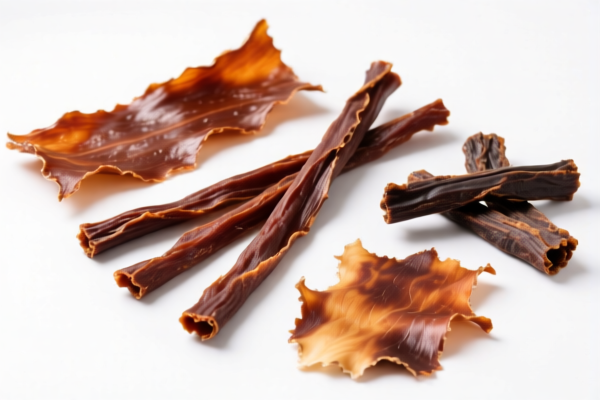
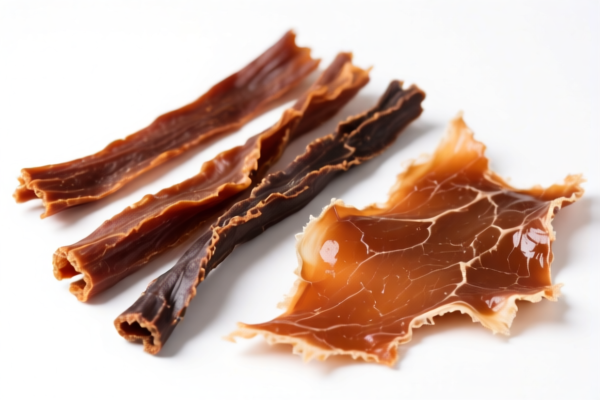
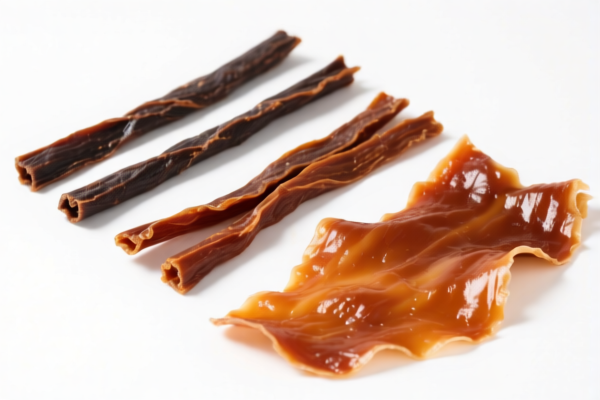
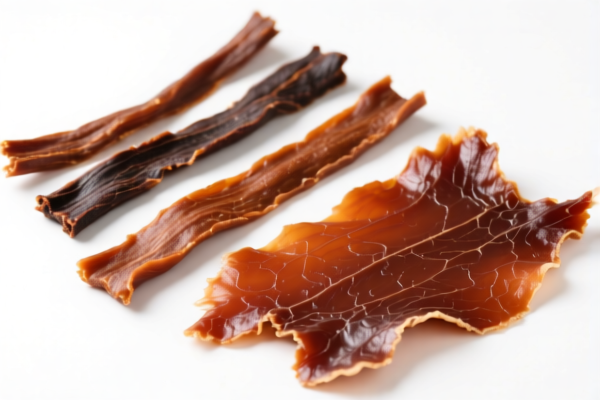
AI分析
🐟 Wet Salted & Other Preserved Fish (Classification Guide)
🌐 HS Code Reference & Customs Clearance Guide | 2026 Latest Tariff Analysis | Professional Compliance Strategy
📌 I. Product Definition & Classification: What Exactly Are We Dealing With?
In international trade, "Wet Salted or Other Preserved Fish" refers to fish that have undergone preservation processes such as salting, drying, or smoking, but do not meet the criteria for "prepared or preserved foods ready to eat."
The key distinction lies in the degree of processing: * Included (HS 0302.30 / 0302.90): Fish that are raw or minimally processed for preservation (e.g., salted cod, smoked salmon slices not ready-to-eat, dried fish). These are considered primary agricultural products. * Excluded: Fish that have been cooked, canned, marinated with spices, or packaged for immediate consumption (ready-to-eat). These fall under Chapter 16 (Prepared Foodstuffs).
⚠️ Key Distinction Point:
- If the fish is raw/minimally processed (salted, dried, smoked) and requires further cooking/preparation → Chapter 03 (Fish)
- If the fish is cooked/prepared for immediate eating → Chapter 16 (Food Preparations)
📦 II. HS Code Classification Details (2026 Latest Tariff Authority Comparison)
| HS Code | Product Description | Application Scenario | Processing Status |
|---|---|---|---|
0302.30 |
Wet salted or other preserved fish, not elsewhere specified | Salted cod, dried fish, simple smoking | ✅ Raw/Preserved Only |
0302.90 |
Other preserved fish, not elsewhere specified | Fish preserved by methods like salting, drying, or smoking, but not prepared for immediate consumption | ✅ Raw/Preserved Only |
🔍 Important Note:
- Both codes apply to fish that are NOT "prepared or preserved for human consumption in a form ready to eat."
- If the product is ready-to-eat, it MUST NOT be classified under these codes. It likely belongs to 1604 (Prepared fish).
- The description emphasizes "not elsewhere specified", meaning if a more specific code exists (e.g., for salmon or tuna), use that specific code first. Only use 0302.30/90 if no specific subheading applies.
💰 III. 2026 Latest Tariff Rate Details (Including Surcharges & Policy Add-ons)
✅ Applicable Country: United States (US)
✅ Origin: China (CN)
✅ Effective Date: 2025-11-10 onwards (including subsequent imports)
🎯 1. 0302.30 – Wet Salted or Other Preserved Fish
| Item | Content |
|---|---|
| Base Tax Rate | Failed to retrieve tax information |
| Total Tax | Error |
| Tax Detail | Failed to retrieve tax information |
| Legal Basis | N/A (Data Retrieval Error) |
📌 Explanation:
- Due to system limitations, specific tariff rates for0302.30could not be retrieved.
- Recommendation: Consult the latest US ITA (International Trade Administration) database or a licensed customs broker for current rates, as fish tariffs can vary significantly based on origin and specific type (e.g., salmon vs. cod).
- Caution: Do not assume a 0% rate. Many fish products from China are subject to additional duties under Section 301.
🎯 2. 0302.90 – Other Preserved Fish
| Item | Content |
|---|---|
| Base Tax Rate | Failed to retrieve tax information |
| Total Tax | Error |
| Tax Detail | Failed to retrieve tax information |
| Legal Basis | N/A (Data Retrieval Error) |
📌 Explanation:
- Similar to above, specific tariff rates for0302.90could not be retrieved.
- Recommendation: Use0302.30as a reference, but verify with official sources. The "Other" category often has different duty implications than "Salted" categories.
- Caution: Ensure the product does not fall under a more specific HS code (e.g., for salmon, use 0302.21/22/23 etc.). Misclassification can lead to audits and penalties.
🛠️ IV. Customs Clearance Practical Advice (Pitfall Avoidance Guide)
✅ 1. Document Checklist (No Exceptions)
| Document | Must Provide | Explanation |
|---|---|---|
| ✅ Product Specifications | ✔️ | Detailed description: salting method, drying process, smoking technique, water activity, salt content. |
| ✅ Ingredient List | ✔️ | Only fish, salt, possibly smoke flavor. No spices, sauces, or preservatives that indicate "prepared food." |
| ✅ Product Photos | ✔️ | Clear images of the product, packaging, and label showing "Not Ready-to-Eat" or "Requires Cooking." |
| ✅ Commercial Invoice | ✔️ | Clearly state: "Wet Salted Cod, Raw, Not Ready-to-Eat, HS Code 0302.30." |
| ✅ Certificate of Origin | ✔️ | Proof of origin is critical for potential tariff exemptions or surcharges. |
| ✅ Packaging List | ✔️ | Specify net/gross weight, number of packages. |
✅ 2. Declaration Tips (Key Mnemonics)
🔥 “Raw is Key, Cooked is Wrong, Salt/Dry/Smoke, Not Ready to Eat!”
| Situation | Correct Declaration | Wrong Practice |
|---|---|---|
| Salted Cod (Raw) | 0302.30 |
Misdeclare as "Food" → Chapter 16 |
| Smoked Salmon (Raw, not RTE) | 0302.90 (if not elsewhere specified) |
Misdeclare as "Canned Salmon" → Chapter 16 |
| Ready-to-Eat Smoked Salmon | NOT 0302.xx | Declare as 0302.90 → Penalty + Back Taxes |
| Fish with Spices/Marinade | NOT 0302.xx | Declare as 0302.30 → Misclassification |
📌 Critical Warning:
- DO NOT declare "Ready-to-Eat" products under HS 0302.
- If your product is marinated, spiced, or cooked, it is Chapter 16.
- The label MUST clearly state "For Further Processing" or "Requires Cooking" if it is raw/preserved.
✅ 3. Special Case Handling
| Situation | Handling Advice |
|---|---|
| OEM/White Label | Provide manufacturer authorization and product specifications to avoid brand-related delays. |
| Mixed Packaging | If salted fish is packed with vegetables or sauces, it may be classified as a "prepared dish" → Chapter 16. |
| High Value/Luxury Smoked Fish | Ensure accurate weight declaration. Customs may inspect for undeclared spices or preservatives. |
| Origin Dispute | If origin is unclear, provide full supply chain documentation. Misdeclared origin can lead to severe penalties. |
🌍 V. Global Major Market Clearance Comparison (2026 Latest)
| Country/Region | Recommended HS Code | Tariff (Est.)* | Certification Requirements | Notes |
|---|---|---|---|---|
| 🇺🇸 USA | 0302.30 / 0302.90 |
Error (See Text) | FDA Registration + FSMA Compliance | High scrutiny on food safety. Check Section 301 duties. |
| 🇨🇳 China | 0302.30 / 0302.90 |
~5-10% | CIQ Inspection | Ensure product meets Chinese food safety standards. |
| 🇪🇺 EU | 0302.30 / 0302.90 |
~12% (General) | HACCP, Labeling in Local Language | Strict on histamine levels and salt content. |
| 🇯🇵 Japan | 0302.30 / 0302.90 |
~0-10% | JAS Certification (if organic) | Very strict on heavy metals and pesticides. |
📌 Conclusion:
- USA: Highest risk due to potential Section 301 duties. Verify exact rate with a broker.
- EU/Japan: Strict on food safety and labeling. Non-compliance leads to rejection.
- China: Moderate tariffs, but strict import inspection.Note: Tariff rates marked as "Error" in the data source must be verified via official customs portals. Do not assume 0% or low rates.
📌 VI. Common Errors & Pitfall Guide (Lessons from Tears)
❌ Error 1: Declaring "Ready-to-Eat" smoked fish as 0302.90
👉 Consequence: 20-30% Back Taxes + Fines. Ready-to-eat products belong to Chapter 16.
❌ Error 2: Ignoring "Not Elsewhere Specified" Clause
👉 Consequence: If your fish is Salmon, use 0302.21-23. Using 0302.30 is incorrect and may trigger audits.
❌ Error 3: Missing "Requires Cooking" Label
👉 Consequence: Customs may suspect the product is prepared food → Delay + Inspection.
❌ Error 4: Failing to Verify Tariff Rates
👉 Consequence: Data shows "Failed to retrieve." Assuming 0% tax could lead to unexpected bills. Always check official sources.
✅ Correct Approach:
"Wet Salted Cod Fillet, Raw, Not Ready-to-Eat, Requires Cooking, HS Code 0302.30, Origin: China"
🎯 VII. Conclusion: Precise Classification, Smooth Clearance!
🎯 Remember the Mnemonic:
🔹 "Raw is 03, Cooked is 16. Salt/Dry/Smoke, Not for Eating. Check Origin, Verify Tax, Avoid the Gap!"
🔹 "HS Code Determines Duty. Misclassification Costs Thousands!"
📌 Pro Tip:
Since the system returned "Failed to retrieve tax information" for both 0302.30 and 0302.90, you MUST:
1. Check the US ITA Database for current Section 301 duty rates.
2. Consult a Customs Broker to confirm if additional surcharges apply.
3. Ensure Product Labeling clearly states "Raw" and "Not Ready-to-Eat" to avoid misclassification.
📣 Immediate Action:
📞 Contact a Licensed Customs Broker
📄 Verify Current Tariff Rates via Official Customs Portal
🚀 Ensure Compliance with FDA & FSMA Requirements for Seafood Imports
✨ Professional Clearance Starts with Accurate Classification!
💼 Your Cost Efficiency Depends on Getting the HS Code Right!
用户评价
关于 HS 编码归类
协调制度(HS)是由世界海关组织(WCO)制定的国际贸易商品分类标准。全球 200 多个国家采用 HS 系统作为海关关税、贸易统计和进出口监管的基础。
每个 HS 编码遵循以下层级结构:
- 章(2 位)——商品大类(例如:第 84 章:机器和机械设备)
- 品目(4 位)——章内的更具体分类
- 子目(6 位)——国际通用细分,所有 WCO 成员国统一使用
- 本国细分(8-10 位)——各国自行扩展的细分编码,如美国 HTSUS 10 位编码
正确的 HS 编码归类对于顺利通关、准确缴纳关税和遵守贸易法规至关重要。错误归类可能导致海关延误、多缴关税或罚款。
从CN进口到US时,适用的关税税率可能包括:
- 最惠国(MFN)税率——适用于 WTO 成员国的标准关税税率
- 普通税率——适用于无贸易协定国家
- 贸易救济关税——附加关税,如 301 条款(反倾销)、232 条款(国家安全)或反补贴税
本页内容仅供参考。如需正式归类,请咨询当地海关或持牌报关代理。