Wettable Powder Insecticide
CN → US| HS编码 | 关税税率 | 原产国 | 目的国 | 文档 |
|---|---|---|---|---|
| 3808999501 | 40.0% | CN | US | 官方文档 |
| 3808915001 | 40.0% | CN | US | 官方文档 |
| 3808990800 | 41.5% | CN | US | 官方文档 |
| 3808915001 | 40.0% | CN | US | 官方文档 |
| 3808922400 | 35.0% | CN | US | 官方文档 |
商品图片
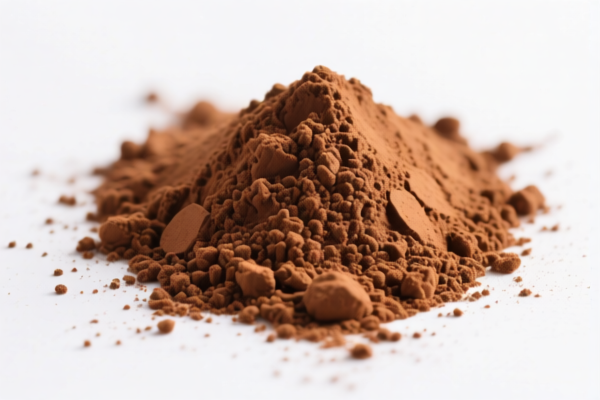
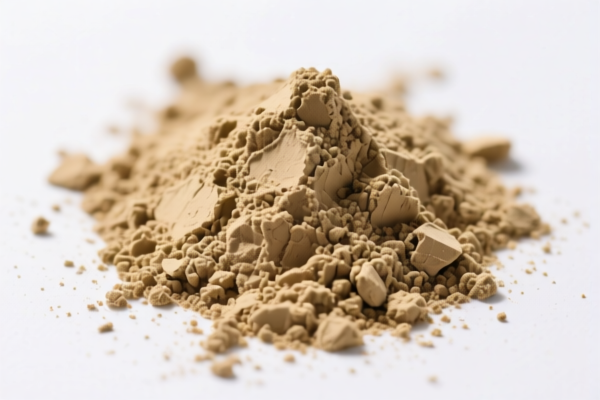
AI分析
🐛 Wettable Powder Insecticide (Wettable Dust)
🌐 HS Code Reference & Customs Clearance Guide | 2026 Latest Tariff Analysis | Strategic Compliance Strategy
📌 I. Product Definition & Classification: Do You Really Understand "Wettable Powder"?
Wettable Powder (WP) is a common formulation for agricultural pesticides. It is a dry, free-flowing powder that, when mixed with water, forms a suspension that can be sprayed. The key characteristic is that it does not dissolve but stays suspended in water.
In international trade, the classification depends heavily on: 1. Active Ingredient Type: Chemical vs. Biological vs. Aromatic. 2. Physical Form: Wettable powder (suspension-forming) vs. Soluble powder. 3. Specific Chemical Structure: Whether it contains specific aromatic compounds or sulfur-based derivatives.
⚠️ Key Distinction Point:
- If it is a generic chemical insecticide → Likely 3808.99.95.01 or 3808.91.50.01
- If it contains aromatic compounds specifically → Likely 3808.99.08.00 or 3808.91.50.01 (depending on exact composition)
- If it is a fungicide (not insecticide) with sulfur-based structures → Likely 3808.92.24.00 (Note: Misclassification here is common!)
📦 II. HS Code Classification Details (2026 Latest Tariff Authority Comparison)
Based on the provided data, here are the applicable HS Codes for Wettable Powder Insecticides entering the US market (implied by "122 Clause" and high tariffs):
| HS Code | Product Description | Key Characteristics | Applicable Scenario |
|---|---|---|---|
| 3808.99.95.01 | Insecticide Wettable Powder, Chemical Pesticide Material | Generic chemical insecticide, powder form | Standard chemical insecticides not falling under specific aromatic or sulfur categories |
| 3808.91.50.01 | Insecticide Wettable Powder, Chemical Preparation / Aromatic Compound | Chemical制剂 or contains aromatic compounds | Specific chemical preparations or aromatic-based insecticides |
| 3808.99.08.00 | Aromatic Insecticide Wettable Powder | Contains aromatic materials, powder form | Insecticides where aromatic compounds are a defining feature |
| 3808.92.24.00 | Fungicide Wettable Powder (Preventive), Thiocarbamate Type | Sulfur-based, preventive fungicide | ⚠️ NOT an insecticide – Only for sulfur-based thiocarbamate fungicides. Do not misclassify insecticides here. |
🔍 Critical Reminder:
- 3808.91 and 3808.99 are the primary headings for insecticides.
- 3808.92 is for fungicides (杀菌剂). If your product is an insecticide (杀虫剂), do not use 3808.92.24.00 unless you are also exporting a separate fungicide product. Misclassification leads to severe penalties.
- The distinction between 3808.99.95.01 and 3808.91.50.01 often lies in the specific chemical preparation or whether it is classified as a "general" vs. "special" chemical preparation under Chinese tariff subheadings.
💰 III. 2026 Latest Tariff Rate Breakdown (Including Surcharges, Policy Add-ons)
✅ Applicable Country: United States (US)
✅ Origin: China (CN)
✅ Effective Date: Current (Includes Section 301 & Section 122 Surcharges)
🎯 1. 3808.99.95.01 – Generic Chemical Insecticide Wettable Powder
| Item | Content |
|---|---|
| Base Tariff Rate | 5.0% |
| Section 301 Surcharge | +25.0% |
| Section 122 Surcharge | +10.0% |
| Total Tariff Rate | 40.0% |
| Tax Calculation | CIF Value × 40% |
| De Minimis Exemption | ❌ Not Eligible (Deemed high-risk for agricultural chemicals) |
| Legal Basis Path | HTSUS:3808.99.95.01 → Section 301: Footnote 9903.88.01 → Section 122: IEEPA Authority |
📌 Explanation:
- 5% Base: Standard Most-Favored-Nation (MFN) rate for pesticide preparations.
- 25% Section 301: Imposed on Chinese imports under U.S. Trade Act Section 301.
- 10% Section 122: Additional tariff under International Emergency Economic Powers Act (IEEPA) for specific goods.
- Total 40%: This is a high-cost item. Margin compression is inevitable.
🎯 2. 3808.91.50.01 – Chemical Preparation / Aromatic Compound Insecticide
| Item | Content |
|---|---|
| Base Tariff Rate | 5.0% |
| Section 301 Surcharge | +25.0% |
| Section 122 Surcharge | +10.0% |
| Total Tariff Rate | 40.0% |
| Tax Calculation | CIF Value × 40% |
| De Minimis Exemption | ❌ Not Eligible |
| Legal Basis Path | HTSUS:3808.91.50.01 → Section 301: Footnote 9903.88.01 → Section 122: IEEPA Authority |
📌 Note:
- Same tariff burden as3808.99.95.01.
- Applies to both generic chemical preparations and those containing aromatic compounds if not classified under the more specific aromatic subheading.
🎯 3. 3808.99.08.00 – Aromatic Insecticide Wettable Powder
| Item | Content |
|---|---|
| Base Tariff Rate | 6.5% |
| Section 301 Surcharge | +25.0% |
| Section 122 Surcharge | +10.0% |
| Total Tariff Rate | 41.5% |
| Tax Calculation | CIF Value × 41.5% |
| De Minimis Exemption | ❌ Not Eligible |
| Legal Basis Path | HTSUS:3808.99.08.00 → Section 301: Footnote 9903.88.01 → Section 122: IEEPA Authority |
📌 Warning:
- Highest Tariff Rate (41.5%).
- The 1.5% higher base rate (6.5% vs. 5.0%) makes this the most expensive classification.
- Use only if the product strictly meets the definition of "Aromatic Insecticide" under HS Note 3. Otherwise, risk an audit.
🎯 4. 3808.92.24.00 – Fungicide Wettable Powder (Thiocarbamate)
| Item | Content |
|---|---|
| Base Tariff Rate | 0.0% |
| Section 301 Surcharge | +25.0% |
| Section 122 Surcharge | +10.0% |
| Total Tariff Rate | 35.0% |
| Tax Calculation | CIF Value × 35.0% |
| De Minimis Exemption | ❌ Not Eligible |
| Legal Basis Path | HTSUS:3808.92.24.00 → Section 301: Footnote 9903.88.01 → Section 122: IEEPA Authority |
📌 Critical Clarification:
- This HS Code is for Fungicides (杀菌剂), NOT Insecticides (杀虫剂).
- If you are exporting an insecticide, DO NOT use this code.
- However, if your product is a fungicide with thiocarbamate structure (sulfur-based), this offers the lowest total tariff (35%) due to the 0% base rate.
- Misclassification Risk: High. Customs will verify the active ingredient. If it's an insecticide, you will be assessed 40-41.5% + penalties.
🛠️ IV. Customs Clearance Practical Advice (Battle-Tested Pitfall Guide)
✅ 1. Required Documentation Checklist (All Mandatory)
| Document | Required? | Notes |
|---|---|---|
| ✅ Product Specification Sheet | ✔️ | Must clearly state: "Wettable Powder," Active Ingredient %, Physical Form |
| ✅ Safety Data Sheet (SDS) | ✔️ | Critical for EPA and Customs verification of chemical nature |
| ✅ Certificate of Analysis (COA) | ✔️ | Confirms composition and purity |
| ✅ EPA Registration Number | ✔️ | Mandatory for all pesticides in the US. No EPA Reg. No. = Rejected/Destroyed |
| ✅ Commercial Invoice | ✔️ | Must describe as "Insecticide Wettable Powder" with HS Code |
| ✅ Bill of Lading | ✔️ | Ensure weight and dimensions match invoice |
| ✅ Origin Certificate | ✔️ | Required to apply surcharges correctly |
✅ 2. Declaration Tips (Key Mantra)
🔥 “Chemical Nature, EPA Number, Form Clear, Tariff Less Scare!”
| Scenario | Correct Declaration | Wrong Practice |
|---|---|---|
| Generic Insecticide WP | 3808.99.95.01 with "Chemical Pesticide" |
Vague "Pesticide" → Delayed Clearance |
| Aromatic Insecticide WP | 3808.99.08.00 with "Aromatic Compound" |
Mislabeling as generic → 41.5% Tax |
| Fungicide (Sulfur-based) | 3808.92.24.00 with "Thiocarbamate Fungicide" |
Calling it "Insecticide" → Penalty + Back Tax |
| Mixed Pesticide Kit | Separate HS Codes for each component | Bundling under one code → Audit Risk |
✅ 3. Special Case Handling
| Situation | Handling Advice |
|---|---|
| OEM Private Label | Provide brand authorization letter. HS Code remains same. |
| New Active Ingredient | Request Advance Ruling from CBP before shipment. |
| Sample Shipment | Even samples require EPA registration and correct HS Code. No de minimis. |
| Re-export from Third Country | Ensure Country of Origin remains China for tariff purposes. |
🌍 V. Global Market Comparison (2026 Latest)
| Country/Region | Recommended HS Code | Tariff (China Origin) | Certification Required | Notes |
|---|---|---|---|---|
| 🇺🇸 USA | 3808.99.95.01 / 3808.91.50.01 |
40% | EPA Registration + SDS | Highest tariff burden |
| 🇨🇳 China | 3808.99.95.01 |
5% (Export) | None (for export) | Domestic sales require MIIT approval |
| 🇪🇺 EU | 3808.94.00 (Approx.) |
0-6.5% | EFSA Approval + BPR | Different HS structure; requires EU-specific compliance |
| 🇦🇺 Australia | 3808.99.99.00 |
5% | APVMA Registration | No Section 301 surcharges |
| 🇯🇵 Japan | 3808.93.00 |
0-6.5% | Ministry of Agriculture Approval | Strict MRL (Maximum Residue Limit) testing |
📌 Conclusion:
- USA is the most challenging market due to 40-41.5% tariffs and EPA regulations.
- EU and Australia have different regulatory frameworks but generally lower tariffs if compliant.
- China domestic has low tariffs but strict production licenses.
📌 VI. Common Mistakes & Pitfall Guide (Lessons Learned)
❌ Mistake 1: Calling a Fungicide an Insecticide to fit a different HS Code
👉 Consequence: Customs audit → Back taxes + Fines + Product Seizure
❌ Mistake 2: Omitting EPA Registration Number on Invoice
👉 Consequence: Immediate Rejection by US Customs and Border Protection (CBP)
❌ Mistake 3: Using "De Minimis" (Under $800) for Pesticides
👉 Consequence: Denied Entry. Pesticides are not eligible for de minimis exemption.
❌ Mistake 4: Vague Description "Chemical Powder"
👉 Consequence: Customs assigns higher tariff rate or demands additional testing → Delays
✅ Correct Practice:
"Insecticide, Wettable Powder, [Active Ingredient] 80%, EPA Reg. No. [Number], Formulation: WP, Country of Origin: China"
🎯 VII. Conclusion: Professional Declaration, Save Time, Reduce Costs
🎯 Remember the Mantra:
🔹 "EPA Number is King, HS Code is Queen, Tariff 40%, Compliance is Clean!"
🔹 "Fungicide vs. Insecticide, one letter difference, thousands in damages!"
📌 Pro Tip:
If your product contains aromatic compounds, verify if 3808.99.08.00 is truly applicable. If not, stick to 3808.99.95.01 (40%) to avoid the higher 41.5% rate and potential misclassification penalties.
📣 Immediate Action:
📞 Contact your Customs Broker + Provide SDS + Verify EPA Reg. No.
🚀 Ensure your pesticide enters the US market smoothly, compliantly, and profitably!
✨ Professional Customs Clearance Starts with Precise Classification!
💼 Every Dollar of Tariff is Worth Counting!
用户评价
关于 HS 编码归类
协调制度(HS)是由世界海关组织(WCO)制定的国际贸易商品分类标准。全球 200 多个国家采用 HS 系统作为海关关税、贸易统计和进出口监管的基础。
每个 HS 编码遵循以下层级结构:
- 章(2 位)——商品大类(例如:第 84 章:机器和机械设备)
- 品目(4 位)——章内的更具体分类
- 子目(6 位)——国际通用细分,所有 WCO 成员国统一使用
- 本国细分(8-10 位)——各国自行扩展的细分编码,如美国 HTSUS 10 位编码
正确的 HS 编码归类对于顺利通关、准确缴纳关税和遵守贸易法规至关重要。错误归类可能导致海关延误、多缴关税或罚款。
从CN进口到US时,适用的关税税率可能包括:
- 最惠国(MFN)税率——适用于 WTO 成员国的标准关税税率
- 普通税率——适用于无贸易协定国家
- 贸易救济关税——附加关税,如 301 条款(反倾销)、232 条款(国家安全)或反补贴税
本页内容仅供参考。如需正式归类,请咨询当地海关或持牌报关代理。