Whole Mink Fur with Head
CN → US| HS编码 | 关税税率 | 原产国 | 目的国 | 文档 |
|---|---|---|---|---|
| 4103901190 | 17.5% | CN | US | 官方文档 |
| 4302110010 | 37.1% | CN | US | 官方文档 |
| 4302110020 | 37.1% | CN | US | 官方文档 |
| 4103902000 | 20.8% | CN | US | 官方文档 |
| 4103901140 | 17.5% | CN | US | 官方文档 |
商品图片
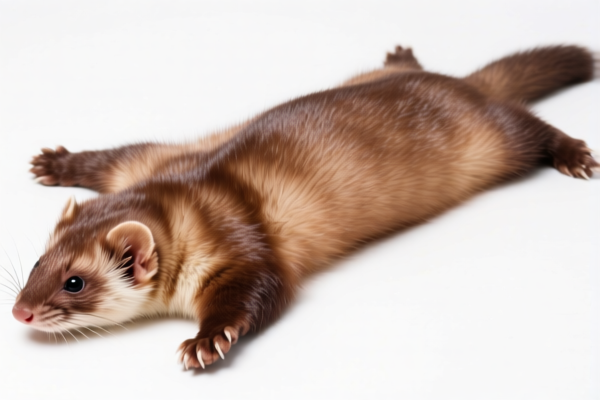
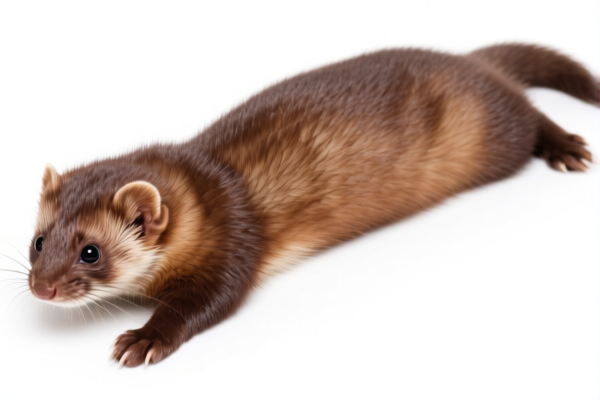
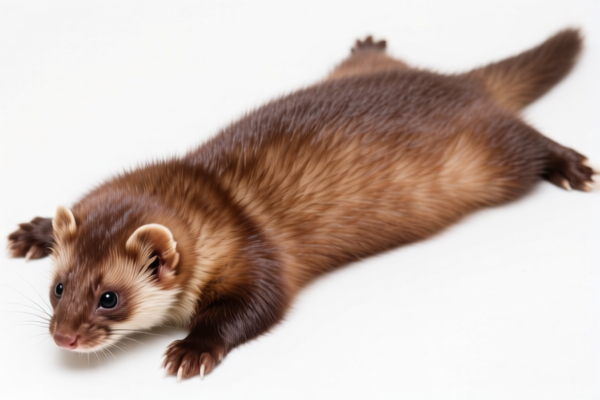
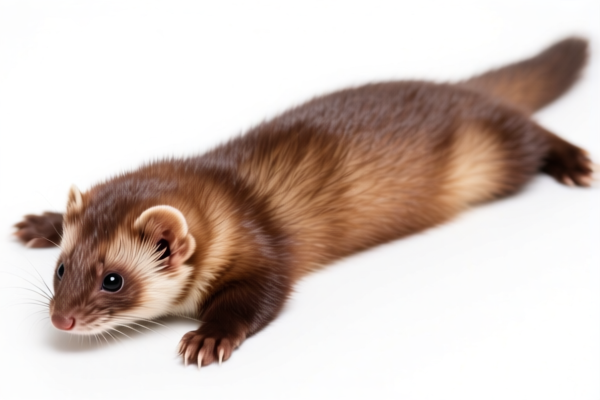
AI分析
🦊 Whole Mink Fur with Head: HS Code Classification & US Customs Clearance Guide (2026)
🌐 HS Code Reference & Clearance Strategy | 2026 Latest Tariff Analysis | Professional Entry Strategy
📌 1. Product Definition and Classification: Do You Really Understand "Whole Mink Fur"?
Whole mink fur is a high-value raw material or semi-processed leather product. In international trade, the classification depends strictly on whether the fur has been tanned (processed) or remains in its natural state. The key distinction lies in the processing stage and product completeness:
Natural Raw Skins (Undertanned/Unprocessed): These are skins that have been skinned but not yet chemically or physically treated to preserve them. They are perishable and require specific handling. Tanned Mink Skins (Processed): These skins have undergone tanning, drying, and finishing processes, making them stable and ready for garment manufacturing.
⚠️ Key Distinction Point: - If the skin is untanned/raw (preserved only by salting or freezing), it falls under Chapter 41 (Leather). - If the skin is tanned/furrier-wrought (preserved through chemical/physical treatment), it falls under Chapter 43 (Furskins and Furs). - Critical Note: "Whole" implies the skin is intact, including the head and tail. Partial skins (e.g., back panels) have different classifications.
📦 2. HS Code Classification Details (2026 Latest Tariff Authority对照)
| HS Code | Product Description | Applicability | Processing Status | Head/Tail Included? |
|---|---|---|---|---|
4103.90.11.90 |
Whole natural mink skins, untanned, with head, tail, and claws | Raw material export, initial processing stage | ❌ Untanned (Raw) | ✅ Yes |
4302.11.00.10 |
Whole mink skins, tanned, with head | Ready for manufacturing, finished raw leather | ✅ Tanned | ✅ Yes |
4302.11.00.20 |
Whole mink skins, tanned, without assembly, with head | Semi-finished, prepared for cutting | ✅ Tanned | ✅ Yes |
4103.90.20.00 |
Wild mink raw skins, whole, other class | Wild-sourced raw material | ❌ Untanned (Wild) | ✅ Yes |
4103.90.11.40 |
Natural whole mink skins with head, tail, and claws, other untreated | Other untreated natural skins | ❌ Untanned | ✅ Yes |
🔍 Important Reminder: - "Whole" (整张) is a critical descriptor. If the head or tail is missing, the HS Code may change, potentially affecting duties. - Tanned vs. Untanned is the most common source of classification errors. Misclassifying tanned fur as raw (or vice versa) can lead to significant duty differences and delays.
💰 3. 2026 Latest Tariff Rate Details (Including Additional Taxes)
✅ Applicable Country: United States (US)
✅ Origin: China (CN)
✅ Effective Time: November 10, 2025 (and subsequent imports)
🎯 1. 4103.90.11.90 & 4103.90.11.40 —— Natural Untanned Mink Skins (Whole)
| Item | Details |
|---|---|
| Base Tariff | 0% |
| Section 301 Tariff (Additional) | +7.5% |
| IEEPA Tariff (Section 122) | +10% |
| Total Tariff Rate | 17.5% |
| Tax Calculation | CIF Value × 17.5% |
| De Minimis Eligibility | ❌ Not Eligible (Deny de minimis) |
| Legal Basis Path | USITC:4103.90.11.90 → Section 301: 7.5% → IEEPA: 10% |
📌 Explanation: - Base Tariff: 0% for raw untanned hides under normal trade relations. - Section 301 Tariff: +7.5% applies to specific leather/hide products from China. - IEEPA (Section 122) Tariff: +10% is applied to all imports from China under the International Emergency Economic Powers Act. - Total: 17.5% is considered a moderate-high tariff for raw materials, but significantly lower than tanned furs.
🎯 2. 4302.11.00.10 & 4302.11.00.20 —— Tanned Mink Skins (Whole, with Head)
| Item | Details |
|---|---|
| Base Tariff | 2.1% |
| Section 301 Tariff (Additional) | +25.0% |
| IEEPA Tariff (Section 122) | +10% |
| Total Tariff Rate | 37.1% |
| Tax Calculation | CIF Value × 37.1% |
| De Minimis Eligibility | ❌ Not Eligible (Deny de minimis) |
| Legal Basis Path | USITC:4302.11.00.10 → Section 301: 25% → IEEPA: 10% |
📌 Explanation: - Base Tariff: 2.1% for tanned furskins. - Section 301 Tariff: +25% is the standard rate for many manufactured/processed goods from China, including finished leather/furs. - IEEPA (Section 122) Tariff: +10% applies as above. - Total: 37.1% is a very high tariff. This highlights the importance of correctly identifying the processing stage.
🎯 3. 4103.90.20.00 —— Wild Mink Raw Skins (Whole)
| Item | Details |
|---|---|
| Base Tariff | 3.3% |
| Section 301 Tariff (Additional) | +7.5% |
| IEEPA Tariff (Section 122) | +10% |
| Total Tariff Rate | 20.8% |
| Tax Calculation | CIF Value × 20.8% |
| De Minimis Eligibility | ❌ Not Eligible |
| Legal Basis Path | USITC:4103.90.20.00 → Section 301: 7.5% → IEEPA: 10% |
📌 Note: - Wild mink skins are treated similarly to farmed raw skins but with a slightly higher base tariff (3.3% vs 0%). - Total duty is 20.8%, which is higher than farmed raw skins but much lower than tanned skins.
🛠️ 4. Clearance Practical Advice (实战避坑指南)
✅ 1. Documentation Checklist (Essential for Smooth Clearance)
| Document | Required | Description |
|---|---|---|
| ✅ Product Specification Sheet | ✔️ | Must state: "Whole," "With Head," "With Tail," "Tanned" or "Untanned." |
| ✅ Photos of Product | ✔️ | Clear images showing the head and tail are attached. |
| ✅ Commercial Invoice | ✔️ | Must explicitly mention "Whole Mink Skins with Head" and HS Code. |
| ✅ Packing List | ✔️ | Detailed count of skins, ensuring no missing parts. |
| ✅ Certificate of Origin | ✔️ | To prove Chinese origin (applicable for Section 301/IEEPA). |
| ✅ Tanning Certificate (if applicable) | ✔️ | For tanned skins, this proves the processing status to avoid misclassification. |
✅ 2. Declaration Tips (Key Phrases)
🔥 "Whole means Whole: Head, Tail, and Claws Must Be Declared Clearly!"
| Situation | Correct Declaration | Incorrect Declaration |
|---|---|---|
| Tanned Mink Skin | "Whole Tanned Mink Skin, With Head" (HS: 4302.11.00.10) | "Mink Fur" (Vague) → Risk of audit |
| Raw Mink Skin | "Whole Untanned Mink Skin, With Head" (HS: 4103.90.11.90) | "Tanned Leather" → Incorrect Class |
| Wild Mink Skin | "Whole Wild Mink Raw Skin" (HS: 4103.90.20.00) | "Farmed Mink" → Duty Discrepancy |
| Incomplete Skin | "Mink Back Panel, No Head" | "Whole Mink Skin" → Misdeclaration |
✅ 3. Special Cases Handling
| Situation | Handling Advice |
|---|---|
| Mixed Shipments | If a shipment contains both tanned and untanned skins, separate declarations are required. Mixed HS Codes in one line item will cause delays. |
| Sample Shipments | Even small samples are subject to the same HS Code and tariff rules. De minimis does not apply. |
| OEM Custom Skins | Provide client design specs to prove they are not finished garments (which have different HS codes). |
| Wild vs. Farmed | Clearly distinguish in the invoice. Wild skins may have additional CITES documentation requirements if applicable, though typically not for mink. |
🌍 5. Global Market Clearance Comparison (2026 Latest)
| Country/Region | Recommended HS Code | Tariff (China Origin) | Certification | Notes |
|---|---|---|---|---|
| 🇺🇸 USA | 4302.11.00.10 (Tanned) / 4103.90.11.90 (Raw) |
37.1% (Tanned) / 17.5% (Raw) | None Specific | High tariffs due to Section 301 & IEEPA. |
| 🇨🇳 China | 4302.11.00.10 |
9.0% (Import Duty) | None | Lower base tariff, no Section 301. |
| 🇪🇺 EU | 4301.10.00 (Raw) / 4302.11 (Tanned) |
3.9% (Raw) / 2.5% (Tanned) | CITES (if applicable) | No Section 301, but strict animal welfare regulations. |
| 🇦🇺 Australia | 4302.11.00 |
5.0% | None | Moderate tariff, no extra US-style penalties. |
| 🇯🇵 Japan | 4302.11.00 |
3.3% | None | Low tariff, no additional penalties. |
📌 Conclusion: - USA has the highest tariffs due to multiple layers of additional duties. - China Origin goods face significant barriers in the US market. - Consider transshipment or supply chain diversification (e.g., sourcing from Canada or Europe) if targeting the US market, but be aware of rules of origin.
📌 6. Common Mistakes & Pitfalls (Blood and Tears Lessons)
❌ Mistake 1: Declaring "Mink Fur" without specifying "Whole" or "With Head"
👉 Consequence: Customs may classify as partial skins, leading to different HS Codes and potential penalties.
❌ Mistake 2: Confusing "Tanned" and "Untanned"
👉 Consequence: If you declare tanned skins as raw, you underpay duties (17.5% vs 37.1%). Customs will demand back payment + fines. If you declare raw as tanned, you overpay, but may face scrutiny for false documentation.
❌ Mistake 3: Ignoring the "Head and Tail" requirement
👉 Consequence: If the actual shipment lacks heads/tails but the declaration says "Whole," it is misdeclaration. This can lead to seizure or rejection.
✅ Correct Practice:
"Whole Tanned Mink Skins, With Head and Tail, Class I, Grade A, Quantity: 100 Skins"
🎯 7. Conclusion: Precision in Classification Saves Money!
🎯 Remember:
🔹 "Whole means Whole: Head, Tail, and Claws. Missing one, pay more or get fined."
🔹 "Tanned vs. Raw is Critical: 37.1% vs 17.5% is a huge difference."
🔹 "US Market is Tough: Plan for high tariffs."
📌 Tips: - If your mink skins are originally from Canada, Europe, or Australia, you may qualify for lower or zero Section 301 tariffs in the US. - For high-value shipments, consider applying for an Advance Ruling (Pre-decision) from US Customs to confirm the HS Code and duty rate.
📣 Immediate Action:
📞 Consult a professional customs broker + Provide detailed product photos + Request HS Code pre-ruling.
🚀 Ensure smooth clearance, avoid delays, and protect your profits!
✨ Professional clearance starts with accurate classification!
💼 Every cent of duty cost deserves precise calculation!
用户评价
关于 HS 编码归类
协调制度(HS)是由世界海关组织(WCO)制定的国际贸易商品分类标准。全球 200 多个国家采用 HS 系统作为海关关税、贸易统计和进出口监管的基础。
每个 HS 编码遵循以下层级结构:
- 章(2 位)——商品大类(例如:第 84 章:机器和机械设备)
- 品目(4 位)——章内的更具体分类
- 子目(6 位)——国际通用细分,所有 WCO 成员国统一使用
- 本国细分(8-10 位)——各国自行扩展的细分编码,如美国 HTSUS 10 位编码
正确的 HS 编码归类对于顺利通关、准确缴纳关税和遵守贸易法规至关重要。错误归类可能导致海关延误、多缴关税或罚款。
从CN进口到US时,适用的关税税率可能包括:
- 最惠国(MFN)税率——适用于 WTO 成员国的标准关税税率
- 普通税率——适用于无贸易协定国家
- 贸易救济关税——附加关税,如 301 条款(反倾销)、232 条款(国家安全)或反补贴税
本页内容仅供参考。如需正式归类,请咨询当地海关或持牌报关代理。