Wide Format Roll Film Recording
CN → US| HS编码 | 关税税率 | 原产国 | 目的国 | 文档 |
|---|---|---|---|---|
| 3706900060 | 35.0% | CN | US | 官方文档 |
| 3706106060 | 35.0% | CN | US | 官方文档 |
| 3702980000 | 38.7% | CN | US | 官方文档 |
| 3704000000 | 35.0% | CN | US | 官方文档 |
| 3701996030 | 35.0% | CN | US | 官方文档 |
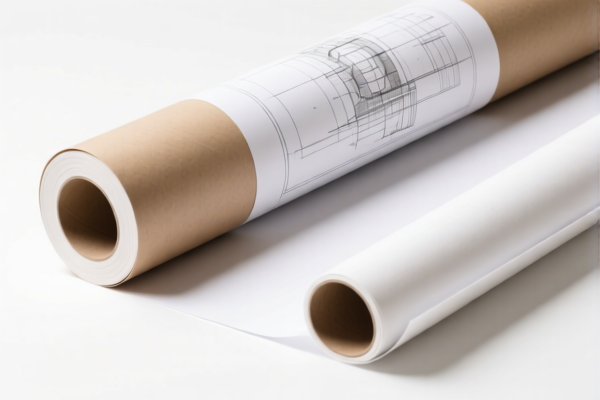
商品图片



AI分析
🎞️ Wide Format Roll Film Recording
🌐 HS Code Reference & Customs Clearance Guide | 2026 Latest Tariff Analysis | Professional Clearance Strategy
📌 Part 1: Product Definition & Classification: Do You Really Understand "Wide Format Roll Film"?
"Wide format roll film recording" refers to photographic or cinematographic films used for capturing images or audio-visual data, typically exceeding standard widths (often 35mm or wider, such as 70mm), supplied in roll formats. In international trade, these films are classified based on their state (exposed vs. unexposed), format (roll vs. cut), and functional use (cinematography vs. still photography).
Key Distinction Points: * Exposed & Developed (With Sound): If the film has been exposed, developed, and contains an audio track (sound), it falls under cinematographic film categories. * Unexposed & Raw: If the film is unexposed, it falls under raw photographic film categories, further distinguished by width and support material. * Format: "Roll" indicates it is not cut into individual frames or sheets, which distinguishes it from certain photographic plates or sheets.
⚠️ Critical Classification Logic: * Exposed/Sound Track → Usually classified under 3706 (Cinematographic film). * Unexposed/Raw → Usually classified under 3702 or 3704 (Other photographic film). * Specific Widths → Widths exceeding 35mm may trigger specific subheadings depending on the material (e.g., plastic vs. paper).
📦 Part 2: HS Code Classification Details (2026 Latest Tariff Authority Comparison)
Based on the provided data, here are the precise HS Codes and their corresponding rationales:
| HS Code | Product Description & Summary | Classification Logic |
|---|---|---|
3706.90.00.60 |
Wide Format Film (B&W Sound): Classified as "other cinematographic film" (except positive prints), containing sound tracks. | ✅ Exposed/Developed. Specifically for cinematographic film that is already exposed/developed and includes sound, but is not a positive print for projection. |
3706.10.60.60 |
Wide Format Film (B&W Sound): Fits width ≥35mm, exposed/developed, and contains sound tracks under the "other" category. | ✅ Exposed/Developed. Specifically highlights the width constraint (35mm+) and the presence of sound, categorized under specific "other" sub-items for wide format. |
3702.98.00.00 |
Wide Format Film (B&W Sound): Inferred as roll-format, non-paper/non-textile light-sensitive material, unexposed, and width >35mm. | ⚠️ Unexposed/Raw. Note: Despite the user input mentioning "recording," this code applies if the film is actually raw/unexposed stock. The logic infers it is unexposed, wide (>35mm), and on a non-paper base. |
3704.00.00.00 |
Wide Format Film (B&W Sound): Form and use fit the scope of photographic/image recording film with exposure processing attributes. | ✅ Exposed/Processed. A broader category for photographic films that have been exposed and processed, fitting general image record criteria. |
3701.99.60.30 |
Wide Positive Film: Fits graphic arts domain image form, falling under the definition of light-sensitive film. | ✅ Specific Use. Likely refers to positive films used in graphic arts or specialized imaging, classified under general light-sensitive films. |
🔍 Key Reminder: * State is King: The biggest risk is misdeclaring unexposed film as exposed (or vice versa).
3706is for exposed/developed;3702is for unexposed. * Sound Tracks: If sound is present,3706is often the primary candidate for cinematographic film. * Width Matters: Widths >35mm are specifically called out in3706.10and3702.98.
💰 Part 3: 2026 Latest Tariff Rate Breakdown (Including Additional Taxes)
✅ Applicable Country: United States (US)
✅ Country of Origin: China (CN)
✅ Effective Date: Applies to imports from China
🎯 1. HS Codes: 3706.90.00.60, 3706.10.60.60, 3704.00.00.00, 3701.99.60.30
| Item | Content |
|---|---|
| Base Tariff Rate | 0% (ad valorem) |
| Section 301 Additional Tariff | +25% |
| Section 122 Additional Tariff | +10% |
| Total Effective Rate | 35.0% |
| Tax Calculation | CIF Value × 35% |
| De Minimis Exemption | ❌ Not Applicable (High risk of audit) |
| Legal Basis Path | Section 301 → Section 122 → HTSUS 3706/3704/3701 |
📌 Explanation: * "Base 0%": Standard Most Favored Nation (MFN) rate for many photographic films is 0%. * "Section 301: 25%": The standard additional tariff imposed on many Chinese goods under US Trade Act Section 301. * "Section 122: 10%": An additional specific tariff often applied to certain categories of goods to protect domestic industries or due to specific trade actions. * Total 35%: This is a high cumulative tariff. Importers must budget for this significantly.
🎯 2. HS Code: 3702.98.00.00 (Unexposed Roll Film)
| Item | Content |
|---|---|
| Base Tariff Rate | 3.7% |
| Section 301 Additional Tariff | +25% |
| Section 122 Additional Tariff | +10% |
| Total Effective Rate | 38.7% |
| Tax Calculation | CIF Value × 38.7% |
| De Minimis Exemption | ❌ Not Applicable |
| Legal Basis Path | Section 301 → Section 122 → HTSUS 3702.98.00.00 |
📌 Explanation: * "Base 3.7%": Unlike exposed film, some raw/unexposed photographic films have a small base duty. * Total 38.7%: This is the highest tax bracket among the options. Misclassification here (declaring exposed film as unexposed) could lead to penalties, as customs will check if the film is indeed unexposed.
🛠️ Part 4: Customs Clearance Practical Advice (Real-World Pitfall Guide)
✅ 1. Documentation Checklist (Essential for Smooth Clearance)
| Document | Required | Purpose |
|---|---|---|
| ✅ Product Specification Sheet | ✔️ | Must detail: Width (e.g., 70mm), Base Material (Acetate/PET), Sensitivity, Exposed vs. Unexposed Status, Sound Track presence. |
| ✅ Commercial Invoice | ✔️ | Must clearly state "Wide Format Cinematographic Film" or "Photographic Roll Film" and value. |
| ✅ Packing List | ✔️ | Number of rolls, weight, and dimensions. |
| ✅ Certificate of Origin | ✔️ | To prove Chinese origin and apply correct Section 301/122 rates. |
| ✅ Declaration of Non-Exposure (if Applicable) | ✔️ | If claiming 3702.98, provide a letter certifying the film is unexposed and sealed. |
✅ 2. Declaration Tips (Critical Mnemonics)
🔥 "Expose or Not? Width Check? Sound Present? Tax Changes!"
| Scenario | Correct HS Code | Risk if Misdeclared |
|---|---|---|
| Exposed, Sound, Wide (≥35mm) | 3706.10.60.60 or 3706.90.00.60 |
If declared as Unexposed (3702) → Penalty + Back Taxes |
| Unexposed, Wide (>35mm) | 3702.98.00.00 |
If declared as Exposed (3706) → Overpayment (38.7% vs 35%) |
| General Exposed Photo Film | 3704.00.00.00 |
Safe alternative if 3706 specs aren't fully met. |
| Graphic Arts Positive Film | 3701.99.60.30 |
Specific to graphic arts; do not use for general cinema. |
✅ 3. Special Situations
| Situation | Handling Advice |
|---|---|
| Sealed Raw Film | Ensure packaging is tamper-evident. Customs may request proof of non-exposure (e.g., certificate from manufacturer). |
| Film with Sound Track | Must be declared as having sound. If silent, do not declare sound. Misdeclaration can lead to class error. |
| Wide Format (>35mm) | Be explicit about width. Films >35mm are often treated differently than standard 35mm cinema film. |
| Used/Recycled Film | If the film is "used" but not "exposed/developed," clarify status. Generally, raw film is 3702. |
🌍 Part 5: Global Market Comparison (2026 Update)
| Country/Region | Recommended HS Code | Base Tariff | Additional Taxes | Notes |
|---|---|---|---|---|
| 🇺🇸 USA | 3706.10.60.60 |
0% | 35% (25% + 10%) | High impact from Section 301 & 122. |
| 🇨🇳 China | 3706.10.60.60 |
0%~5% | None | Lower import duties for raw materials. |
| 🇪🇺 EU | 3706.90 |
0%~2.5% | None (No Section 301/122) | No additional punitive tariffs. |
| 🇬🇧 UK | 3706.90 |
0%~5% | None | Post-Brexit tariffs may vary slightly. |
| 🇨🇦 Canada | 3706.10 |
0%~3.5% | None | FTA benefits may apply depending on origin. |
📌 Conclusion: * USA is the most expensive market due to the combined 35% tariff burden. * EU/UK/Canada are more favorable for tariff costs. * Strategy: If selling to the US, consider pricing in the 35% cost or exploring supply chain adjustments (e.g., third-country processing) if feasible and compliant.
📌 Part 6: Common Errors & Pitfalls (Lessons Learned)
❌ Error 1: Declaring Unexposed film as Exposed (3702 as 3706)
👉 Consequence: While the tax is lower (35% vs 38.7%), customs may suspect undervaluation or misclassification. If the film is found unexposed, you pay back taxes + penalties.
👉 Fix: Accurately declare "Unexposed" if it is raw stock.
❌ Error 2: Ignoring the Sound Track
👉 Consequence: Declaring sound film as silent may lead to incorrect HS Code (3706 without sound vs with sound).
👉 Fix: Clearly mark "With Sound" on the invoice and spec sheet.
❌ Error 3: Ambiguous Width Description 👉 Consequence: If width is not specified, customs may default to the broadest/most expensive code. 👉 Fix: Explicitly state "Width: 70mm" or "Width: >35mm".
❌ Error 4: Misclassifying Positive Prints
👉 Consequence: Positive prints for projection have different codes. Using 3706.90 (other) for a positive print is incorrect.
👉 Fix: Verify if it is a negative, positive, or intermediate film.
✅ Correct Declaration Example:
"Wide Format Cinematographic Film, Black & White, Exposed, Developed, with Sound Track, Width 70mm, Roll Format, Model XYZ, Origin China"
🎯 Part 7: Conclusion: Professional Classification Saves Money!
🎯 Remember the Mantra:
🔹 "Exposed = 3706 (35% Tax)" 🔹 "Unexposed = 3702 (38.7% Tax)" 🔹 "Specify Width & Sound to Avoid Fines!"
📌 Pro Tip: If you are importing large volumes, consider applying for a Binding Tariff Information (BTI) or US Customs Ruling in advance. This provides legal certainty for your classification and protects you from retroactive audits.
📣 Immediate Action:
📞 Contact your customs broker with detailed product specs (Width, State, Sound). 🚀 Calculate landed cost including the 35-38.7% total duty to ensure profitability in the US market.
✨ Professional Clearance Starts with Precise Classification! 💼 Every Percentage Point Counts in Global Trade!
用户评价
关于 HS 编码归类
协调制度(HS)是由世界海关组织(WCO)制定的国际贸易商品分类标准。全球 200 多个国家采用 HS 系统作为海关关税、贸易统计和进出口监管的基础。
每个 HS 编码遵循以下层级结构:
- 章(2 位)——商品大类(例如:第 84 章:机器和机械设备)
- 品目(4 位)——章内的更具体分类
- 子目(6 位)——国际通用细分,所有 WCO 成员国统一使用
- 本国细分(8-10 位)——各国自行扩展的细分编码,如美国 HTSUS 10 位编码
正确的 HS 编码归类对于顺利通关、准确缴纳关税和遵守贸易法规至关重要。错误归类可能导致海关延误、多缴关税或罚款。
从CN进口到US时,适用的关税税率可能包括:
- 最惠国(MFN)税率——适用于 WTO 成员国的标准关税税率
- 普通税率——适用于无贸易协定国家
- 贸易救济关税——附加关税,如 301 条款(反倾销)、232 条款(国家安全)或反补贴税
本页内容仅供参考。如需正式归类,请咨询当地海关或持牌报关代理。