Wild Rice Pilaf
CN → US| HS编码 | 关税税率 | 原产国 | 目的国 | 文档 |
|---|---|---|---|---|
| 1904900140 | 31.5% | CN | US | 官方文档 |
| 1904900120 | 31.5% | CN | US | 官方文档 |
| 2106900300 | 0.0% | CN | US | 官方文档 |
| 2106900600 | 0.0% | CN | US | 官方文档 |
| 1008900120 | 36.1% | CN | US | 官方文档 |
| 1008900140 | 36.1% | CN | US | 官方文档 |
商品图片
AI分析
🌾 Wild Rice Pilaf (prepared or unprepared)
🌐 HS Code Reference & Customs Clearance Guide | 2026 Latest Tariff Analysis | Professional Entry Strategy
📌 I. Product Definition & Classification: Do You Know "Wild Rice Pilaf"?
Wild Rice Pilaf is a food preparation involving cereals. The classification depends entirely on the processing state of the rice. In international trade, it is crucial to distinguish between the raw agricultural product and the prepared food item.
1. Unprepared Wild Rice (The Grain)
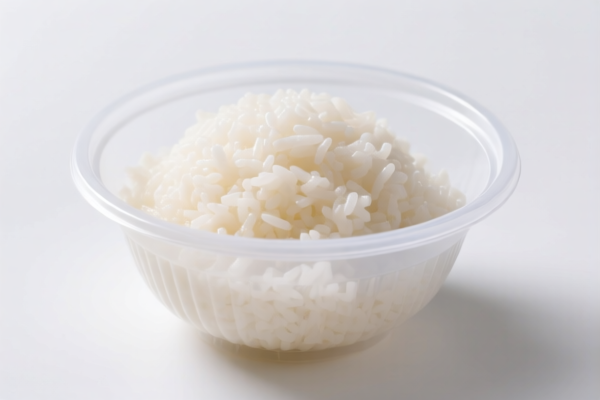
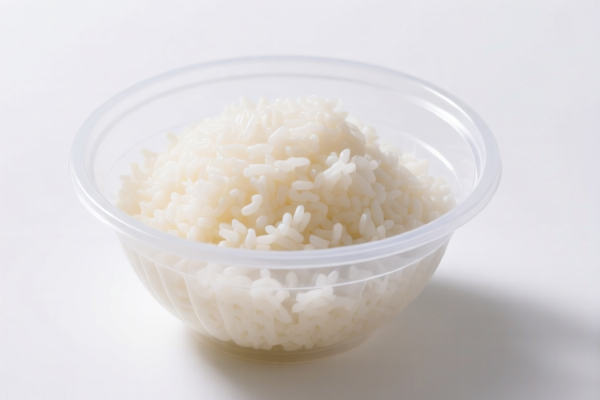
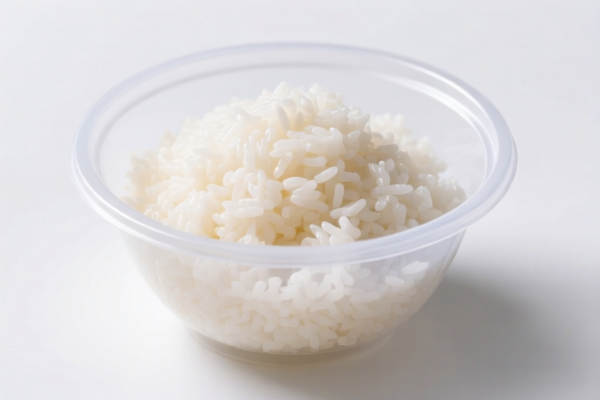
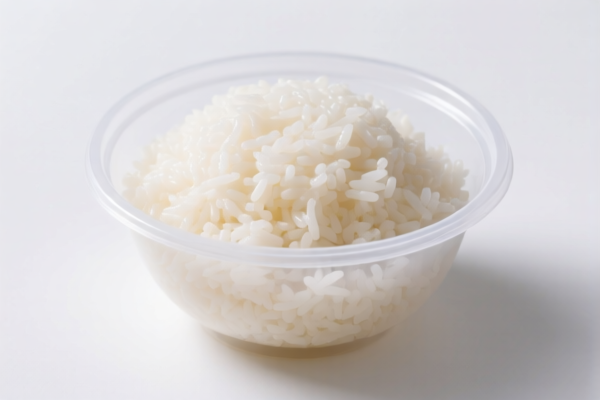
Description: Raw wild rice grains, cleaned but not cooked, pre-cooked, or roasted.
HS Chapter: Chapter 10 (Cereals).
Key Feature:* It is a basic agricultural commodity, not yet a "prepared food" for immediate consumption or complex culinary processing.
2. Prepared Wild Rice Pilaf (The Meal)
Description: Wild rice that has been pre-cooked, roasted, swelled, or mixed with other ingredients to create a pilaf-ready mix. It falls under "Prepared foods obtained by the swelling or roasting of cereals... or cereals... pre-cooked or otherwise prepared."
HS Chapter: Chapter 19 (Preparations of Cereals, Flour, Starch or Milk).
Key Feature:* The processing changes the nature of the good from a simple cereal to a "prepared food."
⚠️ Critical Distinction:
- If the product is raw/uncooked wild rice: It belongs to HS 1008.90.
- If the product is pre-cooked, roasted, or processed into a pilaf mix: It belongs to HS 1904.90.
- Note: Most commercial "Pilaf" mixes are considered "pre-cooked or otherwise prepared" or are mixes that fit into broader prepared food categories, but specific "Wild Rice" grains are often classified under Chapter 10 unless explicitly processed for direct consumption as a ready-to-eat meal.
📦 II. HS Code Classification Details (2026 Latest Tariff Alignment)
Based on the provided <DATA>, we have two distinct categories for Wild Rice.
| HS Code | Product Description | Processing State | Duty Rate |
|---|---|---|---|
1008.90.01.20 |
Wild Rice (Other cereals including wild rice) | Unprepared / Raw | 1.1% |
1008.90.01.40 |
Other Cereals (Other than wild rice) | Unprepared / Raw | 1.1% |
1904.90.01.40 |
Prepared Foods (Swelling/Roasting/Pre-cooked) | Prepared / Processed | 0.0% |
1904.90.01.20 |
Prepared Foods (Frozen) | Prepared / Frozen | 0.0% |
🔍 Analysis for "Wild Rice Pilaf":
1. If you are importing RAW Wild Rice grains to make pilaf later:
- Use1008.90.01.20. This is the specific code for "Wild rice" under "Other cereals".
- Tax: 1.1% Base Duty.
- If you are importing PRE-COOKED or ROASTED Wild Rice Pilaf Mixes (e.g., dehydrated, pre-boiled, or roasted grain blends):
- Use
1904.90.01.40(if not frozen) or1904.90.01.20(if frozen).- Tax: 0.0% (Zero Duty).
- Why? The description "cereals... pre-cooked or otherwise prepared" explicitly includes these under Chapter 19.
💰 III. 2026 Latest Tariff Rate Details (Including Add-ons & Policies)
✅ Applicable Country: United States (US)
✅ Origin: China (CN)
✅ Effective Time: Current rates apply (2026)
🎯 1. 1008.90.01.20 —— Wild Rice (Raw/Unprepared)
| Item | Detail |
|---|---|
| Base Tariff | 1.1% (Ad Valorem) |
| Additional Duty (301/Section 301) | 0.0% |
| Total Tax Rate | 1.1% |
| Tax Calculation | CIF Value × 1.1% |
| De Minimis Exemption? | ❌ No (Generally, agricultural products do not qualify for de minimis if duties apply, but 1.1% is low. However, check specific CBP rules for Section 321.) |
| Legal Basis | HTSUS 1008.90.01.20 |
📌 Explanation:
- This is the standard import duty for unprocessed wild rice.
- Unlike electronics or high-tech goods, wild rice is NOT subject to the heavy 25% or 10% Section 301/IEEPA tariffs.
- It is considered a low-risk agricultural commodity with minimal trade barriers.
🎯 2. 1904.90.01.40 —— Prepared Wild Rice Pilaf (Not Frozen)
| Item | Detail |
|---|---|
| Base Tariff | 0.0% |
| Additional Duty (301/Section 301) | 0.0% |
| Total Tax Rate | 0.0% |
| Tax Calculation | CIF Value × 0% = $0 |
| De Minimis Exemption? | N/A (0% duty) |
| Legal Basis | HTSUS 1904.90.01.40 |
📌 Explanation:
- If your "Wild Rice Pilaf" is pre-cooked, roasted, or swollen, it falls under Chapter 19.
- Zero Duty! This is significantly cheaper than importing raw wild rice if the processing allows for this classification.
- Condition: The product must be "pre-cooked or otherwise prepared" and not elsewhere specified.
🎯 3. 1904.90.01.20 —— Prepared Wild Rice Pilaf (Frozen)
| Item | Detail |
|---|---|
| Base Tariff | 0.0% |
| Additional Duty (301/Section 301) | 0.0% |
| Total Tax Rate | 0.0% |
| Tax Calculation | CIF Value × 0% = $0 |
| Legal Basis | HTSUS 1904.90.01.20 |
📌 Explanation:
- Same as above, but specifically for frozen prepared rice products.
- Also Zero Duty.
🛠️ IV. Customs Clearance Practical Advice (Avoid Pitfalls)
✅ 1. Document Checklist (Must-Haves)
| Document | Required? | Note |
|---|---|---|
| ✅ Commercial Invoice | Yes | Clearly state "Wild Rice" OR "Prepared Rice Pilaf". Avoid vague terms like "Cereal Mix" without detail. |
| ✅ Packing List | Yes | Specify net/gross weight. Distinguish between raw grains and prepared mixes. |
| ✅ Ingredient List | Yes | Critical for Chapter 19. If it contains other ingredients (nuts, dried fruit, spices), ensure it doesn't cross into other headings (e.g., soups, salads). |
| ✅ Processing Statement | Yes | For Chapter 19: Confirm "Pre-cooked," "Roasted," or "Swelled." For Chapter 10: Confirm "Unprocessed" or "Cleaned." |
| ✅ FDA Prior Notice | Yes | Mandatory for all food imports to the US. File within 2 hours of arrival by vessel/air. |
| ✅ Certificate of Analysis (COA) | Yes | Especially for pesticides, heavy metals, and allergens. |
✅ 2. Declaration Strategy (Key Keywords)
🔥 "Be Specific: Raw vs. Prepared"
| Scenario | Correct Declaration | Incorrect Declaration | Risk |
|---|---|---|---|
| Importing Raw Wild Rice | "Wild Rice, Unprocessed, for Culinary Use" | "Prepared Rice" | Misclassification → Penalties |
| Importing Pre-Cooked Pilaf | "Prepared Food: Pre-Cooked Wild Rice Pilaf Mix" | "Raw Cereals" | Underpaying Duty (if 1.1% was due) or Overpaying (if 0% was due) |
| Importing Frozen Pilaf | "Frozen Prepared Wild Rice Product" | "Canned Food" | Wrong Chapter (20 vs 19) |
✅ 3. Special Considerations
| Issue | Handling Advice |
|---|---|
| Allergens | If the pilaf mix contains nuts, soy, or gluten, ensure FDA labeling is compliant. |
| Organic Certification | If claiming "Organic," provide USDA Organic Certificate. Not a customs requirement but useful for marketing and potential inspections. |
| Pesticide Residues | CBP may refer to FDA for pesticide testing. Ensure compliance with EPA tolerance levels. |
| "Other" vs. "Wild" | Do not declare standard rice as "Wild Rice" (1008.90.01.20) if it is actually Oryza sativa (regular rice). Regular rice has different codes (1006). Wild rice is typically Zizania species. |
🌍 V. Global Market Comparison (2026)
| Country | HS Code | Duty | Notes |
|---|---|---|---|
| 🇺🇸 USA | 1008.90.01.20 |
1.1% | Raw Wild Rice |
| 🇺🇸 USA | 1904.90.01.40 |
0.0% | Prepared Wild Rice |
| 🇪🇺 EU | 1008.90 | ~10-12% | Higher duty for raw cereals |
| 🇨🇳 China | 1008.90 | ~5-10% | Varies by trade agreements |
| 🇦🇺 Australia | 1008.90 | ~5% | Free Trade Agreement (ChAFTA) may apply |
📌 Conclusion:
- The US offers the most favorable tariff structure for prepared wild rice products (0% duty).
- For raw wild rice, the duty is low (1.1%) and stable.
- No Section 301/IEEPA tariffs apply to wild rice, making it a safe commodity for US imports.
📌 VI. Common Mistakes & Pitfalls (Lessons Learned)
❌ Mistake 1: Declaring Pre-Cooked Pilaf as Raw Wild Rice
👉 Consequence: You might pay 1.1% instead of 0% (minor loss), OR if the product is clearly processed, CBP may reject the classification and audit your past entries.
👉 Fix: If pre-cooked, use 1904.90.
❌ Mistake 2: Declaring Raw Wild Rice as Prepared Food
👉 Consequence: Overpayment of duty (if 0% was claimed but 1.1% is due) or rejection by FDA if it doesn't meet "prepared food" standards.
👉 Fix: If raw, use 1008.90.01.20.
❌ Mistake 3: Ignoring FDA Prior Notice
👉 Consequence: Detention and Refusal of Entry. All food products must have Prior Notice filed before arrival.
👉 Fix: File within 2 hours of vessel/aircraft arrival.
✅ Correct Practice:
- Raw: "Zizania Palustris (Wild Rice), Unprocessed, Cleaned" →
1008.90.01.20- Prepared: "Pre-Cooked Wild Rice Pilaf Mix, Ready to Eat" →
1904.90.01.40
🎯 VII. Conclusion: Professional Clearance, Cost Savings, Efficiency!
🎯 Remember the Rule:
🔹 "Raw Wild Rice = 1.1% Duty (Ch 10)"
🔹 "Prepared/Pre-Cooked Pilaf = 0% Duty (Ch 19)"
🔹 "Frozen Prepared = 0% Duty (Ch 19)"
📌 Pro Tip:
If you can process the wild rice (roast/pre-cook) domestically or in a free trade zone, you can import it as raw material (1.1%) and add value. However, if the product is already prepared for retail, importing it as Prepared Food saves you 1.1% duty. For large volumes, this distinction matters. Also, ensure FDA compliance is flawless, as food is a high-inspection category.
📣 Immediate Action:
📞 Consult your customs broker with the exact processing method (Raw vs. Pre-Cooked).
🚀 Ensure FDA Prior Notice is filed.
💼 Accurate classification = Lower Costs + Faster Clearance!
✨ Professional Clearance, Starts with Accurate Classification!
💼 Every Percent Saved is Profit Gained!
用户评价
关于 HS 编码归类
协调制度(HS)是由世界海关组织(WCO)制定的国际贸易商品分类标准。全球 200 多个国家采用 HS 系统作为海关关税、贸易统计和进出口监管的基础。
每个 HS 编码遵循以下层级结构:
- 章(2 位)——商品大类(例如:第 84 章:机器和机械设备)
- 品目(4 位)——章内的更具体分类
- 子目(6 位)——国际通用细分,所有 WCO 成员国统一使用
- 本国细分(8-10 位)——各国自行扩展的细分编码,如美国 HTSUS 10 位编码
正确的 HS 编码归类对于顺利通关、准确缴纳关税和遵守贸易法规至关重要。错误归类可能导致海关延误、多缴关税或罚款。
从CN进口到US时,适用的关税税率可能包括:
- 最惠国(MFN)税率——适用于 WTO 成员国的标准关税税率
- 普通税率——适用于无贸易协定国家
- 贸易救济关税——附加关税,如 301 条款(反倾销)、232 条款(国家安全)或反补贴税
本页内容仅供参考。如需正式归类,请咨询当地海关或持牌报关代理。