Window Sealing Strip
CN → US| HS编码 | 关税税率 | 原产国 | 目的国 | 文档 |
|---|---|---|---|---|
| 4016935050 | 37.5% | CN | US | 官方文档 |
| 4016996050 | 37.5% | CN | US | 官方文档 |
| 3926904590 | 38.5% | CN | US | 官方文档 |
| 3926909989 | 22.8% | CN | US | 官方文档 |
| 3926904510 | 38.5% | CN | US | 官方文档 |
商品图片
AI分析
🚪 Window Sealing Strips (Door & Window Gaskets)
🌐 HS Code Reference & Customs Clearance Guide | 2026 Latest Tariff Analysis | Professional Clearance Strategy
📌 I. Product Definition & Classification: Do You Really Understand "Sealing Strips"?
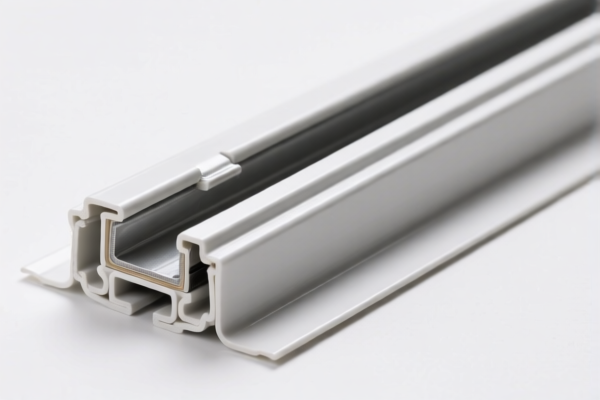
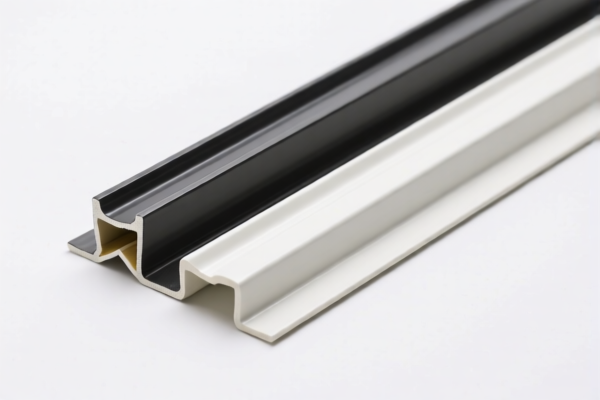
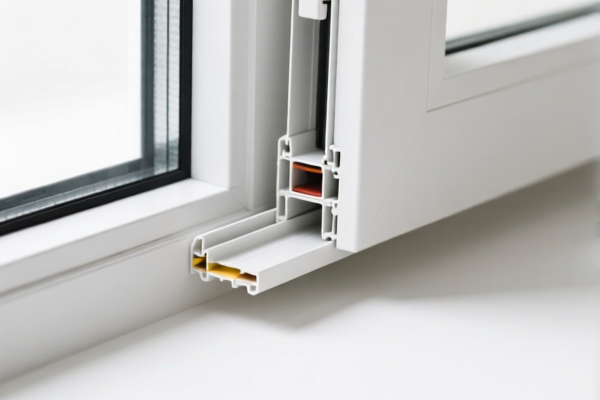
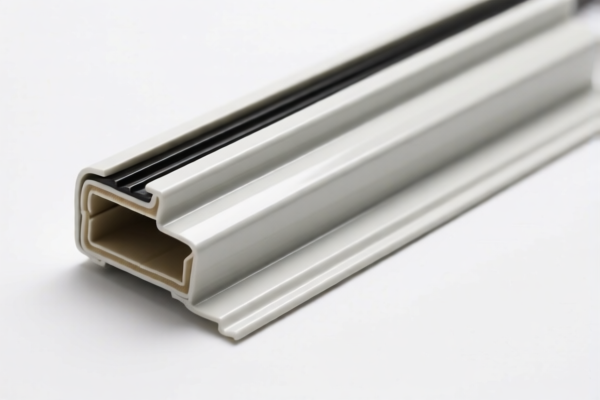
Window sealing strips, also known as door and window gaskets, are critical components used in construction, automotive, and industrial applications to provide insulation, weatherproofing, and noise reduction. In international trade, the classification depends heavily on the material composition and specific design.
Rubber Gaskets: Made from vulcanized rubber (EPDM, Silicone, Nitrile, etc.), offering superior durability and weather resistance.
Plastic/Composite Gaskets: Often made from PVC, TPE, or other polymers, often used for cost-effective or specific environmental applications.
⚠️ Key Distinction Point:
- If the product is made of Vulcanized Rubber → Classified under Chapter 40 (Rubber and Articles Thereof)
- If the product is made of Plastic (e.g., PVC) → Classified under Chapter 39 (Plastics and Articles Thereof)
- Misclassification can lead to significant tariff discrepancies (up to 15% difference)!
📦 II. HS Code Classification Details (2026 Latest Tariff Authoritative Comparison)
Based on the provided data, here are the 5 possible HS Codes for Window Sealing Strips, categorized by material and specific function:
| HS Code | Product Description | Material | Application Scenario | Total Tax Rate |
|---|---|---|---|---|
4016.93.50.50 |
Sealing strips for doors and windows, Rubber, classified as sealing components under other vulcanized rubber products | Rubber | High-end windows, automotive doors, weather-resistant applications | 37.5% |
4016.99.60.50 |
Sealing strips for doors and windows, Rubber, classified as non-specific use sealing components under other vulcanized rubber products | Rubber | General purpose rubber seals, non-specific industrial use | 37.5% |
3926.90.45.90 |
Sealing strips, material inferred as Plastic or Rubber, classified as other sealing components under plastic and other material products | Plastic/Rubber | Mixed material seals, PVC-based seals | 38.5% |
3926.90.99.89 |
Sealing strips for doors and windows, material Rubber or Plastic, classified as other plastic products not specifically detailed | Plastic/Rubber | General plastic seals, PVC extrusions, non-specific classification | 22.8% |
3926.90.45.10 |
Sealing strips, material Plastic or Rubber, classified as sealing components under plastic and other material products | Plastic/Rubber | Specific plastic sealing components, PVC gaskets | 38.5% |
🔍 Critical Reminder:
- Rubber seals (4016.xxx) and Plastic seals (3926.xxx) have different base tariffs.
- The most cost-effective code is3926.90.99.89at 22.8%, but it requires the product to be clearly classified as a "Plastic Product" rather than a specific "Sealing Component."
- Codes ending in.50or.90under Chapter 40/39 often attract higher surcharges.
💰 III. 2026 Latest Tariff Rate Breakdown (Including Surcharges & Policy Add-ons)
✅ Applicable Country: United States (US)
✅ Origin: China (CN)
✅ Effective Date: From November 10, 2025 onwards (including subsequent imports)
🎯 1. Rubber Sealing Strips (4016.93.50.50 & 4016.99.60.50)
| Item | Content |
|---|---|
| Base Tariff | 2.5% (ad valorem) |
| Section 301 Surcharge | +25.0% (USITC Footnote) |
| Section 122 Surcharge | +10.0% (Trade Remedy) |
| Total Rate | 37.5% |
| Calculation | CIF Value × 37.5% |
| De Minimis Exemption | ❌ Not Eligible |
| Legal Basis Path | USITC:4016.93.50.50 → FOOTNOTE:301 → IEEPA:122 |
📌 Explanation:
- Rubber products are subject to high tariffs due to US protectionist policies on rubber manufacturing.
- The 25% Section 301 tax is the primary driver.
- The 10% Section 122 tax adds further burden, likely related to national security or trade remedy measures.
🎯 2. Plastic/Rubber Sealing Strips (3926.90.45.90 & 3926.90.45.10)
| Item | Content |
|---|---|
| Base Tariff | 3.5% (ad valorem) |
| Section 301 Surcharge | +25.0% |
| Section 122 Surcharge | +10.0% |
| Total Rate | 38.5% |
| Calculation | CIF Value × 38.5% |
| De Minimis Exemption | ❌ Not Eligible |
| Legal Basis Path | USITC:3926.90.45.10 → FOOTNOTE:301 → IEEPA:122 |
📌 Explanation:
- Plastic sealing components are taxed at the highest rate (38.5%) due to the combination of higher base duty and full surcharges.
- This code is less favorable unless the product cannot be classified under the general plastic category.
🎯 3. General Plastic Products (3926.90.99.89) – Optimal Code
| Item | Content |
|---|---|
| Base Tariff | 5.3% (ad valorem) |
| Section 301 Surcharge | +7.5% |
| Section 122 Surcharge | +10.0% |
| Total Rate | 22.8% |
| Calculation | CIF Value × 22.8% |
| De Minimis Exemption | ❌ Not Eligible |
| Legal Basis Path | USITC:3926.90.99.89 → FOOTNOTE:301 → IEEPA:122 |
📌 Explanation:
- This is the most economical code at 22.8%.
- It applies to "Other Plastic Products" that are not specifically listed as sealing components.
- Strategy: If your product is made of PVC or TPE and is not a specialized rubber seal, argue for this classification to save 15-16% in tariffs.
🛠️ IV. Customs Clearance Practical Advice (Battle-Tested Pitfall Guide)
✅ 1. Preparation Checklist (No Exceptions)
| Document | Required | Explanation |
|---|---|---|
| ✅ Product Specification Sheet | ✔️ | Must clearly state Material (e.g., "100% EPDM Rubber" vs. "PVC with Rubber Core") |
| ✅ Material Composition Report | ✔️ | Third-party lab report proving % of rubber vs. plastic. Crucial for distinguishing between 4016 and 3926. |
| ✅ Product Photos (Including Label) | ✔️ | Clear images showing texture, flexibility, and any markings. |
| ✅ Commercial Invoice | ✔️ | Describe as "Window Gasket, Material: PVC/Rubber, Model: XYZ" |
| ✅ Packing List | ✔️ | Detail weights and dimensions. Avoid vague terms like "Miscellaneous Parts." |
✅ 2. Declaration Strategy (Key Mnemonics)
🔥 "Material is King, Code is Queen! Don't Guess, Prove!"
| Scenario | Correct Declaration | Wrong Practice |
|---|---|---|
| 100% Rubber Seal | 4016.93.50.50 (37.5%) |
Claiming "Plastic" → Fraud Risk |
| 100% PVC Seal | 3926.90.99.89 (22.8%) |
Claiming "Sealing Component" (38.5%) → Overpaying! |
| Hybrid (Rubber + Plastic) | Depends on Essential Character | Ambiguous description → Delayed Customs |
| Custom Extruded Profile | 3926.90.99.89 (if plastic-based) |
Mislabeling as "Rubber Gasket" |
✅ 3. Special Cases Handling
| Situation | Recommendation |
|---|---|
| OEM Custom Seals | Provide client specs + material certificates. Argue for 3926.90.99.89 if plastic-based. |
| Foam Rubber Seals | Still likely 4016 (Rubber). Base tariff 2.5%, Total 37.5%. |
| Silicone Seals | Classified as Rubber (4016). Same high tariff. |
| Recycled Rubber Seals | May face additional scrutiny. Ensure compliance with US environmental laws. |
🌍 V. Global Market Customs Comparison (2026 Latest)
| Country/Region | Recommended HS Code | Tariff | Certification | Notes |
|---|---|---|---|---|
| 🇺🇸 United States | 3926.90.99.89 |
22.8% | No specific cert required | Cheapest option for plastic seals. Avoid 3926.90.45 if possible. |
| 🇪🇺 European Union | 4016.93 / 3926.90 |
0-6.5% | REACH, RoHS | No Section 301 or 122 taxes. More stable. |
| 🇨🇳 China | 4016.93 / 3926.90 |
5-10% | CCC (if applicable) | Import duties are moderate. |
| 🇬🇧 United Kingdom | 4016.93 / 3926.90 |
0-6.5% | UKCA | Post-Brexit tariffs mirror EU in many cases. |
📌 Conclusion:
- The US market is the most expensive due to Section 301 and Section 122 taxes.
- Plastic seals (3926.90.99.89) are significantly cheaper than rubber or specific plastic sealing components.
- Always prioritize material proof to justify the lower-tariff classification.
📌 VI. Common Mistakes & Pitfalls (Lessons Learned from Blood and Tears)
❌ Mistake 1: Calling a PVC seal "Rubber Gasket"
👉 Consequence: Classified under 4016 → 37.5% vs 22.8%. Loss of 14.7% margin!
❌ Mistake 2: Using "Sealing Component" for plastic products
👉 Consequence: Classified under 3926.90.45 → 38.5%. Loss of 15.7% margin!
❌ Mistake 3: Vague description "Window Strip"
👉 Consequence: Customs assigns highest possible rate → Automatic 38.5%.
❌ Mistake 4: Ignoring Section 122 Surcharge
👉 Consequence: Unexpected 10% tax at border → Cash flow crisis.
✅ Correct Practice:
"PVC Window Seal Strip, Flexible, Weatherproof, Model: WS-123, Material: 100% PVC (Polyvinyl Chloride), Certified for US Import"
🎯 VII. Conclusion: Professional Declaration, Save Money, Ensure Smooth Clearance!
🎯 Remember the Mantra:
🔹 "Plastic is Cheap, Rubber is Expensive. Don't be Specific if You Can Be General!"
🔹 "HS Code Defines Profit, Tax Rate Defines Survival. Declare Accurately, Save Thousands!"
📌 Pro Tip:
If your sealing strips are made of TPE (Thermoplastic Elastomer), argue for Plastic Classification (3926.90.99.89) rather than Rubber (4016). TPE is often treated as plastic in customs rulings, saving you 14.7% in tariffs.
📣 Immediate Action:
📞 Contact a Professional Customs Broker + Provide Material Test Report + Apply for Advance Ruling
🚀 Let Your Sealing Strips Pass Through Customs Smoothly, Efficiently, and Profitably!
✨ Professional Customs Clearance Starts with Accurate Classification!
💼 Every Penny of Your Cost Deserves to Be Precisely Calculated!
用户评价
关于 HS 编码归类
协调制度(HS)是由世界海关组织(WCO)制定的国际贸易商品分类标准。全球 200 多个国家采用 HS 系统作为海关关税、贸易统计和进出口监管的基础。
每个 HS 编码遵循以下层级结构:
- 章(2 位)——商品大类(例如:第 84 章:机器和机械设备)
- 品目(4 位)——章内的更具体分类
- 子目(6 位)——国际通用细分,所有 WCO 成员国统一使用
- 本国细分(8-10 位)——各国自行扩展的细分编码,如美国 HTSUS 10 位编码
正确的 HS 编码归类对于顺利通关、准确缴纳关税和遵守贸易法规至关重要。错误归类可能导致海关延误、多缴关税或罚款。
从CN进口到US时,适用的关税税率可能包括:
- 最惠国(MFN)税率——适用于 WTO 成员国的标准关税税率
- 普通税率——适用于无贸易协定国家
- 贸易救济关税——附加关税,如 301 条款(反倾销)、232 条款(国家安全)或反补贴税
本页内容仅供参考。如需正式归类,请咨询当地海关或持牌报关代理。