Window Shade
CN → US| HS编码 | 关税税率 | 原产国 | 目的国 | 文档 |
|---|---|---|---|---|
| 6303192110 | 16.4% | CN | US | 官方文档 |
| 6303922010 | 21.3% | CN | US | 官方文档 |
| 6303910010 | 27.8% | CN | US | 官方文档 |
| 6303922010 | 21.3% | CN | US | 官方文档 |
| 6303192110 | 16.4% | CN | US | 官方文档 |
商品图片
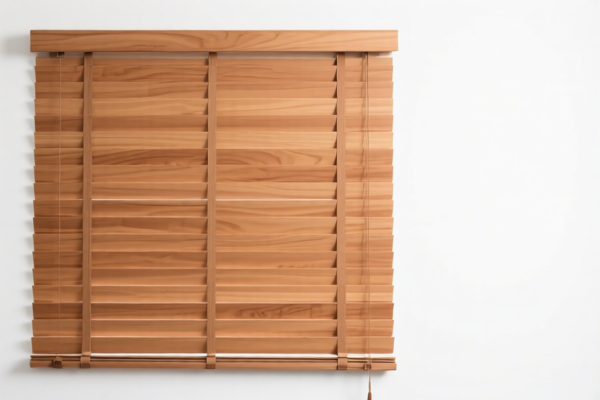
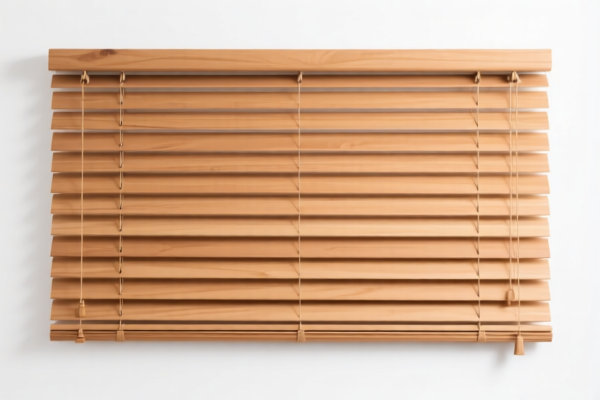
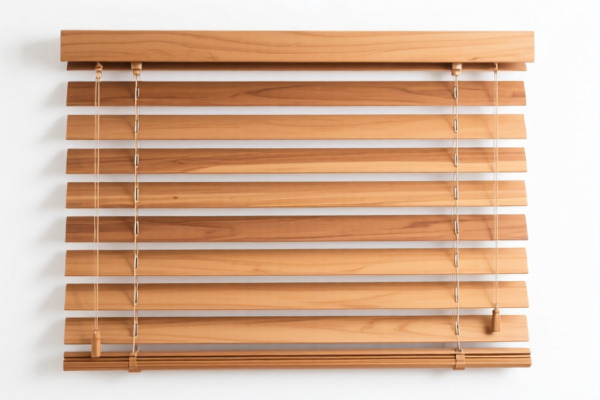
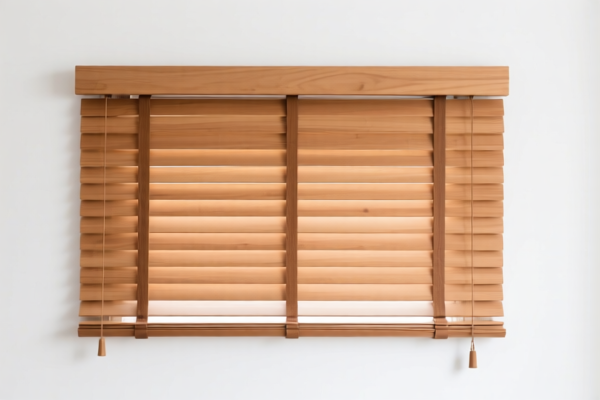
AI分析
🪟 Window Shades & Curtains (Textile Window Coverings)
🌐 HS Code Reference & Customs Clearance Guide | 2024-2025 Latest Tariff Analysis | Professional Clearance Strategy
📌 I. Product Definition & Classification: Do You Really Understand "Window Shades"?
Window shades, curtains, and drapes are essential textile home furnishing products used for light control, privacy, and decoration. In international trade, they are primarily classified under Chapter 63 (Other Made Up Textile Articles), specifically heading 6303 (Curtains (including drapes) and interior blinds; curtain or bed valances).
However, the specific HS Code depends heavily on two factors: 1. Material Composition (Cotton, Synthetic Fibers, Man-Made Fibers, etc.) 2. Manufacturing Process (Knitted, Crocheted, or Other Textile Fabrics) 3. Usage Context (Indoor, Outdoor, Door/God curtain)
⚠️ Key Distinction Point:
- If made of Knitted or Crocheted material (e.g., lace, net, knit fabric) → Generally falls under 6303.19
- If made of Other Textile Fabrics (e.g., woven polyester, cotton, silk) → Generally falls under 6303.91 or 6303.92
- Outdoor use often requires specific synthetic materials → 6303.92
📦 II. HS Code Classification Details (Based on Provided Data)
| HS Code | Product Description | Application Scenario | Material Inference |
|---|---|---|---|
6303.19.21.10 |
Knitted/Crocheted Curtains | Indoor curtains, lace curtains, net curtains | Fibers or Man-Made Fibers |
6303.92.20.10 |
Other Textile Curtains (Synthetic) | Outdoor curtains, heavy woven curtains | Synthetic Fibers (e.g., Polyester) |
6303.91.00.10 |
Other Textile Curtains (Cotton/Others) | Door curtains, god curtains, traditional fabric drapes | Cotton or Other Fibers |
🔍 Important Note:
- 6303.19.21.10 is for knitted/crocheted window coverings.
- 6303.92.20.10 is for synthetic fiber (like polyester) curtains, often used outdoors.
- 6303.91.00.10 is for cotton or other non-synthetic, non-knitted curtains, such as door or hanging curtains.
💰 III. 2024-2025 Latest Tariff Rate Details (Including Additional Taxes)
✅ Applicable Country: United States (US)
✅ Origin: China (CN)
✅ Effective Time: 2025 (Including subsequent imports)
🎯 1. 6303.19.21.10 —— Knitted/Crocheted Curtains
| Item | Content |
|---|---|
| Base Tariff | 6.4% |
| Trade Remedy Tariff (122 Clause) | +10% |
| Additional Tariff (Section 301) | 0.0% (Note: Data shows 0.0%, but verify current Section 301 status as it may apply to textiles) |
| Total Tariff | 16.4% |
| Tax Calculation | CIF Value × 16.4% |
| De Minimis Eligibility | ❌ No (Deny de minimis for textile goods from China under certain conditions) |
| Legal Basis Path | HTSUS:6303.19.21.10 → 122 Clause: +10% → Base: 6.4% |
📌 Explanation:
- The base tariff for knitted curtains is 6.4%.
- A 10% "122 Clause" tariff is applied (likely referring to specific trade enforcement or Section 301 sub-category).
- Total effective rate: 16.4%.
- Caution: Even if Section 301 shows 0.0% in this specific dataset, many textile goods from China are subject to additional tariffs. Always verify with current U.S. Trade Representative (USTR) lists.
🎯 2. 6303.92.20.10 —— Synthetic Fiber Curtains (e.g., Outdoor)
| Item | Content |
|---|---|
| Base Tariff | 11.3% |
| Trade Remedy Tariff (122 Clause) | +10% |
| Additional Tariff (Section 301) | 0.0% |
| Total Tariff | 21.3% |
| Tax Calculation | CIF Value × 21.3% |
| De Minimis Eligibility | ❌ No |
| Legal Basis Path | HTSUS:6303.92.20.10 → 122 Clause: +10% → Base: 11.3% |
📌 Note:
- Synthetic fiber curtains (like polyester) have a higher base rate (11.3%) due to their material classification.
- Plus 10% for 122 Clause.
- Total effective rate: 21.3%.
- Commonly used for outdoor shades or durable woven fabrics.
🎯 3. 6303.91.00.10 —— Cotton/Other Fiber Door or Hanging Curtains
| Item | Content |
|---|---|
| Base Tariff | 10.3% |
| Additional Tariff | +7.5% |
| Trade Remedy Tariff (122 Clause) | +10% |
| Total Tariff | 27.8% |
| Tax Calculation | CIF Value × 27.8% |
| De Minimis Eligibility | ❌ No |
| Legal Basis Path | HTSUS:6303.91.00.10 → Additional: 7.5% → 122 Clause: +10% → Base: 10.3% |
📌 Note:
- This category includes door curtains or hanging curtains made of cotton or other non-synthetic fibers.
- It has the highest total tariff at 27.8% due to the combination of base, additional, and 122 Clause tariffs.
- Often used for interior decoration, temple curtains, or traditional fabric drapes.
🛠️ IV. Customs Clearance Practical Advice (Pitfall Avoidance Guide)
✅ 1. Preparation Checklist (All Items Required)
| Document | Must Provide | Explanation |
|---|---|---|
| ✅ Product Specification Sheet | ✔️ | Include material composition (e.g., 100% Polyester, Knitted), dimensions, usage (indoor/outdoor). |
| ✅ Fabric Swatch or Photo | ✔️ | Crucial for distinguishing between Knitted (6303.19) vs. Woven (6303.9x). Customs may request physical samples. |
| ✅ Commercial Invoice | ✔️ | Clearly state "Window Shade" or "Curtain," specify material, and HS Code. |
| ✅ Packing List | ✔️ | Detail weight, dimensions, and number of pieces. |
| ✅ Certificate of Origin | ✔️ | If applicable, to verify origin for tariff calculations. |
✅ 2. Declaration Tips (Key Mantra)
🔥 “Material Determines Code, Knitting vs. Woven is Key, 122 Clause Adds 10%, Total Tax is High!”
| Scenario | Correct Declaration | Wrong Practice |
|---|---|---|
| Knitted/Lace Curtain | 6303.19.21.10 |
Misdeclare as "Woven Curtain" → Incorrect tax & potential penalty |
| Outdoor Polyester Curtain | 6303.92.20.10 |
Misdeclare as "Cotton Curtain" → Higher tax (27.8%) |
| Cotton Door Curtain | 6303.91.00.10 |
Misdeclare as "Synthetic" → Lower tax evasion risk, but customs audit |
| Mixed Materials | Declare main material (>50%) | Ambiguous declaration → Customs reclassification & delay |
✅ 3. Special Cases Handling
| Scenario | Handling Advice |
|---|---|
| Custom-Made Curtains | Provide design drawings and material specs. Avoid vague terms like "Textile Product." |
| Curtains with Hardware (Rods, Hooks) | If packaged together, declare as a complete set. The primary material determines the HS code. |
| Solar Shades (Open Weave) | Often classified under 6303.92 if synthetic. Ensure fabric type is clearly stated. |
| Temple/God Curtains | Use 6303.91.00.10. Specify "Religious Use" if required for duty-free applications (rare for China-origin goods). |
🌍 V. Global Market Comparison (2024-2025)
| Country/Region | Recommended HS Code | Tariff (China Origin) | Certification Requirements | Notes |
|---|---|---|---|---|
| 🇺🇸 USA | 6303.19.21.10 / 6303.92.20.10 |
16.4% - 27.8% | None specific, but strict labeling | High tariffs due to 122 Clause |
| 🇨🇳 China | 6303.19 / 6303.9x |
6% - 10% | GB Standards | No additional punitive tariffs |
| 🇪🇺 EU | 6303.19 / 6303.9x |
0% - 12% | REACH, CE (if applicable) | No punitive tariffs |
| 🇬🇧 UK | 6303.19 / 6303.9x |
0% - 12% | UKCA, REACH | Post-Brexit tariffs may vary |
| 🇦🇺 Australia | 6303.19 / 6303.9x |
5% | ACCC | No punitive tariffs |
📌 Conclusion:
- The USA is the most challenging market for textile window coverings from China due to Section 301/122 Clause tariffs.
- Tariffs range from 16.4% to 27.8%, significantly impacting profit margins.
- Recommendation: Pre-clear HS codes, ensure accurate material declaration, and consider supply chain diversification if margins are thin.
📌 VI. Common Mistakes & Pitfall Guide (Lessons Learned)
❌ Mistake 1: Declaring "Knitted Curtains" as "Woven Curtains"
👉 Consequence: Underpayment of tariff (16.4% vs. 21.3%+), leading to penalties and back taxes.
❌ Mistake 2: Failing to specify "Outdoor Use" for polyester shades
👉 Consequence: Misclassification under 6303.91 (27.8%) instead of 6303.92 (21.3%), resulting in overpayment or audits.
❌ Mistake 3: Vague description like "Home Textile"
👉 Consequence: Customs will reclassify, causing delays and demurrage charges.
❌ Mistake 4: Ignoring the 122 Clause
👉 Consequence: Unexpected 10% additional tax at customs, reducing net profit.
✅ Correct Approach:
"Polyester Window Shade, Outdoor Use, Woven Fabric, 100% Polyester, Model XYZ, Certified for UV Resistance"
🎯 VII. Conclusion: Precise Classification, Cost Control, Smooth Clearance
🎯 Remember the Mantra:
🔹 "Knitted is 16.4%, Synthetic is 21.3%, Cotton is 27.8%, 122 Clause is 10%!"
🔹 "Material is Key, Declaration Must Be Clear, Avoid Misclassification, Save Thousands!"
📌 Tips:
- If your window shades are originating from Vietnam, Mexico, or Thailand, you may be eligible for IEEPA exemptions or lower tariffs.
- Consider applying for an Advance Ruling from U.S. Customs and Border Protection (CBP) to confirm HS Code and tariff rates before shipment.
📣 Immediate Action:
📞 Contact a professional customs broker + Provide product photos + Apply for HS Code Advance Ruling
🚀 Let your window shades clear customs smoothly, maximize profits, and expand globally!
✨ Professional Clearance Starts with Accurate Classification!
💼 Every Cent of Your Cost Deserves to Be Calculated Precisely!
用户评价
关于 HS 编码归类
协调制度(HS)是由世界海关组织(WCO)制定的国际贸易商品分类标准。全球 200 多个国家采用 HS 系统作为海关关税、贸易统计和进出口监管的基础。
每个 HS 编码遵循以下层级结构:
- 章(2 位)——商品大类(例如:第 84 章:机器和机械设备)
- 品目(4 位)——章内的更具体分类
- 子目(6 位)——国际通用细分,所有 WCO 成员国统一使用
- 本国细分(8-10 位)——各国自行扩展的细分编码,如美国 HTSUS 10 位编码
正确的 HS 编码归类对于顺利通关、准确缴纳关税和遵守贸易法规至关重要。错误归类可能导致海关延误、多缴关税或罚款。
从CN进口到US时,适用的关税税率可能包括:
- 最惠国(MFN)税率——适用于 WTO 成员国的标准关税税率
- 普通税率——适用于无贸易协定国家
- 贸易救济关税——附加关税,如 301 条款(反倾销)、232 条款(国家安全)或反补贴税
本页内容仅供参考。如需正式归类,请咨询当地海关或持牌报关代理。