Wine Gift Bag
CN → US| HS编码 | 关税税率 | 原产国 | 目的国 | 文档 |
|---|---|---|---|---|
| 4202929315 | 52.6% | CN | US | 官方文档 |
| 4202920807 | 42.0% | CN | US | 官方文档 |
| 3923210080 | 38.0% | CN | US | 官方文档 |
| 3923210095 | 38.0% | CN | US | 官方文档 |
| 4819200020 | 35.0% | CN | US | 官方文档 |
| 4819502000 | 35.0% | CN | US | 官方文档 |
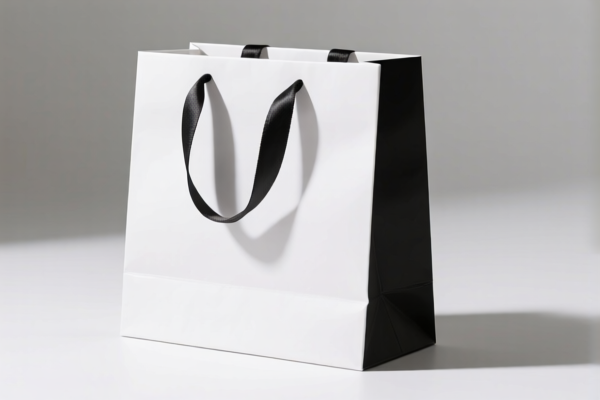
商品图片



AI分析
🍷 Wine Gift Bag (Paper & Plastics Packing Containers)
🌐 HS Code Reference & Customs Clearance Guide | 2026 Latest Tariff Analysis | Professional Clearance Strategy
📌 I. Product Definition & Classification: What Exactly is a "Wine Gift Bag"?
A "Wine Gift Bag" is not a single, unified HS Code product. In international trade, it is categorized based on its primary material composition. Customs authorities strictly differentiate between paper-based packaging and plastic-based packaging. Misclassification leads to severe tariff discrepancies.
Paper-Based Gift Bags: Made from paper, paperboard, cellulose wadding, or webs of cellulose fibers. These include folded cartons, rigid boxes, and bag-style packaging made of paper/paperboard. Plastic-Based Gift Bags: Made from polymers (e.g., polyethylene, polypropylene). These include sacks, bags, cones, and flexible containers.
⚠️ Key Distinction:
- If the bag is paper or paperboard (even with plastic handles or windows) → Chapter 48
- If the bag is plastic (flexible film/sack) → Chapter 39
- Do NOT classify rigid plastic wine boxes as "bags." Those often fall under Chapter 42 or 39 depending on structure, but flexible plastic bags are strictly 3923.21.
📦 II. HS Code Classification Details (2026 Latest Tariff Authority Reference)
Based on the provided data, here are the specific HS Codes for Wine Gift Bags, categorized by material:
| HS Code | Product Description | Material Type | Application Scenario |
|---|---|---|---|
4819.20.00.20 |
Folding cartons, boxes, and cases of non-corrugated paper or paperboard: Sanitary food and beverage containers | Paper / Paperboard | Rigid paper boxes, folded cartons, gift boxes made of thick paperboard. |
4819.50.20.00 |
Other packing containers (including record sleeves): Sanitary food and beverage containers | Paper / Paperboard | Other paper-based containers for food/beverage (e.g., complex paper structures). |
3923.21.00.80 |
Sacks and bags of polymers of ethylene: With no single side exceeding 75 mm in length | Plastic (Polyethylene) | Small plastic wine bags, small flexible pouches. |
3923.21.00.95 |
Sacks and bags of polymers of ethylene: Other | Plastic (Polyethylene) | Standard-sized plastic wine gift bags, larger flexible plastic sacks. |
4202.92.93.15 |
Other containers (including traveling bags, toiletry bags, etc.) of leather/plastics/textile/vulcanized fiber/paperboard: Jewelry boxes of a kind normally sold at retail with their contents | Textile / Composite / Leather | Note: This is for jewelry boxes, NOT wine bags. Exclude unless misclassified. |
4202.92.08.07 |
Insulated food or beverage bags: With outer surface of textile materials: Of man-made fibers | Textile (Man-made Fibers) | Fabric wine tote bags, insulated cooler bags for wine. |
🔍 Critical Reminder:
- Paper Bags: Always look at HS 4819. If it’s a "sanitary food and beverage container," it likely falls under.20or.50. - Plastic Bags: Look at HS 3923.21. The distinction is based on length (≤75mm vs. >75mm). Most wine bags are >75mm, so3923.21.00.95is common. - Fabric/Insulated Bags: Look at HS 4202.92.08.07. If it’s a tote bag made of non-woven fabric or nylon for carrying wine, it falls here.
💰 III. 2026 Latest Tariff Rate Breakdown (Including Additional Duties)
✅ Applicable Country: United States (US)
✅ Country of Origin: China (CN)
✅ Effective Date: 2025/2026 (Current Trade Policy)
🎯 1. 4819.20.00.20 / 4819.50.20.00 —— Paper/Paperboard Wine Gift Bags
| Item | Detail |
|---|---|
| Base Tariff | 0.0% (Ad Valorem) |
| Additional Tariff (Section 301) | +25.0% |
| Total Tariff Rate | 25.0% |
| Calculation Basis | CIF Value × 25% |
| De Minimis Exemption | ❌ Not Eligible (Section 301 duties apply to all shipments regardless of value) |
| Legal Path | USITC:4819.20.00.20 → FOOTNOTE:9903.88.01 (Section 301) |
📌 Explanation:
- Paper packaging from China is subject to a 25% additional tariff under Section 301. - Even though the base tariff is 0%, the 25% additional duty makes it expensive. - No de minimis exemption (no $800 threshold relief) for these goods from China.
🎯 2. 3923.21.00.80 / 3923.21.00.95 —— Plastic Wine Bags (Polyethylene)
| Item | Detail |
|---|---|
| Base Tariff | 3.0% (Ad Valorem) |
| Additional Tariff (Section 301) | +25.0% |
| Total Tariff Rate | 28.0% |
| Calculation Basis | CIF Value × 28% |
| De Minimis Exemption | ❌ Not Eligible |
| Legal Path | USITC:3923.21.00.xx → FOOTNOTE:9903.88.01 (Section 301) |
📌 Explanation:
- Plastic bags have a 3% base tariff plus 25% additional duty. - Total cost impact is 28%, which is higher than paper bags (25%). - Plastic packaging is often viewed as single-use and may face additional environmental scrutiny in some jurisdictions, but in the US, the tariff is purely based on origin (China).
🎯 3. 4202.92.08.07 —— Insulated/Fabric Wine Tote Bags
| Item | Detail |
|---|---|
| Base Tariff | 0.0% (Ad Valorem) |
| Additional Tariff (Section 301) | +0.0% |
| Total Tariff Rate | 0.0% |
| Calculation Basis | CIF Value × 0% |
| De Minimis Exemption | ✅ Eligible (If value < $800) |
| Legal Path | USITC:4202.92.08.07 → No Section 301 footnote applies |
📌 Explanation:
- This is the BEST tariff class!
- Insulated food/beverage bags made of man-made fibers (textile) are NOT subject to Section 301 additional duties. - Total Tariff: 0% for China-origin goods. - Strategy: If possible, manufacture or source insulated tote bags instead of simple plastic/paper bags to save 25-28% in duties.
🛠️ IV. Customs Clearance Practical Advice (Real-World Pitfall Guide)
✅ 1. Documentation Checklist (Mandatory)
| Document | Required? | Notes |
|---|---|---|
| ✅ Commercial Invoice | ✔️ | Must clearly state "Wine Gift Bag" and material (e.g., "Paper," "Polyethylene," "Non-woven Fabric"). |
| ✅ Packing List | ✔️ | Show quantity, weight, and dimensions. |
| ✅ Material Specification | ✔️ | Crucial for Paper vs. Plastic vs. Fabric. Customs may ask for lab tests if material is ambiguous. |
| ✅ Product Photos | ✔️ | Clear images of the bag, showing handles, lining, and material texture. |
| ✅ Origin Certificate (CO) | ✔️ | If claiming benefits elsewhere (not US, since US has no FTA with China). |
✅ 2. Classification Tips (Key Mantra)
🔥 "Material Matters, Not Just Shape!"
| Scenario | Correct HS Code | Wrong Code | Risk |
|---|---|---|---|
| Paper Bag with plastic window | 4819.20.00.20 (25%) |
3923.21.00.95 (28%) |
Overpayment of 3% |
| Plastic Bag (Shiny, flexible) | 3923.21.00.95 (28%) |
4819.20.00.20 (25%) |
Underpayment → Penalty + Back Duties |
| Fabric Tote Bag (Insulated) | 4202.92.08.07 (0%) |
3923.21.00.95 (28%) |
Major Savings (28% vs 0%) |
| Jewelry Box (Rigid) | 4202.92.93.15 (0%) |
4819.20.00.20 (25%) |
Misclassification if sold with jewelry |
💡 Pro Tip:
- If your product is a reusable fabric tote bag for wine, always classify as4202.92.08.07. It saves 28% in duties compared to plastic. - If it’s a disposable paper bag, it’s4819.20.00.20(25%). - If it’s a disposable plastic bag, it’s3923.21.00.95(28%).
✅ 3. Special Cases
| Case | Handling Advice |
|---|---|
| Bag with Handles | If handles are paper/string → Still Paper (4819). If handles are plastic → Still Paper (4819) unless the bag body is plastic. |
| Insulated Lining | If the bag has foam/plastic lining but outer is fabric → 4202.92.08.07 (0%). This is key for cost-saving. |
| Mixed Packaging | If shipping paper boxes AND plastic bags together, separate lines on the invoice. Do not combine into one HS Code. |
| De Minimis ($800) | Only applicable for fabric/insulated bags (4202.92.08.07). Plastic and paper bags from China do not qualify for de minimis exemption. |
🌍 V. Global Market Comparison (2026)
| Market | Recommended HS Code | Tariff (China Origin) | Notes |
|---|---|---|---|
| 🇺🇸 USA | 4202.92.08.07 (Fabric) |
0% | Best option. Avoid plastic/paper if possible. |
| 🇺🇸 USA | 4819.20.00.20 (Paper) |
25% | Standard paper bag tariff. |
| 🇺🇸 USA | 3923.21.00.95 (Plastic) |
28% | Highest duty. Avoid if possible. |
| 🇪🇺 EU | Various | Varies (0-6%) | No Section 301 equivalent. EPR (Extended Producer Responsibility) applies for packaging waste. |
| 🇬🇧 UK | Various | Varies (0-6%) | Post-Brexit tariffs. Similar to EU. |
📌 Conclusion:
- For US imports, Fabric/Insulated Bags are the most cost-effective due to 0% tariff. - Paper and Plastic bags from China face 25-28% duties. - Consider sourcing fabric wine totes from Vietnam or India to further reduce costs if applicable.
📌 VI. Common Errors & Pitfalls (Lessons Learned)
❌ Error 1: Classifying a fabric tote bag as a plastic bag (3923.21)
👉 Consequence: Pay 28% instead of 0%.
✅ Fix: Check material. If outer is textile, use 4202.92.08.07.
❌ Error 2: Claiming De Minimis for paper bags
👉 Consequence: Customs seizes shipment, imposes penalties.
✅ Fix: Paper bags from China do not qualify for $800 exemption.
❌ Error 3: Using vague description "Gift Bag"
👉 Consequence: Customs delays for classification review.
✅ Fix: Use precise description:
- "Paper Wine Gift Box, Non-Corrugated"
- "Plastic Wine Bag, Polyethylene, >75mm Length"
- "Insulated Wine Tote Bag, Non-Woven Fabric"
🎯 VII. Conclusion: Smart Classification, Smart Savings!
🎯 Remember the Mantra:
🔹 "Fabric Zero, Paper Twenty-Five, Plastic Twenty-Eight!"
🔹 "Material Defines Tariff, Not Just Function!"
📌 Tips:
- If you are importing reusable wine tote bags, insist on fabric/non-woven material and classify under 4202.92.08.07 for 0% duty.
- For disposable packaging, expect 25-28% duties. Factor this into your pricing model.
- Always provide material breakdown on the invoice.
📣 Immediate Action:
📞 Consult your customs broker to confirm material classification.
📸 Take clear photos of the material texture (fabric vs. plastic vs. paper).
🚀 Optimize your supply chain to leverage the 0% tariff on fabric bags!
✨ Professional clearance starts with precise classification!
💼 Every percentage point saved is pure profit!
用户评价
关于 HS 编码归类
协调制度(HS)是由世界海关组织(WCO)制定的国际贸易商品分类标准。全球 200 多个国家采用 HS 系统作为海关关税、贸易统计和进出口监管的基础。
每个 HS 编码遵循以下层级结构:
- 章(2 位)——商品大类(例如:第 84 章:机器和机械设备)
- 品目(4 位)——章内的更具体分类
- 子目(6 位)——国际通用细分,所有 WCO 成员国统一使用
- 本国细分(8-10 位)——各国自行扩展的细分编码,如美国 HTSUS 10 位编码
正确的 HS 编码归类对于顺利通关、准确缴纳关税和遵守贸易法规至关重要。错误归类可能导致海关延误、多缴关税或罚款。
从CN进口到US时,适用的关税税率可能包括:
- 最惠国(MFN)税率——适用于 WTO 成员国的标准关税税率
- 普通税率——适用于无贸易协定国家
- 贸易救济关税——附加关税,如 301 条款(反倾销)、232 条款(国家安全)或反补贴税
本页内容仅供参考。如需正式归类,请咨询当地海关或持牌报关代理。