Wireless Car Wash Machine
CN → US| HS编码 | 关税税率 | 原产国 | 目的国 | 文档 |
|---|---|---|---|---|
| 8424209000 | 35.0% | CN | US | 官方文档 |
| 8509805095 | 14.2% | CN | US | 官方文档 |
| 8509801000 | 10.0% | CN | US | 官方文档 |
| 8424899000 | 36.8% | CN | US | 官方文档 |
商品图片
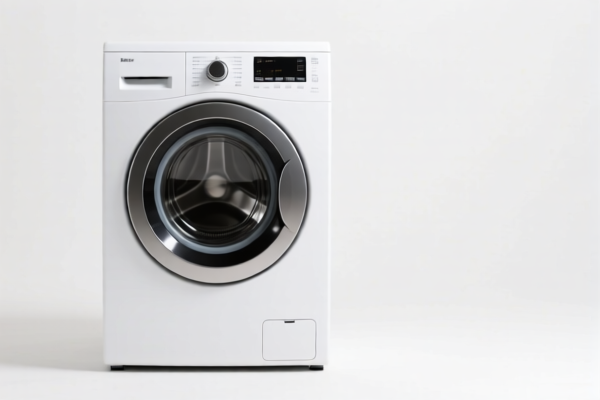
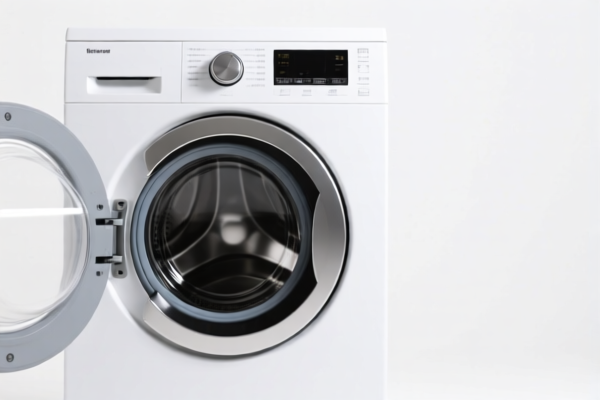
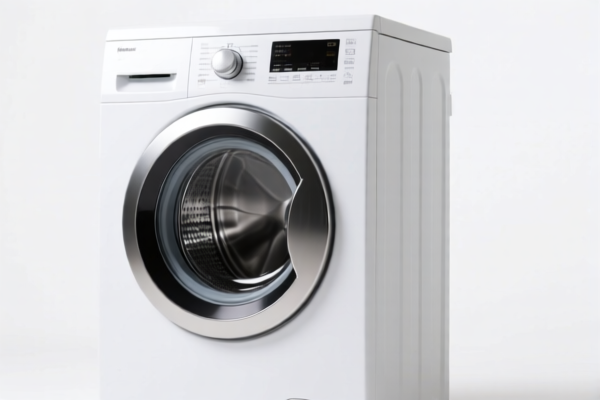
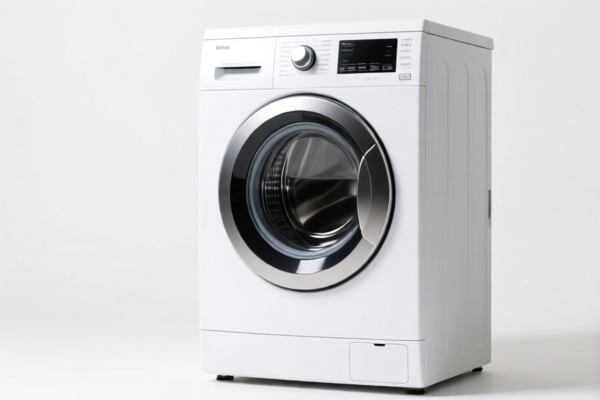
AI分析
🚿 Wireless Car Wash Machine (Portable Pressure Washer)
🌐 HS Code Reference & Customs Clearance Guide | 2026 Latest Tariff Analysis | Professional Strategy
📌 I. Product Definition & Classification: Understanding the "Wireless Car Wash"
A Wireless Car Wash Machine is essentially a high-pressure water jetting device powered by an onboard rechargeable battery or motor. In international trade, its classification hinges on two key factors: 1. Function: Is it primarily a mechanical jetting device (Chapter 84) or an electric household appliance (Chapter 85)? 2. Power Source: Is it "self-propelled" (electric motor driven) or purely mechanical/hydraulic?
⚠️ Key Classification Logic: - If the device is primarily viewed as a mechanical tool for spraying/dispersing liquid without being classified as a specific household appliance → Chapter 84. - If the device is viewed as a small electric household/portable appliance driven by a motor → Chapter 85.
📦 II. HS Code Classification Details (Based on Provided Data)
According to the provided , there are four specific HS Codes and tax implications for this product. Below is the detailed breakdown of why it falls into these categories and the corresponding tax rates.
| HS Code | Product Description & Logic | Total Tax Rate | Tax Detail Breakdown |
|---|---|---|---|
| 8424.20.90.00 | Mechanical Jetting Device The car washer is considered a mechanical device for spraying/dispersing liquid, fitting the definition of "spray guns and similar apparatus." |
35.0% | Base Duty: 0.0% Add'l Tariff (Sec 301): 25.0% 122 Clause Tariff: 10% |
| 8509.80.50.95 | Electric Household/Portable Appliance The car washer is considered a portable electric appliance with its own motor, fitting the "other" category for household/portable appliances. |
14.2% | Base Duty: 4.2% Add'l Tariff: 0.0% 122 Clause Tariff: 10% |
| 8509.80.10.00 | Electric Small Mechanical Appliance The car washer is considered a motor-driven household/small electric mechanical appliance, fitting the "other appliances" catch-all logic. |
10.0% | Base Duty: 0.0% Add'l Tariff: 0.0% 122 Clause Tariff: 10% |
| 8424.89.90.00 | Other Mechanical Jetting Device The car washer is considered a mechanical device for spraying/dispersing liquid/powder, fitting the broader definition of mechanical appliances in this chapter. |
36.8% | Base Duty: 1.8% Add'l Tariff (Sec 301): 25.0% 122 Clause Tariff: 10% |
💰 III. Detailed Tax Clause Explanation
🎯 1. 8424.20.90.00 & 8424.89.90.00 — The "Mechanical" Route
- Logic: These codes classify the car wash machine as a mechanical device (Chapter 84) rather than an electrical appliance. The focus is on the function of spraying or dispersing liquid.
- Tax Composition:
- Base Duty: Ranges from 0% to 1.8%.
- Add'l Tariff (Section 301): 25.0%. This is a significant penalty for Chinese-origin goods classified under Chapter 84.
- 122 Clause Tariff: 10%. An additional punitive tariff applicable to these specific goods.
- Total: 35.0% or 36.8%.
- Implication: High Tariff Risk. Avoid this classification if possible due to the 25% Section 301 duty.
🎯 2. 8509.80.50.95 — The "Electric Appliance" Route (Mid-Tax)
- Logic: This code classifies the car wash machine as a household or portable electric appliance (Chapter 85). It acknowledges the electric motor as the primary driving force for the appliance.
- Tax Composition:
- Base Duty: 4.2%.
- Add'l Tariff: 0.0%. Crucially, this category often enjoys exemption from the Section 301 25% tariff.
- 122 Clause Tariff: 10%.
- Total: 14.2%.
- Implication: Moderate Tariff. Better than Chapter 84, but still carries the 10% 122 clause penalty.
🎯 3. 8509.80.10.00 — The "Optimal" Electric Appliance Route
- Logic: Similar to above, this classifies the device as a motor-driven small electric mechanical appliance. It uses the "catch-all" logic for "other appliances" in the household/portable category.
- Tax Composition:
- Base Duty: 0.0%.
- Add'l Tariff: 0.0%. Exempt from Section 301.
- 122 Clause Tariff: 10%.
- Total: 10.0%.
- Implication: Lowest Tariff. This is the most cost-effective classification provided in the data.
🛠️ IV. Customs Clearance Recommendations
✅ 1. Strategic Classification Advice
- Priority Target: Aim for
8509.80.10.00(10% Total Tax).- Why? It combines a 0% base duty and 0% add'l tariff, with only the 10% 122 clause applied.
- Backup Plan: If
8509.80.10.00is rejected, try8509.80.50.95(14.2% Total Tax). - Avoid:
8424.*codes unless explicitly forced by customs due to product structure. The 25% Section 301 duty makes them significantly more expensive.
✅ 2. Required Documentation
- Product Specifications: Clearly state "Wireless," "Battery Powered," "Electric Motor," and "Pressure Washer."
- Power Rating: Include voltage (e.g., 12V/20V) and battery capacity (Ah).
- Usage Description: Emphasize "Household/Portable Use" to support Chapter 85 classification.
- Origin Certificate: Ensure the Certificate of Origin clearly states "Made in China" to prepare for the 122 Clause tax.
✅ 3. Common Pitfalls & Warnings
- Misclassification as "Tool" (Chapter 82/84): If customs views it as a mechanical tool without an electric motor (e.g., manual pump), it might fall into Chapter 84 with higher duties. Solution: Highlight the electric motor and battery.
- Ignoring the 122 Clause: All provided HS codes in the include a 10% 122 Clause Tariff. This is likely a specific punitive duty on certain Chinese goods. Solution: Factor this 10% cost into your pricing strategy regardless of the HS code.
- Splitting Shipment: Do not ship batteries separately if they are integral to the unit. Combined shipment with proper documentation prevents reclassification issues.
🌍 V. Global Market Comparison (Inferred)
| Market | Recommended HS Code (Based on Data) | Est. Total Tax | Notes |
|---|---|---|---|
| USA | 8509.80.10.00 |
10.0% | Best option due to 0% base + 0% Section 301. |
| USA (Alt) | 8509.80.50.95 |
14.2% | Acceptable if 8509.80.10.00 is unavailable. |
| USA (Avoid) | 8424.20.90.00 |
35.0% | Avoid due to 25% Section 301 penalty. |
📌 Conclusion: - The USA imposes significant additional tariffs (Section 301) on mechanical classifications (Chapter 84). - Classifying as an Electric Household Appliance (Chapter 85) is the key to minimizing costs. - The 10% 122 Clause Tariff is unavoidable based on the provided data, so budget for it in all scenarios.
📌 VI. Final Checklist for Exporters
- Confirm HS Code: Submit pre-classification request to customs broker for
8509.80.10.00. - Calculate Landed Cost: Include 10% (122 Clause) + 10% (Base if any) + Freight + Insurance.
- Mark Products: Ensure labels clearly indicate "Electric" and "Battery Operated" to support Chapter 85.
- Monitor Regulations: The 122 Clause and Section 301 rates may change. Check for updates before shipment.
🎯 Key Takeaway:
"Electrify to Save: Chapter 85 beats Chapter 84 by 25%!
Target8509.80.10.00for 10% total tax. Avoid8424codes to dodge the 25% penalty!"
✨ Professional Clearance, Starting from Accurate Classification!
💼 Your Every Dollar Deserves Precision!
用户评价
关于 HS 编码归类
协调制度(HS)是由世界海关组织(WCO)制定的国际贸易商品分类标准。全球 200 多个国家采用 HS 系统作为海关关税、贸易统计和进出口监管的基础。
每个 HS 编码遵循以下层级结构:
- 章(2 位)——商品大类(例如:第 84 章:机器和机械设备)
- 品目(4 位)——章内的更具体分类
- 子目(6 位)——国际通用细分,所有 WCO 成员国统一使用
- 本国细分(8-10 位)——各国自行扩展的细分编码,如美国 HTSUS 10 位编码
正确的 HS 编码归类对于顺利通关、准确缴纳关税和遵守贸易法规至关重要。错误归类可能导致海关延误、多缴关税或罚款。
从CN进口到US时,适用的关税税率可能包括:
- 最惠国(MFN)税率——适用于 WTO 成员国的标准关税税率
- 普通税率——适用于无贸易协定国家
- 贸易救济关税——附加关税,如 301 条款(反倾销)、232 条款(国家安全)或反补贴税
本页内容仅供参考。如需正式归类,请咨询当地海关或持牌报关代理。