Wireless Remote Control
CN → US| HS编码 | 关税税率 | 原产国 | 目的国 | 文档 |
|---|---|---|---|---|
| 8526925000 | 35.0% | CN | US | 官方文档 |
| 8543706000 | 35.0% | CN | US | 官方文档 |
| 8543709860 | 37.6% | CN | US | 官方文档 |
商品图片
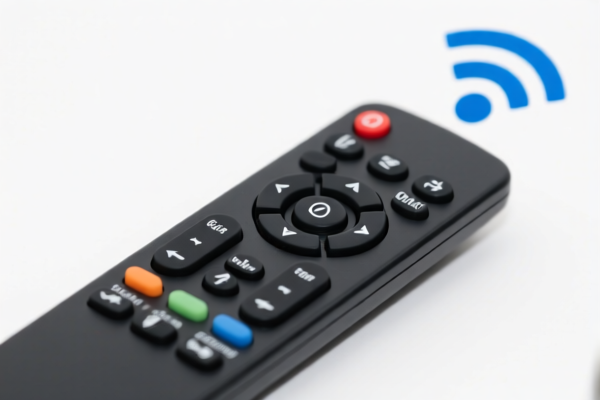
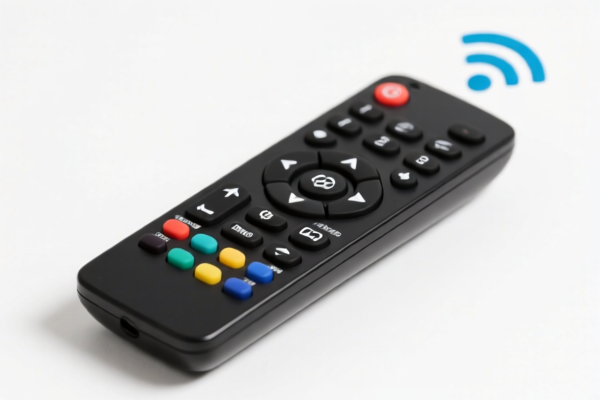
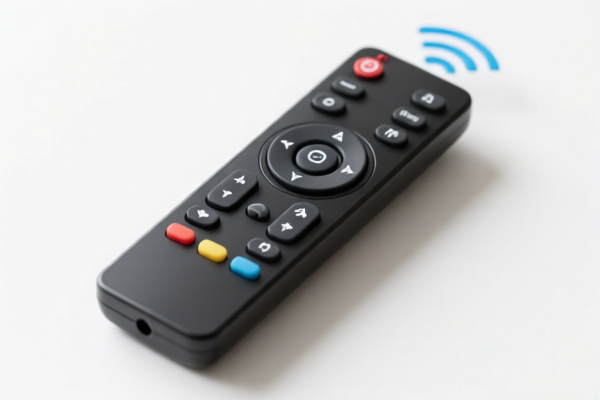
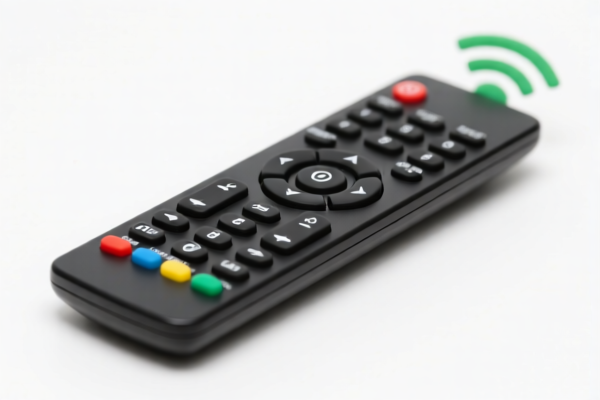
AI分析
📡 Wireless Remote Control (Radio Controlled)
🌐 HS Code Reference & Customs Clearance Guide | 2026 Latest Tariff Analysis | Strategic Compliance Strategy
📌 I. Product Definition & Classification: Do You Understand "Wireless Remote Control"?
A Wireless Remote Control is a device used to operate machinery, appliances, or electronic systems from a distance using radio frequency (RF) signals. In international trade, its classification depends heavily on its specific function and technical characteristics, rather than just its name. It generally falls into two main categories in the HS Code system:
- Measurement/Testing Devices (Heading 8526): Used for navigation, guidance, or controlling specific industrial processes where the remote acts as a transmitter/receiver for specific instruments.
- Electrical Machines/Devices (Heading 8543): Independent electrical devices that perform a function other than those specified in other chapters (e.g., general signal control, non-standard communication).
⚠️ Key Distinction Point:
- If the remote is part of a specific navigation or guidance system (like industrial automation controllers) → Consider 8526.
- If it is a general-purpose signal control device or independent electrical apparatus → Consider 8543.
- No material conflict exists for either classification, meaning plastic, metal, or PCB compositions do not alter the HS code choice.
📦 II. HS Code Classification Details (2026 Latest Tariff Authority Match)
Based on the provided data, the Wireless Remote Control is classified into three potential HS Codes depending on the specific functional interpretation:
| HS Code | Product Description | Application Scenario | Technical Logic |
|---|---|---|---|
8526.92.50.00 |
Wireless Remote Control (Other Category) | Matches name with "Radio Control Instruments"; falls under "Other" categories. | Function aligns with radio control instruments; no material conflict. |
8543.70.60.00 |
Wireless Remote Control (Signal Control) | Fits "Radio Signal Control Devices"; categorized under Radio Communication/Control equipment. | Purpose matches wireless signal control; belongs to radio communication/control class. |
8543.70.98.60 |
Wireless Remote Control (Independent Electrical Device) | Reference code for "Other" categories; classified as an independent electrical apparatus with specific functions. | Has independent functionality; material is non-conflicting. |
🔍 Key Reminder:
- All three codes share the same geopolitical tariff risks (US Import Duties), so the choice depends on customs auditor acceptance of the product's technical definition. -8526is often preferred for industrial/specific instrument remotes. -8543is often used for general consumer or independent signal devices.
💰 III. 2026 Latest Tariff Rate Detailed Explanation (Including Additional Duties)
✅ Applicable Country: United States (US)
✅ Country of Origin: China (CN)
✅ Effective Date: From November 10, 2025 (including subsequent imports)
🎯 1. 8526.92.50.00 —— Wireless Remote Control (Radio Control Instrument)
| Item | Content |
|---|---|
| Basic Tariff | 0.0% (ad valorem) |
| Section 301 Additional Duty | +25.0% (USITC Footnote) |
| IEEPA Additional Duty (Section 122) | +10.0% (Targeting Chinese products) |
| Total Tariff Rate | 35.0% |
| Tax Calculation | CIF Value × 35% |
| De Minimis Eligibility | ❌ Not Eligible (Strict enforcement for Chinese-origin goods under these codes) |
| Legal Basis Path | USITC:8526.92.50.00 → SECTION_301:Footnote → IEEPA:Section_122 |
📌 Explanation:
- Basic Rate 0%: Standard MFN rate for this subheading. - 301 Duty 25%: Applied due to US-China trade tensions (Section 301 investigations). - IEEPA 10%: Additional levy under the International Emergency Economic Powers Act. - Total 35%: This is a high-cost entry, requiring careful profit margin analysis.
🎯 2. 8543.70.60.00 —— Wireless Remote Control (Radio Signal Control)
| Item | Content |
|---|---|
| Basic Tariff | 0.0% |
| Section 301 Additional Duty | +25.0% |
| IEEPA Additional Duty (Section 122) | +10.0% |
| Total Tariff Rate | 35.0% |
| Tax Calculation | CIF × 35% |
| De Minimis Eligibility | ❌ Not Eligible |
| Legal Basis Path | USITC:8543.70.60.00 → SECTION_301:Footnote → IEEPA:Section_122 |
📌 Note:
- Identical tariff structure to8526.92.50.00. - Classification as "Radio Communication/Control" does not exempt it from trade remedies. - Suitable for remotes explicitly defined as signal control devices rather than general consumer goods.
🎯 3. 8543.70.98.60 —— Wireless Remote Control (Independent Electrical Device)
| Item | Content |
|---|---|
| Basic Tariff | 2.6% |
| Section 301 Additional Duty | +25.0% |
| IEEPA Additional Duty (Section 122) | +10.0% |
| Total Tariff Rate | 37.6% |
| Tax Calculation | CIF × 37.6% |
| De Minimis Eligibility | ❌ Not Eligible |
| Legal Basis Path | USITC:8543.70.98.60 → SECTION_301:Footnote → IEEPA:Section_122 |
📌 Warning:
- This code carries the highest total tariff (37.6%) due to a 2.6% base duty. - Only use this code if the product cannot be classified under8543.70.60.00or8526.92.50.00. - "Other" categories in 8543 often attract higher base rates unless specifically exempted.
🛠️ IV. Customs Clearance Practical Advice (Pitfall Avoidance Guide)
✅ 1. Required Documentation Checklist (Mandatory)
| Document | Must Provide | Description |
|---|---|---|
| ✅ Product Specifications | ✔️ | Detailed technical sheet: Frequency (2.4GHz/433MHz etc.), Protocol (Hopping/Static), Range. |
| ✅ Circuit Diagram / Block Diagram | ✔️ | To prove "Independent Electrical Device" vs. "Simple Switch". |
| ✅ Product Photos (Label & Interior) | ✔️ | Clear view of FCC ID (if applicable), Model No., Voltage. |
| ✅ Third-Party Test Report | ✔️ | FCC (USA), CE (EU), RoHS (Environmental). FCC is critical for RF devices. |
| ✅ Commercial Invoice | ✔️ | Must state: "Wireless Remote Control, Radio Frequency, Model [XYZ]". |
| ✅ Packing List | ✔️ | Itemized list of units, batteries (check lithium battery regulations if included). |
✅ 2. Declaration Techniques (Key Mantras)
🔥 "Function First, Frequency Clear, FCC Ready, Code Accurate!"
| Scenario | Correct Declaration Strategy | Incorrect Practice |
|---|---|---|
| Industrial Remote | Use 8526.92.50.00; describe as "Radio Control Instrument for Industrial Automation". |
Calling it "Toy Remote" → Leads to misclassification & penalties. |
| Consumer Device | Use 8543.70.60.00; describe as "Signal Control Device". |
Vague name "Remote Control" → Customs audit delay. |
| With Lithium Battery | Declare battery separately or as "Device with Battery"; provide MSDS. | Hiding battery info → Shipment Hold/Return. |
| Generic "Other" Code | Use 8543.70.98.60 only if others are definitively wrong. |
Using "Other" for standard devices → Higher Tax (37.6%). |
✅ 3. Special Case Handling
| Situation | Handling Advice |
|---|---|
| FCC ID Required | Ensure the device has an FCC ID printed on it. Without it, US Customs will refuse entry. |
| Lithium Batteries Included | Must comply with UN38.3 testing and DG (Dangerous Goods) declaration. |
| Private Label (OEM) | Provide letter of authorization from brand owner to avoid IP infringement claims at border. |
| Drop Shipping | Ensure the Shipper/Consignee details are clear; mismatches cause customs holds. |
🌍 V. Global Market Comparison (2026 Latest)
| Country/Region | Recommended HS Code | Tariff Rate (China Origin) | Certification Requirements | Notes |
|---|---|---|---|---|
| 🇺🇸 USA | 8526.92.50.00 / 8543.70.60.00 |
35.0% (Total) | FCC ID + RoHS | High trade barrier; IEEPA 10% applies. |
| 🇨🇳 China | 8526.92.50.00 / 8543.70.60.00 |
0% - 2.6% (Base) | CCC (if applicable) | Low duty; focus on domestic compliance. |
| 🇪🇺 EU | 8526.92.50.00 / 8543.70.60.00 |
0% - 4.0% | CE + RoHS + WEEE | No US-style retaliatory tariffs. |
| 🇬🇧 UK | 8526.92.50.00 |
0% - 4.0% | UKCA + RoHS | Post-Brexit rules apply. |
| 🇯🇵 Japan | 8543.70.60.00 |
0% | TELEC (for RF) | Strict RF regulations in Japan. |
📌 Conclusion:
- The USA is the most challenging market due to the 35% total tariff. - FCC Certification is non-negotiable for US entry. - Consider supply chain diversification (e.g., Vietnam, Mexico) if tariffs erode margins, as goods from these countries may be exempt from Section 301/IEEPA duties.
📌 VI. Common Errors & Pitfall Guide (Lessons Learned)
❌ Error 1: Misclassifying as "Toy" (9503)
👉 Consequence: If deemed a toy, it may face CPSC (Consumer Product Safety Commission) scrutiny and different duties. If it's an industrial remote, this is fraud.
❌ Error 2: Ignoring FCC Compliance
👉 Consequence: Seizure of goods at US border. No exceptions for RF devices.
❌ Error 3: Using "Other" (8543.70.98.60) without justification
👉 Consequence: Paying 37.6% instead of 35%. Customs auditors can challenge "Other" codes easily.
❌ Error 4: Omitting Battery Details
👉 Consequence: Shipment delayed or returned for violating IATA/DOE regulations.
✅ Correct Practice:
"Wireless Radio Remote Control, 2.4GHz, Model XYZ, FCC ID: ABC123, for Industrial Equipment Control, No Batteries Included."
🎯 VII. Conclusion: Professional Declaration Saves Money!
🎯 Remember the Mantra:
🔹 "FCC First, Code Precise, Tariff 35% is Real, Don't Guess!"
🔹 "HS Code Choice Matters: 35% vs 37.6%, Save What You Can!"
📌 Pro Tip:
If your wireless remote control is shipped from Vietnam, Mexico, or Malaysia, you may be exempt from the 35% US tariffs.
Recommendation: Apply for a Preliminary Ruling (Pre-classification) with US Customs (CBP) to secure your HS Code and duty rate before shipping.
📣 Immediate Action:
📞 Contact a licensed Customs Broker + Provide FCC Reports + Verify HS Code
🚀 Ensure your wireless remote controls clear US customs smoothly, avoid fines, and protect your profit margins!
✨ Professional Clearance Starts with Accurate Classification!
💼 Every percentage point of duty counts!
用户评价
关于 HS 编码归类
协调制度(HS)是由世界海关组织(WCO)制定的国际贸易商品分类标准。全球 200 多个国家采用 HS 系统作为海关关税、贸易统计和进出口监管的基础。
每个 HS 编码遵循以下层级结构:
- 章(2 位)——商品大类(例如:第 84 章:机器和机械设备)
- 品目(4 位)——章内的更具体分类
- 子目(6 位)——国际通用细分,所有 WCO 成员国统一使用
- 本国细分(8-10 位)——各国自行扩展的细分编码,如美国 HTSUS 10 位编码
正确的 HS 编码归类对于顺利通关、准确缴纳关税和遵守贸易法规至关重要。错误归类可能导致海关延误、多缴关税或罚款。
从CN进口到US时,适用的关税税率可能包括:
- 最惠国(MFN)税率——适用于 WTO 成员国的标准关税税率
- 普通税率——适用于无贸易协定国家
- 贸易救济关税——附加关税,如 301 条款(反倾销)、232 条款(国家安全)或反补贴税
本页内容仅供参考。如需正式归类,请咨询当地海关或持牌报关代理。