Wood Pellet Fuel (Household)
CN → US| HS编码 | 关税税率 | 原产国 | 目的国 | 文档 |
|---|---|---|---|---|
| 4401310000 | 35.0% | CN | US | 官方文档 |
| 2701190050 | 35.0% | CN | US | 官方文档 |
| 4402900100 | 35.0% | CN | US | 官方文档 |
| 4401320000 | 35.0% | CN | US | 官方文档 |
| 4402200000 | 35.0% | CN | US | 官方文档 |
商品图片


AI分析
🌲 Wood Pellet Fuel (Household)
🌐 HS Code Reference & Customs Clearance Guide | 2026 Latest Tariff Analysis | Professional Clearance Strategy
📌 I. Product Definition & Classification: Do You Really Understand "Wood Pellets"?
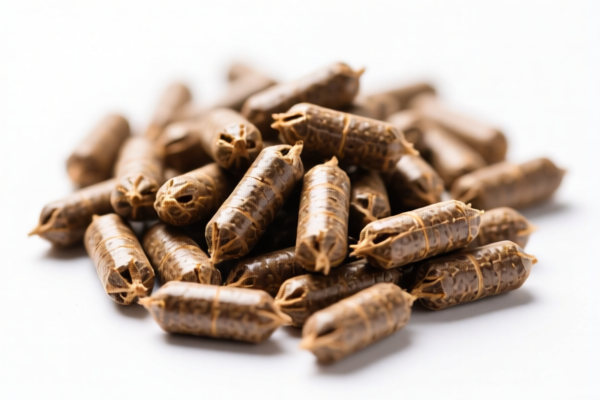
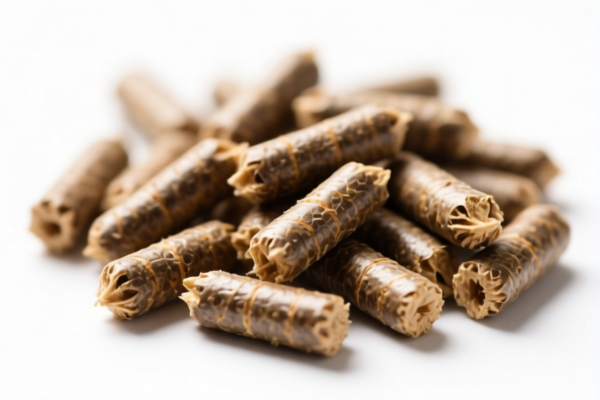
Wood pellet fuel is a solid biomass fuel processed from wood residue (sawdust, wood chips) through crushing, drying, and high-pressure extrusion. In international trade, it is primarily categorized based on its chemical treatment and physical form. For household use, it is generally defined as untreated or slightly processed woody biomass.
1. Processed Woody Biomass (Fuel):
- Compressed woody particles designed specifically for combustion.
- Includes standard wood pellets and briquettes intended for heating/cooking.
2. Unprocessed/Primary Charcoal Forms:
- Woody materials shaped into pellets but potentially classified under charcoal/wood derivatives if partially carbonized or unprocessed.
⚠️ Key Distinction Point:
- If the product is strictly wood residue compressed for fuel → It falls under 4401.3x (Wood fuel). - If the product is charcoal-like, partially carbonized, or generic "woody granules" → It may fall under 4402 (Charcoal/Woody derivatives). - If classified as generic solid biomass fuel not strictly defined as wood → It may fall under 2701.19 (Mineral fuels/Biomass mix).
📦 II. HS Code Classification Details (2026 Latest Authorized Tariff Match)
Based on the provided <DATA>, here are the exact HS Codes and their justifications for Wood Pellet Fuel (Household). All listed codes carry a Total Tax Rate of 35.0% for Chinese-origin goods entering the US market.
| HS Code | Summary / Classification Reason | Applicable Scenario |
|---|---|---|
4401.31.00.00 |
Wood pellet fuel, shaped as pellets, conforms to wood pellet classification. | Standard household wood pellets (untreated, compressed sawdust). |
4401.32.00.00 |
Wood pellets/briquettes, completely conforming to this code definition. | Compressed wood fuel, including briquettes and non-standard pellets. |
4402.20.00.00 |
Wood material granules, conforms to charcoal/wood derivative category. | Woody granules that may be slightly processed or considered wood derivatives. |
4402.90.01.00 |
Wood material granular products, conforms to primary form of charcoal. | Granular wood products near the stage of charcoal production or unprocessed woody biomass. |
2701.19.00.50 |
Solid fuel, granular form, belongs to other biomass fuel categories. | Biomass fuels not strictly defined as "wood" under Chapter 44, or mixed biomass solids. |
🔍 Important Note:
- All five HS Codes provided in the source data result in the same total tax rate of 35.0%. - The primary difference lies in the legal description and customs scrutiny. -4401.31.00.00and4401.32.00.00are the most accurate for standard wood pellets. -4402.xxand2701.19are used for borderline cases or specific biomass blends.
💰 III. 2026 Latest Tariff Rate Breakdown (Including Surtaxes & Policy Surcharges)
✅ Applicable Country: United States (US)
✅ Origin: China (CN)
✅ Effective Time: 2025+ (Current regime)
✅ Total Tax Rate: 35.0% (Applied uniformly to all listed HS Codes)
🎯 1. Universal Tax Structure for Wood Pellet Fuel
| Item | Content |
|---|---|
| Basic Tariff | 0.0% (Ad valorem) |
| Section 301 Surcharge | 25.0% (USITC Footnote related to China-origin goods) |
| Section 122 Tariff | 10.0% (Additional surcharge under specific trade provisions) |
| Total Tariff Rate | 35.0% |
| Tax Calculation | CIF Value × 35% |
| De Minimis Exemption | ❌ Not Applicable (deny_de_minimis) |
| Legal Basis Path | USITC:4401/4402/2701 → SECTION301:25% → SECTION122:10% → TOTAL:35% |
📌 Explanation:
- "Basic Tariff 0%": Wood pellets typically have a low or zero base MFN (Most Favored Nation) duty. - "Section 301 Surcharge 25%": Imposed on Chinese-origin goods under the US Trade Representative (USTR) Section 301 investigation. - "Section 122 Tariff 10%": Additional tariff under Section 122 of the Trade Act of 1974, often applied for national security or trade balance reasons. - Combined Impact: The effective tax rate is 35%, significantly increasing the cost of importing wood pellets from China to the US.
🛠️ IV. Customs Clearance Practical Advice (实战避坑指南)
✅ 1. Required Documentation Checklist (No Exception)
| Document | Mandatory? | Explanation |
|---|---|---|
| ✅ Product Specification Sheet | ✔️ | Must detail: Material composition (100% wood?), size (6mm/8mm?), moisture content (<10%), ash content, and heating value. |
| ✅ Safety Data Sheet (SDS) | ✔️ | Proves the product is non-hazardous and not treated with chemicals. |
| ✅ Commercial Invoice | ✔️ | Must clearly state: "Wood Pellets for Household Heating," HS Code, Origin (China), and Unit Price. |
| ✅ Packing List | ✔️ | Specify packaging type (bulk, 15kg bags, etc.) to verify volume/weight consistency. |
| ✅ Bill of Lading (B/L) | ✔️ | Ensure consignor/consignee details match invoice exactly. |
| ✅ Phytosanitary Certificate | ✔️ (Optional but Recommended) | Some ports may require proof of pest-free status, though wood pellets are often exempt if processed correctly. |
| ✅ Labeling | ✔️ | Bags should be labeled with HS Code, Origin, and Net Weight. |
✅ 2. Declaration Tips (Key Mantras)
🔥 "Accurate Description, No Ambiguity, Avoid 'Generic' Terms!"
| Scenario | Correct Declaration | Wrong Practice |
|---|---|---|
| Standard Wood Pellets | 4401.31.00.00 "Wood Pellet Fuel" |
Declaring as "Biomass Fuel" → Higher scrutiny |
| Mixed Biomass Pellets | 2701.19.00.50 "Solid Biomass Fuel" |
Declaring as "100% Wood" → Misclassification risk |
| Charcoal-like Granules | 4402.90.01.00 "Woody Granules" |
Declaring as "Food-grade Pellets" → Rejection |
| Bulk vs. Retail | Specify packaging type | Ignoring packaging details → Valuation disputes |
📌 Advice:
- Use precise terms like "Wood Pellets, Unprocessed, for Heating" rather than vague terms like "Green Fuel". - If using4402codes, ensure you can prove the product is not simply untreated wood but a derivative or charcoal-like product.
✅ 3. Special Cases & Risk Management
| Situation | Handling Advice |
|---|---|
| Moisture Content >10% | May be reclassified as raw wood → Different HS Code (4403/4407) → Different taxes. Ensure drying process is documented. |
| Chemical Treatment | If pellets are bonded with non-wood adhesives (e.g., starch, lignin), declare accurately. Excessive additives may change classification. |
| Parties in Interest | Ensure the US importer is clearly identified. Related-party transactions may trigger audit risks. |
| Port of Entry | Some ports (e.g., Los Angeles, New York) have strict biomass inspections. Choose ports with experienced biomass clearance teams. |
🌍 V. Global Market Clearance Comparison (2026 Latest)
| Country/Region | Recommended HS Code | Tariff (China Origin) | Certification Requirements | Notes |
|---|---|---|---|---|
| 🇺🇸 USA | 4401.31.00.00 |
35% (0% + 25% + 10%) | None specific, but phytosanitary may be asked | High tariffs due to Section 301 & 122 |
| 🇨🇳 China | 4401.31.00.00 |
0%~5% | None | Domestic production is competitive |
| 🇪🇺 EU | 4401.31.00 |
0%~2.5% | ENplus Certification (Quality Standard) | Strict sustainability criteria |
| 🇬🇧 UK | 4401.31.00 |
0% | UKCA (if applicable), ENplus | Post-Brexit rules apply |
| 🇯🇵 Japan | 4401.31.00 |
0%~3% | JIS A 6223 (Quality Standard) | High quality demands |
📌 Conclusion:
- USA imposes the highest effective tariff (35%) due to multiple surcharges. - EU, UK, Japan rely more on quality standards (ENplus, JIS) than high tariffs. - Chinese exporters to the US must factor in the 35% tax burden in pricing strategies.
📌 VI. Common Errors & Pitfalls (Blood & Tears Lessons)
❌ Error 1: Declaring "Wood Pellets" but providing no proof of material composition.
👉 Consequence: Customs may classify as "Raw Wood" (higher duty) or reject for lack of documentation.
❌ Error 2: Using vague terms like "Biomass" or "Green Energy Pellets" without specifying wood.
👉 Consequence: Delays in clearance, potential misclassification under 2701.19 or 4402, leading to audits.
❌ Error 3: Ignoring moisture content specifications.
👉 Consequence: If moisture >10%, customs may consider it "unprocessed wood," changing the HS Code and tax liability.
❌ Error 4: Failing to declare Section 301 and Section 122 surcharges correctly.
👉 Consequence: Underpayment of duties → Penalties, back taxes, and fines!
✅ Correct Practice:
"Wood Pellets, 6mm diameter, 100% hardwood, moisture <10%, packaged in 15kg bags, HS Code 4401.31.00.00, Origin China"
🎯 VII. Conclusion: Professional Declaration, Save Time, Reduce Costs!
🎯 Remember the Mantra:
🔹 "Wood Pellets are Simple, but Taxes are Complex!"
🔹 "35% Total Tax (0+25+10) – Plan Ahead!"
🔹 "Specify 'Wood', Not 'Biomass' – Avoid Misclassification!"
📌 Tips:
- If your wood pellets are sourced from Vietnam, Malaysia, or Brazil, they may avoid Section 301 tariffs, reducing the total tax to 10% (Section 122 only) or 0% (depending on current policies).
- Pre-ruling (Advance Ruling): Consider applying for a US Customs Ruling before bulk shipments to confirm the HS Code and tariff liability.
📣 Immediate Action:
📞 Contact a professional customs broker + Provide Product Specs + Verify HS Code 4401.31.00.00
🚀 Ensure your Wood Pellets clear customs smoothly, avoiding costly delays and taxes!
✨ Professional Clearance Starts with Accurate Classification!
💼 Your Every Dollar is Worth Calculating!
用户评价
关于 HS 编码归类
协调制度(HS)是由世界海关组织(WCO)制定的国际贸易商品分类标准。全球 200 多个国家采用 HS 系统作为海关关税、贸易统计和进出口监管的基础。
每个 HS 编码遵循以下层级结构:
- 章(2 位)——商品大类(例如:第 84 章:机器和机械设备)
- 品目(4 位)——章内的更具体分类
- 子目(6 位)——国际通用细分,所有 WCO 成员国统一使用
- 本国细分(8-10 位)——各国自行扩展的细分编码,如美国 HTSUS 10 位编码
正确的 HS 编码归类对于顺利通关、准确缴纳关税和遵守贸易法规至关重要。错误归类可能导致海关延误、多缴关税或罚款。
从CN进口到US时,适用的关税税率可能包括:
- 最惠国(MFN)税率——适用于 WTO 成员国的标准关税税率
- 普通税率——适用于无贸易协定国家
- 贸易救济关税——附加关税,如 301 条款(反倾销)、232 条款(国家安全)或反补贴税
本页内容仅供参考。如需正式归类,请咨询当地海关或持牌报关代理。