Wood Pellet Fuel Storage Block
CN → US| HS编码 | 关税税率 | 原产国 | 目的国 | 文档 |
|---|---|---|---|---|
| 7309000030 | 85.0% | CN | US | 官方文档 |
| 7309000090 | 85.0% | CN | US | 官方文档 |
| 4401310000 | 35.0% | CN | US | 官方文档 |
| 4401394210 | 35.0% | CN | US | 官方文档 |
商品图片
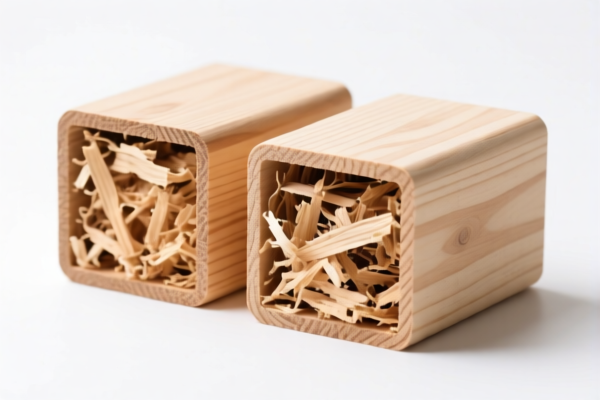
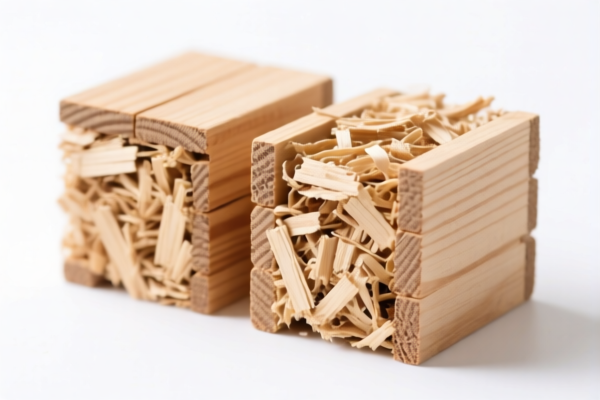
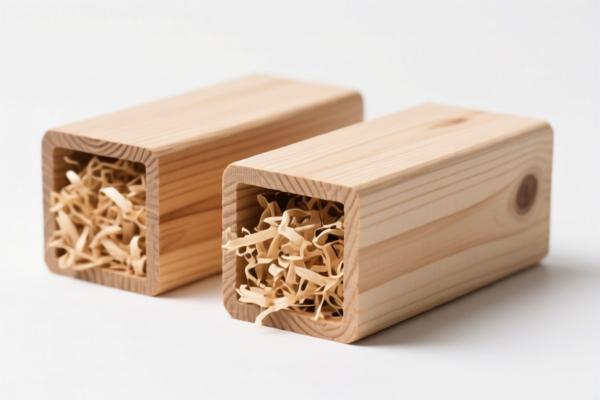
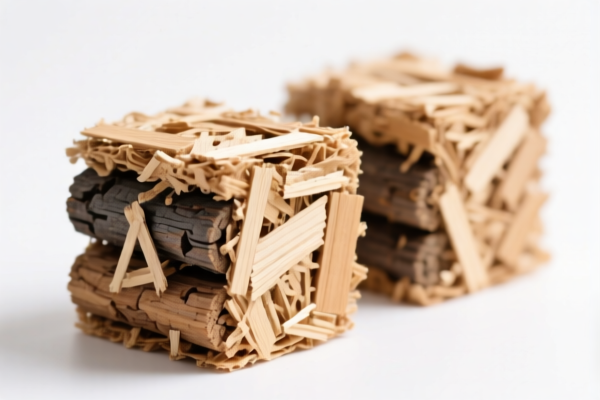
AI分析
🪵 Wood Pellet Fuel Storage Block (Industrial/Commercial)
🌐 HS Code Reference & Customs Clearance Guide | 2026 Latest Tariff Analysis | Professional Entry Strategy
📌 I. Product Definition & Classification: What Exactly Is a "Storage Block"?
The term "Wood Pellet Fuel Storage Block" is ambiguous in international trade and requires strict decomposition based on the physical nature of the imported item. In customs classification, items are classified by their material composition and function, not just their descriptive name.
There are two distinct scenarios for this description:
-
Scenario A: The Container (Steel Tank/Block Structure)
- If the "Block" refers to a steel reservoir, tank, or vat designed to store wood pellets (and other materials), with a capacity exceeding 300 liters.
- Key Characteristic: It is an iron/steel container, empty, without mechanical/thermal equipment.
- Classification Basis: Chapter 73 (Articles of Iron or Steel).
-
Scenario B: The Content (Agglomerated Wood Fuel)
- If the "Block" refers to the wood pellets themselves that have been agglomerated into blocks/briquettes (rather than loose cylinders) for fuel.
- Key Characteristic: It is fuel wood, in agglomerated form (logs, briquettes, pellets).
- Classification Basis: Chapter 44 (Wood and Articles of Wood).
⚠️ Critical Distinction Point:
- If you are importing the steel tank to hold the pellets → Look at HS Code 7309.
- If you are importing the wood fuel inside → Look at HS Code 4401.
- Do not mix these in one line item. Customs will reject ambiguous descriptions.
📦 II. HS Code Classification Details (2026 Latest Tariff Authority Cross-Reference)
Based on the provided data, the product fits into two potential categories depending on whether you are importing the container or the fuel.
Case 1: The Steel Storage Container (Tank/Vat)
| HS Code | Product Description | Application Scenario | Capacity Constraint |
|---|---|---|---|
7309.00.00.30 |
Reservoirs, tanks, vats... of iron or steel, capacity exceeding 300 liters, for compressed/liquefied gas? (Note: Description says "for any material (other than compressed or liquefied gas)... Tanks") |
Industrial steel silos, large bulk storage tanks for wood pellets. | > 300 Liters |
7309.00.00.90 |
Reservoirs, tanks, vats... of iron or steel, capacity exceeding 300 liters, Other | General steel storage tanks not fitting specific "gas" subcategories; general purpose steel vats. | > 300 Liters |
🔍 Key Reminder for Steel Tanks:
- Must be made of Iron or Steel.
- Capacity must exceed 300 liters. If ≤300L, it falls under different headings (e.g., 7321 or 7310).
- Must not be fitted with mechanical or thermal equipment (e.g., no heating coils, no stirring motors). If it has them, it may be classified as machinery (Chapter 84).
Case 2: The Wood Pellet Fuel (The Fuel Itself)
| HS Code | Product Description | Application Scenario | Form |
|---|---|---|---|
4401.31.00.00 |
Sawdust, wood waste, scrap, agglomerated... Wood Pellets | Standard cylindrical wood pellets used for heating. | Cylindrical Pellets |
4401.39.42.10 |
Sawdust, wood waste, scrap, agglomerated... Other: Other Sawdust | Agglomerated wood in forms other than standard pellets (e.g., blocks, briquettes, or irregular agglomerates). | Blocks/Briquettes |
🔍 Key Reminder for Wood Fuel:
- Must be fuel wood (logs, chips, particles, waste).
- Must be agglomerated (pressed together with or without binders).
- If it is standard "pellets" →4401.31.00.00.
- If it is pressed into "blocks" or other shapes →4401.39.42.10.
💰 III. 2026 Latest Tariff Rate Details (Including Surcharges)
✅ Applicable Country: United States (US)
✅ Country of Origin: China (CN)
✅ Effective Date: 2025/2026 Current Rates
🎯 1. Steel Storage Tanks (7309.00.00.30 / 7309.00.00.90)
| Item | Details |
|---|---|
| Base Tariff | 0.0% (Ad Valorem) |
| Section 301 Surcharge (Steel/Aluminum/Copper Products) | +50% |
| Additional Surcharge (25%) | +25% (General Steel/Aluminum/Copper surcharge as per data) |
| Total Tariff Rate | 75.0% |
| Tax Calculation | CIF Value × 75% |
| De Minimis Exemption | ❌ NOT Eligible |
| Legal Basis Path | Section 301: Steel/Aluminum/Copper → 7309.00.00.30/90 |
📌 Explanation:
- Steel containers are subject to the highest tier of trade war tariffs.
- The description explicitly states "Steel, Aluminum, Copper Products Surcharges: 50%".
- Combined with the standard 25% add-on, the total duty is 75%. This is a prohibitive tariff level.
🎯 2. Wood Pellet Fuel (4401.31.00.00 / 4401.39.42.10)
| Item | Details |
|---|---|
| Base Tariff | 0.0% (Ad Valorem) |
| Section 301 Surcharge | +25% |
| Additional Surcharge | None specified in the provided data for wood (only 25%) |
| Total Tariff Rate | 25.0% |
| Tax Calculation | CIF Value × 25% |
| De Minimis Exemption | ❌ NOT Eligible (Usually de minimis does not apply to Section 301 goods from China) |
| Legal Basis Path | Section 301: 4401.31.00.00 / 4401.39.42.10 |
📌 Explanation:
- Wood products are subject to a 25% surcharge.
- Unlike steel, wood pellets do not attract the extra 50% steel/aluminum surcharge.
- Total cost impact: 25%.
🛠️ IV. Customs Clearance Practical Advice (实战避坑指南)
✅ 1. Preparation Checklist (Essential Documents)
| Document | Required? | Notes |
|---|---|---|
| ✅ Product Specification Sheet | ✔️ | Must clearly state: 1. For Tanks: Material (Steel Grade), Capacity (Liters), Dimensions, Empty Weight. 2. For Pellets: Moisture Content (<10%), Ash Content, Density, Heat Value. |
| ✅ Commercial Invoice | ✔️ | Must distinguish between the container and the fuel if imported together. Do not combine them in one line. |
| ✅ Packing List | ✔️ | Separate packing lists for tanks and pellets are recommended. |
| ✅ Certificate of Origin (CO) | ✔️ | Crucial for verifying China origin to assess tariff eligibility. |
| ✅ Fuel Safety Data Sheet (MSDS) | ✔️ | For wood pellets: Confirm non-hazardous, non-flammable in transport (though combustible, not dangerous goods unless wet/fermenting). |
✅ 2. Classification Strategy (Key Mantra)
🔥 "Container is Steel (75%), Fuel is Wood (25%). Separate Lines, Save Money!"
| Situation | Correct HS Code | Risk of Wrong Code |
|---|---|---|
| Importing Steel Tank only | 7309.00.00.30 or .90 |
⚠️ High Risk: Misclassifying as furniture or machinery could lead to severe penalties. |
| Importing Wood Pellets only | 4401.31.00.00 (Pellets) or .10 (Blocks) |
⚠️ Medium Risk: If declared as "Wood Logs", tariff may differ. Must specify "Agglomerated". |
| Importing Tank + Pellets Together | Two Separate Lines | ⚠️ High Risk: If combined, Customs may assess the higher rate (75%) on the entire value if not clearly separated. |
✅ 3. Special Notes for Clearance
- Capacity Threshold: For steel tanks (
7309), if the capacity is ≤ 300 liters, the HS Code changes entirely (likely to7321or7310). Ensure your specs explicitly state > 300 Liters. - Form of Wood: For wood pellets, if the shape is not cylindrical but square/rectangular "blocks", use
4401.39.42.10. If cylindrical, use4401.31.00.00. - Labeling: The steel tank should be marked with "Capacity: XXXX Liters" and "Material: Steel".
🌍 V. Global Market Comparison (2026)
| Country/Region | Recommended HS Code | Tariff (China Origin) | Notes |
|---|---|---|---|
| 🇺🇸 USA | 7309.00.00.30/90 (Tank) 4401.31.00.00 (Fuel) |
75% (Tank) 25% (Fuel) |
Highest cost market. Steel tanks are heavily taxed. |
| 🇨🇳 China | 7309.00.00.30/90 4401.31.00.00 |
~5-10% (Tank) ~0% (Fuel) |
Lower tariffs for domestic trade. |
| 🇪🇺 EU | 7309.00.00 4401.31.00 |
~2.5% (Tank) 0% (Fuel) |
No Section 301 surcharges. Much more favorable for steel. |
📌 Conclusion:
- USA is the most expensive market for Steel Storage Tanks (75% duty).
- Wood Pellets are also taxed at 25% in the USA, but this is lower than steel.
- Consider sourcing steel tanks from non-China origins (e.g., Vietnam, Mexico) to mitigate the 50% steel surcharge if importing to the US.
📌 VI. Common Mistakes & Pitfalls (Blood & Tears Lessons)
❌ Mistake 1: Declaring the Steel Tank as "Furniture" or "Metal Shelving".
👉 Consequence: HS Code mismatch, detention, and fines. Steel vats >300L are strictly 7309.
❌ Mistake 2: Declaring Wood Pellets as "Wood Chips" or "Sawdust" without specifying "Agglomerated".
👉 Consequence: Classification error. "Chips" and "Sawdust" have different subheadings (4401.21, 4401.22). Must specify Agglomerated.
❌ Mistake 3: Combining Tank and Fuel in one invoice line.
👉 Consequence: Customs may apply the highest applicable tariff (75%) to the entire shipment value.
👉 Solution: Always separate Container and Content into different line items.
❌ Mistake 4: Ignoring the 300-Liter Threshold.
👉 Consequence: If the tank is 299 liters, it falls under 7321 or other codes with different duties. Be precise!
🎯 VII. Conclusion: Precise Classification, Cost Control
🎯 Remember the Mantra:
🔹 "Steel Tank > 300L? Expect 75% Duty!"
🔹 "Wood Pellets? Expect 25% Duty!"
🔹 "Separate Lines, Save Half the Money!"
📌 Pro Tip:
If you are a US importer, the 75% tariff on steel tanks is extremely high. Consider:
1. Sourcing tanks from countries not subject to the steel surcharge.
2. Using local US/EU manufacturers for tanks.
3. If the tank is < 300L, reclassify to see if a lower duty code applies (e.g., 7321).
📣 Immediate Action:
📞 Confirm the exact material (Steel vs. Wood) and form (Tank vs. Pellet).
📋 Prepare separate Commercial Invoices for each.
🚀 Accurate HS Code = Accurate Duty = Profit Protection!
✨ Professional Customs Clearance Starts with Accurate Classification!
💼 Every percentage point of duty counts!
用户评价
关于 HS 编码归类
协调制度(HS)是由世界海关组织(WCO)制定的国际贸易商品分类标准。全球 200 多个国家采用 HS 系统作为海关关税、贸易统计和进出口监管的基础。
每个 HS 编码遵循以下层级结构:
- 章(2 位)——商品大类(例如:第 84 章:机器和机械设备)
- 品目(4 位)——章内的更具体分类
- 子目(6 位)——国际通用细分,所有 WCO 成员国统一使用
- 本国细分(8-10 位)——各国自行扩展的细分编码,如美国 HTSUS 10 位编码
正确的 HS 编码归类对于顺利通关、准确缴纳关税和遵守贸易法规至关重要。错误归类可能导致海关延误、多缴关税或罚款。
从CN进口到US时,适用的关税税率可能包括:
- 最惠国(MFN)税率——适用于 WTO 成员国的标准关税税率
- 普通税率——适用于无贸易协定国家
- 贸易救济关税——附加关税,如 301 条款(反倾销)、232 条款(国家安全)或反补贴税
本页内容仅供参考。如需正式归类,请咨询当地海关或持牌报关代理。