Wood Sawdust Grain
CN → US| HS编码 | 关税税率 | 原产国 | 目的国 | 文档 |
|---|---|---|---|---|
| 4401310000 | 35.0% | CN | US | 官方文档 |
| 4405000000 | 38.2% | CN | US | 官方文档 |
| 4401394210 | 35.0% | CN | US | 官方文档 |
| 4401310000 | 35.0% | CN | US | 官方文档 |
| 4405000000 | 38.2% | CN | US | 官方文档 |
商品图片
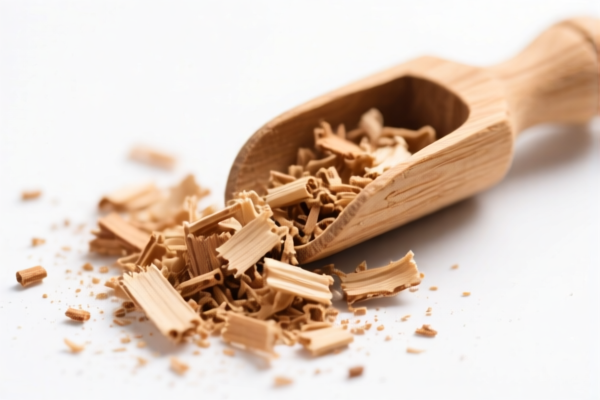
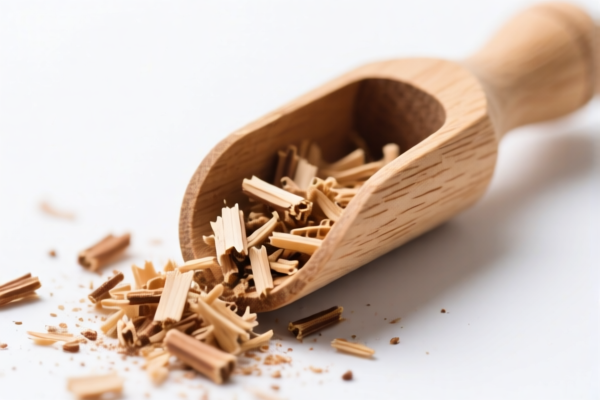
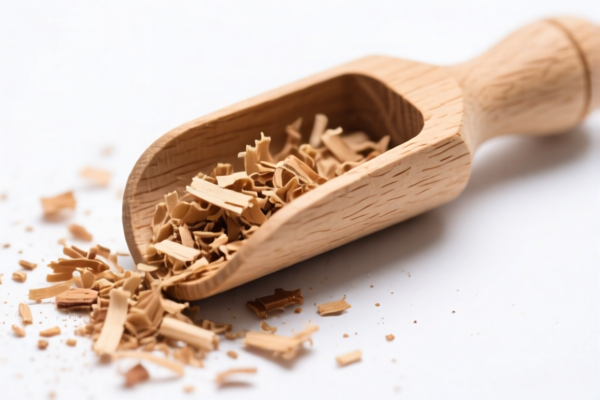
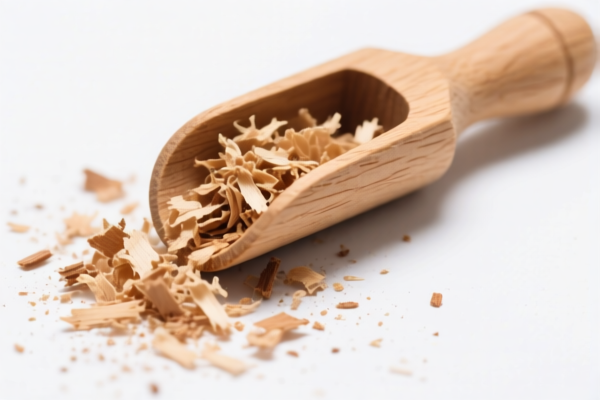
AI分析
🌲 Wood Sawdust & Pellets (Wood Fuel Biomass)
🌐 HS Code Reference & Customs Clearance Guide | 2026 Latest Tariff Analysis | Professional Strategy for Wood By-Products
📌 I. Product Definition & Classification: What Exactly is "Wood Sawdust Grain"?
In international trade, "Wood Sawdust Grain" (often referred to as wood pellets, biomass fuel, or wood flour) is not a single commodity. It is a category defined by its physical form and raw material state. Misclassification is the #1 reason for delays and excessive duties in this sector.
There are two primary pathways for classification, depending on whether the product is considered "Waste/Residue" or "Processed Wood Products."
⚠️ Critical Distinction:
- Path A (4401): Classified as Fuel/Biomass. Includes sawdust, wood chips, and pellets made from wood waste.
- Path B (4405): Classified as Wood Flour/Powder. Includes fine wood powder and granules used for industrial processing (e.g., fiberboard, paper).
- Key Factor: Particle size, density, and intended end-use (fuel vs. manufacturing).
📦 II. HS Code Classification Details (2026 Authority Comparison)
Based on the provided data, here are the specific HS Codes and their corresponding tax structures.
| HS Code | Product Description | Physical Form | Tax Rate (Total) | Key Legal Basis |
|---|---|---|---|---|
| 4401.31.00.00 | Wood Sawdust (Fuel/Biomass) | Sawdust & Pellets | 35.0% | Basic: 0% + Section 301: 25% + Section 122: 10% |
| 4405.00.00.00 | Wood Flour & Granules | Wood Powder & Particles | 38.2% | Basic: 3.2% + Section 301: 25% + Section 122: 10% |
| 4401.39.42.10 | Wood Waste (Fuel Definition) | Wood Waste/Fuel Pellets | 35.0% | Basic: 0% + Section 301: 25% + Section 122: 10% |
| 4401.31.00.00 | Biomass Fuel Pellets | Sawdust & Pellets | 35.0% | Basic: 0% + Section 301: 25% + Section 122: 10% |
| 4405.00.00.00 | Biomass Fuel Granules | Wood Powder & Particles | 38.2% | Basic: 3.2% + Section 301: 25% + Section 122: 10% |
🔍 Analysis of Differences:
- 4401.31.00.00 and 4401.39.42.10 are the most common for fuel-grade pellets. They share the same total duty rate of 35.0%.
- 4405.00.00.00 applies to wood flour or finer granules. It carries a higher base tariff, resulting in a total duty of 38.2%.
- Misclassification Risk: Declaring "Pellets" as "Wood Flour" (4405) to exploit a different category is dangerous if the particle size exceeds the definition of "flour." Conversely, declaring "Fuel Pellets" under 4401 when they are actually industrial powder under 4405 can lead to audits.
💰 III. Detailed Tariff Structure & Legal Basis (2026)
✅ Applicable Market: United States (US)
✅ Origin: China (CN)
✅ Effective Date: Ongoing (Includes Section 122 & Section 301)
🎯 1. The "Fuel/Pellet" Pathway (4401.31.00.00 & 4401.39.42.10)
Total Duty: 35.0%
| Component | Rate | Legal Authority | Explanation |
|---|---|---|---|
| Basic Duty | 0.0% | HTSUS | Wood fuel and sawdust generally have a zero basic ad valorem rate. |
| Section 301 Duty | +25.0% | USITC Footnote 9903.88.01 | Additional duty on Chinese-origin wood products. |
| Section 122 Duty | +10.0% | IEEPA (Executive Order) | Additional 10% tariff on certain Chinese goods, including wood products. |
| TOTAL | 35.0% | Non-negotiable for these codes. |
📌 Why 0% Base?
Unlike structural lumber, sawdust and pellets are often considered "residue" or "fuel" rather than finished wood products, hence the 0% base rate. However, the 35% combined surcharge makes them expensive to import.
🎯 2. The "Wood Flour/Powder" Pathway (4405.00.00.00)
Total Duty: 38.2%
| Component | Rate | Legal Authority | Explanation |
|---|---|---|---|
| Basic Duty | 3.2% | HTSUS | Wood flour is classified as a processed wood product, not just waste. |
| Section 301 Duty | +25.0% | USITC Footnote 9903.88.01 | Additional duty on Chinese-origin wood products. |
| Section 122 Duty | +10.0% | IEEPA (Executive Order) | Additional 10% tariff on certain Chinese goods. |
| TOTAL | 38.2% | Higher than fuel pellets due to the 3.2% base. |
📌 Critical Warning:
Even if your product is technically "wood powder," the Section 301 and 122 tariffs still apply. You cannot escape the 35%+ burden by changing the HS code to 4405; in fact, it becomes more expensive (38.2%).
🛠️ IV. Customs Clearance Practical Advice (Avoiding Pitfalls)
✅ 1. Documentation Checklist (Mandatory)
| Document | Requirement | Why It Matters |
|---|---|---|
| Product Spec Sheet | Must specify particle size (mm/μm), moisture content (<10% for pellets), and binder content (0% for pure biomass). | Determines if it fits 4401 (Fuel) or 4405 (Powder). |
| Material Composition | Clearly state "100% Wood" or "Wood Waste + Natural Binder." | Prevents classification as "Chemical Product" or "Composite." |
| Intended Use Declaration | "For Combustion/Biomass Fuel" vs. "For Industrial Processing." | Supports classification under 4401 (Fuel). |
| Photos of Product | Clear images of pellets/powder texture. | Customs officers verify particle size visually. |
| Bill of Lading & Invoice | Accurate weight (net/gross) and value. | Duty is calculated on CIF value. |
✅ 2. Classification Strategy: Fuel vs. Flour
🔥 Golden Rule:
"Pellets for Burning = 4401 (35%). Powder for Industry = 4405 (38.2%). Do NOT mix!"
| Scenario | Recommended HS Code | Risk of Misclassification |
|---|---|---|
| Round/Rectangular Pellets used for heating | 4401.31.00.00 | Low, if moisture is low (<10%). |
| Sawdust (loose) used for biomass boilers | 4401.39.42.10 | Medium, ensure it is not "wood shavings" (4401.30). |
| Fine Wood Dust (<1mm) for MDF production | 4405.00.00.00 | High, if declared as fuel, customs may reject. |
| Pellets with >10% binders (not pure wood) | Re-evaluate | May fall under 4401.10 or other chapters. |
✅ 3. Special Considerations for Section 122 & 301
- No De Minimis Exemption: These tariffs apply to all shipments, regardless of value. There is no $800 exemption for these specific HS codes from China.
- Voluntary Exclusion Program: Historically, some wood products were excluded. Check current USITC exclusion lists. If excluded, the 301/122 duties may be waived, reducing the total to 0%.
📌 Action: Always check the USTR Exclusion List before shipping. If your HS code is excluded, you can save 35% instantly.
🌍 V. Global Market Comparison (2026)
| Country/Region | Recommended HS Code | Tariff (China Origin) | Notes |
|---|---|---|---|
| 🇺🇸 USA | 4401.31.00.00 |
35.0% | High duty. Check for exclusions. |
| 🇺🇸 USA | 4405.00.00.00 |
38.2% | Higher base rate. |
| 🇪🇺 EU | 4401.30.00 |
~2.7% | No Section 301/122 equivalent. |
| 🇬🇧 UK | 4401.30.00 |
~2.7% | Post-Brexit tariff. |
| 🇨🇳 China | 4401.31.00.00 |
0% | Exported from China, so import duty is 0. |
📌 Key Insight:
The USA is the only major market with these aggressive additional tariffs (Section 122 + 301) on wood by-products. If your end-market is not the US, these costs do not apply.
📌 VI. Common Mistakes & Avoidance Guide (Lessons Learned)
❌ Mistake 1: Declaring "Biomass Pellets" as "Wood Chips" (4401.10)
👉 Consequence: Wrong HS code. Wood chips have different physical definitions. If the pellet size/density doesn't match, Customs will reclassify and penalize.
❌ Mistake 2: Ignoring Section 122
👉 Consequence: Many importers only account for Section 301 (25%). Forgetting the 10% Section 122 leads to underpayment and penalties.
❌ Mistake 3: Assuming "Wood Waste" is Duty-Free
👉 Consequence: Even though the base rate is 0%, the 35% additional duties apply. Do not assume "free" means "no tax."
❌ Mistake 4: Incorrect Moisture Content Declaration
👉 Consequence: If moisture is >10%, the product may not be classified as "fuel pellets" but as "wood waste," leading to classification disputes. Ensure <10% moisture for 4401.31.
✅ Correct Declaration Example:
"Wood Biomass Pellets, 6-8mm diameter, 100% Softwood, Moisture Content <10%, for use as solid biofuel. HS Code: 4401.31.00.00."
🎯 VII. Conclusion: Strategic Cost Management
🎯 Key Takeaways:
🔹 Fuel Pellets (4401.31) = 35% Total Duty
🔹 Wood Flour (4405.00) = 38.2% Total Duty
🔹 Check Exclusions: Verify if your specific product is on the USTR Exclusion List to save 35%.
🔹 Documentation is Key: Moisture content, particle size, and "100% Wood" claims must be precise.
📌 Pro Tip:
If you are importing large volumes, consider applying for a Tariff Classification Ruling from U.S. Customs and Border Protection (CBP) before shipment. This provides legal certainty and protects against retroactive penalties.
📣 Next Steps:
📞 Consult a Customs Broker: Provide your product sample and spec sheet.
🔍 Verify Exclusions: Visit ustr.gov for the latest Section 301/122 exclusions.
📦 Prepare Docs: Ensure invoices clearly state "Biomass Fuel Pellets" and HS Code4401.31.00.00.
✨ Precision in Classification, Savings in Duty!
💼 Every percentage point matters in the biomass trade.
用户评价
关于 HS 编码归类
协调制度(HS)是由世界海关组织(WCO)制定的国际贸易商品分类标准。全球 200 多个国家采用 HS 系统作为海关关税、贸易统计和进出口监管的基础。
每个 HS 编码遵循以下层级结构:
- 章(2 位)——商品大类(例如:第 84 章:机器和机械设备)
- 品目(4 位)——章内的更具体分类
- 子目(6 位)——国际通用细分,所有 WCO 成员国统一使用
- 本国细分(8-10 位)——各国自行扩展的细分编码,如美国 HTSUS 10 位编码
正确的 HS 编码归类对于顺利通关、准确缴纳关税和遵守贸易法规至关重要。错误归类可能导致海关延误、多缴关税或罚款。
从CN进口到US时,适用的关税税率可能包括:
- 最惠国(MFN)税率——适用于 WTO 成员国的标准关税税率
- 普通税率——适用于无贸易协定国家
- 贸易救济关税——附加关税,如 301 条款(反倾销)、232 条款(国家安全)或反补贴税
本页内容仅供参考。如需正式归类,请咨询当地海关或持牌报关代理。