Wooden Colorful Acrylic Building Blocks
CN → US| HS编码 | 关税税率 | 原产国 | 目的国 | 文档 |
|---|---|---|---|---|
| 9503000073 | 10.0% | CN | US | 官方文档 |
| 9503000071 | 10.0% | CN | US | 官方文档 |
| 3926909989 | 22.8% | CN | US | 官方文档 |
| 9503000071 | 10.0% | CN | US | 官方文档 |
| 9503000073 | 10.0% | CN | US | 官方文档 |
商品图片
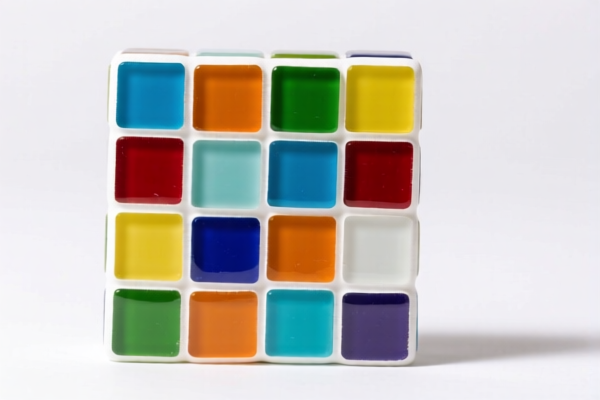
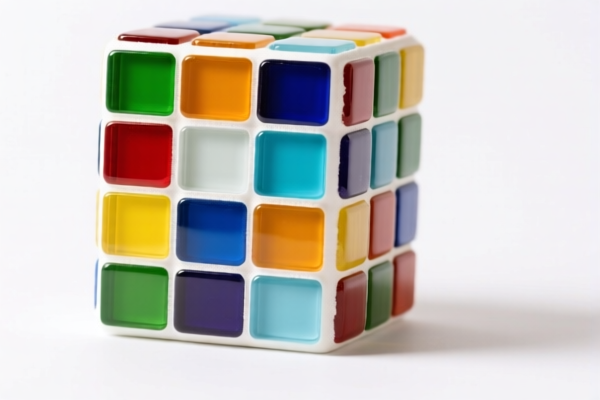
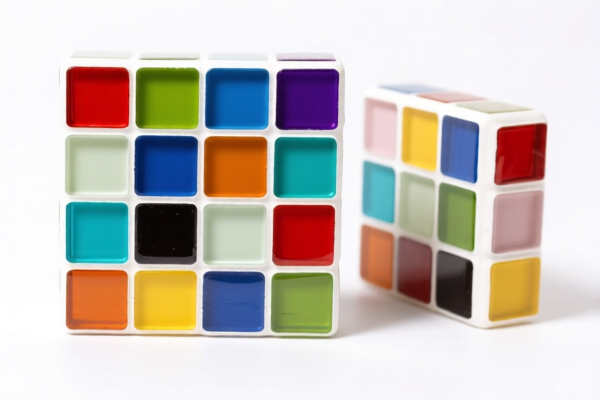
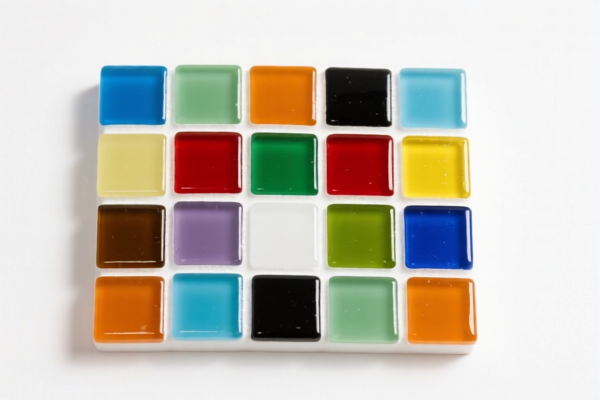
AI分析
🧱 Wooden Colorful Acrylic Building Blocks
🌐 HS Code Reference & Customs Clearance Guide | 2026 Latest Tariff Analysis | Professional Entry Strategy
📌 I. Product Definition & Classification: What Are These?
"Wooden Colorful Acrylic Building Blocks" are composite toy components made from two primary materials: 1. Wood: Typically solid wood or engineered wood, often painted or stained. 2. Acrylic (PMMA): A transparent or translucent plastic resin, often colored.
These items are designed for stacking, constructing, and creative play. In international trade, they fall under the Toy category (Chapter 95) because their primary function is play, not structural construction or decoration. However, classification can vary based on whether Customs perceives the wooden or plastic (acrylic) component as the essential character.
⚠️ Key Distinction:
- If the product is primarily viewed as a toy for children → HS Code 9503 (Toys).
- If the acrylic content is deemed the essential material for "manufactured goods" rather than play → HS Code 3926 (Other articles of plastics).
- Note: Most standard building blocks (LEGO-style, wooden blocks) are classified as Toys. The "Acrylic" aspect adds a premium/material mix but rarely shifts it out of Chapter 95 unless it’s a non-toy decorative item.
📦 II. HS Code Classification Details (2026 Latest Tariff Authority Comparison)
Based on the provided data, here are the three potential HS Codes and their logic:
| HS Code | Product Description | Logic for Classification | Material Emphasis |
|---|---|---|---|
9503.00.00.73 |
Other Toys (Wooden/Acrylic Blocks) | Classified as "Other Toys". The form is "building blocks," which fits the general toy description. Material mix (wood + acrylic) is accepted within the toy category. | Toy Function |
9503.00.00.71 |
Toys/Models (Wooden/Acrylic Blocks) | Classified as "Toys/Models". Specifically notes material inclusion of wood and acrylic. Matches "puzzle/model" type usage under toys. | Toy Function |
3926.90.99.89 |
Other Articles of Plastic (Acrylic Blocks) | Classified as "Plastic Articles". Reason: Contains acrylic (plastic). Deemed an "unspecified other article" of plastic. Treats the block as a manufactured plastic good rather than a toy. | Plastic Material |
🔍 Critical Insight:
- 9503 Codes (Toys) are generally preferred for children's play items.
- 3926 Code (Plastics) is a riskier classification that triggers higher tariffs because it ignores the "toy" function and focuses solely on the plastic composition.
- Why two 9503 codes?:9503.00.00.71and9503.00.00.73may represent slight administrative variations (e.g., "wooden toys" vs. "other toys") but both carry the same tariff rate in this dataset.
💰 III. 2026 Latest Tariff Rate Breakdown (US Import from China)
✅ Applicable Country: USA (US)
✅ Origin: China (CN)
✅ Effective Date: Post-2025 policies (including Section 301 & 122 Clause Tariffs)
🎯 1. 9503.00.00.73 & 9503.00.00.71 — Toys / Building Blocks
| Item | Content |
|---|---|
| Base Tariff | 0.0% (Ad Valorem) |
| Section 301 / 122 Clause Tariff | +10.0% |
| Total Tariff Rate | 10.0% |
| Tax Calculation | CIF Value × 10% |
| De Minimis Exemption | ❌ Not Eligible (Section 301/122 goods are excluded from de minimis) |
| Legal Basis | 122 Clause Tariff: 10% |
📌 Explanation:
- Base Rate: 0% for most toys under HTS 9503.
- 122 Clause Tariff: An additional 10% tariff applied to goods from China.
- Total Cost Impact: You pay 10% of the declared value in duties. This is the most favorable classification for this product.
🎯 2. 3926.90.99.89 — Articles of Plastic (Acrylic)
| Item | Content |
|---|---|
| Base Tariff | 5.3% |
| Section 301 / 122 Clause Tariff | +10.0% |
| Additional Surcharge | +7.5% (Likely from specific trade remedy or Section 301 footnote) |
| Total Tariff Rate | 22.8% |
| Tax Calculation | CIF Value × 22.8% |
| De Minimis Exemption | ❌ Not Eligible |
| Legal Basis | 122 Clause Tariff: 10% + Base + Additional |
📌 Explanation:
- Base Rate: 5.3% for other plastic articles.
- 122 Clause Tariff: +10%.
- Additional Surcharge: +7.5% (Often associated with specific trade actions on plastic components or general Section 301 additions).
- Total Cost Impact: You pay 22.8% of the declared value in duties. This is more than double the toy classification!
🛠️ IV. Customs Clearance Practical Advice (Real-World Pitfall Avoidance)
✅ 1. Document Checklist (Non-Negotiable)
| Document | Required? | Explanation |
|---|---|---|
| Product Photos | ✅ Yes | Must clearly show wooden and acrylic parts. Show the blocks stacked or in use to prove "toy" function. |
| Material Composition Statement | ✅ Yes | Declare: "X% Wood, Y% Acrylic (PMMA)." Proves composite nature. |
| Age Recommendation Label | ✅ Yes | If marked "3+" or "Play," it supports 9503 (Toy) classification. |
| Commercial Invoice | ✅ Yes | Clearly state: "Wooden and Acrylic Building Blocks for Play" NOT "Plastic Blocks" or "Craft Materials." |
| FCC/CPSIA Reports | ✅ If applicable | If marketed to children <12, CPSIA compliance may be requested. |
✅ 2. Classification Strategy & Tips
🔥 "Call it a Toy, Show it Playing, Pay 10% Not 22.8%!"
| Scenario | Correct Classification | Risk of Wrong Classification |
|---|---|---|
| Blocks sold in a playset, with instructions for building | 9503.00.00.71 / .73 | Low |
| Blocks sold as "craft supplies" for adults | 3926.90.99.89 | High Tax (22.8%) |
| Mixed packaging (toys + non-toy parts) | 9503 (if toy is primary) | Moderate Risk |
| Misclassification Risk: Calling it "Plastic Blocks" | 3926.90.99.89 | Overpaying 12.8% |
📌 Key Tip:
- Use the word "Blocks" (implying play) and "Building" (constructive play).
- Avoid words like "Craft," "DIY," or "Decorative" unless you are willing to pay 22.8%.
- Even if acrylic is used, if the primary purpose is play, Chapter 95 (Toys) is the correct legal pathway.
🌍 V. Global Market Comparison (2026)
| Country/Region | Recommended HS Code | Tariff Rate | Certification | Note |
|---|---|---|---|---|
| 🇺🇸 USA | 9503.00.00.73 |
10% | CPSIA, ASTM F963 | 22.8% if misclassified as plastic. |
| 🇪🇺 EU | 9503.00.71 |
0% (Most) | CE, EN71 | No additional duties if CE marked. |
| 🇨🇳 China | 9503.00.00.73 |
5-10% | CCC (if applicable) | Lower base rate. |
| 🇯🇵 Japan | 9503.00.71 |
0% | ST Mark (if electronics, not here) | Toy category often duty-free. |
📌 Conclusion:
- The USA is the only market among these with significant Section 301/122 surcharges.
- Correct classification as Toy (9503) saves 12.8% in duties compared to Plastic (3926).
📌 VI. Common Errors & Pitfalls (Lessons Learned)
❌ Error 1: Labeling as "Acrylic Craft Beads" or "Plastic Blocks"
👉 Result: Customs assigns 3926.90.99.89 → 22.8% Tariff
👉 Cost Impact: You pay 12.8% more in duties than necessary.
❌ Error 2: No photos of the product in use
👉 Result: Customs officer cannot verify "toy" function → May default to 3926
👉 Solution: Always include photos of children or models using the blocks.
❌ Error 3: Claiming "De Minimis" Exemption for shipments < $800
👉 Result: Rejected. Section 301/122 goods cannot use de minimis.
👉 Solution: Prepare for duty payment even on small parcels.
✅ Correct Declaration Example:
"Wooden and Acrylic Building Blocks, Toy Set, 50pcs, Age 3+, Model XYZ, Compliant with CPSIA"
🎯 VII. Conclusion: Smart Classification, Smart Savings
🎯 Remember:
🔹 "It’s a Toy, Not Just Plastic: Pay 10%, Not 22.8%!"
🔹 "Acrylic Doesn’t Mean 3926: Play Function Wins!"
🔹 "Declare Clearly, Photo Evidence Saves Dollars!"
📌 Pro Tip:
If your acrylic blocks are painted or colored, ensure the paint is non-toxic and meets CPSIA standards. This is more critical for US entry than the HS code itself, as failure can lead to seizure regardless of tariff.
📣 Immediate Action:
📞 Consult a Customs Broker for a Pre-Ruling if unsure.
📸 Provide High-Quality Photos showing "Play" context.
🚀 Declare as Toys (9503) to save 12.8% in duties.
✨ Professional Clearance Starts with Accurate Classification!
💼 Your Bottom Line Deserves Precision!
用户评价
关于 HS 编码归类
协调制度(HS)是由世界海关组织(WCO)制定的国际贸易商品分类标准。全球 200 多个国家采用 HS 系统作为海关关税、贸易统计和进出口监管的基础。
每个 HS 编码遵循以下层级结构:
- 章(2 位)——商品大类(例如:第 84 章:机器和机械设备)
- 品目(4 位)——章内的更具体分类
- 子目(6 位)——国际通用细分,所有 WCO 成员国统一使用
- 本国细分(8-10 位)——各国自行扩展的细分编码,如美国 HTSUS 10 位编码
正确的 HS 编码归类对于顺利通关、准确缴纳关税和遵守贸易法规至关重要。错误归类可能导致海关延误、多缴关税或罚款。
从CN进口到US时,适用的关税税率可能包括:
- 最惠国(MFN)税率——适用于 WTO 成员国的标准关税税率
- 普通税率——适用于无贸易协定国家
- 贸易救济关税——附加关税,如 301 条款(反倾销)、232 条款(国家安全)或反补贴税
本页内容仅供参考。如需正式归类,请咨询当地海关或持牌报关代理。