Wooden Plywood
CN → US| HS编码 | 关税税率 | 原产国 | 目的国 | 文档 |
|---|---|---|---|---|
| 4408100145 | 35.0% | CN | US | 官方文档 |
| 4412310640 | 35.0% | CN | US | 官方文档 |
| 4412314200 | 43.0% | CN | US | 官方文档 |
| 4408900151 | 35.0% | CN | US | 官方文档 |
| 4408900197 | 35.0% | CN | US | 官方文档 |
商品图片
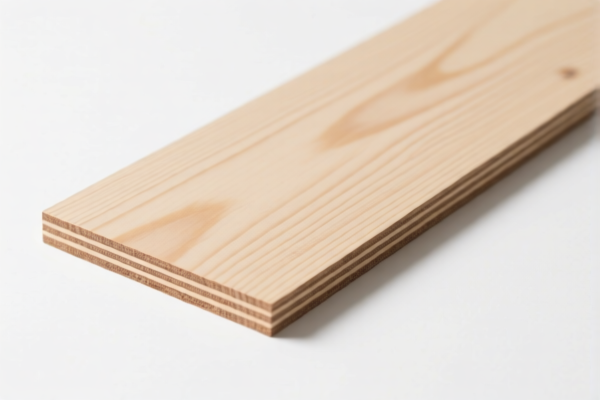
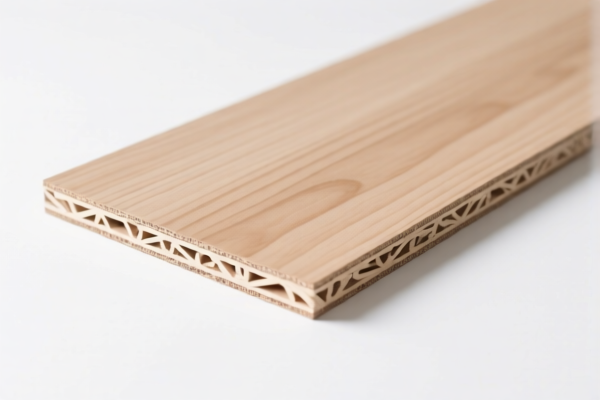
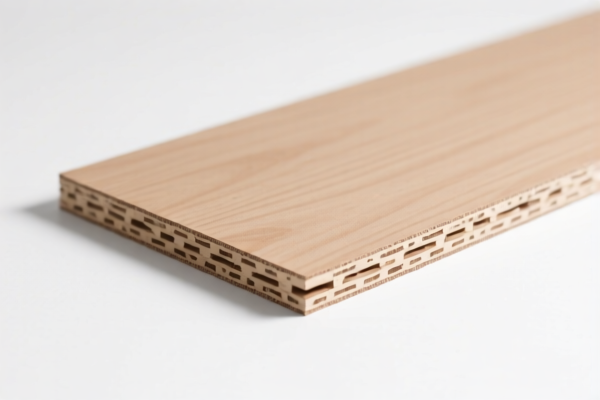
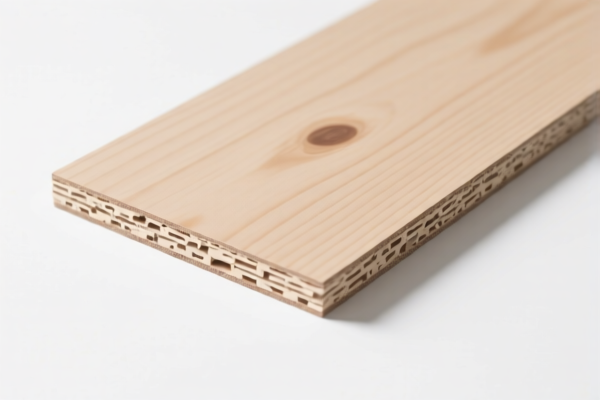
AI分析
🪵 Wooden Plywood & Timber Products: The "35%-43% Tariff Minefield"
🌐 HS Code Reference & Customs Clearance Guide | 2026 Latest Tariff Analysis | US-China Trade War Impact
📌 I. Product Definition & Classification: What Exactly is "Plywood"?
In international trade, "Wooden Plywood" is not a single HS Code but a broad category covering engineered wood products, veneers, and laminated timber. The key to accurate classification lies in the wood species, layer composition, and surface treatment.
For US imports from China, these products are heavily targeted by trade remedies. The classification hinges on whether the wood is: 1. Coniferous (Softwood) like Spruce (云杉); 2. Non-coniferous (Hardwood) like Oak, Ash, etc.; 3. Veneer-based or Solid Wood-based; 4. Laminated or Plain Sheets.
⚠️ Critical Distinction:
- Sheets (Veneers) vs. Plywood (Laminated): Misdeclaring a plywood panel as a simple veneer sheet can lead to severe penalties.
- Species Matters: "Spruce" (a softwood) often carries different base duties than general hardwoods.
- Surface: "Veneered" (贴皮) vs. "Uncovered" (未表面覆盖) changes the HS Code significantly.
📦 II. HS Code Classification Details (2026 Latest Tariff Authority)
Based on the provided data, here are the four specific HS Codes applicable to various forms of wooden plywood/veneer products. Note that all these codes attract significant additional tariffs due to US-China trade policies.
| HS Code | Product Description (Summary) | Key Characteristics | Total Tax Rate |
|---|---|---|---|
| 4408.10.01.45 | Spruce Plywood | Coniferous species (Spruce); Classified as "Plywood" | 35.0% |
| 4412.31.06.40 | Solid Wood Veneered Plywood | Made of wood chips/layers; Not surface-covered with veneer | 35.0% |
| 4412.31.42.00 | Solid Wood Veneered Plywood | Laminated wood product; Meets characteristics of Veneered Plywood | 43.0% |
| 4408.90.01.51 | Solid Wood Veneered Plywood | Meets characteristics of Veneer Sheets/Decorative Panels | 35.0% |
| 4408.90.01.97 | Solid Wood Veneered Plywood | Material: Solid Wood; Form: Veneered | 35.0% |
🔍 Key Insight:
- 4412.31.42.00 is the only code with a 43% total tax rate. It applies when the product is clearly identified as a laminated wood product with specific veneer characteristics.
- The other four codes fall under 35% total tax.
- All these codes originate from chapters 44 (Wood and Articles of Wood) or 4412 (Plywood, Veneer Panels).
💰 III. 2026 Latest Tariff Rate Breakdown (Detailed Tax Clauses)
✅ Applicable Country: United States (US)
✅ Origin: China (CN)
✅ Effective Time: Ongoing (Section 301 & Section 122)
🎯 1. Codes with 35.0% Total Tax
(Includes: 4408.10.01.45, 4412.31.06.40, 4408.90.01.51, 4408.90.01.97)
| Item | Content |
|---|---|
| Base Duty (MFN) | 0.0% |
| Section 301 Additional Duty | +25.0% (USITC Footnote 301) |
| Section 122 Duty | +10.0% (Specific trade remedy duty) |
| Total Effective Rate | 35.0% |
| Calculation Basis | CIF Value × 35% |
| De Minimis Exemption | ❌ Denied (deny_de_minimis) |
| Legal Path | Section 301: 19 USC § 1628 → Section 122: 19 USC § 1517 |
📌 Explanation:
- 0% Base Duty: These products often have a low or zero base Most-Favored-Nation (MFN) duty due to free trade agreements or specific classifications.
- 25% Section 301: This is the standard "Trade Enhancement Act" tariff imposed on many Chinese wood products.
- 10% Section 122: This is a specific duty targeting certain wood products to protect US domestic industries.
- Combined: 0% + 25% + 10% = 35%.
🎯 2. Code with 43.0% Total Tax
(Includes: 4412.31.42.00)
| Item | Content |
|---|---|
| Base Duty (MFN) | 8.0% |
| Section 301 Additional Duty | +25.0% |
| Section 122 Duty | +10.0% |
| Total Effective Rate | 43.0% |
| Calculation Basis | CIF Value × 43% |
| De Minimis Exemption | ❌ Denied (deny_de_minimis) |
| Legal Path | Section 301 + Section 122 applied to higher base duty item |
📌 Explanation:
- 8% Base Duty: This specific subheading (4412.31.42.00) has a higher base MFN duty compared to the others.
- Add-ons: Same 25% + 10% additional tariffs apply.
- Result: 8% + 25% + 10% = 43%. This is the highest cost scenario for importers.📌 Crucial Note:
- No De Minimis: Unlike many other categories, these wood products do not qualify for the $800 de minimis exemption (Section 321). Every shipment, regardless of value, is subject to full tariff calculation.
- Origin Strictness: The "China Origin" label must be clear. If the wood is sourced from elsewhere but processed in China, rules of origin may vary, but typically "Made in China" triggers these duties.
🛠️ IV. Customs Clearance Practical Advice (Avoiding Pitfalls)
✅ 1. Preparation Checklist (Non-negotiable)
| Document | Required | Description |
|---|---|---|
| ✅ Product Specification Sheet | ✔️ | Must detail wood species (e.g., Spruce, Oak), number of layers, glue type, and thickness. |
| ✅ Detailed Commercial Invoice | ✔️ | Must clearly state "Wooden Plywood" or "Veneered Wood Panels" and HS Code. |
| ✅ Packing List | ✔️ | Must list dimensions, weight, and packaging type. |
| ✅ Certificate of Origin (CO) | ✔️ | To confirm origin is China (triggering tariffs) or else where (potential exemption). |
| ✅ Photos of Product & Labeling | ✔️ | Clear images showing the layered structure (for plywood) or surface veneer. |
| ✅ Fumigation Certificate | ✔️ | Required for all wood products to prevent pest invasion (ISPM 15 standard). |
✅ 2. Classification Strategy (Key Mnemonic)
🔥 "Species First, Layers Check, Veneer vs. Sheet, 35% vs 43%"
| Scenario | Correct HS Code | Tariff | Why? |
|---|---|---|---|
| Spruce Wood | 4408.10.01.45 |
35% | Specific coniferous classification. Base 0%. |
| Multi-layer Plywood (Unveenered) | 4412.31.06.40 |
35% | Defined as "Plywood" made of wood chips/layers. Base 0%. |
| Veneered Plywood (Specific Type) | 4412.31.42.00 |
43% | Classified as a specific laminated veneer product. Base 8%. |
| Solid Wood Veneer Sheets | 4408.90.01.51 / .97 |
35% | Classified as "Veneer" rather than "Plywood". Base 0%. |
📌 Warning:
- Do NOT misclassify4412.31.42.00(43%) as4408...(35%). The difference is 8% on the entire CIF value. For a $100,000 shipment, that’s an $8,000 difference.
- Ensure the description matches the physical structure. If it’s laminated, it’s likely4412. If it’s a single thin layer, it’s4408.
✅ 3. Special Cases & Mitigation
| Situation | Recommendation |
|---|---|
| OEM Custom Plywood | Provide design drawings showing layer count and wood species. |
| Mixed Wood Types | Declare each wood type separately if possible. Spruce (0% base) vs. Hardwood (higher base) may have different impacts. |
| Transshipment | ⚠️ High Risk: Attempting to route through Vietnam/Mexico to avoid tariffs is heavily scrutinized. US Customs (CBP) may reject if origin is not genuinely changed. |
| Small Samples | Even small shipments are subject to tariffs. No de minimis. Budget accordingly. |
🌍 V. Global Market Comparison (2026)
| Country | Recommended HS Code | Tariff (China Origin) | Notes |
|---|---|---|---|
| 🇺🇸 USA | 4412.31.42.00 / 4408... |
35% - 43% | High trade barrier. Section 301 + 122 apply. |
| 🇨🇳 China | 4412.31.42.00 |
8% - 10% | Import duty only. No additional US tariffs. |
| 🇪🇺 EU | 4412.31.42.00 |
~5-10% | Standard MFN rate. No major trade war tariffs. |
| 🇯🇵 Japan | 4412.31.42.00 |
~3-5% | CPTEEA/J-EPA may offer reduced rates if preferential origin is met. |
📌 Conclusion:
- The US market is the most expensive for Chinese plywood due to the 35-43% effective tariff.
- Importers must factor this into their pricing strategy.
- Consider supply chain diversification (e.g., sourcing plywood from Russia, Brazil, or Southeast Asia if possible) to mitigate US tariffs.
📌 VI. Common Mistakes & Pitfalls (Blood Lessons)
❌ Mistake 1: Claiming "Plywood" is "Lumber"
👉 Consequence: Misclassification. Lumber (4406) has different duties and regulations. Can lead to seizure of goods.
❌ Mistake 2: Ignoring the 122 Section
👉 Consequence: Declaring only 25% (Section 301) and missing the 10% (Section 122) results in underpayment and penalties.
❌ Mistake 3: Using "Wood Panel" as a generic description
👉 Consequence: CBP will investigate. If they determine it’s 4412.31.42.00 (43%) but you declared 4408... (35%), you owe the difference + interest.
✅ Correct Practice:
"Spruce Plywood, 12mm thick, 5-ply, for flooring use, FSC Certified, Made in China"
🎯 VII. Conclusion: Precise Classification Saves Money!
🎯 Remember the Rule:
🔹 "Spruce & Sheets: 35%
🔹 "Specific Veneered Plywood: 43%
🔹 "No De Minimis: Pay on Everything!"
📌 Actionable Advice:
1. Get an Advance Ruling: If your product falls into the grey area between 4408 and 4412, request a Binding Ruling from CBP.
2. Verify Origin: Ensure your supplier’s Certificate of Origin is accurate.
3. Budget for Tariffs: Include 35-43% in your landed cost calculation.
4. Consult a Broker: Wood products are complex. Use a licensed customs broker to review your documentation.
✨ Professional Customs Clearance Starts with Precise Classification!
💼 Your Cost Per Board Foot Deserves Accurate Calculation!
用户评价
关于 HS 编码归类
协调制度(HS)是由世界海关组织(WCO)制定的国际贸易商品分类标准。全球 200 多个国家采用 HS 系统作为海关关税、贸易统计和进出口监管的基础。
每个 HS 编码遵循以下层级结构:
- 章(2 位)——商品大类(例如:第 84 章:机器和机械设备)
- 品目(4 位)——章内的更具体分类
- 子目(6 位)——国际通用细分,所有 WCO 成员国统一使用
- 本国细分(8-10 位)——各国自行扩展的细分编码,如美国 HTSUS 10 位编码
正确的 HS 编码归类对于顺利通关、准确缴纳关税和遵守贸易法规至关重要。错误归类可能导致海关延误、多缴关税或罚款。
从CN进口到US时,适用的关税税率可能包括:
- 最惠国(MFN)税率——适用于 WTO 成员国的标准关税税率
- 普通税率——适用于无贸易协定国家
- 贸易救济关税——附加关税,如 301 条款(反倾销)、232 条款(国家安全)或反补贴税
本页内容仅供参考。如需正式归类,请咨询当地海关或持牌报关代理。