Wool Blend Combed Warp Knitted Carpet Fabric
CN → US| HS编码 | 关税税率 | 原产国 | 目的国 | 文档 |
|---|---|---|---|---|
| 6304991500 | 28.8% | CN | US | 官方文档 |
| 5112905000 | 42.0% | CN | US | 官方文档 |
| 6304996010 | 20.7% | CN | US | 官方文档 |
| 5112904000 | 42.0% | CN | US | 官方文档 |
| 5111904000 | 42.0% | CN | US | 官方文档 |
商品图片
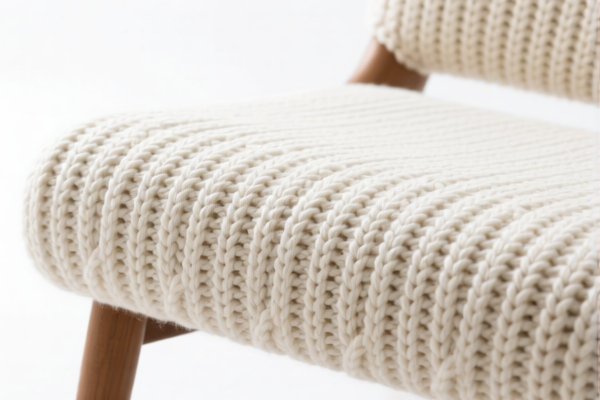
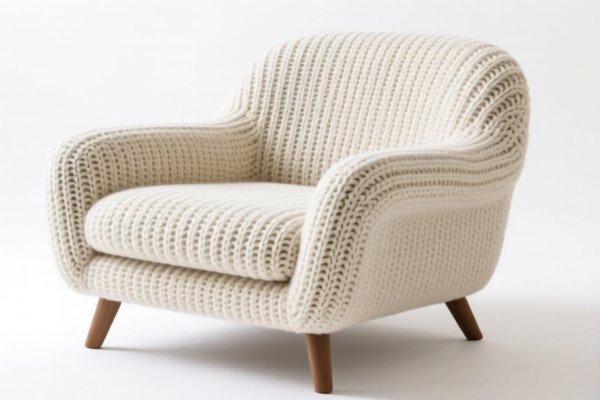
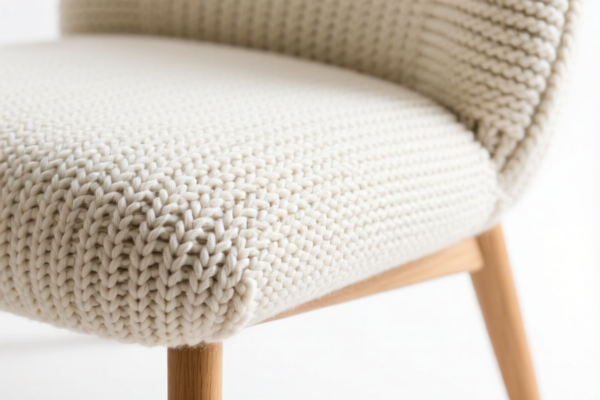
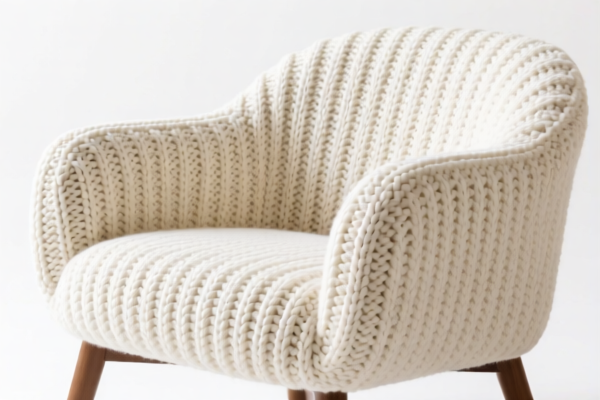
AI分析
🧶 Wool Blend Combed Warp Knitted Carpet Fabric
🌐 HS Code Reference & Customs Clearance Guide | 2024 Latest Tariff Analysis | Professional Entry Strategy
📌 I. Product Definition & Classification: Do You Truly Understand "Carpet Fabric"?
Wool blend combed warp knitted carpet fabric is a specialized textile material used primarily for upholstery, wall hangings, and decorative carpeting. In international trade, it is categorized based on its material composition (wool blend), manufacturing process (combed/warp knitted), and end-use (decorative).
Key Distinctions:
- Warp Knitted vs. Weft Knitted: Warp knitted fabrics are more stable and suitable for heavy-duty decorative uses like carpets and wall hangings.
- Combed Wool: Indicates higher quality, smoother fibers, often commanding different tariff treatments than carded wool.
- Decorative Use: Classifies under Chapter 63 (Other made-up textile articles) if fully made up, or Chapter 51 (Wool/Fine/coarse animal hair) if in the form of fabric/loom state.
⚠️ Critical Differentiation Point:
- If the fabric is still on the roll, unfinished, and intended for further manufacturing → May fall under Chapter 51 (Woven/Knitted Fabrics).
- If the fabric is cut, finished, and directly used as a wall hanging or decorative panel → Falls under Chapter 63 (Made-up Decorative Articles).
- Note: The provided data contains entries from both chapters, highlighting the importance of precise description.
📦 II. HS Code Classification Details (2024 Latest Tariff Authority Comparison)
| HS Code | Product Description | Application Scenario | Material Form | Tax Rate (US) |
|---|---|---|---|---|
6304.99.15.00 |
Wool blend combed decorative fabric, material meets wool requirements, form is textile-made decorative fabric, use is wall hanging decoration. | Wall hangings, decorative panels, finished decorative textiles. | Made-up decorative fabric | 28.8% |
5112.90.50.00 |
Wool blend combed decorative fabric, material meets worsted wool, form is woven, use is decorative. | Decorative weaving, unfinished fabric for carpet backing. | Woven fabric | 42.0% |
6304.99.60.10 |
Wool blend combed decorative fabric, material is wool, form is textile fabric, use is non-knitted or crocheted decorative fabric. | Non-knitted decorative textiles, general decorative use. | Non-knitted textile fabric | 20.7% |
5112.90.40.00 |
Wool blend combed decorative fabric, material is wool, form is fabric, use is decorative fabric, meets tapestry or padded fabric decorative attributes. | Tapestries, padded decorative fabrics, high-end upholstery. | Woven fabric | 42.0% |
5111.90.40.00 |
Wool blend combed decorative fabric, material is wool blend, form is fabric/weave, use is decorative. | General decorative wool blends, woven decorative materials. | Woven fabric | 42.0% |
🔍 Key Reminder:
- Chapter 63 Items (6304.99.15.00,6304.99.60.10): Generally apply to made-up or finished decorative items (e.g., wall hangings, ready-to-use panels).
- Chapter 51 Items (5112.90.50.00,5112.90.40.00,5111.90.40.00): Apply to fabrics (woven) intended for further processing or specific decorative weaving uses.
- Tax Rate Variance: The tax rate varies significantly from 20.7% to 42.0% depending on whether the product is classified as a "finished decorative article" (Ch 63) or "woven fabric" (Ch 51), and the specific wool content/processing.
💰 III. 2024 Latest Tariff Rate Breakdown (Including Additional Taxes & Policy Add-ons)
✅ Applicable Country: United States (US)
✅ Country of Origin: China (CN)
✅ Effective Time: Ongoing (based on 2018-2019 Section 301 and IEEPA rules)
🎯 1. 6304.99.60.10 —— Non-knitted Decorative Fabric (Lowest Rate)
| Item | Content |
|---|---|
| Base Tariff | 3.2% (ad valorem) |
| Section 301 Additional Tariff | +7.5% |
| IEEPA Additional Tariff | +10% |
| Total Rate | 20.7% |
| Tax Calculation | CIF Value × 20.7% |
| De Minimis Eligibility | ❌ Not Eligible (due to Section 301/IEEPA) |
| Legal Basis Path | IEEPA:9903.01.24 → USITC:6304.99.60.10 → FOOTNOTE:Section 301 |
📌 Explanation:
- "Base Tariff 3.2%": Standard MFN rate for non-knitted decorative fabrics under Chapter 63.
- "Section 301 7.5%": Additional tariff imposed on Chinese-made decorative textiles under Trade Act Section 301.
- "IEEPA 10%": Additional tariff under International Emergency Economic Powers Act for Chinese imports.
- Total 20.7% is the lowest among the listed codes, making this the most cost-effective classification if the product qualifies as "non-knitted decorative fabric."
🎯 2. 6304.99.15.00 —— Wall Hanging Decorative Fabric
| Item | Content |
|---|---|
| Base Tariff | 11.3% (ad valorem) |
| Section 301 Additional Tariff | +7.5% |
| IEEPA Additional Tariff | +10% |
| Total Rate | 28.8% |
| Tax Calculation | CIF Value × 28.8% |
| De Minimis Eligibility | ❌ Not Eligible |
| Legal Basis Path | IEEPA:9903.01.24 → USITC:6304.99.15.00 → FOOTNOTE:Section 301 |
📌 Note:
- Higher base tariff (11.3%) reflects the specific use as "wall hanging" which may be considered a more finished product.
- Still subject to full Section 301 and IEEPA surcharges.
🎯 3. Chapter 51 Entries (5112.90.50.00, 5112.90.40.00, 5111.90.40.00) —— Woven Fabrics (Highest Rates)
| Item | Content |
|---|---|
| Base Tariff | 7.0% (ad valorem) |
| Section 301 Additional Tariff | +25.0% |
| IEEPA Additional Tariff | +10% |
| Total Rate | 42.0% |
| Tax Calculation | CIF Value × 42.0% |
| De Minimis Eligibility | ❌ Not Eligible |
| Legal Basis Path | IEEPA:9901.25 → IEEPA:9903.01.24 → USITC:51xx.xx.xx.xx → FOOTNOTE:Section 301 (25%) |
📌 Critical Warning:
- Base Tariff 7.0%: Standard for woolen/worsted woven fabrics.
- Section 301 25%: Higher additional tariff applies to certain woolen and worsted fabrics under Section 301, compared to the 7.5% for some decorative fabrics in Chapter 63.
- Total 42.0% is the highest rate, indicating that classifying as "woven fabric" (Chapter 51) is significantly more expensive than "decorative fabric" (Chapter 63) if the latter is applicable.
- Even if the product is "combed" or "wool blend," if it is clearly for decorative use (tapestry, wall hanging), Chapter 63 may be more favorable if the product is sufficiently finished.
🛠️ IV. Customs Clearance Practical Advice (Real-World Pitfall Avoidance)
✅ 1. Required Documentation Checklist (Non-Negotiable)
| Document | Mandatory | Explanation |
|---|---|---|
| ✅ Product Specification Sheet | ✔️ | Must detail: Fiber content (e.g., 80% Wool, 20% Poly), weave type (warp knitted/woven), weight, width, intended use. |
| ✅ Product Photos (Raw & Finished) | ✔️ | Show texture, edges, and any finishing processes. Distinguish between "fabric on roll" and "cut decorative piece." |
| ✅ Commercial Invoice | ✔️ | Clearly state: "Wool Blend Combed [Warp Knitted/Woven] Decorative Fabric," HS Code, and country of origin. |
| ✅ Packing List | ✔️ | Specify dimensions, weight, and packaging type. |
| ✅ Certificate of Origin (CO) | ✔️ | Confirm Chinese origin to apply correct Section 301/IEEPA rates. |
| ✅ Third-Party Test Report | ✔️ | Fiber content analysis, flammability (if for upholstery), and durability tests. |
✅ 2. Declaration Tips (Key Mnemonic)
🔥 "Form Determines Code, Use Determines Tax, Section 301 is Real, Don't Split the Shipment!"
| Scenario | Correct Declaration | Error Consequence |
|---|---|---|
| Finished Wall Hanging | 6304.99.15.00 (28.8%) |
Misclassifying as fabric → Higher tax or rejection |
| Fabric on Roll (Decorative Use) | 6304.99.60.10 (20.7%) if non-knitted; 5112.90.50.00 (42.0%) if woven |
Using Chapter 51 for finished goods → 42% tax vs. 20.7% |
| Woven Decorative Fabric | 5112.90.40.00 or 5111.90.40.00 (42.0%) |
Claiming Chapter 63 for woven fabric → Customs audit, penalties |
| Mixed Shipment (Fabric + Made-up) | Declare Separately | Combining → One item misclassified, entire shipment held |
✅ 3. Special Case Handling
| Scenario | Handling Advice |
|---|---|
| Warp Knitted vs. Woven | Data shows "Warp Knitted" but entries include woven codes. If warp knitted, it may not fit Chapter 51 (Woven). Verify if Chapter 60 (Knitted) applies or if it's classified as "non-knitted" in Chapter 63 due to finish. Note: The provided data does not include Chapter 60 codes, so assume classification falls within provided options. |
| OEM Custom Fabric | Provide customer orders and design specs to justify "decorative use." |
| Sample Shipments | Clearly mark "Commercial Sample, Not for Sale" but still declare correctly; de minimis exemption does NOT apply to Section 301/IEEPA goods. |
| Transshipment via Third Country | Not Recommended. US Customs will trace origin to China; additional tariffs still apply. |
🌍 V. Global Market Customs Comparison (2024 Latest)
| Country/Region | Recommended HS Code | Tariff Rate | Certification | Notes |
|---|---|---|---|---|
| 🇺🇸 USA | 6304.99.60.10 |
20.7% | None specific | Highest tax due to Section 301/IEEPA. Chapter 51 items face 42%. |
| 🇨🇳 China | 5112.90.50.00 |
~7-10% | No specific | Import tariffs may be lower; check latest Chinese HS. |
| 🇪🇺 EU | 6304.91.00 (approx.) |
~12% | REACH, OEKO-TEX | Different classification structure; no Section 301. |
| 🇬🇧 UK | 6304.91.00 (approx.) |
~12% | UKCA, REACH | Post-Brexit rules apply; no US-style additional tariffs. |
📌 Conclusion:
- USA imposes the highest effective tariff on Chinese wool blend decorative fabrics due to layered tariffs (Base + Section 301 + IEEPA).
- Chapter 63 (Decorative Articles) offers lower rates (20.7%-28.8%) than Chapter 51 (Woven Fabrics, 42%) if the product is sufficiently finished or classified as decorative fabric.
- Precise classification is critical to avoid paying 42% when 20.7% is applicable.
📌 VI. Common Errors & Pitfall Guide (Lessons Learned)
❌ Error 1: Classifying woven decorative fabric as non-knitted decorative fabric (6304.99.60.10)
👉 Consequence: Customs rejection, penalty, and forced reclassification to 5112.90.50.00 (42%).
❌ Error 2: Declaring finished wall hangings as raw fabric (5112.90.50.00)
👉 Consequence: Overpayment of tax (42% vs. 28.8%) or underpayment if misclassified as lower-rate item.
❌ Error 3: Ignoring Section 301 and IEEPA surcharges
👉 Consequence: Underpayment by 37.5% (7.5%+10%) or 35% (25%+10%).
❌ Error 4: Using vague descriptions like "Wool Fabric"
👉 Consequence: Customs ambiguity, delays, and potential audit.
✅ Correct Declaration Example:
"Wool Blend Combed Decorative Fabric, Non-Knitted, for Wall Hanging, 80% Wool/20% Polyester, HS Code 6304.99.60.10"
🎯 VII. Conclusion: Professional Declaration, Save Costs, Ensure Smooth Clearance!
🎯 Key Takeaways:
🔹 "Form & Use Define Code: Chapter 63 for Decorative/Finished, Chapter 51 for Woven/Fabric."
🔹 "Tax Rate Gap is Huge: 20.7% vs. 42% – Classification Saves 50% Cost!"
🔹 "Section 301 & IEEPA are Non-Negotiable: Budget for 7.5-25% + 10% on Top of Base."
📌 Pro Tip:
If your product is warp knitted, verify if it fits Chapter 60 (Knitted Textiles) which may have different rates. The provided data focuses on Chapter 51 (Woven) and Chapter 63 (Decorative). If warp knitted is classified as decorative under Chapter 63, aim for 6304.99.60.10 (20.7%) if it meets the "non-knitted" description in the data (note: this may be a data inconsistency; confirm with a licensed customs broker if "warp knitted" is considered "knitted" and thus ineligible for Chapter 63 non-knitted codes).
📣 Immediate Action:
📞 Contact a Licensed Customs Broker to verify the "warp knitted" vs. "non-knitted" classification.
🚀 Apply for a Customs Ruling (Pre-Ruling) if the product is borderline between Chapter 51 and 63.
💼 Precise Declaration Saves Thousands – Don't Guess, Verify!
✨ Professional Customs Clearance Starts with Accurate Classification!
💼 Every Dollar of Tax Paid is a Dollar of Profit Lost – Optimize Your HS Code!
用户评价
关于 HS 编码归类
协调制度(HS)是由世界海关组织(WCO)制定的国际贸易商品分类标准。全球 200 多个国家采用 HS 系统作为海关关税、贸易统计和进出口监管的基础。
每个 HS 编码遵循以下层级结构:
- 章(2 位)——商品大类(例如:第 84 章:机器和机械设备)
- 品目(4 位)——章内的更具体分类
- 子目(6 位)——国际通用细分,所有 WCO 成员国统一使用
- 本国细分(8-10 位)——各国自行扩展的细分编码,如美国 HTSUS 10 位编码
正确的 HS 编码归类对于顺利通关、准确缴纳关税和遵守贸易法规至关重要。错误归类可能导致海关延误、多缴关税或罚款。
从CN进口到US时,适用的关税税率可能包括:
- 最惠国(MFN)税率——适用于 WTO 成员国的标准关税税率
- 普通税率——适用于无贸易协定国家
- 贸易救济关税——附加关税,如 301 条款(反倾销)、232 条款(国家安全)或反补贴税
本页内容仅供参考。如需正式归类,请咨询当地海关或持牌报关代理。