Wool Yarn
CN → US| HS编码 | 关税税率 | 原产国 | 目的国 | 文档 |
|---|---|---|---|---|
| 5107103000 | 41.0% | CN | US | 官方文档 |
| 5107106000 | 41.0% | CN | US | 官方文档 |
| 5106100090 | 41.0% | CN | US | 官方文档 |
商品图片
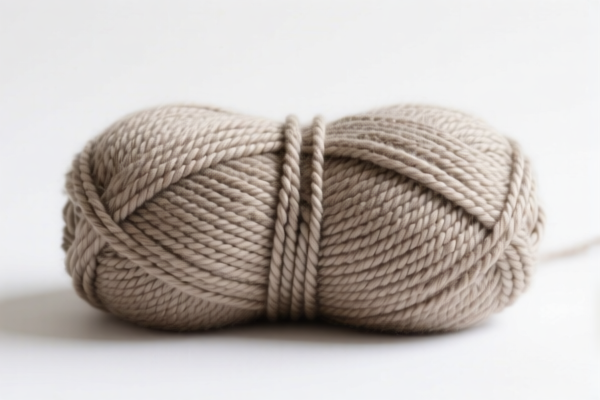
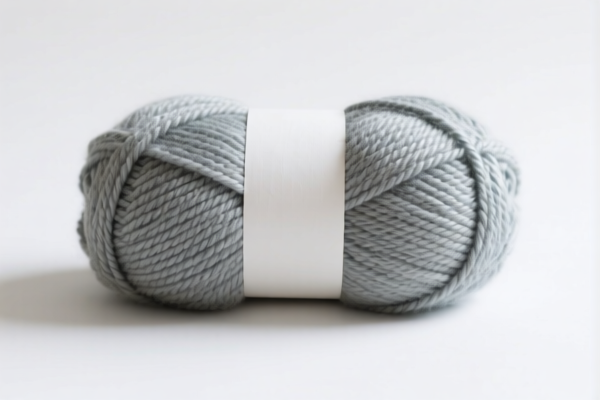
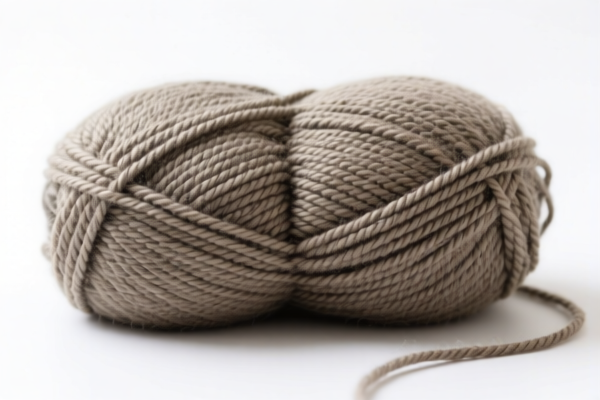
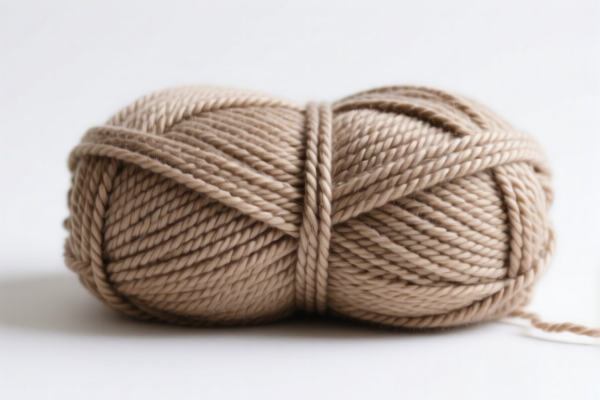
AI分析
🧶 Wool Yarn (羊毛纱线)
🌐 HS Code Reference & Customs Clearance Guide | 2026 Latest Tariff Analysis | Professional Clearance Strategy
📌 I. Product Definition & Classification: Do You Truly Understand "Wool Yarn"?
Wool yarn is a fundamental textile raw material used in knitting, weaving, and manufacturing apparel or home textiles. In international trade, its classification depends heavily on processing technology (combed vs. non-combed) and specific fiber characteristics.
Based on the provided data, wool yarn is primarily classified under Heading 5106 and 5107, with critical distinctions in preparation methods:
- Combed Wool Yarn (5107): Processed through combing to remove short fibers, resulting in smoother, stronger, and more uniform yarn.
- Non-Combed/Other Wool Yarn (5106): Includes carded wool yarn or wool yarn that does not meet specific combing or diameter criteria for other subheadings.
⚠️ Key Distinction Point:
- If the wool has undergone combing (精梳) →归入 5107.10.30.00 or 5107.10.60.00
- If the wool is not explicitly combed or fails to meet specific diameter/fineness criteria → 归入 5106.10.00.90
📦 II. HS Code Classification Details (Latest Tariff Authority Comparison)
| HS Code | Product Description | Application Scenario | Processing Status |
|---|---|---|---|
5107.10.30.00 |
Wool yarn, combed, specifically classified under this subheading | High-quality knitwear, fine garments, pre-combed yarn | ✅ Combed (精梳) |
5107.10.60.00 |
Wool yarn, combed, categorized under "Other" within 5107.10 | Combed wool yarn not specified in 5107.10.30; high consistency with target code | ✅ Combed (未明确精梳但高度一致) |
5106.10.00.90 |
Other wool yarn, not complying with specific diameter/fineness criteria | General wool yarn, carded wool, or unknown fiber diameter | ❌ Non-combed / Other |
🔍 Critical Reminder:
- The determination between 5106 and 5107 hinges on whether the wool is combed (精梳).
- If the product description lacks specific fiber diameter data, it defaults to the broader category under 5106.10.90.
- Both 5107 codes imply a higher level of processing (combing) compared to 5106.
💰 III. 2026 Latest Tariff Rate Breakdown (Including Surtaxes & Policy Add-ons)
✅ Applicable Country: United States (US)
✅ Origin: China (CN)
✅ Effective Date: Current rates apply for imports from China.
🎯 1. 5107.10.30.00 —— Combed Wool Yarn (Specific Subheading)
| Item | Content |
|---|---|
| Basic Tariff | 6.0% (Ad Valorem) |
| Section 301 Surtax | 25.0% (Trade Remedies) |
| Section 122 Surtax | 10.0% (Specific China-related provision) |
| Total Tariff Rate | 41.0% |
| Tax Calculation | CIF Value × 41% |
| De Minimis Exemption | ❌ Not Applicable (High-risk commodity) |
| Legal Basis Path | USITC:5107.10.30.00 → Section 301: 25% → Section 122: 10% |
📌 Explanation:
- The 6% base rate is the standard Most Favored Nation (MFN) rate for combed wool yarn.
- The 25% Section 301 tariff is imposed on goods from China to address unfair trade practices.
- The 10% Section 122 tariff is an additional levy specifically targeting certain Chinese imports.
- Total: 41%, which is a very high cost. Accurate classification is crucial to avoid overpayment or misdeclaration penalties.
🎯 2. 5107.10.60.00 —— Other Combed Wool Yarn
| Item | Content |
|---|---|
| Basic Tariff | 6.0% |
| Section 301 Surtax | 25.0% |
| Section 122 Surtax | 10.0% |
| Total Tariff Rate | 41.0% |
| Tax Calculation | CIF Value × 41% |
| De Minimis Exemption | ❌ Not Applicable |
| Legal Basis Path | USITC:5107.10.60.00 → Section 301: 25% → Section 122: 10% |
📌 Note:
- Although this code is for "Other" combed wool, the tariff structure is identical to 5107.10.30.00.
- This code is used when the yarn is combed but does not fit into the more specific 5107.10.30.00 category.
- Classification accuracy here depends on confirming the combing process occurred.
🎯 3. 5106.10.00.90 —— Other Wool Yarn (Non-Combed/General)
| Item | Content |
|---|---|
| Basic Tariff | 6.0% |
| Section 301 Surtax | 25.0% |
| Section 122 Surtax | 10.0% |
| Total Tariff Rate | 41.0% |
| Tax Calculation | CIF Value × 41% |
| De Minimis Exemption | ❌ Not Applicable |
| Legal Basis Path | USITC:5106.10.00.90 → Section 301: 25% → Section 122: 10% |
📌 Note:
- This code applies to wool yarn that is not combed or does not meet specific technical criteria for other subheadings.
- It is often used when fiber diameter data is missing or when the yarn is carded.
- Despite the different HS code, the total tax burden is identical (41%). Therefore, the cost difference is negligible, but compliance risk varies by documentation.
🛠️ IV. Practical Clearance Advice (Real-World Pitfall Avoidance)
✅ 1. Required Documentation Checklist (Essential for Clearance)
| Document | Required | Explanation |
|---|---|---|
| ✅ Product Specification Sheet | ✔️ | Must state: Material (100% Wool), Form (Yarn), Processing (Combed/Carded), Fiber Diameter (if available). |
| ✅ Processing Certificate | ✔️ | Proof of combing process for 5107 codes. |
| ✅ Commercial Invoice | ✔️ | Clearly describe as "Wool Yarn, Combed" or "Wool Yarn, Uncard". |
| ✅ Packing List | ✔️ | Detail net/gross weight, number of spools/bobbins. |
| ✅ Fiber Content Test Report | ✔️ | Third-party lab report confirming wool content and diameter (if claiming specific subheading). |
| ✅ Certificate of Origin | ✔️ | Mandatory for origin determination and tariff application. |
✅ 2. Declaration Tips (Key Mnemonics)
🔥 “Combed vs. Carded: Know the Process, Avoid Misclassification!”
| Scenario | Correct Declaration | Error Practice |
|---|---|---|
| Combed Wool Yarn | 5107.10.30.00 or 5107.10.60.00 |
Declare as 5106 → Potential penalty for misclassification |
| Non-Combed/Carded Wool | 5106.10.00.90 |
Declare as 5107 → Requires proof of combing, otherwise rejected |
| Unknown/Unspecified Wool | 5106.10.00.90 (Safest Default) |
Guessing 5107 without evidence → High risk of audit |
| Mixed Fiber Yarn | Not covered in current data | Declare as wool → Violation if mixed |
✅ 3. Special Cases Handling
| Situation | Handling Advice |
|---|---|
| Lack of Diameter Data | Default to 5106.10.00.90. Do not guess 5107 without proof of combing. |
| OEM Custom Yarn | Provide customer specifications proving combing if claiming 5107. |
| Small Batches (De Minimis) | ❌ No Exemption: Wool yarn is excluded from de minimis thresholds. All shipments are subject to full duty. |
| Origin Fraud | Ensure Certificate of Origin matches actual manufacturing country. China-origin goods face 41% total tariff. |
🌍 V. Global Market Comparison (2026 Update)
| Country/Region | Recommended HS Code | Total Tariff (China Origin) | Certification | Remarks |
|---|---|---|---|---|
| 🇺🇸 USA | 5107.10.30.00 / 5106.10.00.90 |
41% | None specific for yarn | High tariff burden due to 301 & 122 clauses |
| 🇨🇳 China | 5107.10 / 5106.10 |
6% (MFN) | None | Lower cost for domestic production |
| 🇪🇺 EU | 5107.10 / 5106.10 |
6% - 9.6% | OEKO-TEX (Voluntary) | No Section 301/122 equivalents |
| 🇬🇧 UK | 5107.10 / 5106.10 |
6% - 9.6% | None | Post-Brexit tariffs similar to EU pre-2021 |
| 🇦🇺 Australia | 5107.10 / 5106.10 |
5% | None | Lower tariffs, no major surtaxes |
📌 Conclusion:
- USA has the highest effective tariff rate (41%) for wool yarn from China.
- EU, UK, and Australia offer significantly lower tariff rates (6-10%).
- Supply Chain Strategy: Consider sourcing from non-China origins (e.g., New Zealand, Australia, EU) to avoid the 35% surtax burden in the US market.
📌 VI. Common Mistakes & Pitfall Guide (Lessons Learned)
❌ Mistake 1: Declaring non-combed wool as "Combed" to fit a different aesthetic description.
👉 Consequence: Customs audit, rejection of documents, potential fraud penalties.
❌ Mistake 2: Ignoring fiber diameter data.
👉 Consequence: If diameter is specified and meets high-fineness criteria, it might belong to a different subheading (not covered in this data, but critical for compliance).
❌ Mistake 3: Assuming de minimis exemption applies.
👉 Consequence: Small shipments are still taxed at 41%, leading to unexpected costs for B2B buyers.
❌ Mistake 4: Vague product description ("Wool Thread").
👉 Consequence: Customs may classify it incorrectly or request additional information, causing delays.
✅ Correct Practice:
"100% Wool Yarn, Combed, Ne 2/20, Spooled, Model XYZ, Made in China"
🎯 VII. Conclusion: Precision in Classification Saves Costs!
🎯 Remember This Mantra:
🔹 "Combed is 5107, Non-Combed is 5106. No Matter Which, US Tariff is 41%!"
🔹 "Documentation is Key: Proof of Combing Avoids Penalties!"
📌 Pro Tip:
If you are importing wool yarn into the USA, the 41% total tariff significantly impacts profit margins.
- Strategy: Explore FTA (Free Trade Agreement) opportunities with non-China origins.
- Action: Apply for a Pre-Ruling (Prelinary Ruling) from US Customs to confirm the correct HS code and avoid post-clearance audits.
📣 Immediate Action Required:
📞 Consult with a licensed customs broker.
📄 Prepare precise product specifications and processing certificates.
🚀 Optimize your supply chain to mitigate high tariff impacts.
✨ Professional clearance starts with accurate classification!
💼 Every percentage point of duty matters!
用户评价
关于 HS 编码归类
协调制度(HS)是由世界海关组织(WCO)制定的国际贸易商品分类标准。全球 200 多个国家采用 HS 系统作为海关关税、贸易统计和进出口监管的基础。
每个 HS 编码遵循以下层级结构:
- 章(2 位)——商品大类(例如:第 84 章:机器和机械设备)
- 品目(4 位)——章内的更具体分类
- 子目(6 位)——国际通用细分,所有 WCO 成员国统一使用
- 本国细分(8-10 位)——各国自行扩展的细分编码,如美国 HTSUS 10 位编码
正确的 HS 编码归类对于顺利通关、准确缴纳关税和遵守贸易法规至关重要。错误归类可能导致海关延误、多缴关税或罚款。
从CN进口到US时,适用的关税税率可能包括:
- 最惠国(MFN)税率——适用于 WTO 成员国的标准关税税率
- 普通税率——适用于无贸易协定国家
- 贸易救济关税——附加关税,如 301 条款(反倾销)、232 条款(国家安全)或反补贴税
本页内容仅供参考。如需正式归类,请咨询当地海关或持牌报关代理。