Wool batting and wool roving
CN → US商品图片
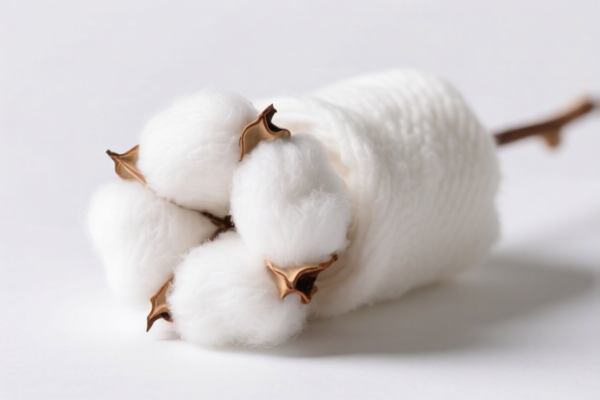
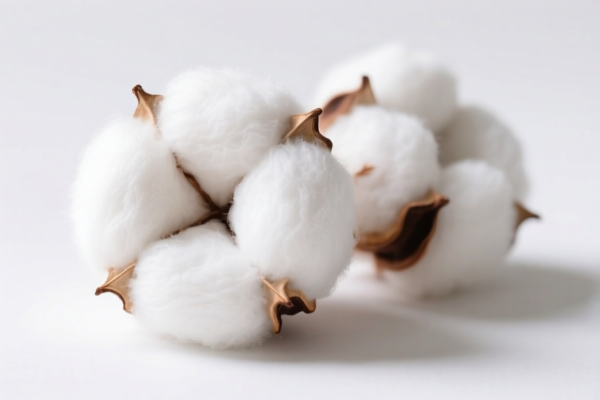
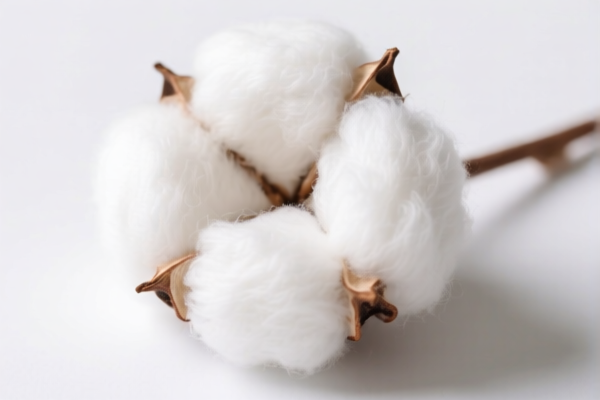
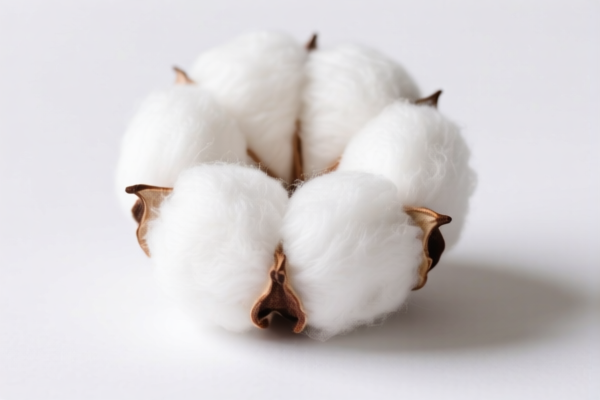
AI分析
🧶 Wool Batting & Wool Roving (Raw Wool Textile Fibers)
🌐 HS Code Reference & Customs Clearance Guide | 2026 Latest Tariff Analysis | Professional Classification Strategy
📌 1. Product Definition & Classification: Do You Know the Difference?
Wool batting and wool roving are essential raw materials in the textile and non-woven industries. In international trade, they are distinguished by their form and processing state:
Wool Roving (Wool Top): Long, continuous strands of wool fibers parallelized and lightly twisted or untwisted, prepared for spinning or further processing. Wool Batting: A web of wool fibers, carded but not spun, used for padding, insulation, felting, or as a base for needle-punch non-wovens.
⚠️ Key Distinction:
- If it is loose fibers, carded into a web but not spun → Classified as Wool Batting (Heading 5105/5106 depending on specific state, often 5105.31 or 5105.40 for processed wool batts).
- If it is parallelized strands ready for spinning → Classified as Wool Roving/Top (Heading 5105.31 or 5107 for wool tops).
- Critical Note: Both are raw/unspun wool products. They are NOT fabrics, garments, or yarns. Misclassification as "woven fabric" or "knitted goods" leads to severe penalties.
📦 2. HS Code Classification Details (2026 Latest Tariff Authority)
| HS Code | Product Description | Application | Spin State |
|---|---|---|---|
5105.31.00.00 |
Wool tops and other carded wool fibers (Roving/Top) | Raw material for spinning into yarn; high-quality apparel wool | ❌ Not spun |
5105.40.00.00 |
Wool waste (not suitable for spinning) | Felting, insulation, low-grade padding | ❌ Not spun |
5105.21.00.00 |
Carded wool (including wool tops and other carded wool fibers) | General carded wool batts or rovings for industrial use | ❌ Not spun |
5601.21.00.00 |
Wadding and articles of wadding, of wool | Wool Batting (specifically batts/padding for non-woven use) | ❌ Not spun |
5101.11.00.00 |
Wool, greasy (raw fleece) | Raw uncleaned wool | ❌ Not processed |
🔍 Key Reminder:
- Wool Roving typically falls under 5105.31 (if tops/rovings for spinning) or 5105.21 (if carded but not tops).
- Wool Batting (soft, web-like, for padding/felting) falls under 5601.21.00.00 (Wadding of wool).
- Do not confuse with synthetic batting (which falls under 5601.22 for polyester/polypropylene).
💰 3. 2026 Latest Tariff Rate Breakdown (Including Surcharges & Policies)
✅ Applicable Country: United States (US)
✅ Origin: China (CN)
✅ Effective Date: November 10, 2025 onwards (including subsequent imports)
🎯 1. 5105.31.00.00 —— Wool Roving/Top (For Spinning)
| Item | Content |
|---|---|
| Base Rate | 0% (ad valorem) |
| USITC Surcharge | +25% (from USITC Footnote 9903.88.01) |
| IEEPA Surcharge | +10% (for China/HK products, from Nov 10, 2025) |
| Total Rate | 45% |
| Tax Calculation | CIF Value × 45% |
| De Minimis Eligible? | ❌ No (deny_de_minimis) |
| Legal Path | IEEPA:9903.01.25 → IEEPA:9903.01.24 → USITC:5105.31.00.00 → FOOTNOTE:9903.88.01 |
📌 Explanation:
- "USITC Surcharge 25%" comes from Section 301 tariffs under the US Trade Act;
- "IEEPA 10%" is the emergency economic power surcharge on Chinese goods;
- Total 45%, this is a high tariff that must be factored into cost calculations.
🎯 2. 5601.21.00.00 —— Wool Batting (Wadding)
| Item | Content |
|---|---|
| Base Rate | 0% |
| USITC Surcharge | +25% |
| IEEPA Surcharge | +10% |
| Total Rate | 45% |
| Tax Calculation | CIF × 45% |
| De Minimis Eligible? | ❌ No |
| Legal Path | IEEPA:9901.25 → IEEPA:9903.01.24 → USITC:5601.21.00.00 → FOOTNOTE:9903.88.01 |
📌 Note:
- Same as roving; both are raw wool products subject to the same surcharges;
- Whether it's "felting wool," "insulation wool," or "needle-punch wool base," as long as it's wool batting, this code applies.
🛠️ 4. Customs Clearance Practical Advice (Real-World Pitfall Guide)
✅ 1. Documentation Checklist (All Required)
| Document | Mandatory | Description |
|---|---|---|
| ✅ Product Specification Sheet | ✔️ | Fiber content, staple length, grease content, color, weight |
| ✅ Lab Test Report | ✔️ | Wool content verification (must prove >100% wool, no synthetic mix if claimed) |
| ✅ Product Photos | ✔️ | Clear images of packing, fiber texture, label |
| ✅ Commercial Invoice | ✔️ | Clearly state "Wool Roving" or "Wool Batting," not "Fabric" |
| ✅ Packing List | ✔️ | Weight, dimensions, number of bales/bundles |
| ✅ Certificate of Origin (CO) | ✔️ | If from non-China origin, may qualify for lower rates |
| ✅ US Customs Bond | ✔️ | Required for commercial entry |
✅ 2. Declaration Tips (Key Mantra)
🔥 "Raw wool, not spun; state clearly, avoid fines!"
| Scenario | Correct Declaration | Wrong Approach |
|---|---|---|
| Wool Roving (for spinning) | 5105.31.00.00 - "Wool Tops/Roving" |
Misdeclare as "Yarn" → 8-12% + penalties |
| Wool Batting (for padding) | 5601.21.00.00 - "Wool Wadding" |
Misdeclare as "Woven Fabric" → 20%+ penalties |
| Mixed Wool/Synthetic | 5505 or 5111 depending on blend |
Declare as 100% wool → Fraud risk |
| Greasy Wool (Raw) | 5101.11.00.00 |
Declare as "Cleaned Wool" → Weight discrepancy issues |
✅ 3. Special Cases
| Scenario | Handling Advice |
|---|---|
| Blended Wool | If mixed with synthetic, HS code changes to synthetic section (e.g., 5505) |
| Processed/Felted Wool | If fully felted, may fall under 5801 or 6001; check with expert |
| Wool Waste | Different code (5105.40), lower quality, different tariff |
| OEM Custom Roving | Provide customer specs; avoid vague terms like "Textile Material" |
🌍 5. Global Customs Comparison (2026 Latest)
| Country/Region | Recommended HS Code | Tariff | Certification | Note |
|---|---|---|---|---|
| 🇺🇸 USA | 5601.21.00.00 / 5105.31.00.00 |
45% (China) | None specific | High surcharges |
| 🇨🇳 China | 5601.21.00.00 / 5105.31.00.00 |
5-10% | None | Lower base rate |
| 🇪🇺 EU | 5601.21 / 5105.31 |
6.5% | REACH | No surcharges |
| 🇦🇺 Australia | 5601.21 / 5105.31 |
5% | None | Moderate |
| 🇯🇵 Japan | 5601.21 / 5105.31 |
0-3.2% | FSC | Low tariffs |
📌 Conclusion:
- USA imposes high surcharges on wool products from China;
- EU and Japan offer more favorable rates; consider supply chain diversification if targeting the US.
📌 6. Common Errors & Pitfalls (Lessons Learned)
❌ Error 1: Declaring "Wool Roving" as "Wool Yarn"
👉 Consequence: Wrong HS code, higher duty, seizure risk.
❌ Error 2: Failing to disclose fiber content
👉 Consequence: Customs lab test, delays, fines for misdeclaration.
❌ Error 3: Using vague terms like "Textile Material" or "Fabric"
👉 Consequence: Clearance delay, additional documentation requests.
❌ Error 4: Ignoring surcharges
👉 Consequence: Underestimating landed cost by 35%, leading to losses.
✅ Correct Approach:
"100% Wool Roving, Carded, Grease Content 10%, Staple Length 10cm, For Spinning Only, HS 5105.31.00.00"
🎯 7. Conclusion: Precision Classification Saves Money!
🎯 Remember:
🔹 "Raw wool, not spun; state clearly, avoid fines!"
🔹 "HS Code determines tax; error costs double!"
🔹 "Wool Roving = 5105.31; Wool Batting = 5601.21; Don't mix them!"
📌 Pro Tip:
If your wool products are originating from New Zealand, Australia, or Peru, you may apply for preferential tariffs under various FTAs, reducing rates to 0-2%;
Consider Advance Ruling from US Customs to avoid disputes.
📣 Act Now:
📞 Contact professional customs broker + Provide product samples + Apply for HS Code Advance Ruling
🚀 Let your wool products clear customs smoothly, export efficiently, and boost profits!
✨ Professional Customs Clearance Starts with Accurate Classification!
💼 Every dollar of cost deserves precise calculation!
用户评价
关于 HS 编码归类
协调制度(HS)是由世界海关组织(WCO)制定的国际贸易商品分类标准。全球 200 多个国家采用 HS 系统作为海关关税、贸易统计和进出口监管的基础。
每个 HS 编码遵循以下层级结构:
- 章(2 位)——商品大类(例如:第 84 章:机器和机械设备)
- 品目(4 位)——章内的更具体分类
- 子目(6 位)——国际通用细分,所有 WCO 成员国统一使用
- 本国细分(8-10 位)——各国自行扩展的细分编码,如美国 HTSUS 10 位编码
正确的 HS 编码归类对于顺利通关、准确缴纳关税和遵守贸易法规至关重要。错误归类可能导致海关延误、多缴关税或罚款。
从CN进口到US时,适用的关税税率可能包括:
- 最惠国(MFN)税率——适用于 WTO 成员国的标准关税税率
- 普通税率——适用于无贸易协定国家
- 贸易救济关税——附加关税,如 301 条款(反倾销)、232 条款(国家安全)或反补贴税
本页内容仅供参考。如需正式归类,请咨询当地海关或持牌报关代理。