Workwear
CN → US| HS编码 | 关税税率 | 原产国 | 目的国 | 文档 |
|---|---|---|---|---|
| 6203420510 | 27.8% | CN | US | 官方文档 |
| 6203422510 | 27.8% | CN | US | 官方文档 |
| 6211329010 | 25.6% | CN | US | 官方文档 |
| 6204620510 | 26.4% | CN | US | 官方文档 |
| 6211325010 | 25.6% | CN | US | 官方文档 |
商品图片
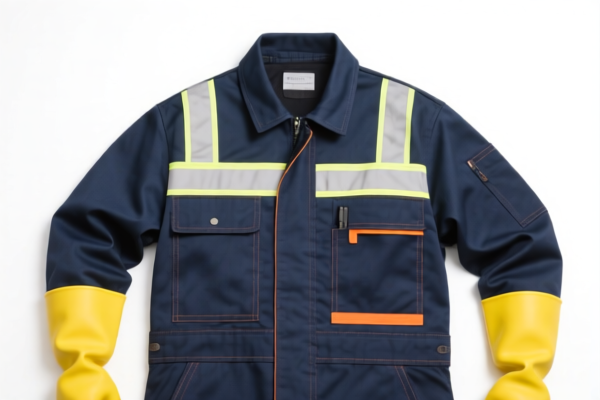
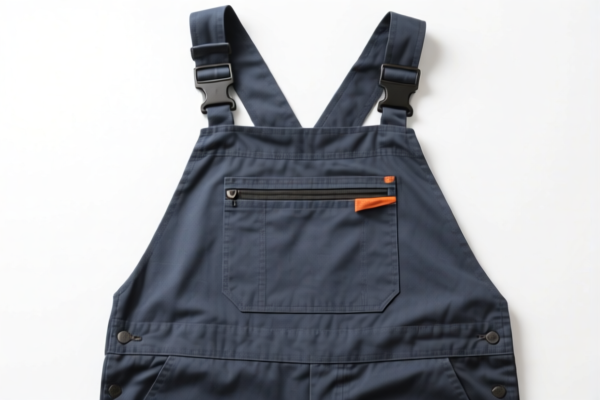
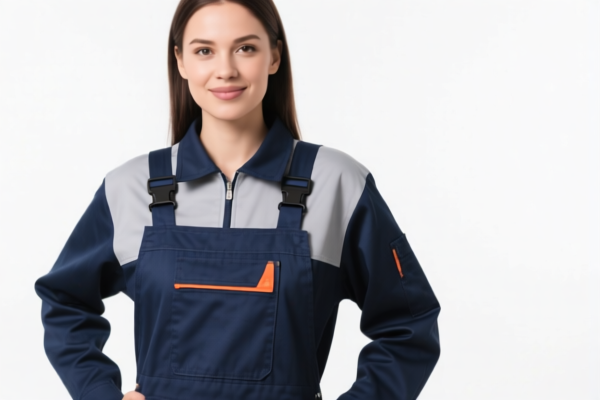

AI分析
🧥 Workwear (Protective & Occupational Clothing)
🌐 HS Code Reference & Clearance Guide | 2026 Latest Tariff Analysis | Professional Customs Strategy
📌 I. Product Definition & Classification: What Exactly is "Workwear"?
Workwear refers to clothing designed specifically for occupational safety, comfort, and durability in industrial, construction, agricultural, or mechanical environments. Unlike casual or fashion clothing, workwear often includes reinforced stitching, flame resistance, high visibility, or chemical protection.
In international trade, Cotton Workwear (the most common material) is classified under Chapter 62 (Articles of Apparel and Clothing Accessories). The key distinction lies in the style and function: * Overalls/Jumpsuits: One-piece garments (e.g., coveralls) → 6211 series. * Trousers/Vests: Separate pieces or specific "men's" utility wear → 6203 (Men/Boys) or 6204 (Women/Girls).
⚠️ Critical Classification Point:
- Style matters: A "Jumpsuit" (6211) has a different tax rate than "Trousers" (6203).
- Material matters: All examples below are Cotton (100% or >50% cotton).
- Usage: Must be proven as "workwear" or "protective clothing" to fit these specific codes.
📦 II. HS Code Classification Details (2026 Latest Tariff Alignment)
| HS Code | Product Description | Typical Use Case | Gender/Fit |
|---|---|---|---|
6203.42.05.10 |
Men's Cotton Work Trousers | Standard industrial work pants, utility pants | Men's |
6203.42.25.10 |
Men's Cotton Work Trousers (General) | Men's casual/work hybrid trousers | Men's |
6211.32.90.10 |
Cotton Jumpsuits / Coveralls | One-piece overalls, utility jumpsuits, similar protective gear | Unisex/General |
6204.62.05.10 |
Women's Cotton Work Trousers | Women's work pants, categorized under other specific categories | Women's |
6211.32.50.10 |
Cotton Jumpsuits / Specialized Gear | Parachute suits, similar protective jumpsuits, one-piece work gear | Unisex/General |
🔍 Key Distinctions:
- 6203 Series: Specifically for Men's trousers (e.g., Carpenter pants, Cargo pants).
- 6211 Series: For One-piece garments (Jumpsuits, Coveralls, Boiler suits).
- 6204 Series: Specifically for Women's trousers.
- Note: All items listed are Cotton based. Synthetic blends or wool would fall under different subheadings.
💰 III. 2026 Latest Tariff Rate Breakdown (Detailed Policy Analysis)
✅ Applicable Country: USA (US)
✅ Origin: China (CN)
✅ Effective Date: Ongoing (Subject to Section 122 & Section 301 adjustments)
🎯 1. General Cotton Workwear (6203 Series & 6204 Series)
Codes: 6203.42.05.10, 6203.42.25.10, 6204.62.05.10
| Tax Component | Rate | Description |
|---|---|---|
| Base Duty (MFN) | 10.3% | Standard US Most-Favored-Nation tariff for cotton men's/women's trousers. |
| Section 301 Add-on | 7.5% | Additional tariff imposed under the US Trade Act of 1974 (Section 301) targeting specific Chinese textiles. |
| Section 122 Tariff | 10.0% | CRITICAL: This is the Section 122 tariff (often linked to specific trade enforcement actions or "122 clauses" for textiles/apparel). |
| 🔴 TOTAL TAX RATE | 27.8% | Sum of all components |
📌 Explanation:
- The 27.8% total is a cumulative burden.
- Base (10.3%) is standard.
- 301 (7.5%) is a punitive tariff on specific Chinese goods.
- Section 122 (10%) is a specific surcharge often applied to textiles/apparel to protect domestic manufacturing.
- Calculation:CIF Value × 27.8%.
🎯 2. Cotton Jumpsuits & Coveralls (6211 Series)
Codes: 6211.32.90.10, 6211.32.50.10
| Tax Component | Rate | Description |
|---|---|---|
| Base Duty (MFN) | 8.1% | Standard duty for "Other garments" (Jumpsuits/Overalls) in cotton. |
| Section 301 Add-on | 7.5% | Same Section 301 surcharge as trousers. |
| Section 122 Tariff | 10.0% | Same Section 122 surcharge. |
| 🔴 TOTAL TAX RATE | 25.6% | Sum of all components |
📌 Explanation:
- Jumpsuits (6211) have a slightly lower base rate (8.1%) compared to trousers (10.3%), but the add-ons are identical.
- Total 25.6% is still very high, reducing profit margins significantly.
- Distinction: The 10.3% base for trousers vs 8.1% for jumpsuits is the only saving point; the punitive taxes remain the same.
🛠️ IV. Customs Clearance Practical Suggestions (Actionable Strategy)
✅ 1. Documentation Checklist (Must-Have)
To clear cotton workwear successfully and avoid delays or audits:
| Document | Requirement | Why It Matters |
|---|---|---|
| Detailed Product Description | Must specify "Cotton Workwear," "Jumpsuit," or "Men's Work Trousers." | Prevents misclassification (e.g., reporting as "Casual Pants" to evade taxes). |
| Material Composition Label | Explicitly state "100% Cotton" or "Cotton Content >50%." | Mislabeling material (e.g., calling polyester "cotton") leads to heavy penalties. |
| Technical Data Sheet (TDS) | Include thread count, fabric weight (GSM), and reinforcement details. | Proves it is "Workwear" (durable), not fashion. |
| Origin Certificate (CO) | Clearly mark "Made in China." | Essential to verify Section 301 and Section 122 applicability. |
| Commercial Invoice | Must list HS Code exactly as shown above. | Discrepancies cause "Red Box" inspections. |
| Packaging Photos | Show labels inside the garment and outer box. | Helps customs verify the "Workwear" claim. |
✅ 2. Declaration Strategy (Pro Tips)
🔥 "Be Specific, Don't Guess!"
| Scenario | Correct Declaration | ❌ Wrong Declaration | Consequence |
|---|---|---|---|
| Men's Cotton Work Pants | 6203.42.05.10 |
6203.42.25.10 (Wrong subcode) |
May trigger audit if subcode doesn't match style. |
| One-Piece Jumpsuit | 6211.32.90.10 |
6203.42... (Trousers code) |
Risk: Misclassification leads to underpayment of tax (or overpayment). |
| Women's Work Pants | 6204.62.05.10 |
6203... (Men's code) |
Risk: Gender error = High audit risk. |
| Blended Fabric | 6211.32... (Different code) |
Reporting as "Cotton" | Risk: If cotton <50%, tax rate changes entirely. |
✅ 3. Special Considerations & Risk Mitigation
| Issue | Strategy |
|---|---|
| High Tariff (25%+) | Strategy: Consider De Minimis (if shipping <800 USD per shipment to US, but NOT for Section 301/122 items usually). Check current regulations: Most Section 301 items are excluded from de minimis. |
| Section 122/301 Exemptions | Check: Look for current Section 301 Exclusion Lists. Some specific workwear types might be exempt if applied for. |
| Material Verification | Warning: If the fabric is "Cotton-Polyester Blend" (e.g., 65% Cotton), the HS Code changes entirely. Ensure your supplier's bill of lading matches the 100% cotton claim. |
| Labeling | Requirement: Ensure labels clearly state "Workwear" or "Protective Clothing" to justify the classification if questioned. |
🌍 V. Global Market Comparison (2026 Snapshot)
| Market | HS Code Trend | Estimated Duty (China Origin) | Notes |
|---|---|---|---|
| 🇺🇸 USA | 6203 / 6204 / 6211 | 25.6% – 27.8% (High) | Heavily impacted by Section 301 + Section 122. |
| 🇪🇺 EU | 6203 / 6211 | 10% – 12% (Standard) | No Section 301/122, but may have anti-dumping. |
| 🇨🇳 China | 6203 / 6211 | 15% – 18% (Export Tax) | Export tax may apply, but domestic production is lower. |
| 🇯🇵 Japan | 6203 / 6211 | 10% – 12% | Generally stable, no punitive tariffs. |
📌 Conclusion: The US market is the most expensive for Chinese cotton workwear due to Section 122 (10%) and Section 301 (7.5%).
- Recommendation: If shipping to the US, price your product to absorb at least 26% of the CIF value as duty cost.
- Alternative: Consider shipping from Vietnam, Mexico, or Bangladesh (if assembly is there) to bypass Section 301/122 penalties (if rules of origin are met).
📌 VI. Common Mistakes & Pitfalls (Learn from Errors)
❌ Mistake 1: Generic Description ("Cotton Clothes")
👉 Result: Customs officer assigns a default "Other" code with higher penalties or manual inspection delays.
👉 Fix: Use exact HS Code + Specific description (e.g., "Men's Cotton Work Trousers").
❌ Mistake 2: Ignoring the 10% Section 122 Tax
👉 Result: Underestimating landed cost by 10% → Loss of profit.
👉 Fix: Include 10% surcharge in all cost calculations for US imports.
❌ Mistake 3: Mixing Garment Types
👉 Result: Declaring Jumpsuits (6211) as Trousers (6203) to lower base rate → Audit & Seizure.
👉 Fix: Strictly separate Jumpsuits and Trousers in the manifest.
❌ Mistake 4: False Material Claim
👉 Result: Shipping "Cotton Blend" but declaring "100% Cotton" → Fraud accusation.
👉 Fix: Verify fabric composition certificates with suppliers.
🎯 VII. Conclusion: Navigate Workwear Tariffs with Precision
🎯 Key Takeaway:
🔹 "Cotton Workwear = 25%–28% Tax in USA"
🔹 "Jumpsuits are slightly cheaper (25.6%) than Trousers (27.8%)"
🔹 "Section 122 (10%) + Section 301 (7.5%) are non-negotiable for China Origin."
📌 Pro Tip:
If your product is Cotton Workwear, always verify if it qualifies for Section 301 Exclusions. Even a small percentage of exclusion can save thousands of dollars on large shipments.
🚀 Action: Request Section 301 Exclusion Application from your customs broker immediately if the item is on the exclusion list!
✨ Professional Custom Clearance Starts with Accurate HS Codes!
💼 Don't let hidden tariffs (10% Section 122) eat your margins!
用户评价
关于 HS 编码归类
协调制度(HS)是由世界海关组织(WCO)制定的国际贸易商品分类标准。全球 200 多个国家采用 HS 系统作为海关关税、贸易统计和进出口监管的基础。
每个 HS 编码遵循以下层级结构:
- 章(2 位)——商品大类(例如:第 84 章:机器和机械设备)
- 品目(4 位)——章内的更具体分类
- 子目(6 位)——国际通用细分,所有 WCO 成员国统一使用
- 本国细分(8-10 位)——各国自行扩展的细分编码,如美国 HTSUS 10 位编码
正确的 HS 编码归类对于顺利通关、准确缴纳关税和遵守贸易法规至关重要。错误归类可能导致海关延误、多缴关税或罚款。
从CN进口到US时,适用的关税税率可能包括:
- 最惠国(MFN)税率——适用于 WTO 成员国的标准关税税率
- 普通税率——适用于无贸易协定国家
- 贸易救济关税——附加关税,如 301 条款(反倾销)、232 条款(国家安全)或反补贴税
本页内容仅供参考。如需正式归类,请咨询当地海关或持牌报关代理。