Wound Dressing
CN → US| HS编码 | 关税税率 | 原产国 | 目的国 | 文档 |
|---|---|---|---|---|
| 5601210090 | 38.6% | CN | US | 官方文档 |
| 3005105000 | 10.0% | CN | US | 官方文档 |
| 3005905090 | 10.0% | CN | US | 官方文档 |
| 3926909989 | 22.8% | CN | US | 官方文档 |
| 3926909950 | 22.8% | CN | US | 官方文档 |
商品图片

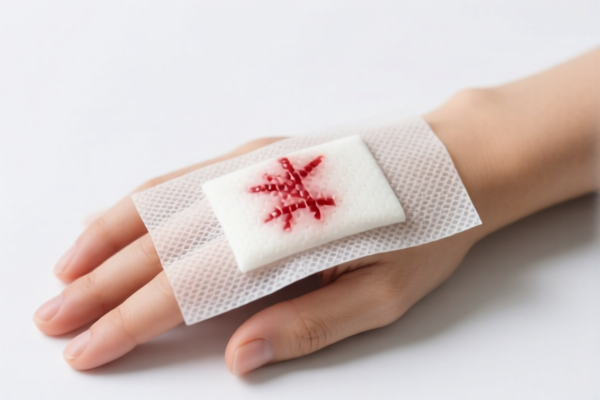
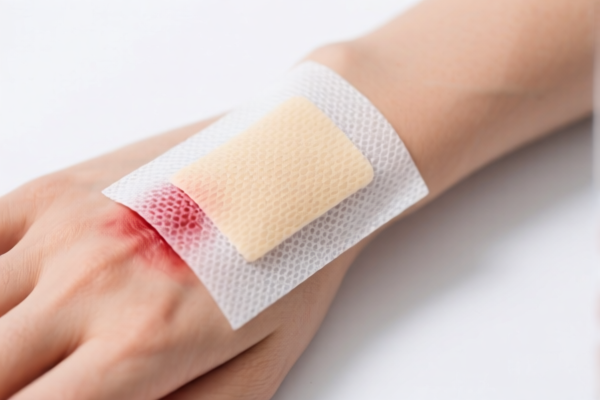
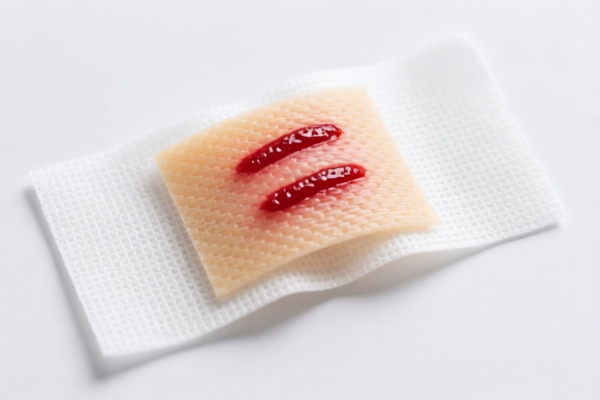
AI分析
🩹 Wound Dressing (Medical Dressings for Wounds)
🌐 HS Code Reference & Customs Clearance Guide | 2026 Latest Tariff Analysis | Professional Import Strategy
📌 One, Product Definition & Classification: Do You Really Know What a Wound Dressing Is?
Wound dressings are essential medical products used to protect, heal, and manage injuries ranging from minor cuts to surgical wounds. In international trade, they are classified based on material composition, medical purpose, and physical structure — not just by name.
⚠️ Key Classification Triggers: - Plastic/polymer-based → falls under plastics (HS 3926)
- Cotton/fiber/non-woven fabric-based → falls under textiles (HS 5601)
- Medically formulated, drug-impregnated, or surgical-grade → falls under pharmaceuticals/medical devices (HS 3005)
- Unspecified or mixed-material → may be classified under "other" (HS 3926.90.99.89)
📦 Two, HS Code Classification Details (2026 Official Tariff Matrix)
| HS Code | Product Description | Material Type | Medical Use | Tax Rate |
|---|---|---|---|---|
3926.90.99.50 |
Wound dressings made from plastic or polymer materials (e.g., hydrocolloid, film, foam) | Synthetic polymers, plastic films | General wound protection, moisture management | 22.8% |
5601.21.00.90 |
Wound dressings made from cotton, fiber, or non-woven fabric | Natural fibers, textile-based | Absorbent, breathable, non-irritating dressings | 38.6% |
3005.10.50.00 |
Medical/surgical dressings with pharmaceutical or therapeutic properties | Pharmaceutical-grade materials | Drug-eluting, antimicrobial, or healing-promoting dressings | 10.0% |
3005.90.50.90 |
Other medical wound dressings (non-specific but for medical use) | Mixed or unspecified materials | General medical use, non-drug-based | 10.0% |
3926.90.99.89 |
Unspecified wound dressings made from polymers, fibers, or plastic films | Generic/unknown composition | For non-specific or hybrid materials | 22.8% |
🔍 Critical Insight: - Material determines HS Code, not just function. - A hydrocolloid dressing made of plastic →
3926.90.99.50- A cotton gauze dressing →5601.21.00.90- A silver-impregnated dressing →3005.10.50.00- A generic non-woven pad →3005.90.50.90or3926.90.99.89
💰 Three, 2026 Latest Tariff Breakdown (With Detailed Duty Clauses)
✅ Applicable Country: United States (US)
✅ Origin: China (CN)
✅ Effective Date: November 10, 2025 (and onward)
🎯 1. 3926.90.99.50 — Plastic/Polymer-Based Wound Dressings
| Item | Detail |
|---|---|
| Base Duty | 5.3% (ad valorem) |
| Additional Tariff (Section 301) | +7.5% (from USITC Section 301 List 3) |
| Section 122 Tariff (IEEPA) | +10.0% (International Emergency Economic Powers Act) |
| Total Effective Rate | 22.8% |
| Tax Calculation | CIF Value × 22.8% |
| De Minimis Exemption? | ❌ No (denied under US law) |
| Legal Basis Path | IEEPA:9903.01.25 → USITC:3926.90.99.50 → FOOTNOTE:9903.88.01 |
📌 Explanation: - This code applies to plastic films, hydrocolloids, foam dressings, transparent films. - The 10% IEEPA tariff is mandatory for all goods from China under national security concerns. - The 7.5% Section 301 tariff is part of ongoing trade disputes. - No duty-free status — even if used in hospitals.
🎯 2. 5601.21.00.90 — Cotton/Fiber/Non-Woven Textile-Based Dressings
| Item | Detail |
|---|---|
| Base Duty | 3.6% |
| Additional Tariff (Section 301) | +25.0% (USITC List 3, high-impact) |
| Section 122 Tariff (IEEPA) | +10.0% |
| Total Effective Rate | 38.6% |
| Tax Calculation | CIF Value × 38.6% |
| De Minimis Exemption? | ❌ No |
| Legal Basis Path | IEEPA:9901.25 → USITC:5601.21.00.90 → FOOTNOTE:9903.88.01 |
📌 Explanation: - Applies to cotton gauze, non-woven pads, rayon-based dressings. - 25% Section 301 tariff is the highest among all wound dressing codes. - IEEPA 10% applies regardless of material. - Extremely high cost — consider material substitution or sourcing from non-China countries.
🎯 3. 3005.10.50.00 — Medical/Surgical Dressings with Therapeutic Properties
| Item | Detail |
|---|---|
| Base Duty | 0.0% |
| Additional Tariff (Section 301) | 0.0% |
| Section 122 Tariff (IEEPA) | +10.0% |
| Total Effective Rate | 10.0% |
| Tax Calculation | CIF Value × 10.0% |
| De Minimis Exemption? | ✅ Yes (if value < $800) |
| Legal Basis Path | IEEPA:9903.01.24 → 3005.10.50.00 |
📌 Explanation: - Applies to drug-impregnated, antimicrobial, silver-coated, or bioactive dressings. - No Section 301 tariff — because it's classified as a medical product, not a general consumer good. - Only 10% IEEPA tariff applies. - De minimis applies — ideal for small shipments or samples.
🎯 4. 3005.90.50.90 — Other Medical Wound Dressings (Non-Specific)
| Item | Detail |
|---|---|
| Base Duty | 0.0% |
| Additional Tariff (Section 301) | 0.0% |
| Section 122 Tariff (IEEPA) | +10.0% |
| Total Effective Rate | 10.0% |
| Tax Calculation | CIF Value × 10.0% |
| De Minimis Exemption? | ✅ Yes |
| Legal Basis Path | IEEPA:9903.01.24 → 3005.90.50.90 |
📌 Explanation: - Applies to generic medical dressings not covered by 3005.10.50.00. - No additional Section 301 duty — treated as medical device. - Only 10% IEEPA tariff — much more favorable than textile or plastic-based.
🎯 5. 3926.90.99.89 — Unspecified/Other Polymer-Based Dressings
| Item | Detail |
|---|---|
| Base Duty | 5.3% |
| Additional Tariff (Section 301) | +7.5% |
| Section 122 Tariff (IEEPA) | +10.0% |
| Total Effective Rate | 22.8% |
| Tax Calculation | CIF Value × 22.8% |
| De Minimis Exemption? | ❌ No |
| Legal Basis Path | IEEPA:9903.01.25 → 3926.90.99.89 → FOOTNOTE:9903.88.01 |
📌 Explanation: - Used when material is unclear or not fully specified. - Same rate as 3926.90.99.50 — but riskier due to "other" classification. - Best avoided — always provide clear material specs.
🛠️ Four, Customs Clearance Best Practices (Pro Tips to Avoid Penalties)
✅ 1. Required Documentation (Must-Have Checklist)
| Document | Required? | Notes |
|---|---|---|
| ✅ Product Specification Sheet | ✔️ | Include material, thickness, size, function |
| ✅ Material Composition Report | ✔️ | Must specify polymer type (e.g., polyurethane, PVA) or fiber type (cotton, rayon) |
| ✅ Product Photos (with label) | ✔️ | Show branding, material texture, packaging |
| ✅ FDA/CE/ISO Certification | ✔️ | Especially for drug-impregnated or surgical-grade dressings |
| ✅ Commercial Invoice | ✔️ | Clearly state "Wound Dressing – [Material Type]" |
| ✅ Certificate of Origin (CO) | ✔️ | Critical for tariff eligibility |
| ✅ Packing List | ✔️ | Show total weight, volume, and unit count |
✅ 2.申报技巧 (申报口诀)
🔥 “材料定税码,药剂享免税,拆分要小心,申报要精准!”
| Scenario | Correct HS Code | Wrong Practice |
|---|---|---|
| Hydrocolloid dressing (plastic film) | 3926.90.99.50 |
Misclassified as 3005.10.50.00 → higher risk |
| Cotton gauze dressing | 5601.21.00.90 |
Misclassified as 3926.90.99.50 → 38.6% vs 22.8% |
| Silver-impregnated dressing | 3005.10.50.00 |
Misclassified as 3005.90.50.90 → no de minimis |
| Generic non-woven pad | 3005.90.50.90 |
Misclassified as 5601.21.00.90 → 38.6% |
| Mixed-material dressing | 3926.90.99.89 |
Avoid — use material-specific code |
✅ 3. Special Cases & Solutions
| Situation | Recommended Action |
|---|---|
| Drug-impregnated dressing | Use 3005.10.50.00 — only 10% tariff, de minimis applies |
| Sourcing from Vietnam/Mexico | Apply for IEEPA exemption — 0% tariff if origin is non-China |
| Small sample shipment (<$800) | Use 3005.10.50.00 or 3005.90.50.90 — de minimis applies |
| Custom formulation | Provide material safety data sheet (MSDS) and FDA 510(k) clearance |
| Re-imported medical devices | Apply for medical device exemption — may reduce or waive duties |
🌍 Five, Global Market Customs Comparison (2026)
| Country/Region | Recommended HS Code | Tariff | Certification Required | Notes |
|---|---|---|---|---|
| 🇺🇸 USA | 3005.10.50.00 / 3005.90.50.90 |
10.0% (only IEEPA) | FDA, CE, ISO 13485 | No Section 301 on medical dressings |
| 🇨🇳 China | 3005.10.50.00 |
5% | NMPA, CE | No extra tariffs |
| 🇪🇺 EU | 3005.10.50.00 |
0% (if CE compliant) | CE, MDR | No extra duties |
| 🇦🇺 Australia | 3005.90.50.90 |
5% | TGA | No IEEPA/Section 301 |
| 🇯🇵 Japan | 3005.90.50.90 |
0% | PMDA | No extra tariffs |
📌 Key Insight: - The USA is the only market with high additional tariffs on wound dressings. - China-origin medical dressings are subject to 10% IEEPA — but no Section 301. - Non-China origin products can avoid all extra tariffs.
📌 Six, Common Mistakes & How to Avoid Them (Real-World Risks)
❌ Mistake 1: Classifying a cotton gauze as 3926.90.99.50
👉 Result: Pay 38.6% instead of 22.8% → +15.8% extra cost
❌ Mistake 2: Using 3926.90.99.89 for a known polymer dressing
👉 Result: No de minimis, higher audit risk, potential penalties
❌ Mistake 3: Not declaring material composition
👉 Result: Customs may reclassify → higher duty + delay + fines
❌ Mistake 4: Using “wound dressing” as generic name without material detail
👉 Result: Incorrect HS Code → rejection or seizure
✅ Correct Declaration Example:
“Antimicrobial Wound Dressing, Silver-Impregnated, Non-Woven Fabric, 10cm x 10cm, FDA-Registered, CE Marked, HS 3005.10.50.00”
🎯 Seven, Conclusion: Precision in Classification = Profit Protection!
🎯 Remember the Golden Rule:
🔹 “Material Defines Code, Medical Gets Relief, De Minimis Saves, Misclassifying Costs!”
🔹 “One wrong HS Code can increase your tariff by 25 percentage points — and your profit by 30%.”
📌 Pro Tip:
If your wound dressing is produced in Vietnam, Mexico, Thailand, or Malaysia, apply for IEEPA exemption — 0% tariff on medical products.
📣 Take Action Now:
📞 Contact a licensed customs broker + provide product specs & material data
🚀 Apply for HS Code Pre-Ruling (Advance Ruling) — avoid surprises
🌐 Use digital product tagging to track material composition and HS code
✨ Professional Customs, Starts with Accurate Classification!
💼 Your product’s success depends on the right code — not just the right name.
用户评价
关于 HS 编码归类
协调制度(HS)是由世界海关组织(WCO)制定的国际贸易商品分类标准。全球 200 多个国家采用 HS 系统作为海关关税、贸易统计和进出口监管的基础。
每个 HS 编码遵循以下层级结构:
- 章(2 位)——商品大类(例如:第 84 章:机器和机械设备)
- 品目(4 位)——章内的更具体分类
- 子目(6 位)——国际通用细分,所有 WCO 成员国统一使用
- 本国细分(8-10 位)——各国自行扩展的细分编码,如美国 HTSUS 10 位编码
正确的 HS 编码归类对于顺利通关、准确缴纳关税和遵守贸易法规至关重要。错误归类可能导致海关延误、多缴关税或罚款。
从CN进口到US时,适用的关税税率可能包括:
- 最惠国(MFN)税率——适用于 WTO 成员国的标准关税税率
- 普通税率——适用于无贸易协定国家
- 贸易救济关税——附加关税,如 301 条款(反倾销)、232 条款(国家安全)或反补贴税
本页内容仅供参考。如需正式归类,请咨询当地海关或持牌报关代理。